

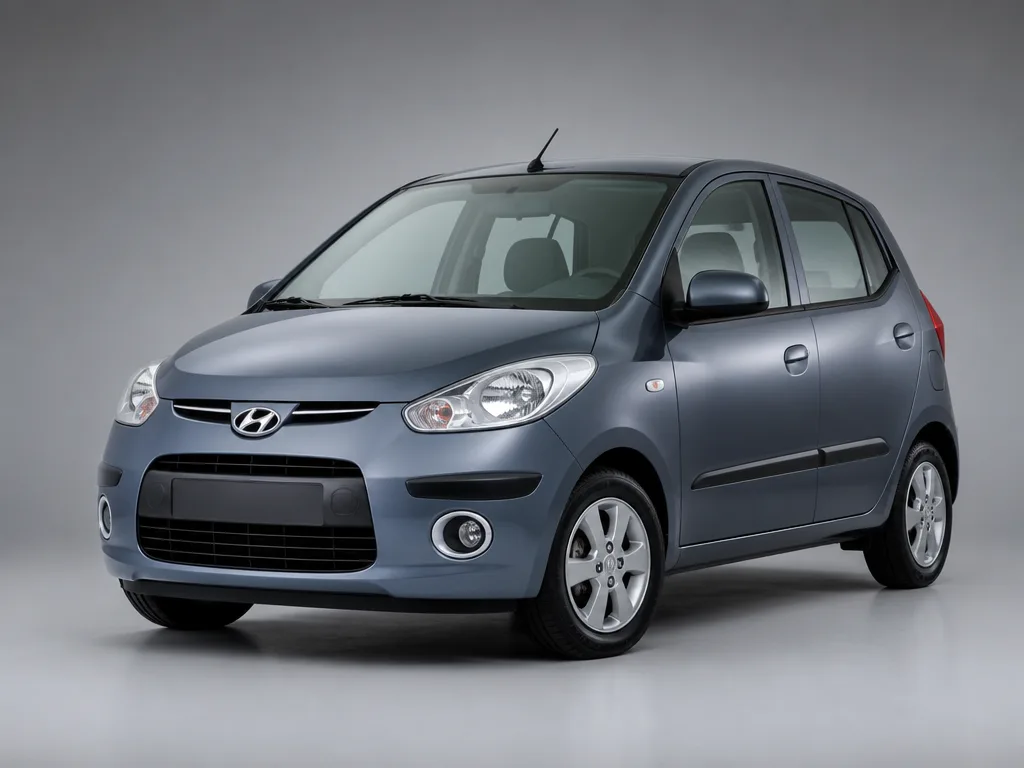
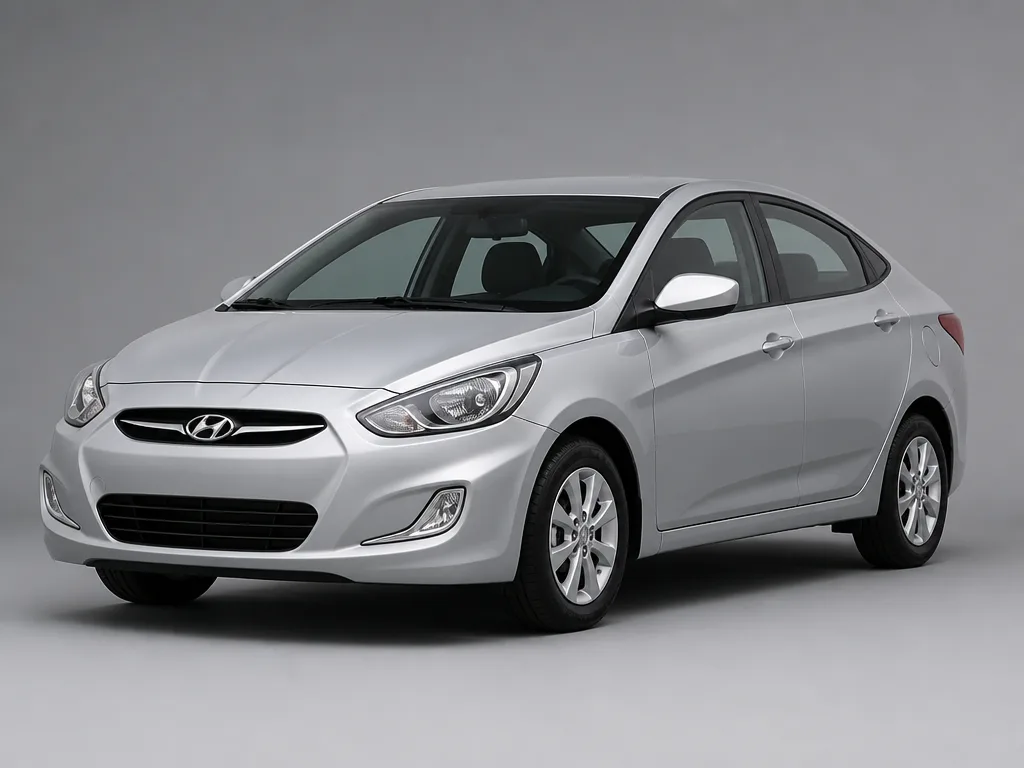
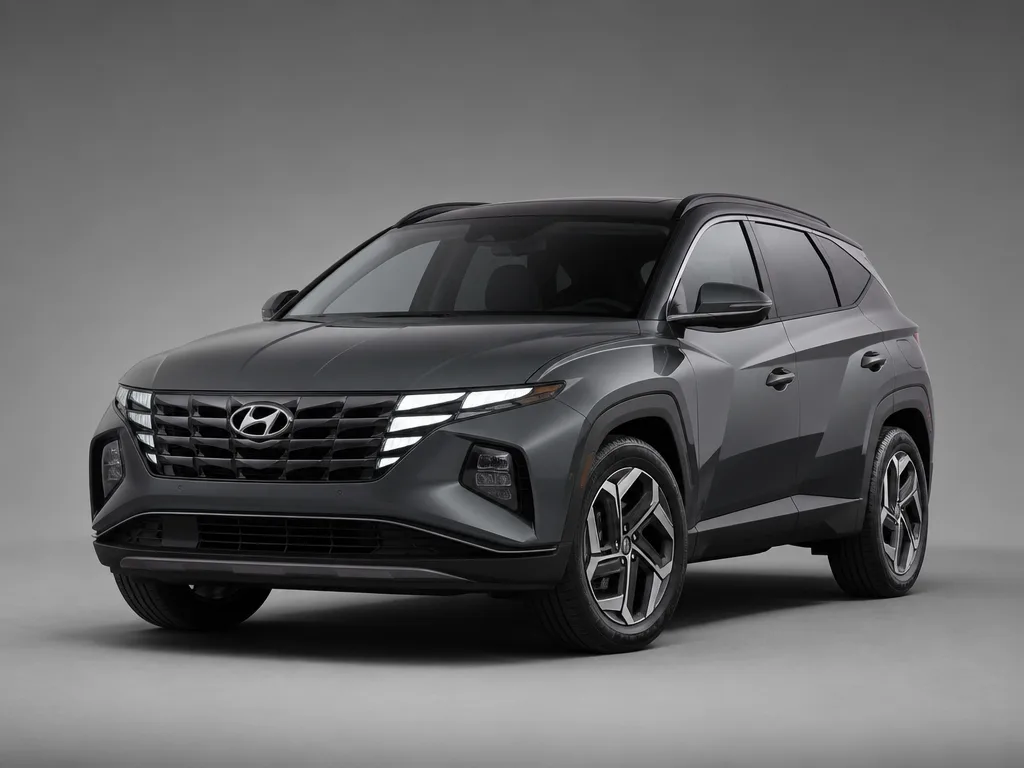
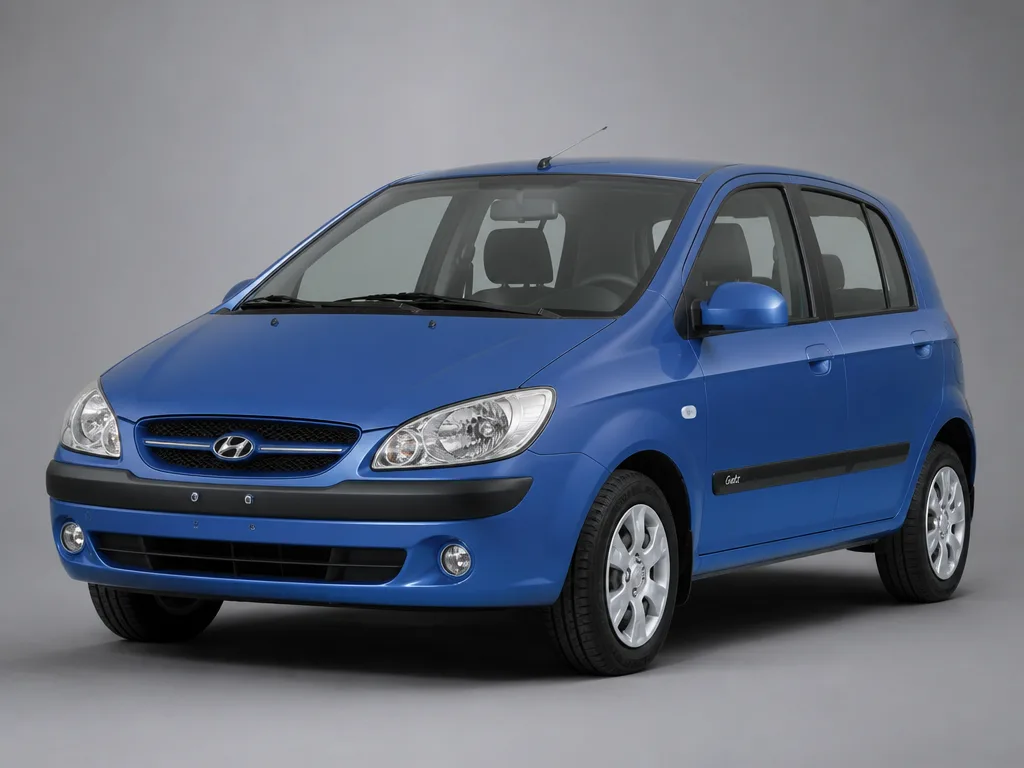
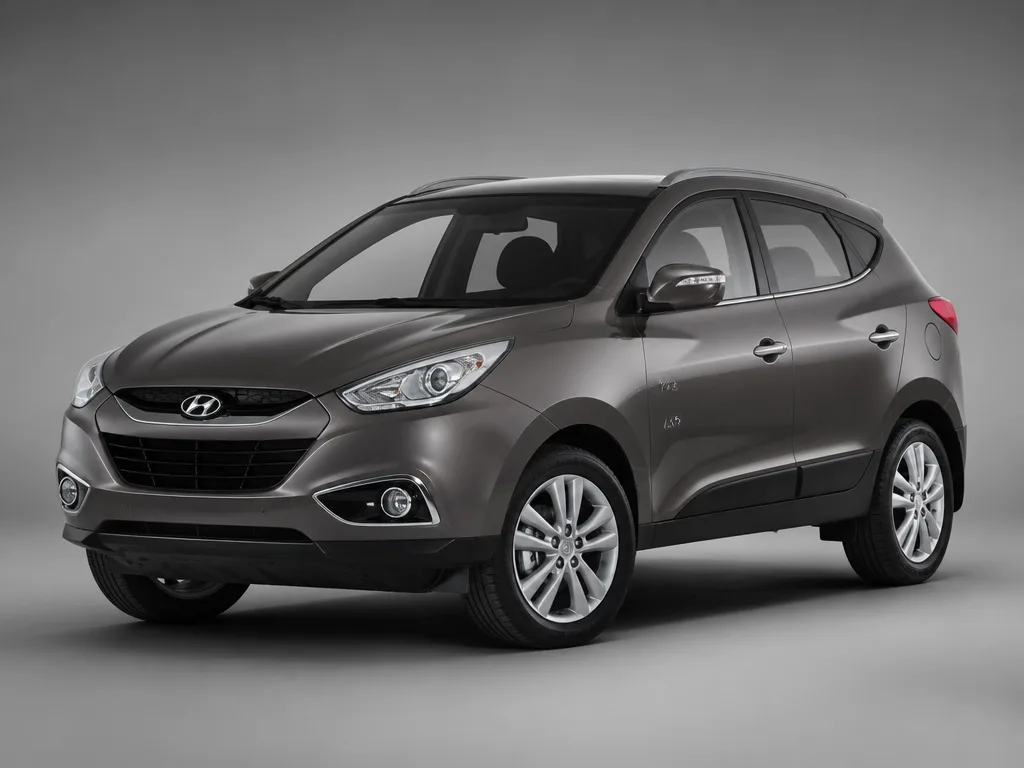

Body Parts for the Hyundai Accent
The Accent sold in South Africa as X3, LC, MC and RB, so we quote body parts against your generation rather than the model name
Which Body Parts Does Your Accent Need?
The generation code, whether the car is pre- or post-facelift, and the paint code will settle most of these — pick the component below and we will confirm the rest.
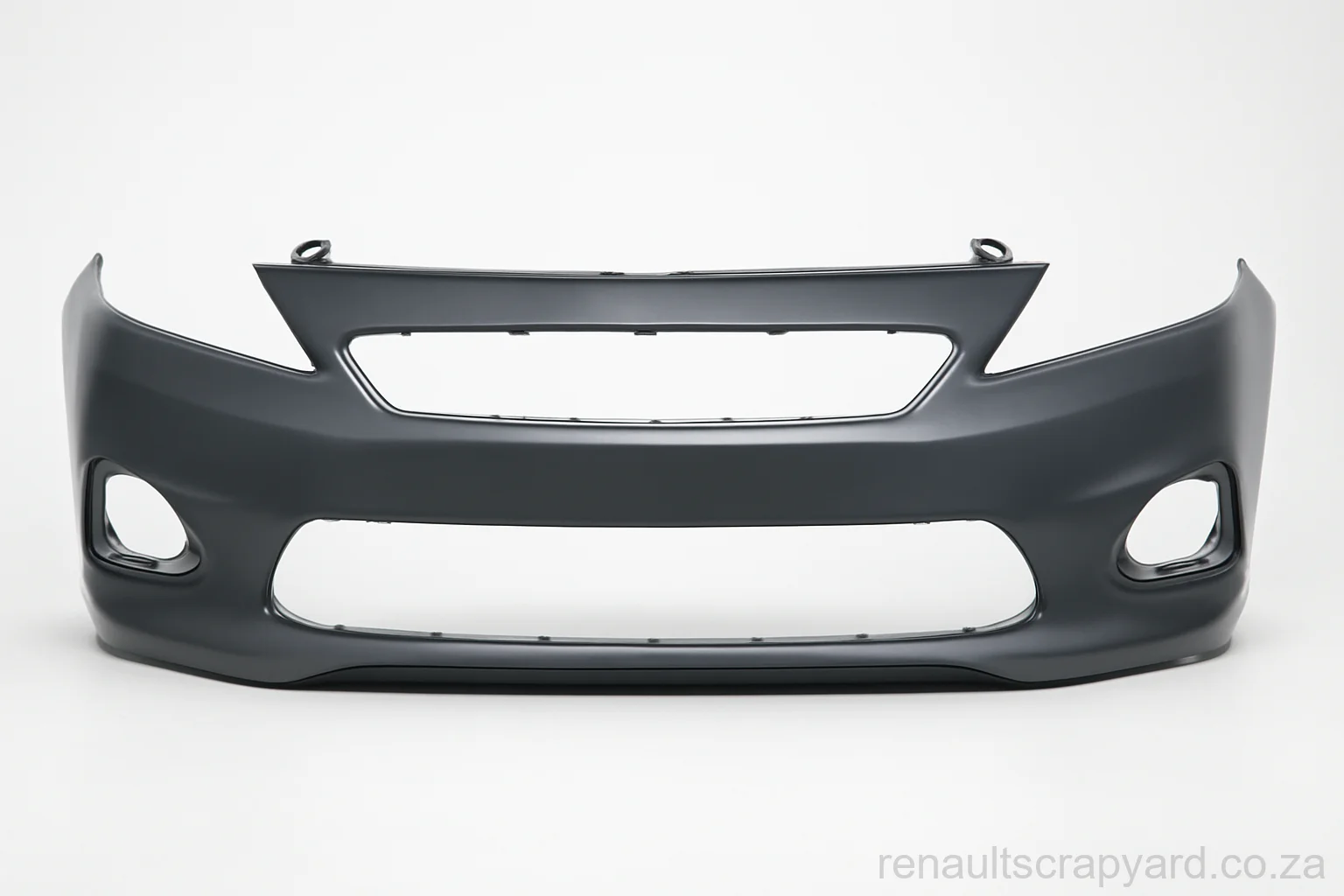
Hyundai Accent Front Bumper
Fast MovingFront bumper covers and assemblies for Hyundai vehicles

Hyundai Accent Rear Bumper
Fast MovingRear bumper covers and assemblies for Hyundai vehicles
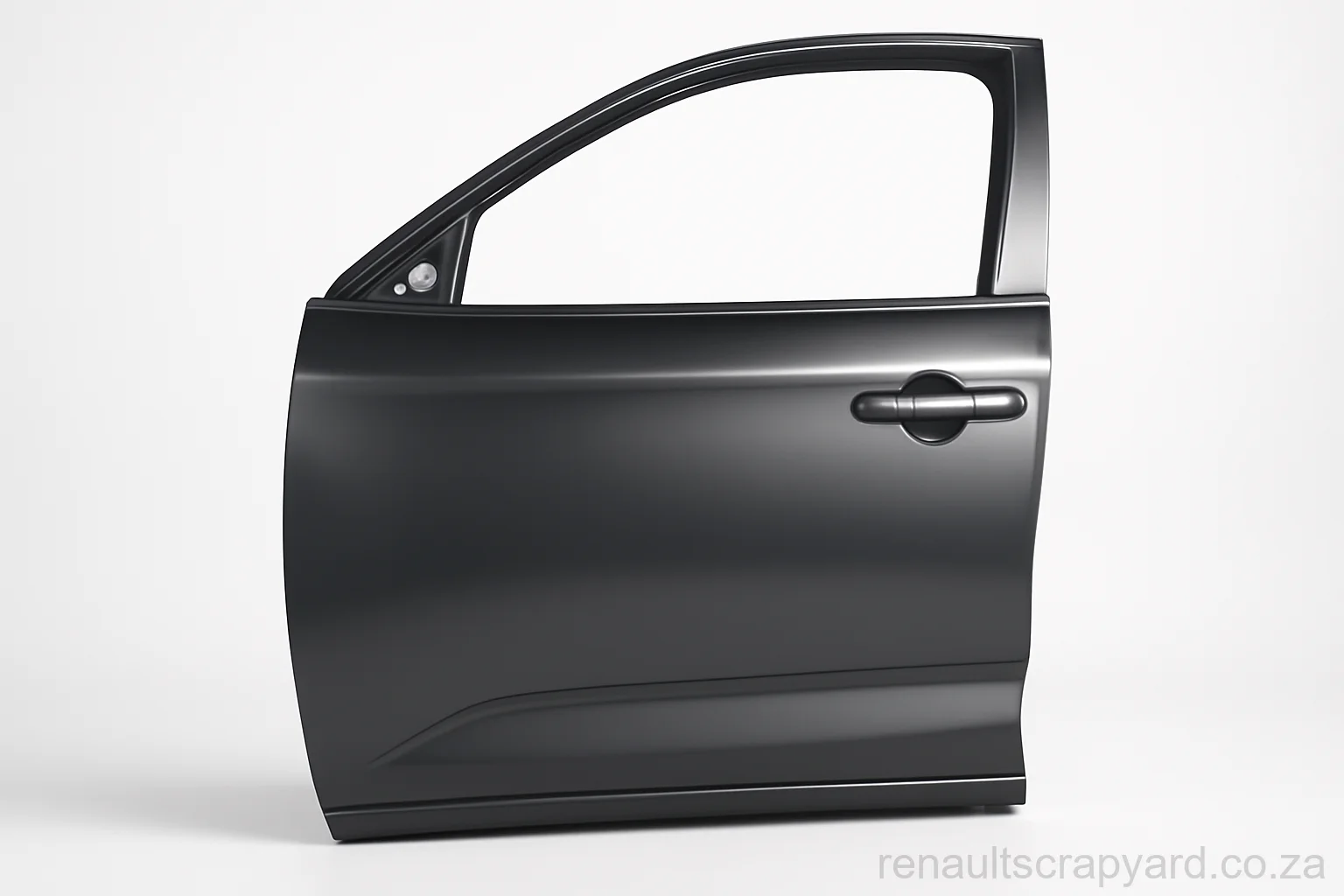
Hyundai Accent Left Front Door
Fast MovingComplete driver-side front door shells for Hyundai vehicles
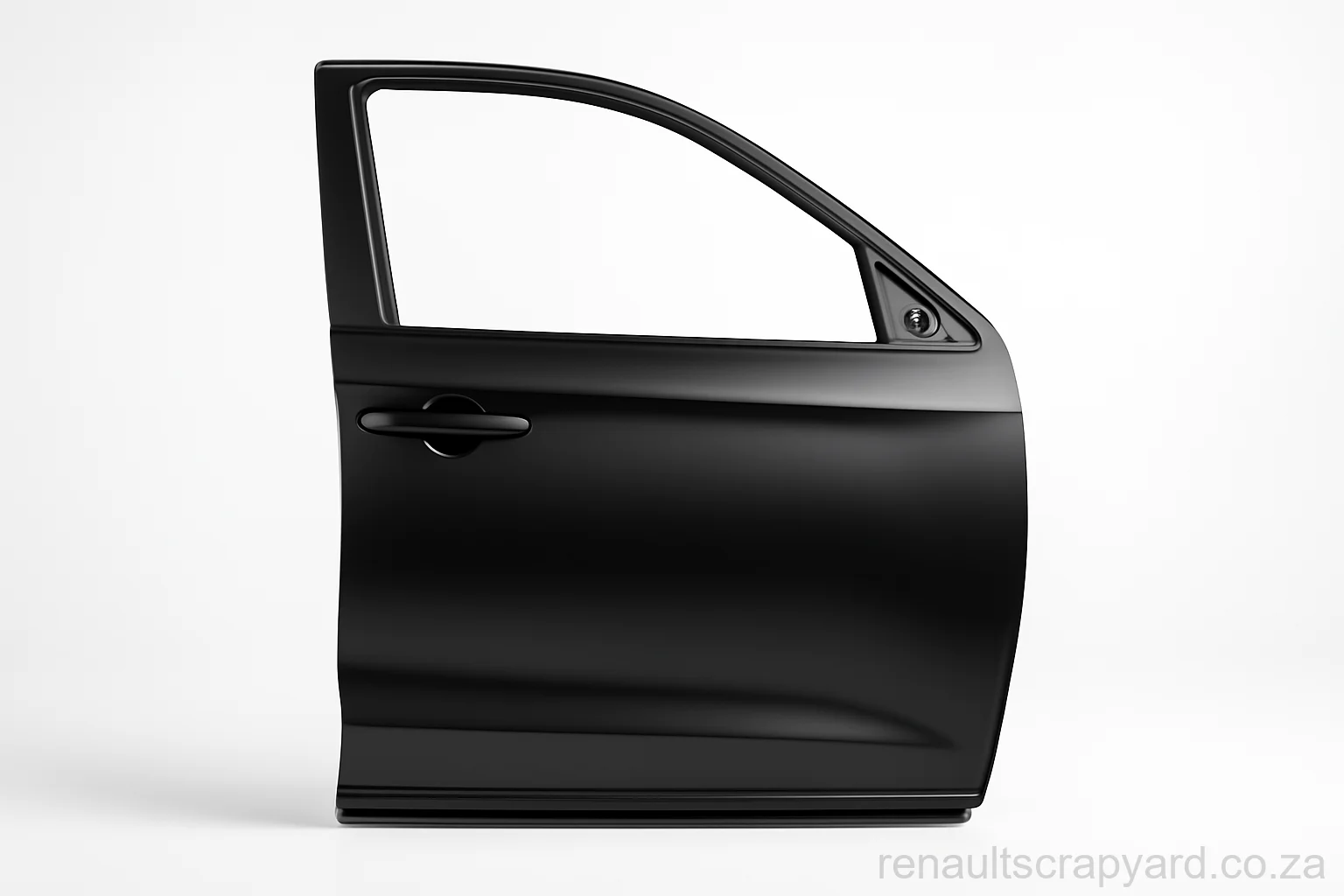
Hyundai Accent Right Front Door
Fast MovingComplete passenger-side front door shells for Hyundai vehicles
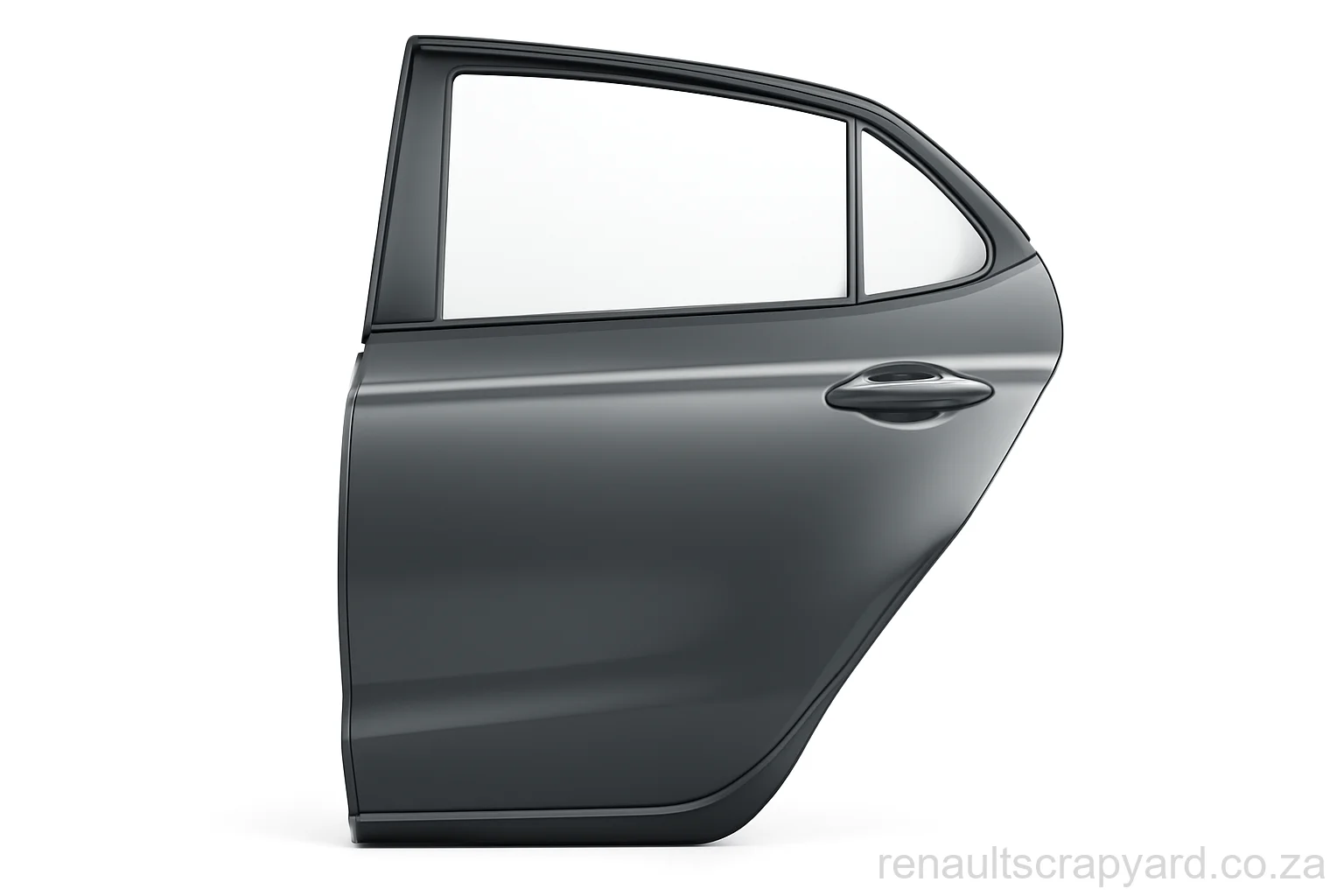
Hyundai Accent Left Rear Door
In DemandComplete driver-side rear door shells for Hyundai vehicles
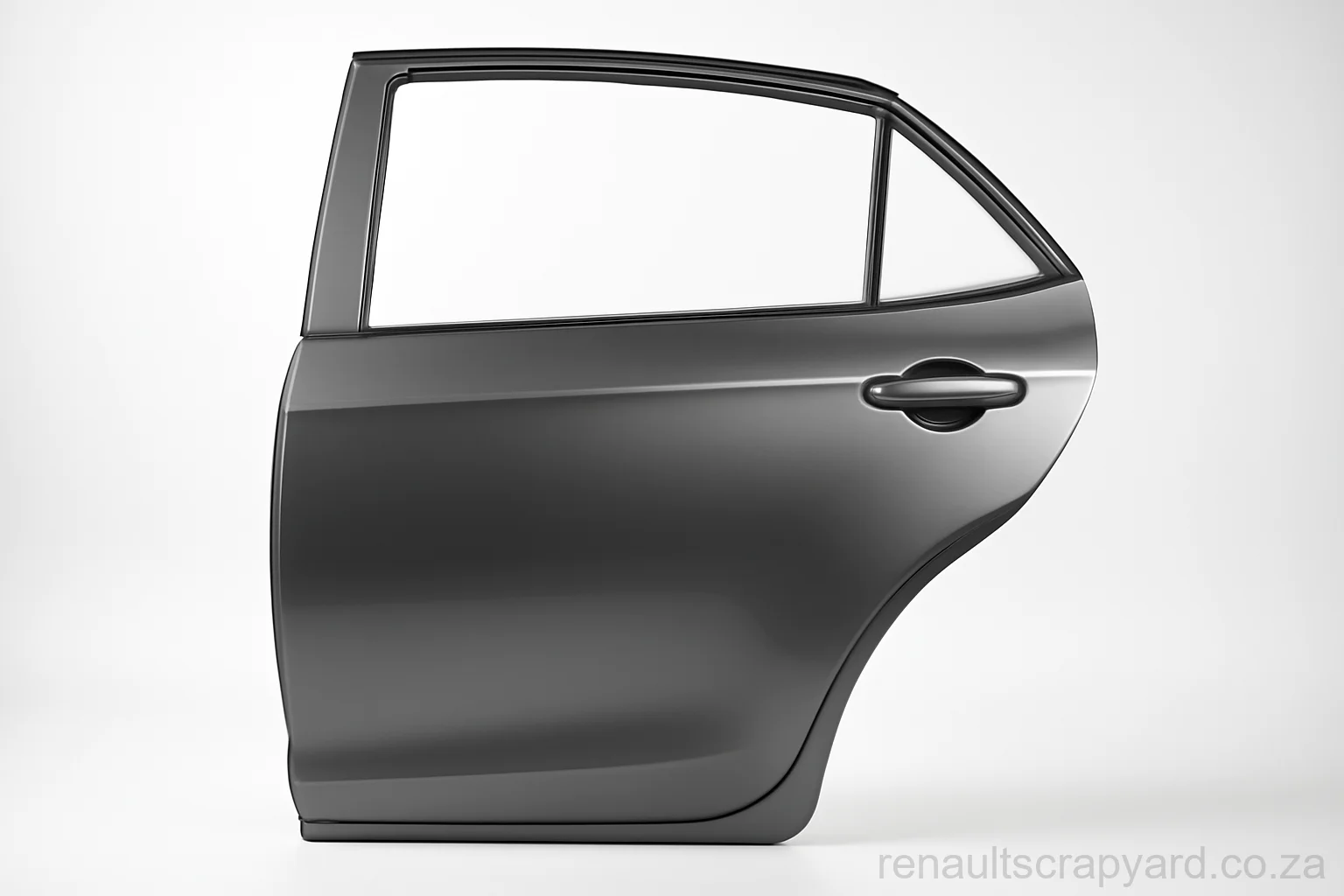
Hyundai Accent Right Rear Door
In DemandComplete passenger-side rear door shells for Hyundai vehicles
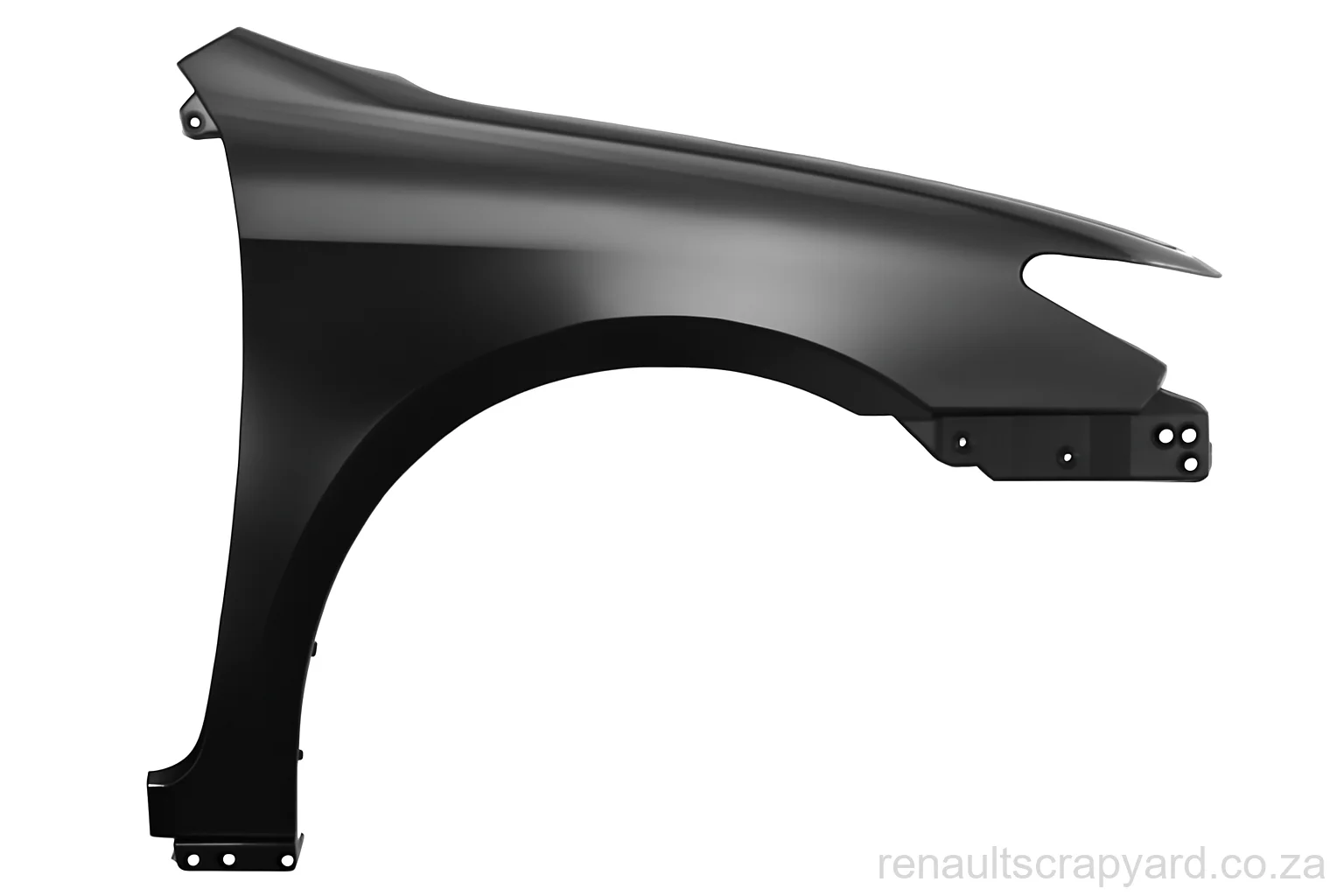
Hyundai Accent Left Front Fender
In DemandDriver-side front fender panels (front wings) for Hyundai vehicles
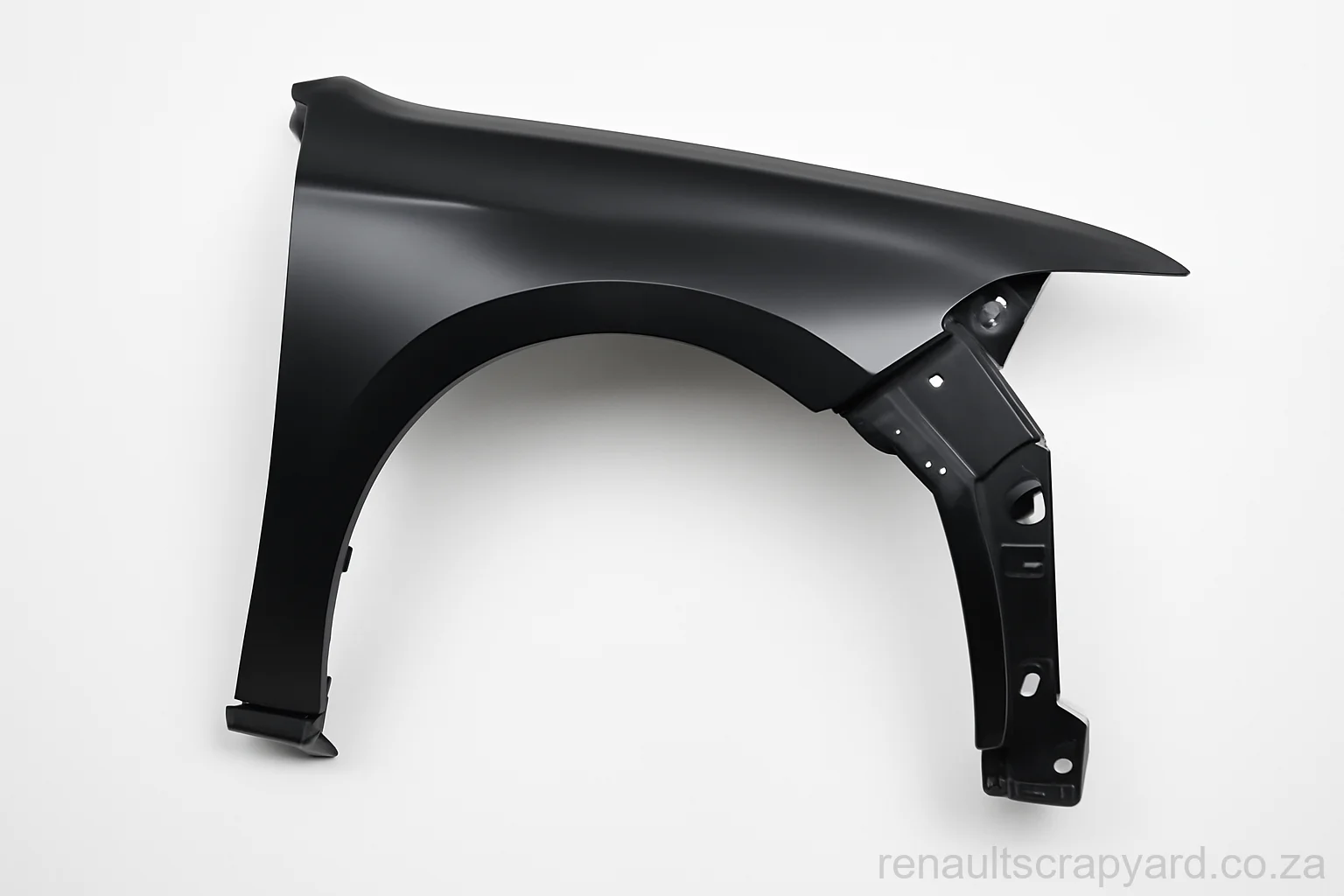
Hyundai Accent Right Front Fender
In DemandPassenger-side front fender panels (front wings) for Hyundai vehicles

Hyundai Accent Left Rear Quarter Panel
In DemandDriver-side rear quarter panels for Hyundai vehicles
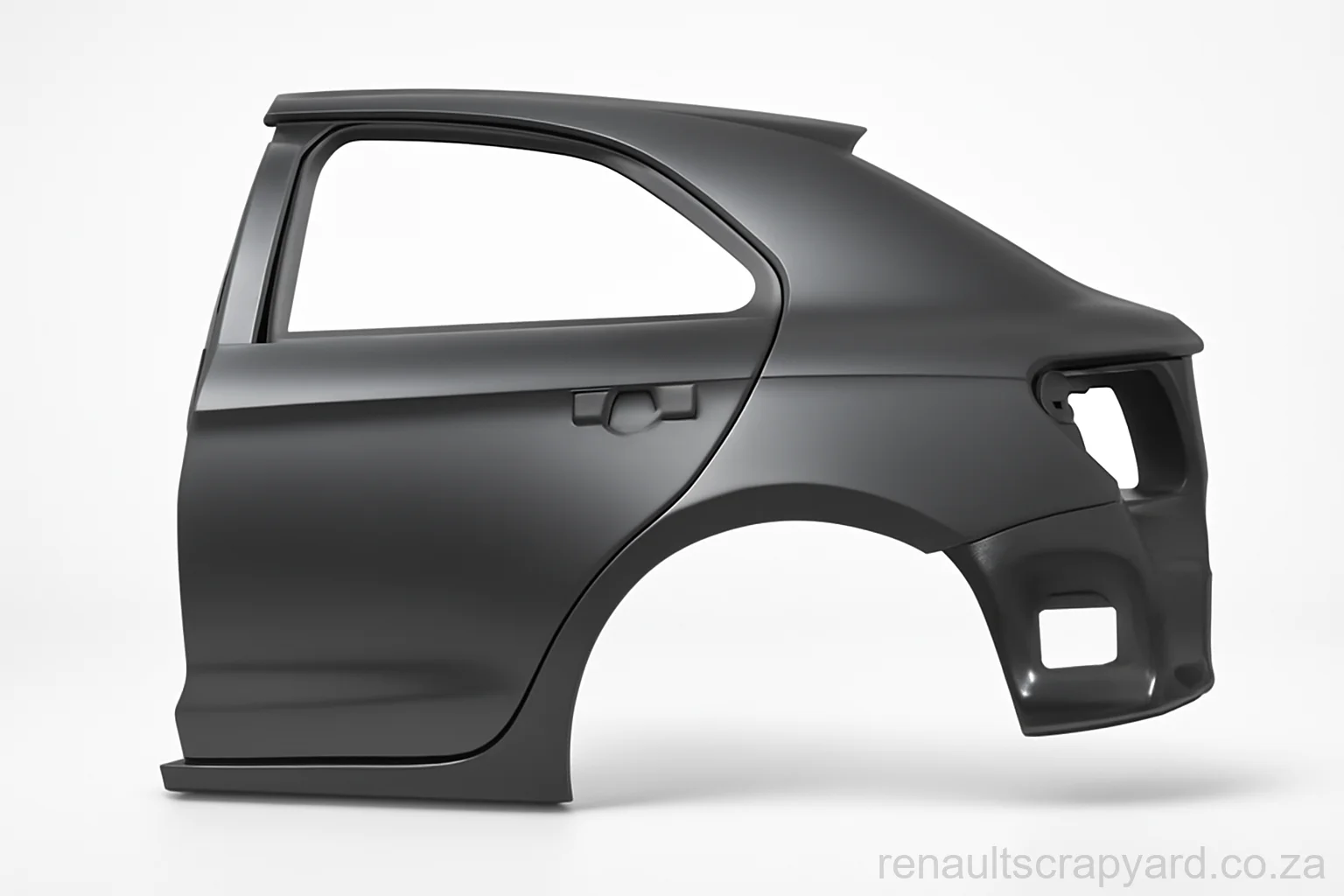
Hyundai Accent Right Rear Quarter Panel
In DemandPassenger-side rear quarter panels for Hyundai vehicles
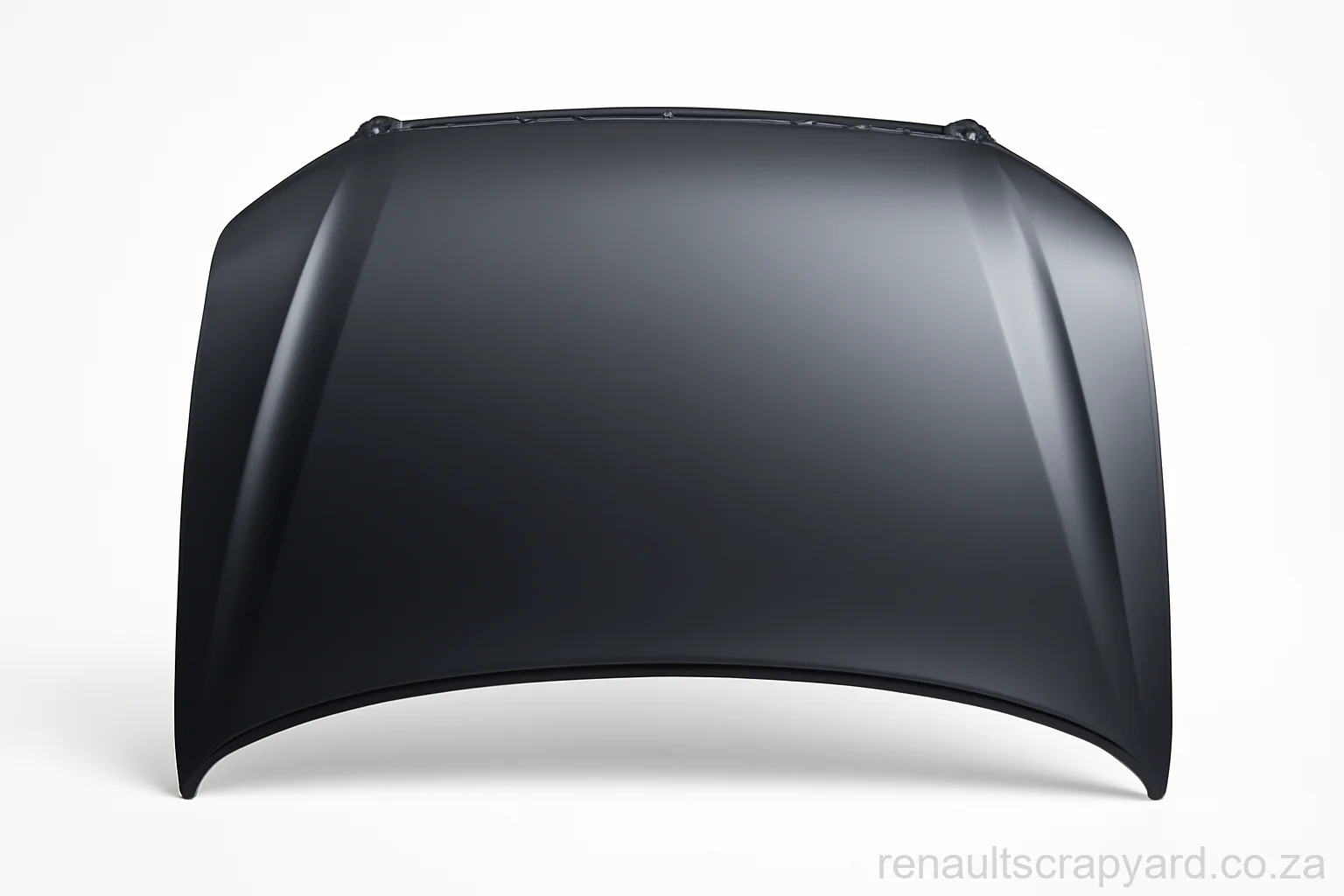
Hyundai Accent Hood
Fast MovingEngine hood and bonnet assemblies for Hyundai vehicles
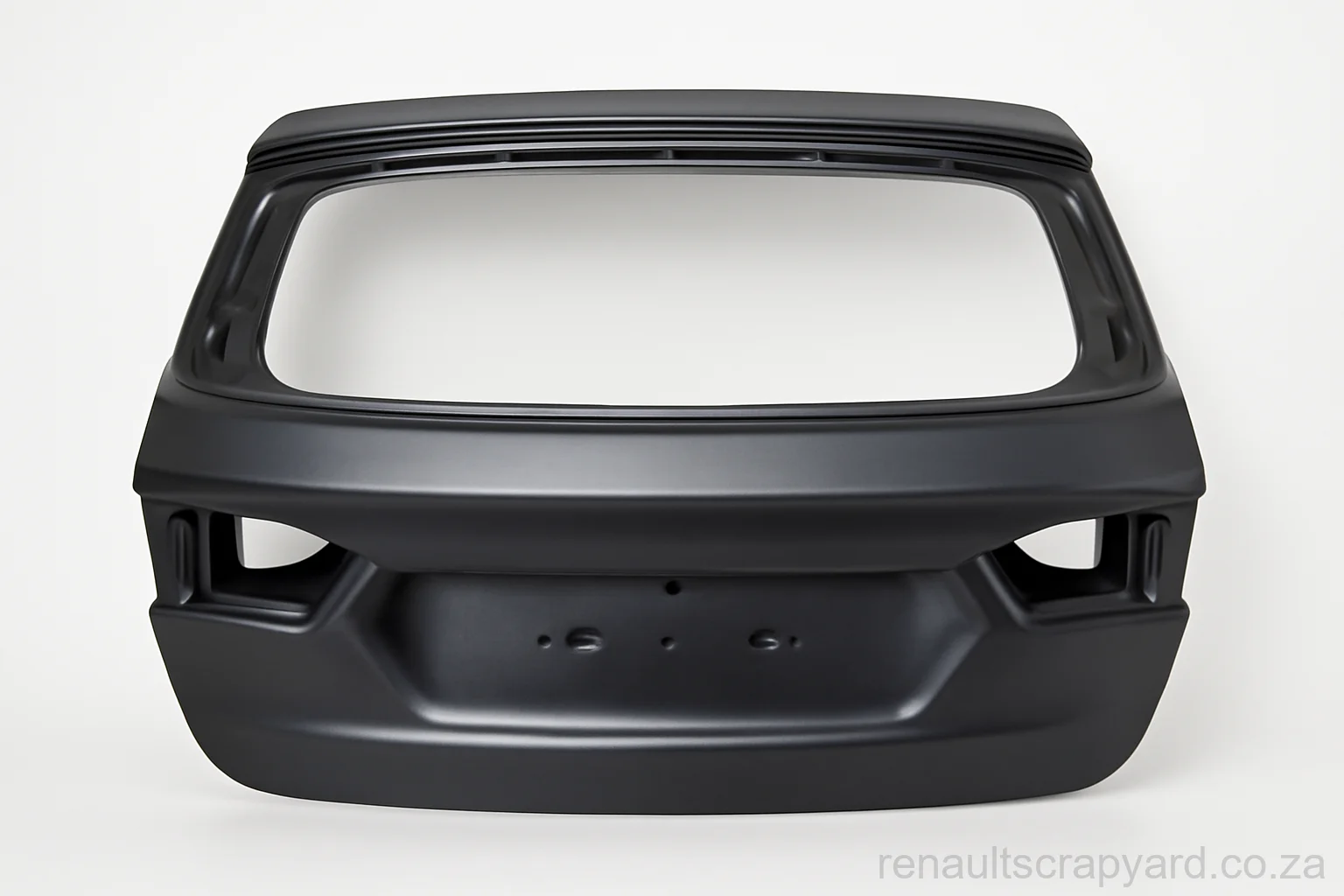
Hyundai Accent Trunk/Tailgate
In DemandBoot lids and tailgate assemblies for Hyundai sedans and SUVs

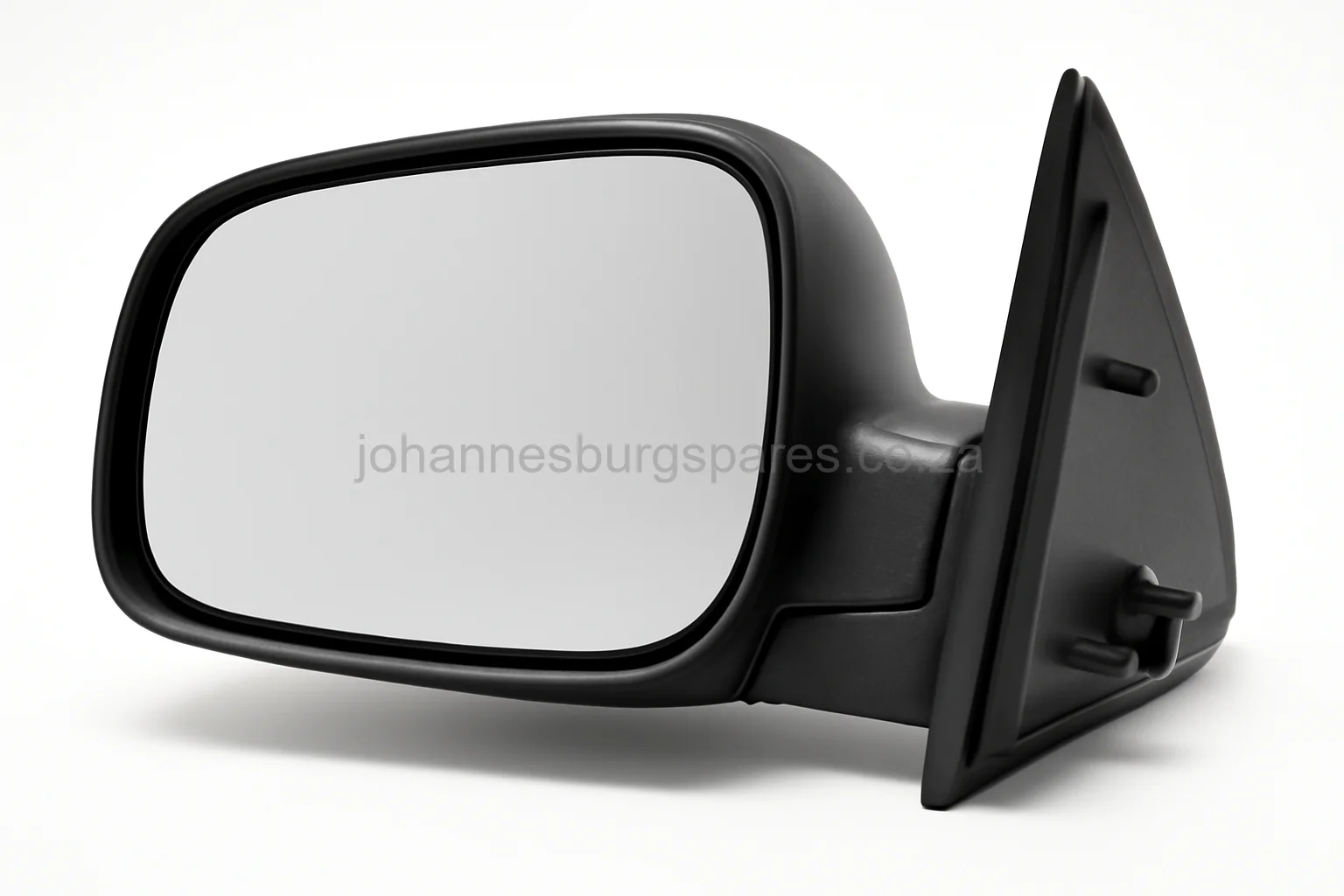
Hyundai Accent Left Mirror
In DemandDriver-side wing mirror assemblies for Hyundai vehicles
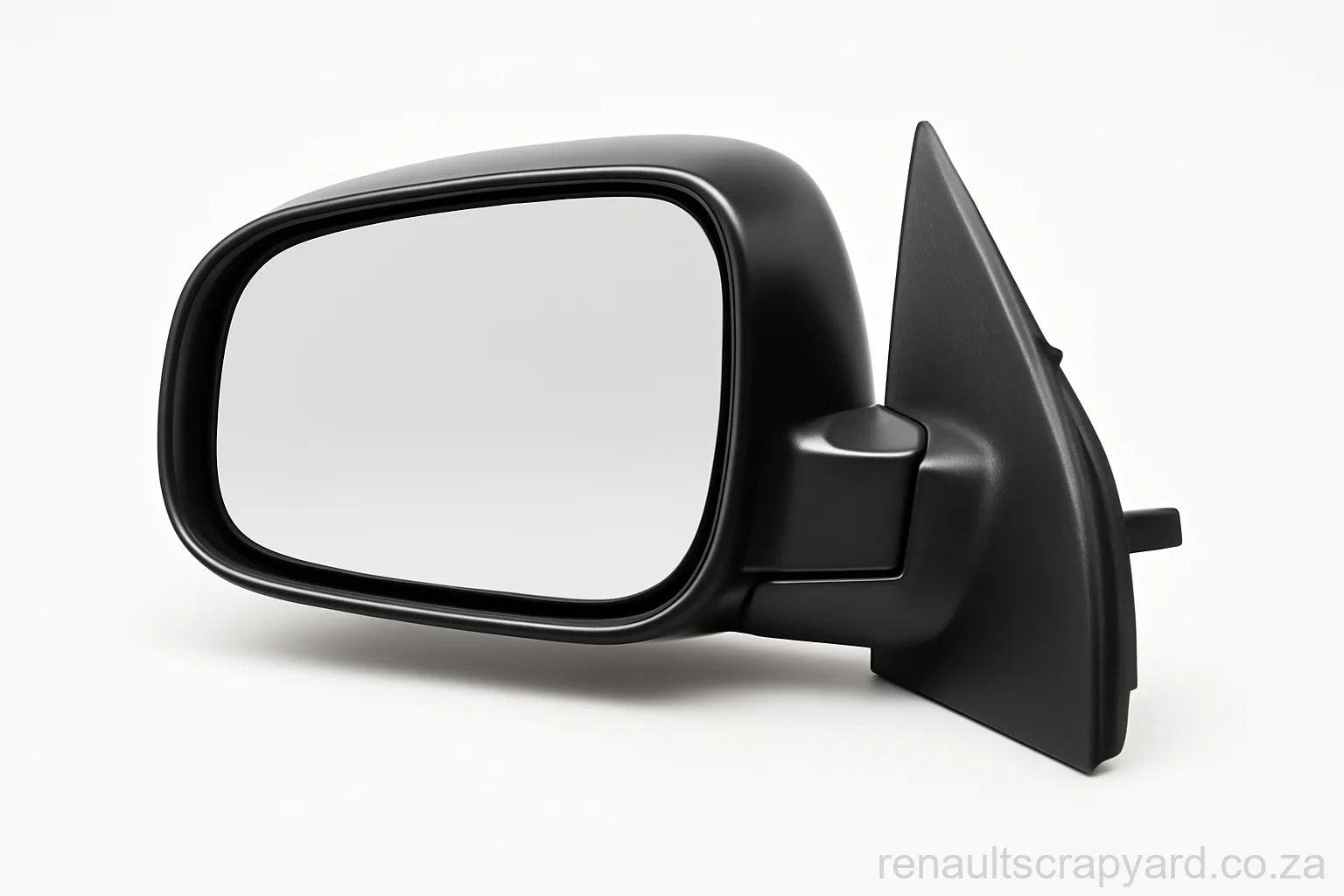
Hyundai Accent Right Mirror
In DemandPassenger-side wing mirror assemblies for Hyundai vehicles
What Are Hyundai Accent Body Parts?
Body panels are the doors, bonnet, boot lid, fenders, bumpers and quarter panels that make up the outside of the car — some bolt on, some are welded and structural, and the difference decides whether you are booking a fitter or a panel shop. The Hyundai-specific trap is the facelift. Hyundai changed bumpers, lamps, grilles and mirrors inside a single generation without changing the name on the boot, so "a 2015 i20" is not a specification. The generation code and whether the car is pre- or post-facelift is what makes a used panel usable.
The other thing to have ready is the paint code, which lives on the plate in the door jamb. It costs nothing to read and it is the difference between a panel that blends and one that has to go back to the booth. Locally, rust is a coastal problem far more than an inland one — arch lips and door bottoms on KwaZulu-Natal cars go while equivalent Gauteng cars are still sound — and hail is the Highveld's contribution. Photographs help enormously with body enquiries: whether a section repair will do or the full panel is needed is a judgement better made from pictures than from a description.
Signs You Need New Body Parts
SA-Market Accent Derivatives We Supply Body Parts For
The Accent reached South Africa as X3, LC, MC and RB, running Alpha 1.5/1.6 (X3, LC), Alpha II 1.6 (MC), Gamma 1.6 (RB) and U-line 1.5/1.6 CRDi on selected RB-era derivatives. Body Parts fitment splits on the generation code long before it splits on trim, and again between petrol and CRDi diesel derivatives. The Accent ran for so long in South Africa that the same name covers four distinct platforms — the change from the Alpha to the Gamma petrol family is the single biggest fitment dividing line. Find your derivative below, then send the code from your VIN plate with your enquiry.
- Hyundai Accent X3 1.5
- Hyundai Accent LC 1.6 GLS
- Hyundai Accent MC 1.6 GLS
- Hyundai Accent RB 1.6 GL
- Hyundai Accent RB 1.6 Fluid
Sourcing note: the Accent the RB generation is a close relative of the Kia Rio of the same era, which gives us a second place to look when local stock runs dry.
Accent generations and body parts — the short version
Does one body parts listing cover every Accent?
No. Sold here across X3, LC, MC and RB, the Accent is not one car for parts purposes — it is several.The Accent ran for so long in South Africa that the same name covers four distinct platforms — the change from the Alpha to the Gamma petrol family is the single biggest fitment dividing line.
Which engine is in my Accent?
SA-market cars were sold with Alpha 1.5/1.6 (X3, LC), Alpha II 1.6 (MC), Gamma 1.6 (RB) and U-line 1.5/1.6 CRDi on selected RB-era derivatives. The code stamped on the block settles it — the badge on the boot does not.
What do you need from me to quote body parts?
The generation code, whether the car is pre- or post-facelift, and the paint code. Facelifts within a single Hyundai generation changed bumpers, lamps and grilles without changing the model name, and the colour code on the door jamb matters as much as the part itself.
In South Africa the Accent is mostly one of the deepest used-parts pools of any Hyundai in the country, which is exactly why sourcing to the correct generation matters more here than on a newer car. That is the wear pattern we stock and source against.
Accent Body Parts: Common Questions
Does body parts fitment change across Accent generations?
Yes, and it is the first thing we check. The Accent sold here as X3, LC, MC and RB, and the Accent ran for so long in South Africa that the same name covers four distinct platforms — the change from the Alpha to the Gamma petrol family is the single biggest fitment dividing line. Give us the generation code and the rest follows quickly.
Which Accent engines were sold in South Africa?
Alpha 1.5/1.6 (X3, LC), Alpha II 1.6 (MC), Gamma 1.6 (RB) and U-line 1.5/1.6 CRDi on selected RB-era derivatives. Body Parts fitment often follows the engine family rather than the model name, so the code on the block is worth reading before you order.
What are body panels on a car?
Body panels are the exterior components forming your Hyundai's outer shell, divided into two types: outer body panels like doors, fenders, bonnet and boot that you see and touch and inner structural panels that form part of the chassis framework. Outer panels on models like the Tucson or Sonata are typically bolt-on components ranging from R2,500 to R8,500 each, while structural panels require specialized repair. Both types protect mechanical components and passengers while defining the vehicle's aerodynamics and appearance.
What are the signs of damaged body panels?
Common signs include visible dents or creases from parking incidents, misaligned panel gaps indicating impact damage, rust bubbles especially around South African coastal areas and paint damage from UV exposure or stone chips. On Hyundai models, check door alignment, bonnet-to-fender gaps and boot closure—misalignment often indicates underlying structural issues requiring immediate attention. Prices for panel beating range from R800 to R3,500 depending on severity, while full panel replacement costs R2,500 to R12,000 per panel.
What are the panels called on a car?
Major panels include doors (front and rear), bonnet, boot lid or tailgate, front and rear fenders (mudguards), bumpers, roof panel and quarter panels behind rear doors. Your Hyundai also has sills below the doors, pillars (A, B, C) connecting roof to body and valances below bumpers. Models like the Hyundai Accent have additional components like side skirts and mirror housings that complement the main body structure.
How much do Hyundai body panels cost in South Africa?
Genuine Hyundai body panels range from R1,800 for small components like mirror covers to R15,000 for major panels like bonnet or doors on models like the Creta or Santa Fe. Aftermarket alternatives cost 30-50% less but may affect resale value and insurance claims. Labour for professional fitting adds R1,200 to R4,500 depending on complexity, with paintwork adding another R2,500 to R6,000 for colour-matched finish including primer and clear coat.
How to repair a damaged car panel?
Minor dents can be repaired through paintless dent removal (PDR) costing R500 to R1,500 per panel at South African panel beaters, preserving original paint. Deeper damage requires traditional panel beating, filler application, sanding, priming and repainting, costing R2,500 to R5,000 per panel. Severely damaged panels on Hyundais, especially those with crease lines or compromised structural integrity, should be replaced rather than repaired to maintain safety standards and prevent future rust issues in SA's climate.
Related Categories for Hyundai Accent
Tell us which Accent you have
Send us the generation code, whether the car is pre- or post-facelift, and the paint code and our Hyundai desk will confirm the correct body parts for your Accent before quoting.