




Hyundai Accent Left Front Fender
Whether your Accent is an early or late build, we match the left front fender to your derivative rather than to the badge
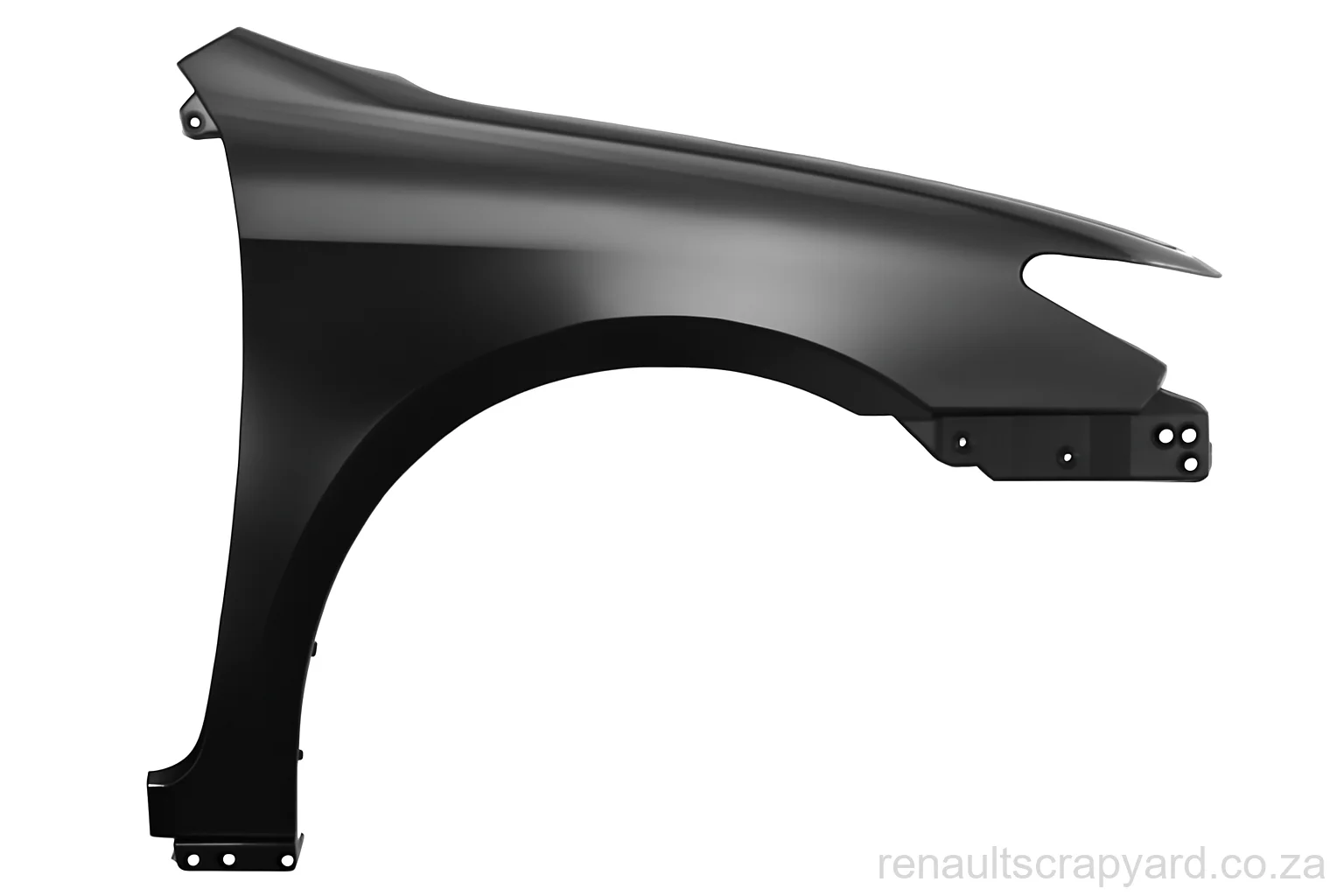
What Are Hyundai Accent Left Front Fender?
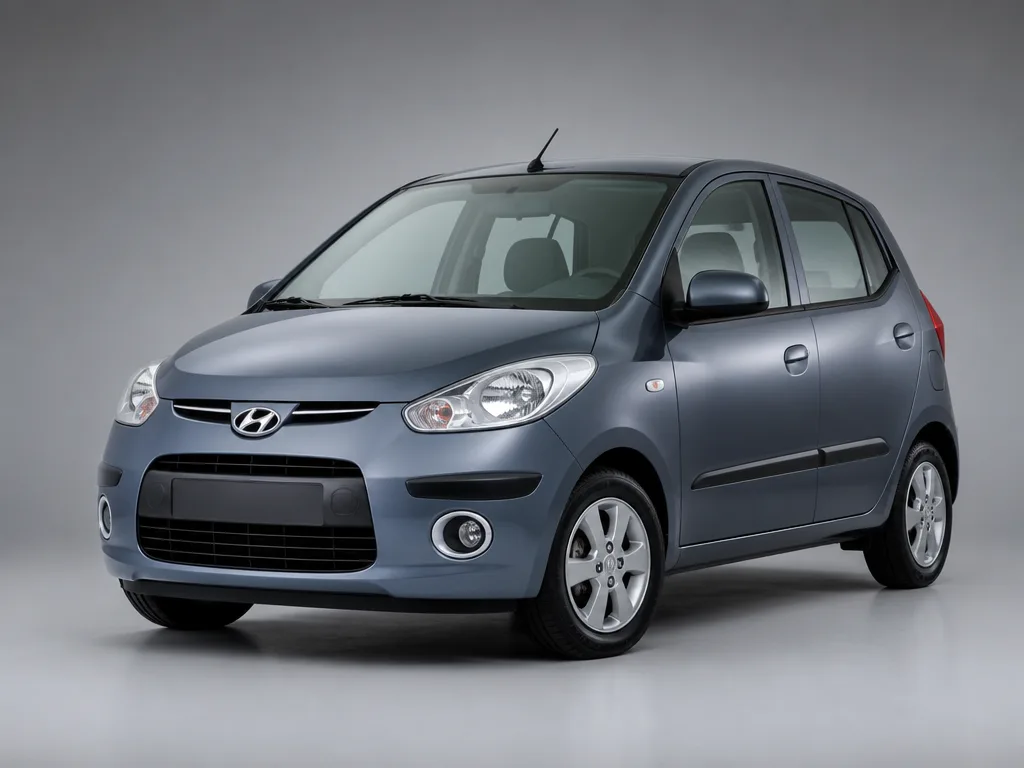
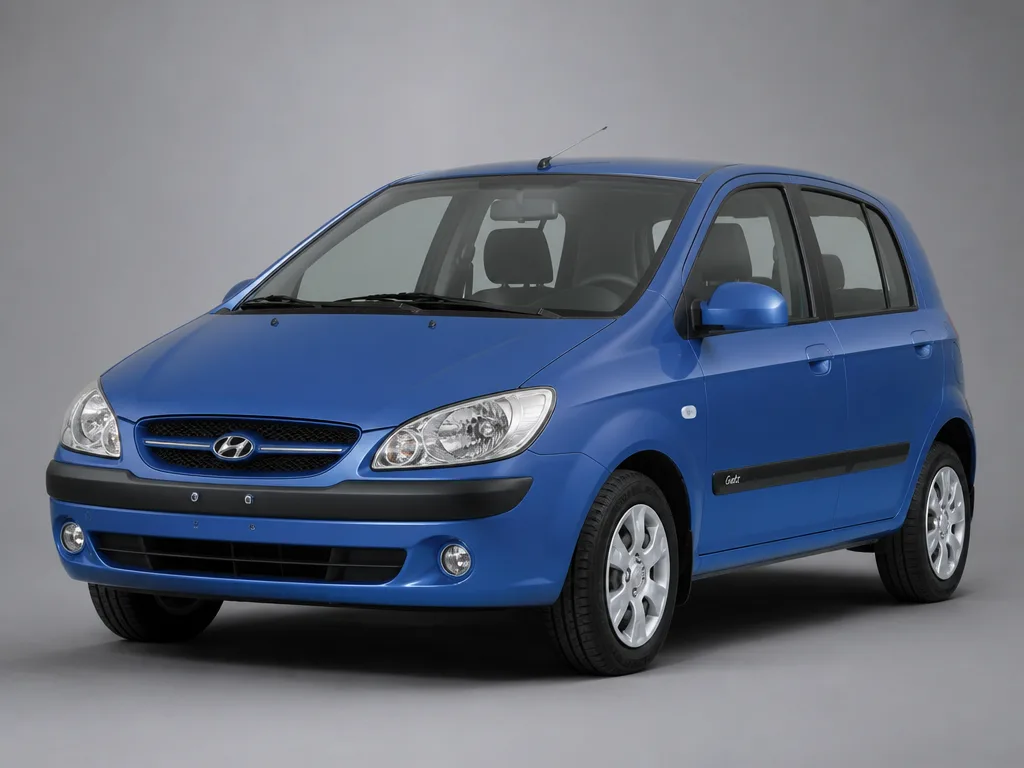
The left front fender on a Hyundai is the steel wing panel covering the passenger-side front wheel and engine bay. On Getz N and i20 we see fender dents from kerbs and car-park bumps, plus rust at the lower edge where mud builds up behind the liner.
Signs You Need New Left Front Fender
Accent Left Front Fender: what actually decides fitment
What changes across the range
Sold here across X3, LC, MC and RB, the Accent is not one car for parts purposes — it is several.
The Accent ran for so long in South Africa that the same name covers four distinct platforms — the change from the Alpha to the Gamma petrol family is the single biggest fitment dividing line.
Worth knowing: the Accentthe RB generation is a close relative of the Kia Rio of the same era.
What we check on left front fender
- •The generation code, because Accent parts lists split on it
- •The engine family — this Accent was sold with Alpha 1.5/1.6 (X3, LC), Alpha II 1.6 (MC), Gamma 1.6 (RB) and U-line 1.5/1.6 CRDi on selected RB-era derivatives
- •The generation code, whether the car is pre- or post-facelift, and the paint code
- •Whether the car is pre- or post-facelift within its generation
In South Africa the Accent is mostly one of the deepest used-parts pools of any Hyundai in the country, which is exactly why sourcing to the correct generation matters more here than on a newer car. That is the wear pattern we stock and source against.
Before You Order Accent Left Front Fender
Will left front fender from another Accent fit mine?
Not automatically. The Accent sold in South Africa as X3, LC, MC and RB, and the Accent ran for so long in South Africa that the same name covers four distinct platforms — the change from the Alpha to the Gamma petrol family is the single biggest fitment dividing line. Send us the generation code off your VIN plate and we will confirm it either way before anything is dispatched.
How do you check left front fender actually fits a Accent?
We work backwards from the VIN: generation first, then engine family, then whether the car is pre- or post-facelift within that generation. On the Accent specifically, the Accent ran for so long in South Africa that the same name covers four distinct platforms — the change from the Alpha to the Gamma petrol family is the single biggest fitment dividing line.
How much does a Hyundai front fender cost in South Africa?
A Hyundai Getz N front fender sits at around R700. I20, Accent used fenders typically run R550-R2,500 at Pro Hyundai Spares and across our supplier network. Colour match saves the respray cost.
How much does it cost to replace a front fender on a Hyundai?
Fitted and painted through an SA panel shop, budget R2,600-R6,300 for a used colour-matched fender on most i20, Accent models. New panels cost more and still need blending. Get a free quote with photos.
Does Hyundai cover fender rust under warranty?
Hyundai's body perforation cover is typically 12 years from rust-through originating behind the paint. Impact-caused rust or kerb scrapes do not qualify. Raise any warranty rust claim with your Hyundai dealer before replacing the panel.
Can a dented Hyundai fender be repaired instead of replaced?
Small, crease-free dents often pop out with paintless dent repair for a few hundred Rand. Sharp creases or paint cracks usually mean panel-beating, filler and respray. Used colour-matched panels can work out cheaper than a big repair.
How long does it take to replace a Hyundai front fender?
A straight swap with a pre-painted panel is a 2-3 hour job. Add 3-5 days if the panel needs painting and blending into the door. Aligning the headlight, bumper line and bonnet gap takes most of the time.
Learn More About Hyundai Accent Left Front Fender
Let us confirm the left front fender before you buy
Photos of the old part and your VIN are usually all we need. We confirm the left front fender against your Accent before quoting, not after.