



Hyundai Accent Heater Cores
Whether your Accent is an early or late build, we match the heater cores to your derivative rather than to the badge
What Are Hyundai Accent Heater Cores?
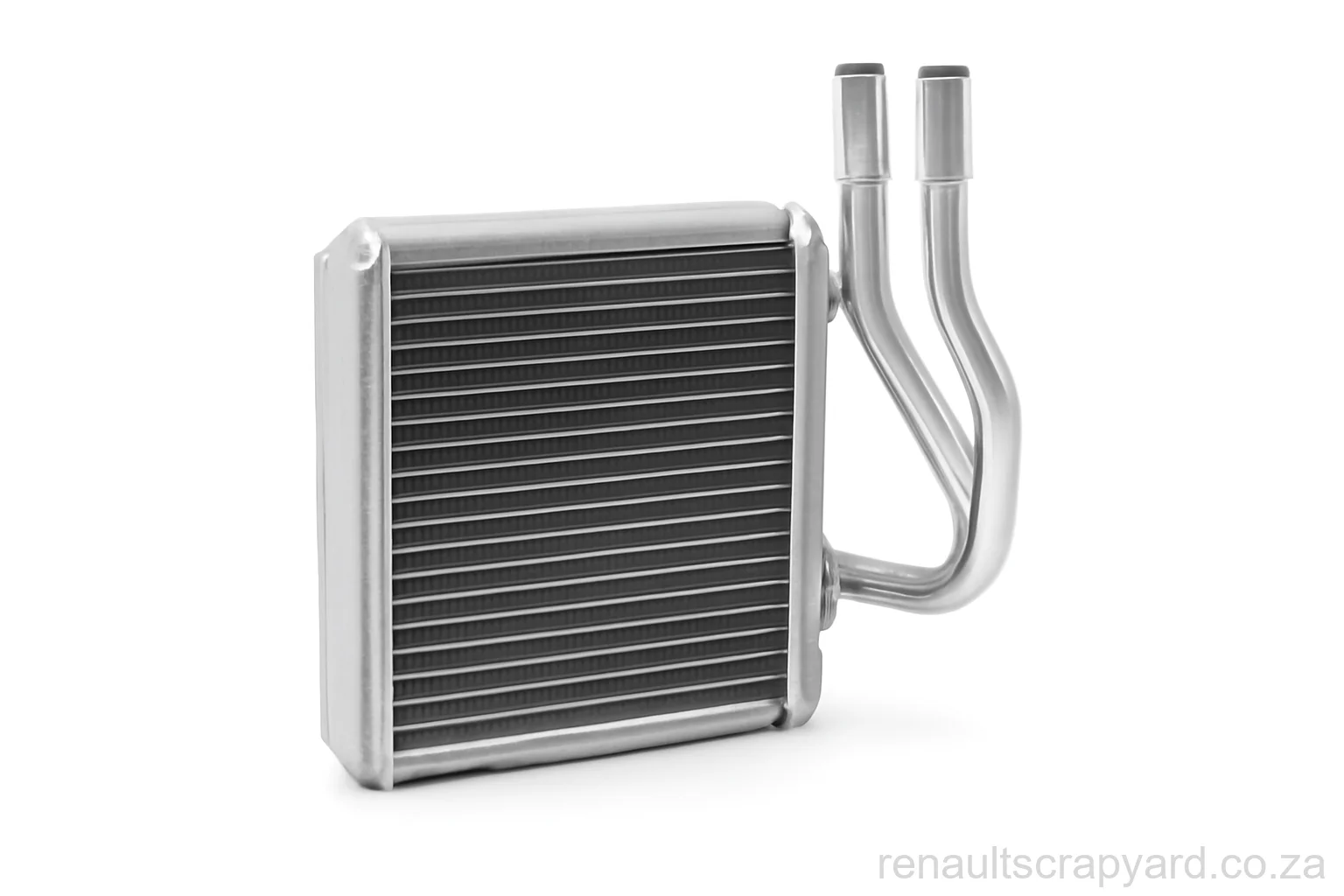
The heater core is a small radiator hidden behind the dashboard that uses engine coolant to warm the cabin. On Hyundai Accent and Creta and their Kia platform-mates, we see the matrix block with debris or weep coolant behind the carpets as the plastic end tanks age.
Signs You Need New Heater Cores
What a parts desk needs to know about your Accent
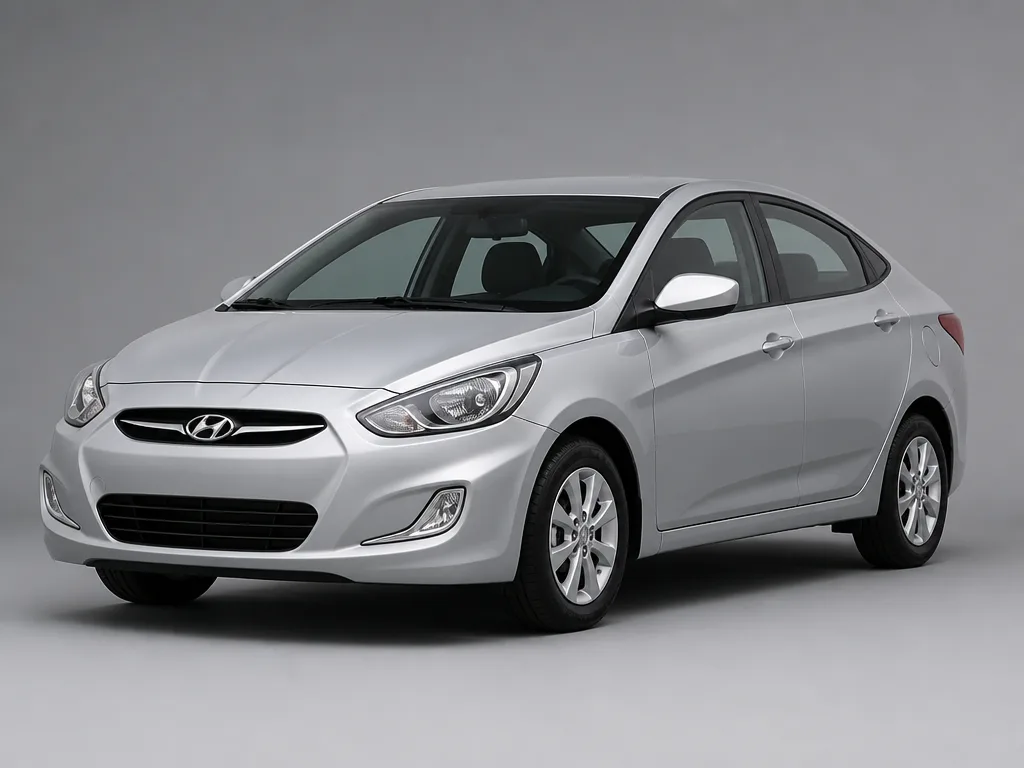
Accent owners are usually surprised by how much turns on the generation code — X3, LC, MC and RB all sold here.The Accent ran for so long in South Africa that the same name covers four distinct platforms — the change from the Alpha to the Gamma petrol family is the single biggest fitment dividing line.
- 1
Find the generation code on your Accent — it appears on the VIN plate and on the original registration paperwork.
- 2
Confirm the engine family. The Accent ran Alpha 1.5/1.6 (X3, LC), Alpha II 1.6 (MC), Gamma 1.6 (RB) and U-line 1.5/1.6 CRDi on selected RB-era derivatives in this market.
- 3
Send both to us with the heater cores you are after , along with petrol or diesel, and whether the car has air conditioning. We match it before we quote, not after.
Sourcing note: the Accentthe RB generation is a close relative of the Kia Rio of the same era — which widens where we can look when local stock is thin.
In South Africa the Accent is mostly one of the deepest used-parts pools of any Hyundai in the country, which is exactly why sourcing to the correct generation matters more here than on a newer car. That is the wear pattern we stock and source against.
Before You Order Accent Heater Cores
Will heater cores from another Accent fit mine?
Not automatically. The Accent sold in South Africa as X3, LC, MC and RB, and the Accent ran for so long in South Africa that the same name covers four distinct platforms — the change from the Alpha to the Gamma petrol family is the single biggest fitment dividing line. Send us the generation code off your VIN plate and we will confirm it either way before anything is dispatched.
How do you check heater cores actually fits a Accent?
We work backwards from the VIN: generation first, then engine family, then whether the car is pre- or post-facelift within that generation. On the Accent specifically, the Accent ran for so long in South Africa that the same name covers four distinct platforms — the change from the Alpha to the Gamma petrol family is the single biggest fitment dividing line.
What are the symptoms of a bad heater core in a Hyundai?
Sweet-smelling fog on the windscreen, damp front carpets and a heater that blows cold all point to a leaking or blocked core. On Accent and Creta we often find the passenger-side floor is soaked before the driver notices.
How much does it cost to replace a Hyundai heater core?
Budget R8,650-R28,100 through an SA specialist, because the dashboard has to come out to reach the matrix. Labour is 60-80% of the bill. A full quote with your VIN avoids nasty surprises.
Can you drive a Hyundai with a broken heater core?
Briefly. A leak drops coolant fast and fogs the windscreen, which is unsafe. Bypassing the core with a hose loop is a quick get-you-home, but winters without cabin heat and coolant left in the carpets damage electrics.
Why is my Hyundai heater blowing cold air?
Common causes are a blocked core, a stuck blend-door actuator, low coolant or a failed thermostat. On Accent and Creta the blend motor is a frequent culprit. A bleed and scan usually isolates the fault before stripping the dash.
How long does it take to replace a Hyundai heater core?
Expect 8-12 hours of workshop labour for most Accent, Creta and Santa Fe models. The full dashboard, steering column and HVAC box come out, so it is an all-day job at an accredited indie.
Learn More About Hyundai Accent Heater Cores
Let us confirm the heater cores before you buy
Photos of the old part and your VIN are usually all we need. We confirm the heater cores against your Accent before quoting, not after.