





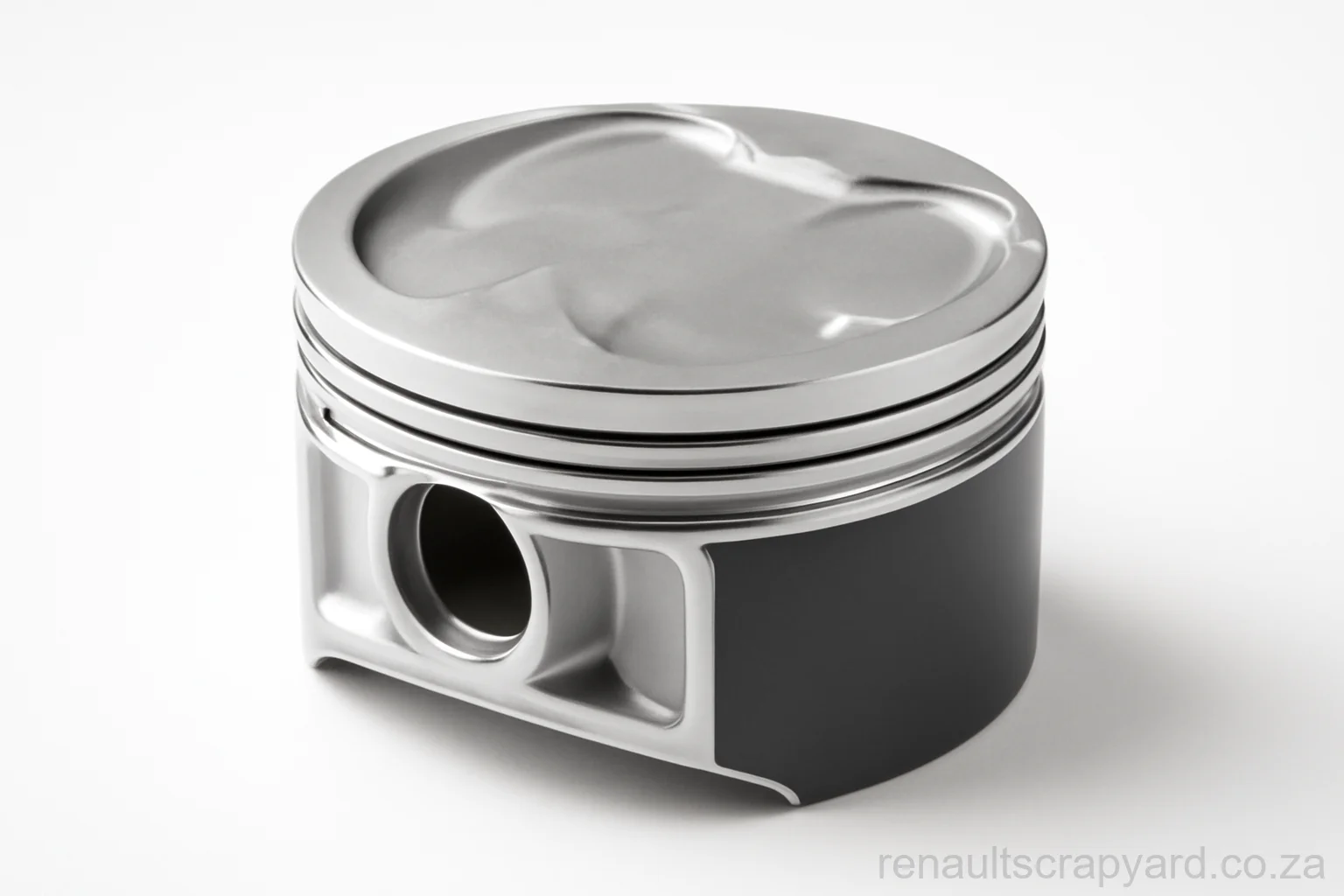
Hyundai Accent Exhaust: Buy Genuine & Aftermarket Parts
Complete exhaust components and performance parts for the Hyundai range matched to the Hyundai Accent and dispatched countrywide with every order tracked
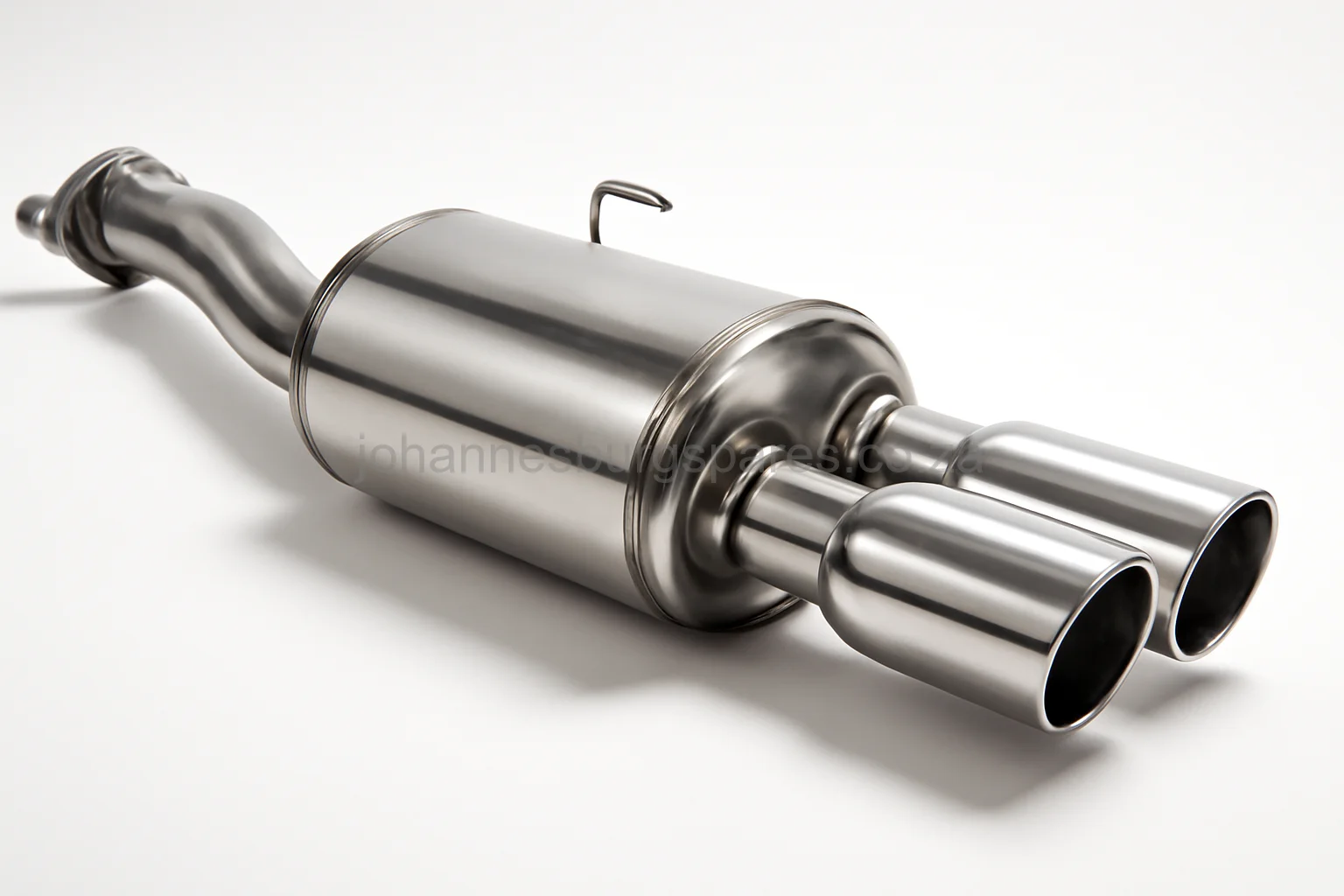
Narrow Down Exhaust for the Accent
The model year and engine code, and which section has failed will settle most of these — pick the component below and we will confirm the rest.
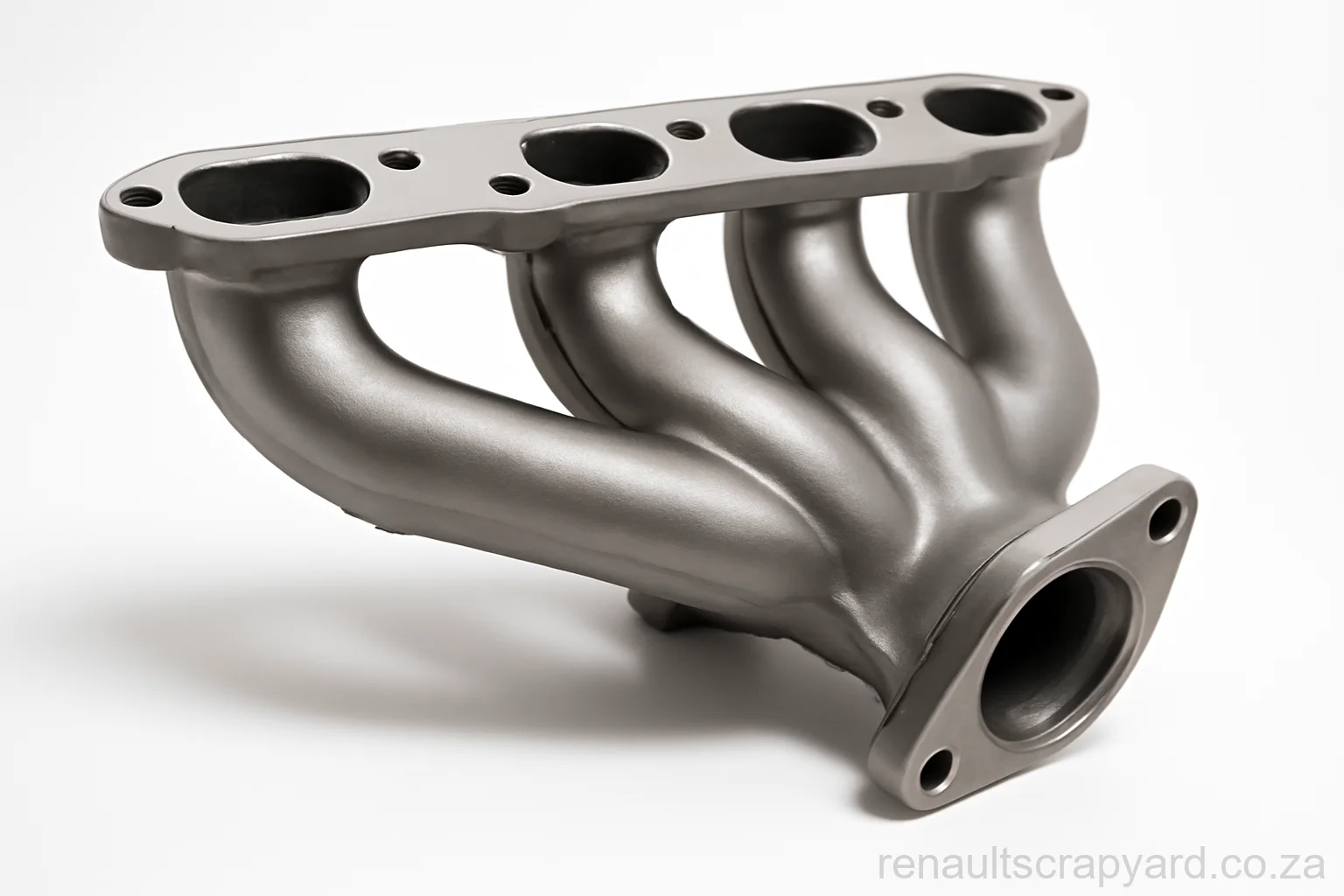
Hyundai Accent Exhaust Manifold
Fast MovingExhaust manifold assemblies that collect gases from Hyundai engines
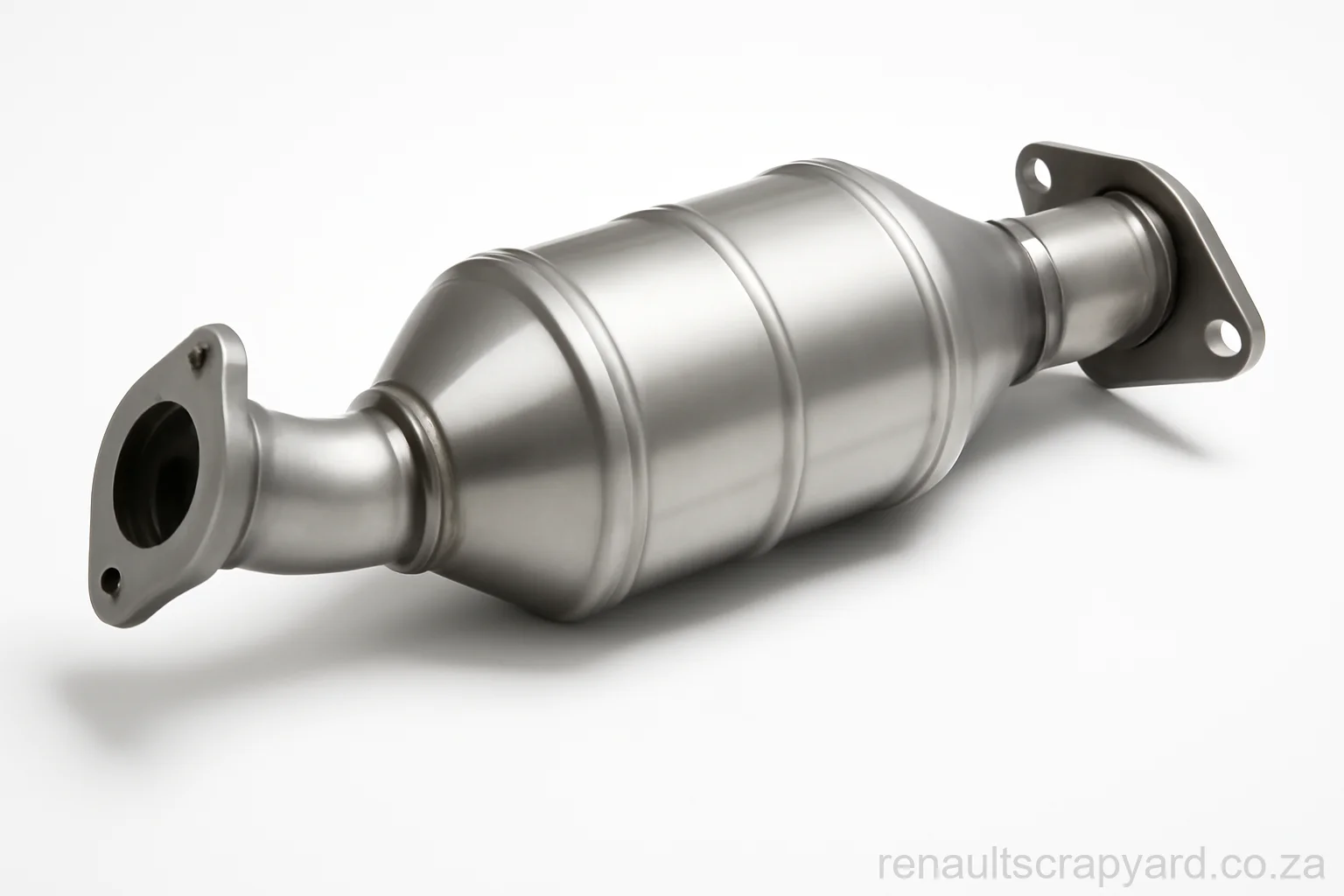
Hyundai Accent Catalytic Converter
Fast MovingCatalytic converters that scrub emissions on Hyundai vehicles
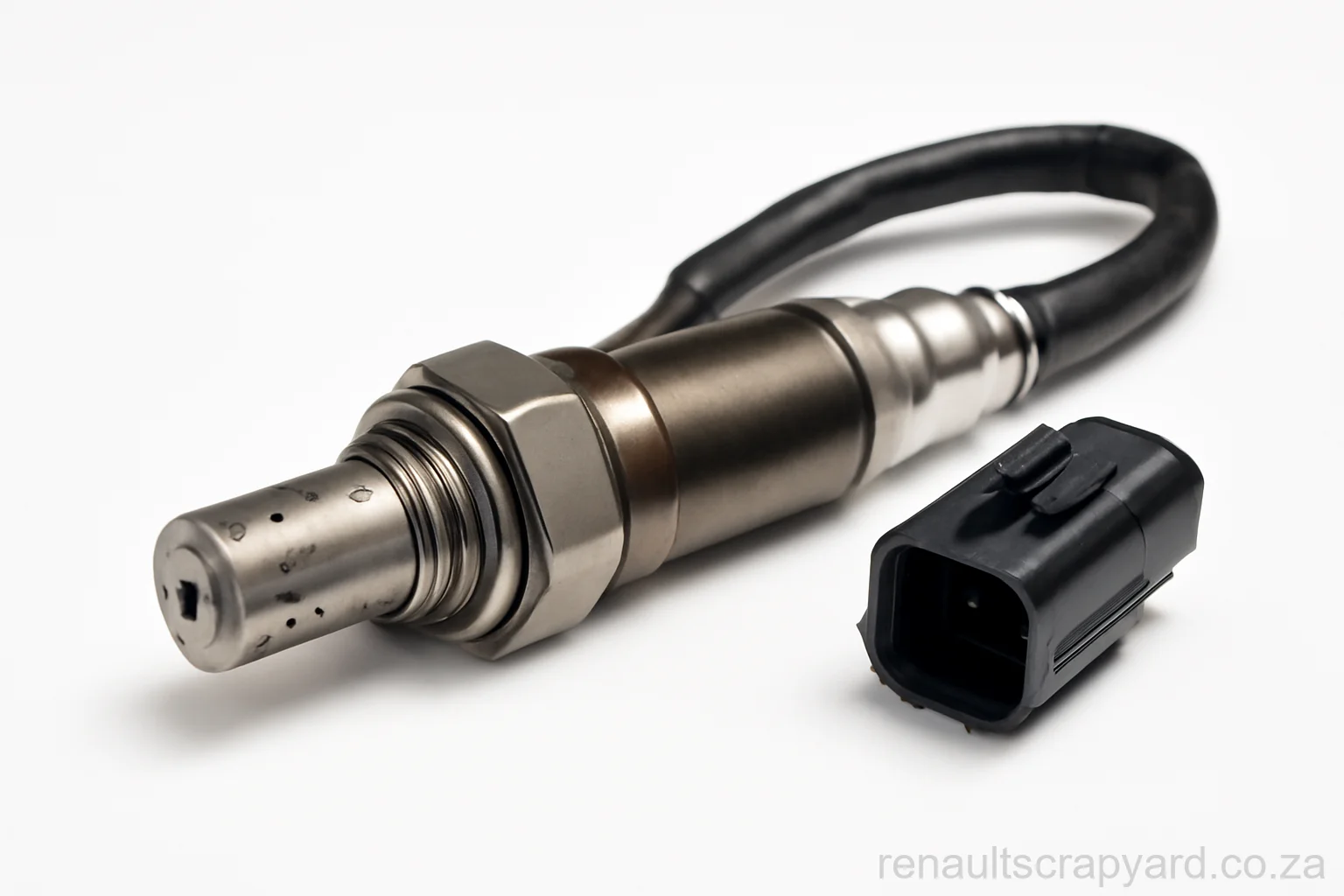
Hyundai Accent Oxygen Sensors
Fast MovingLambda sensors that fine-tune the fuel mixture on Hyundai engines
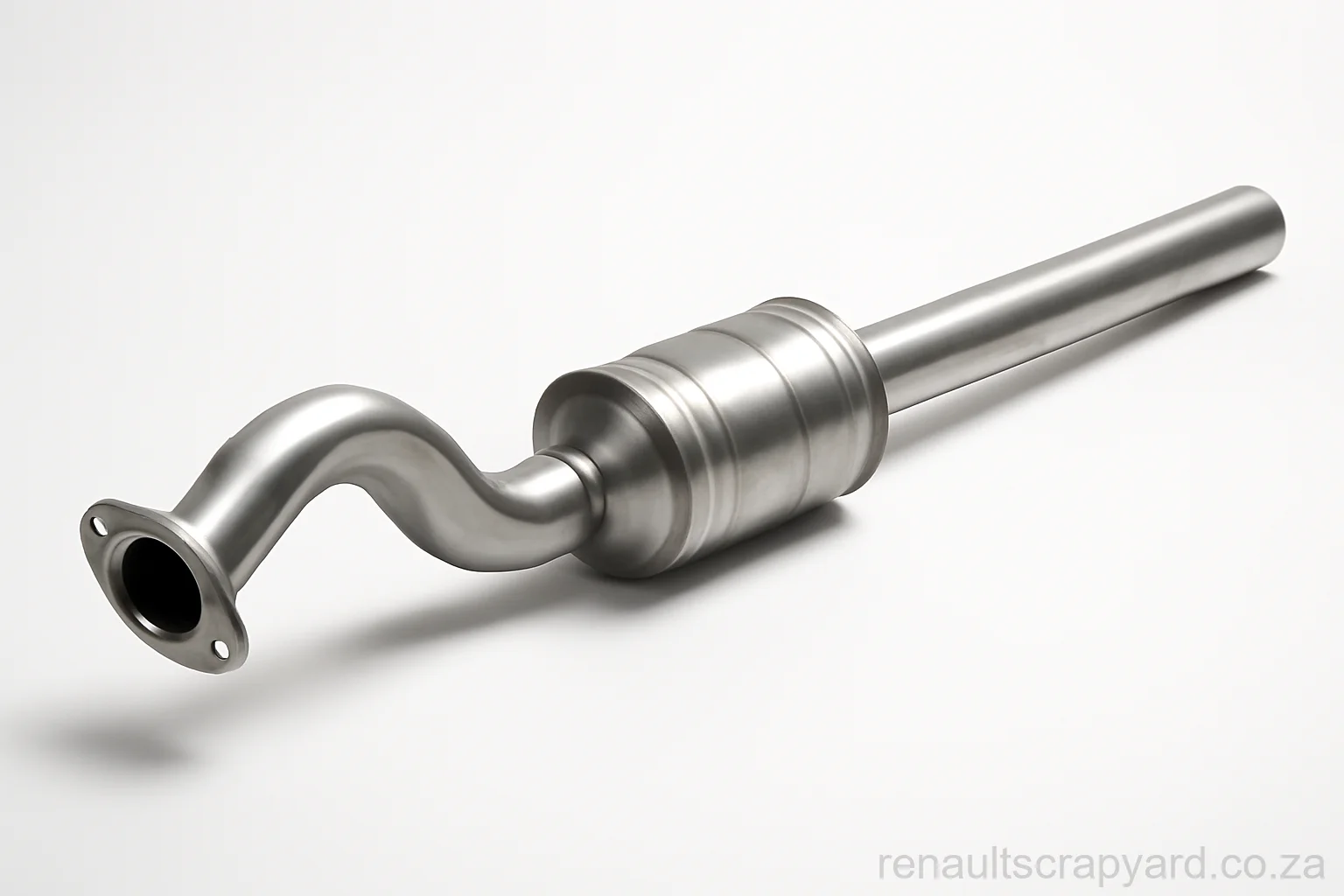
Hyundai Accent Exhaust Pipes
Fast MovingMain exhaust pipe sections and tubing for Hyundai vehicles
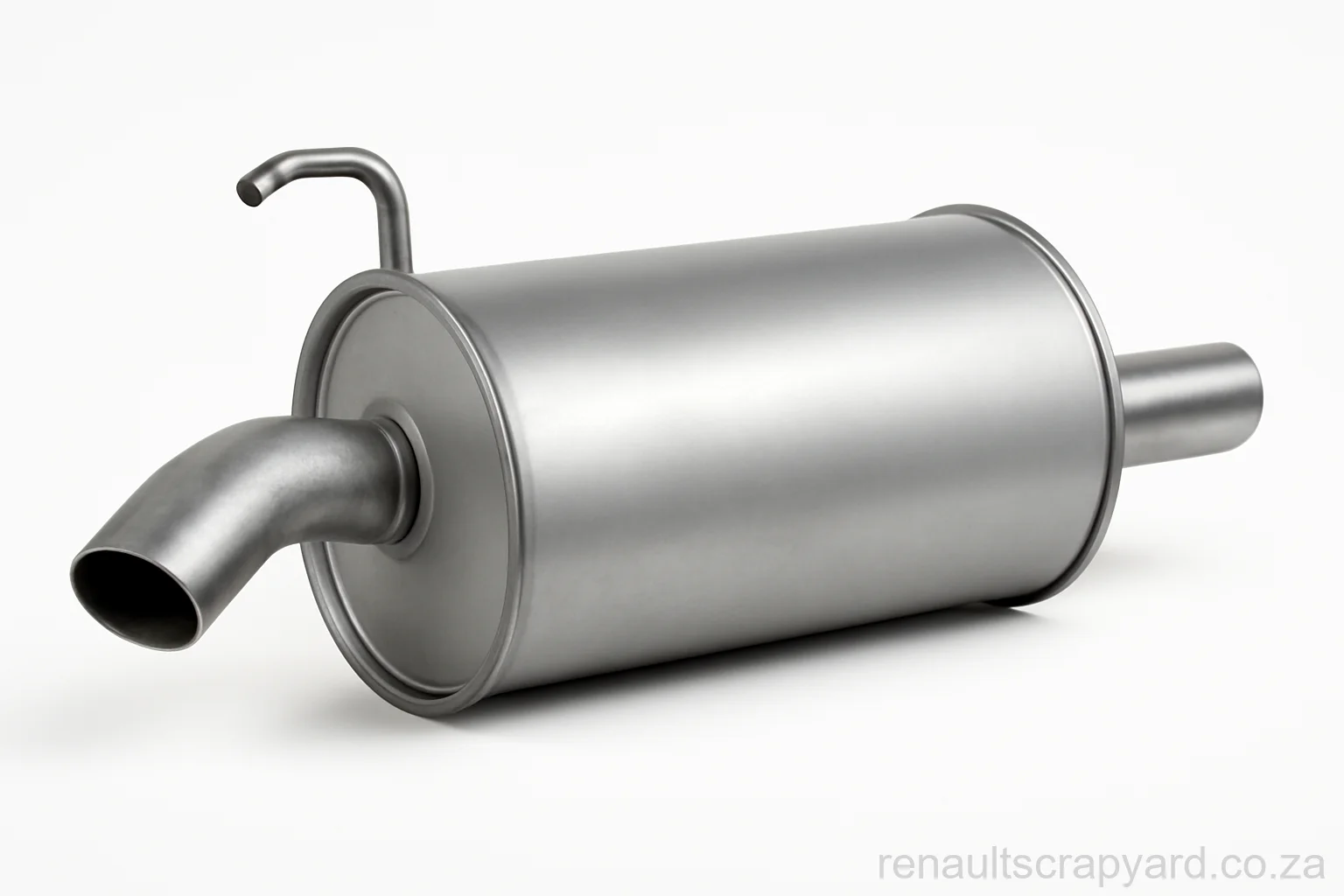
Hyundai Accent Muffler
Fast MovingMufflers and silencers that keep Hyundai exhaust noise in check
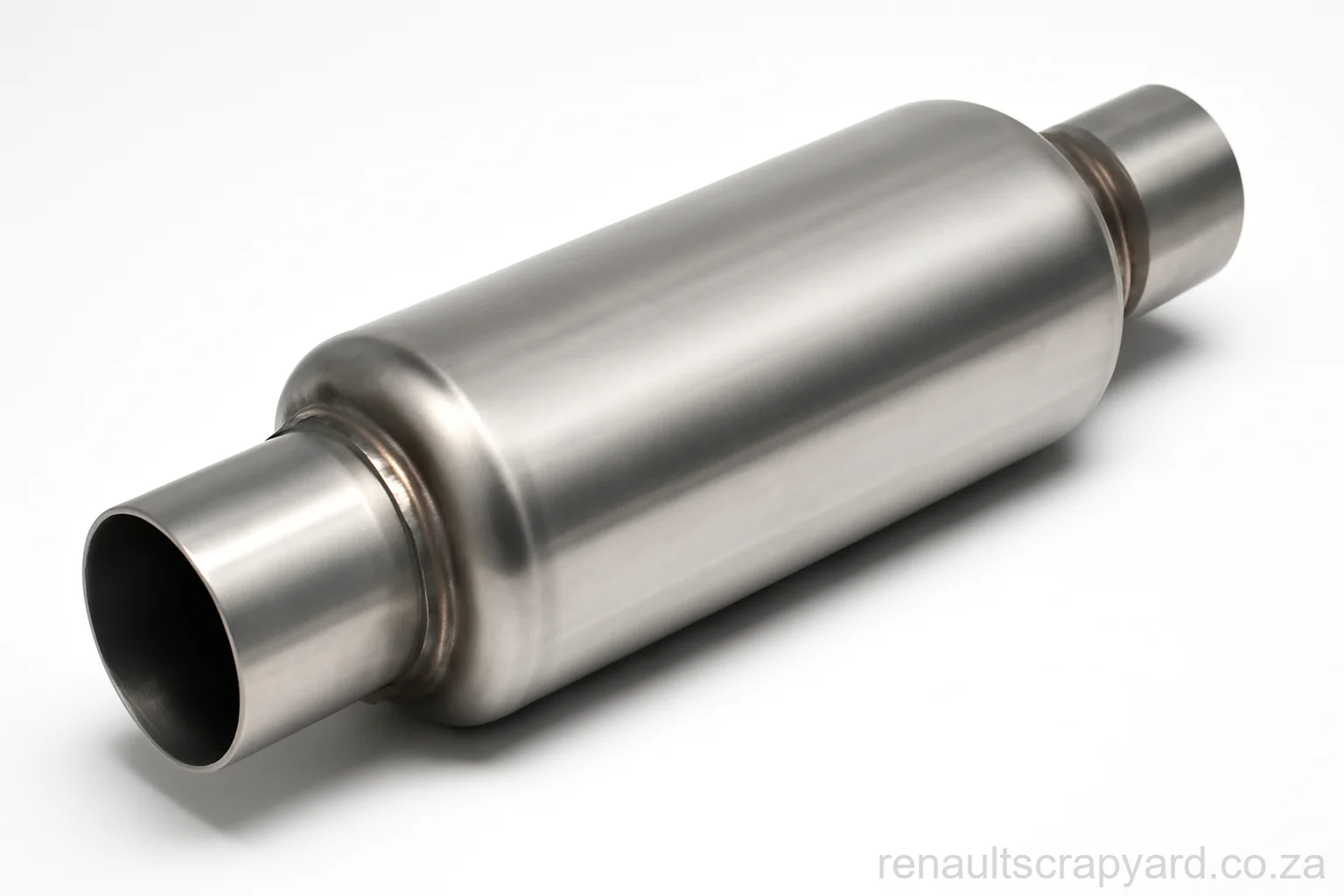
Hyundai Accent Resonator
In DemandExhaust resonators that tune the note on Hyundai vehicles
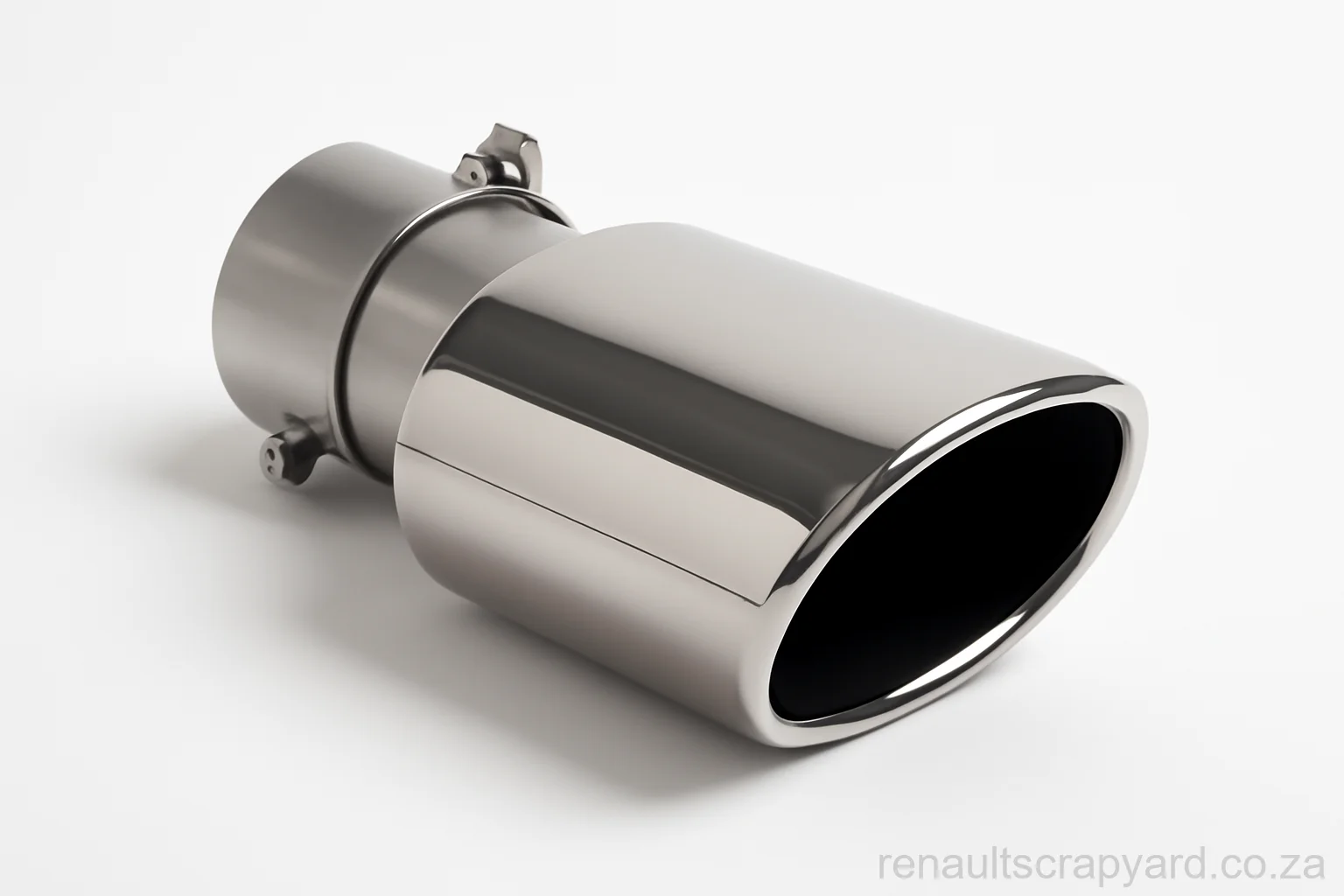
Hyundai Accent Tailpipe
In DemandTailpipes and exhaust outlets that finish off the Hyundai exhaust
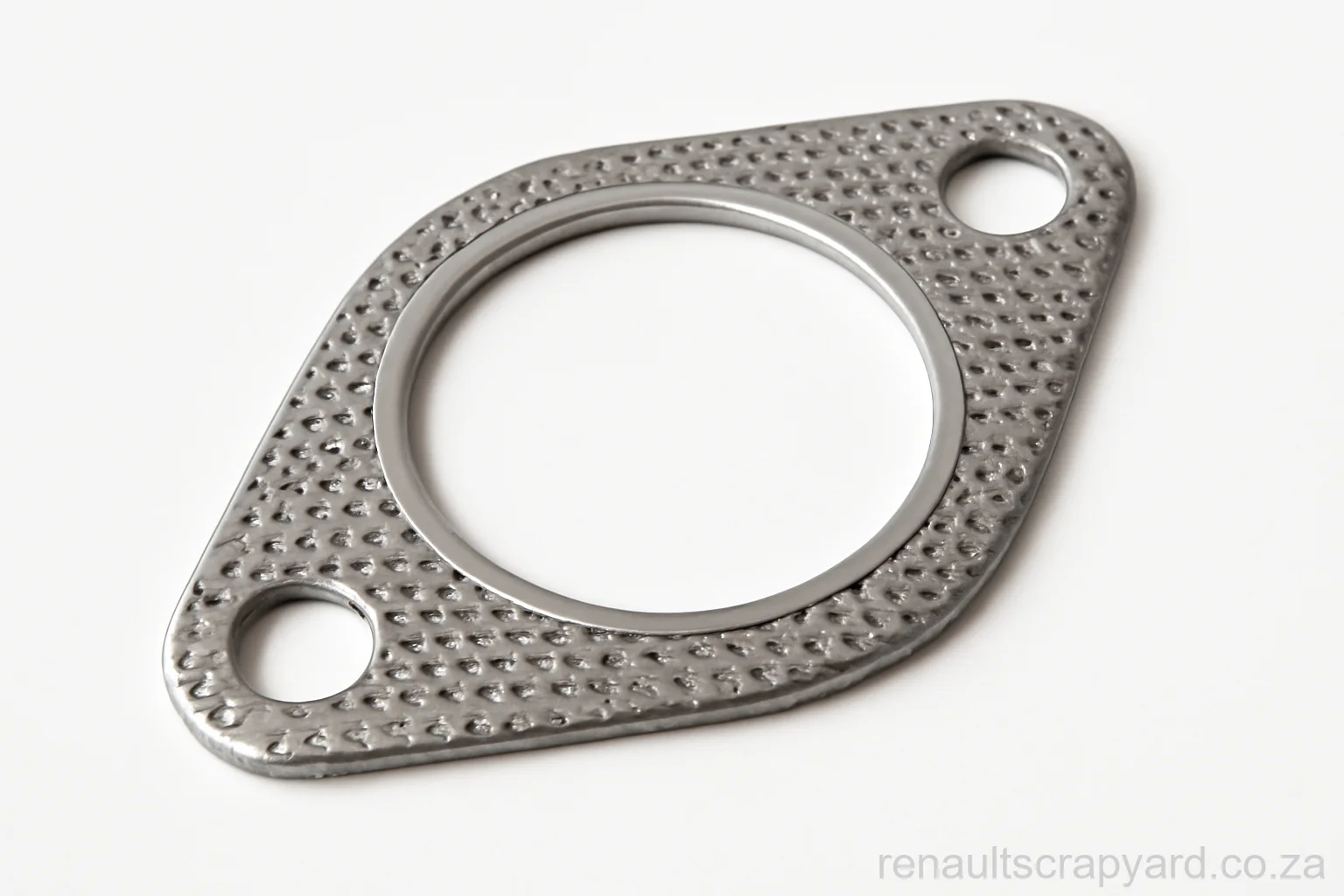
Hyundai Accent Exhaust Gaskets
In DemandExhaust gaskets and seals that keep Hyundai joints leak-free
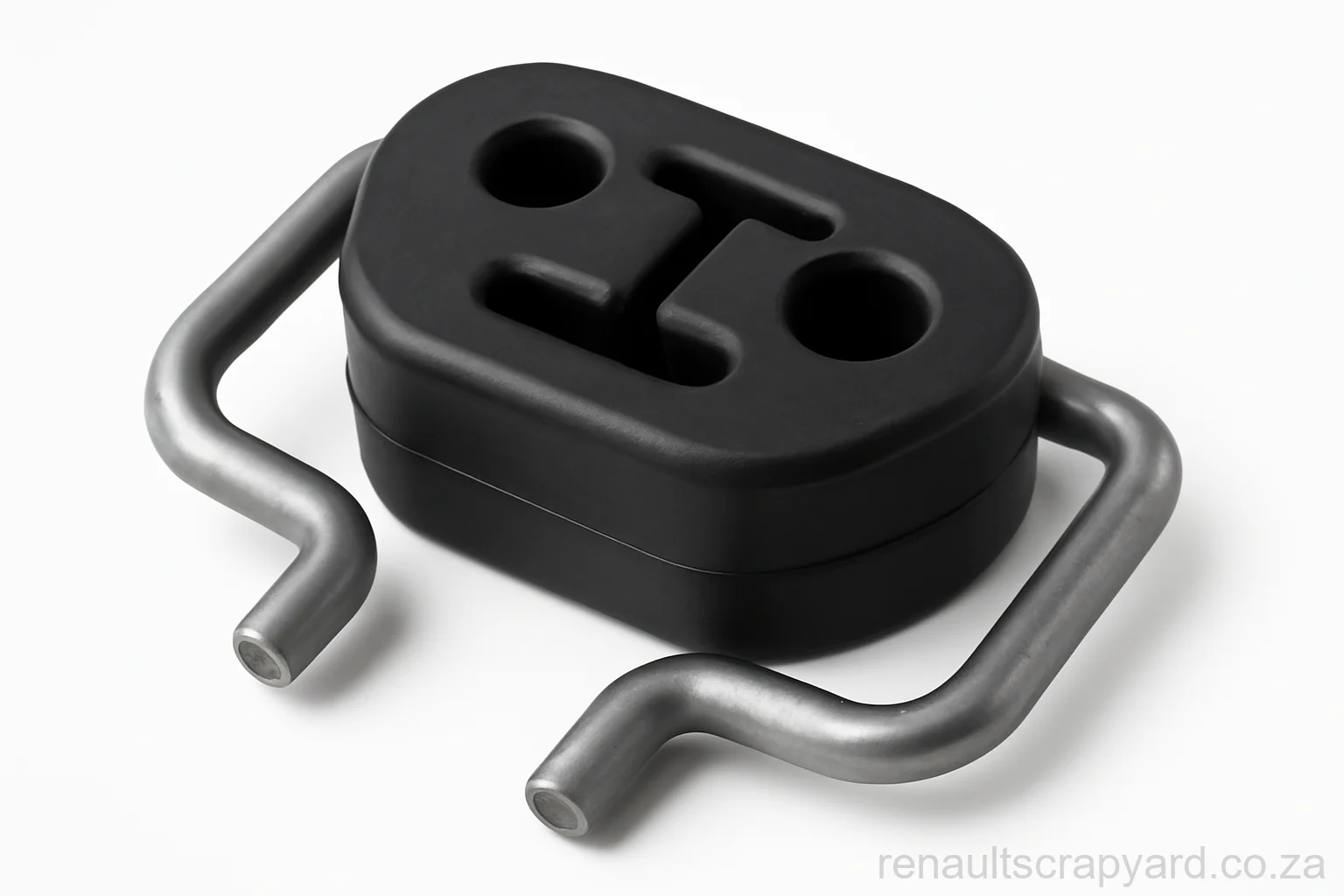
Hyundai Accent Exhaust Hangers
In DemandRubber hangers and brackets that mount the Hyundai exhaust securely
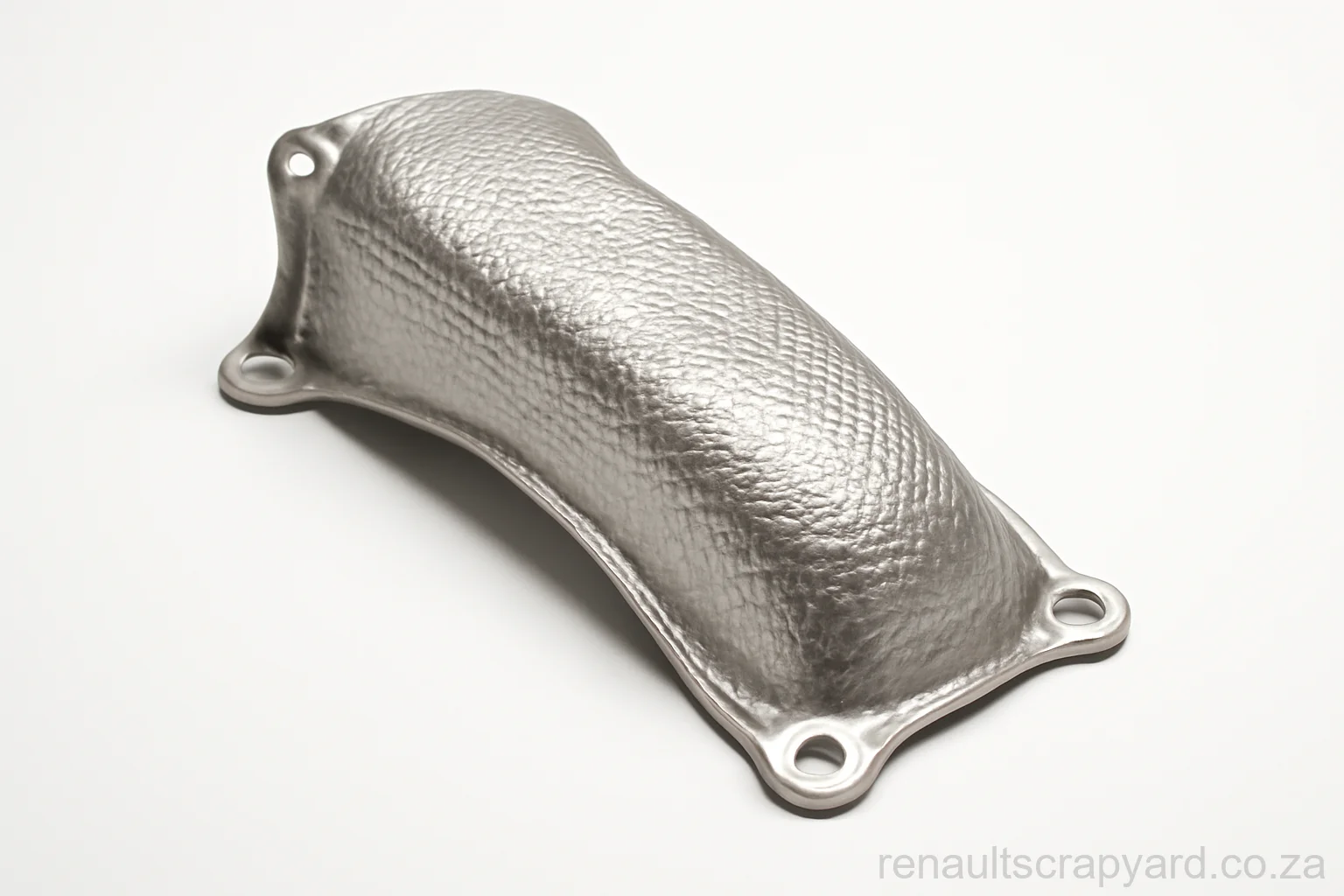
Hyundai Accent Heat Shields
StockedHeat shields that protect surrounding parts from Hyundai exhaust heat
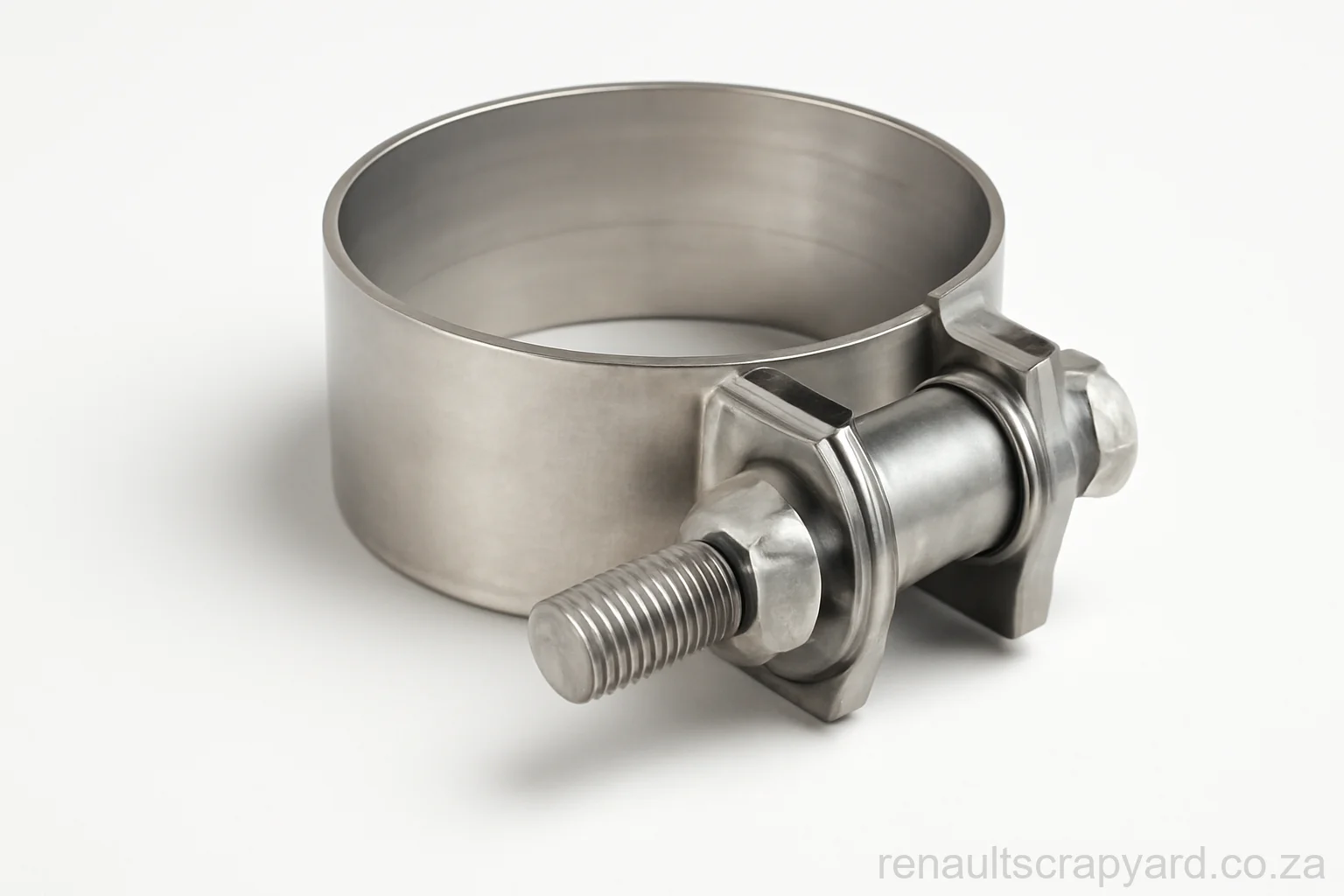
Hyundai Accent Exhaust Clamps
In DemandClamps and fasteners that join Hyundai exhaust pipe sections
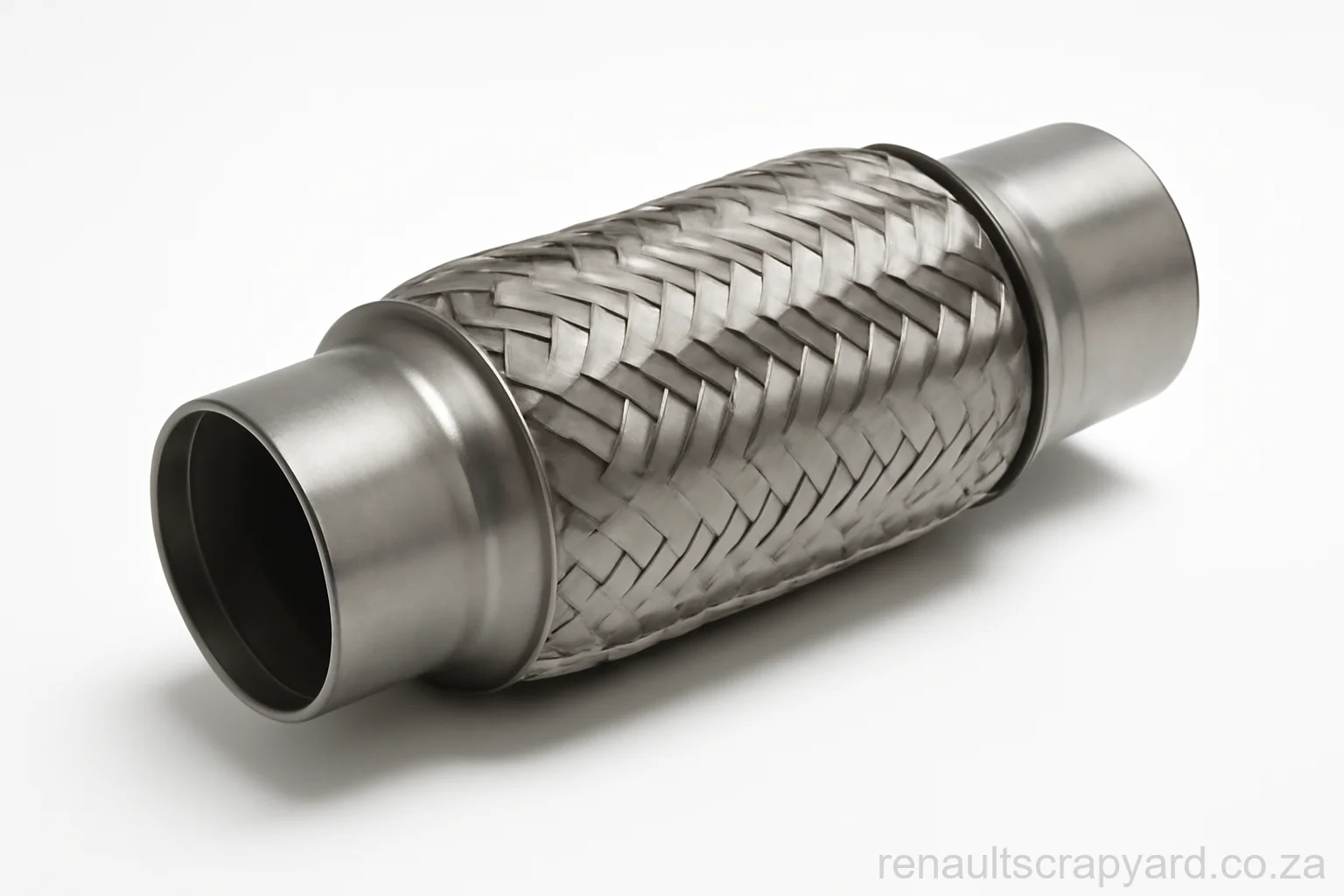
Hyundai Accent Flex Pipe
In DemandFlexible exhaust sections that absorb engine movement on Hyundai vehicles
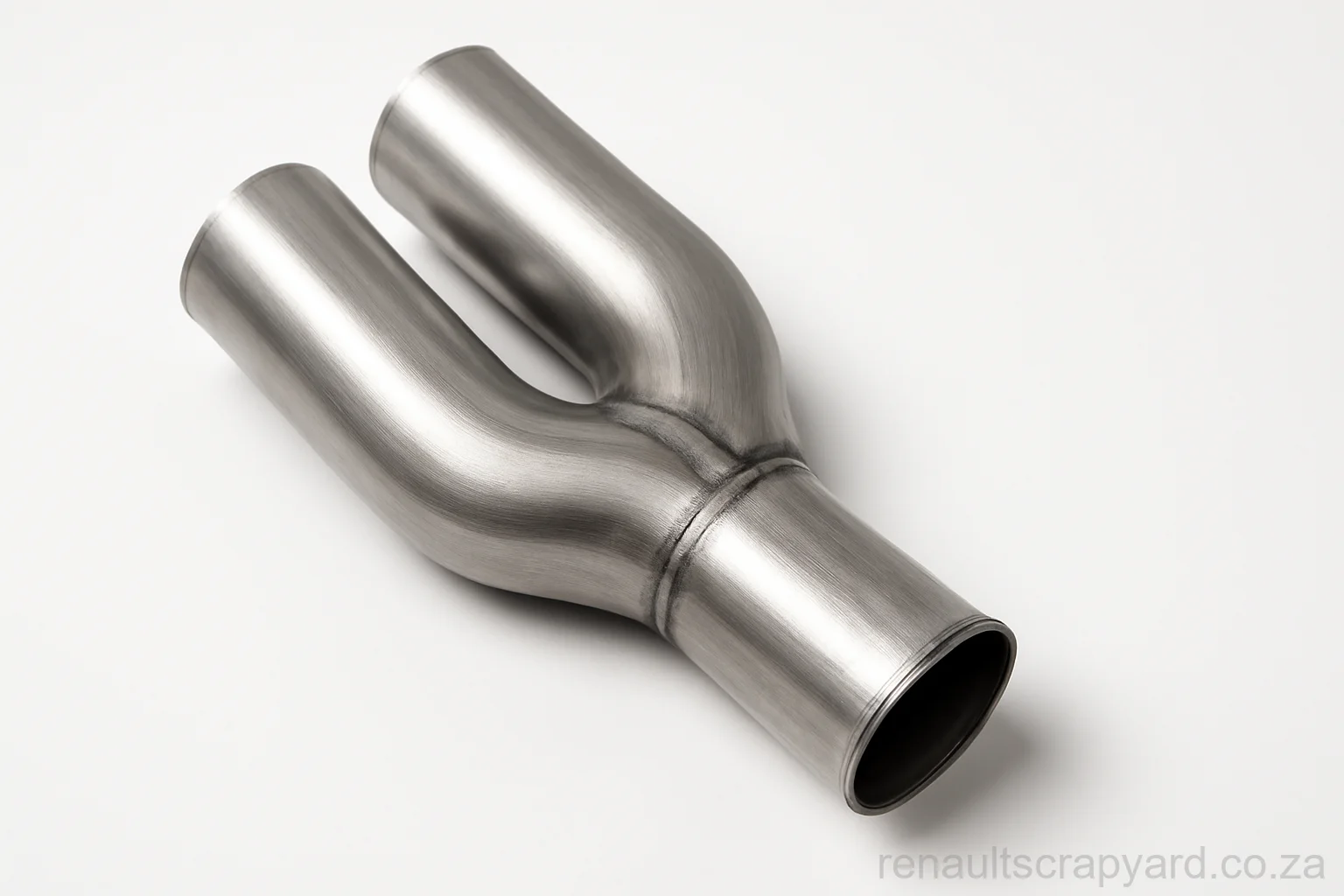
Hyundai Accent Y-Pipe
In DemandY-shaped connectors that split or merge Hyundai exhaust flow
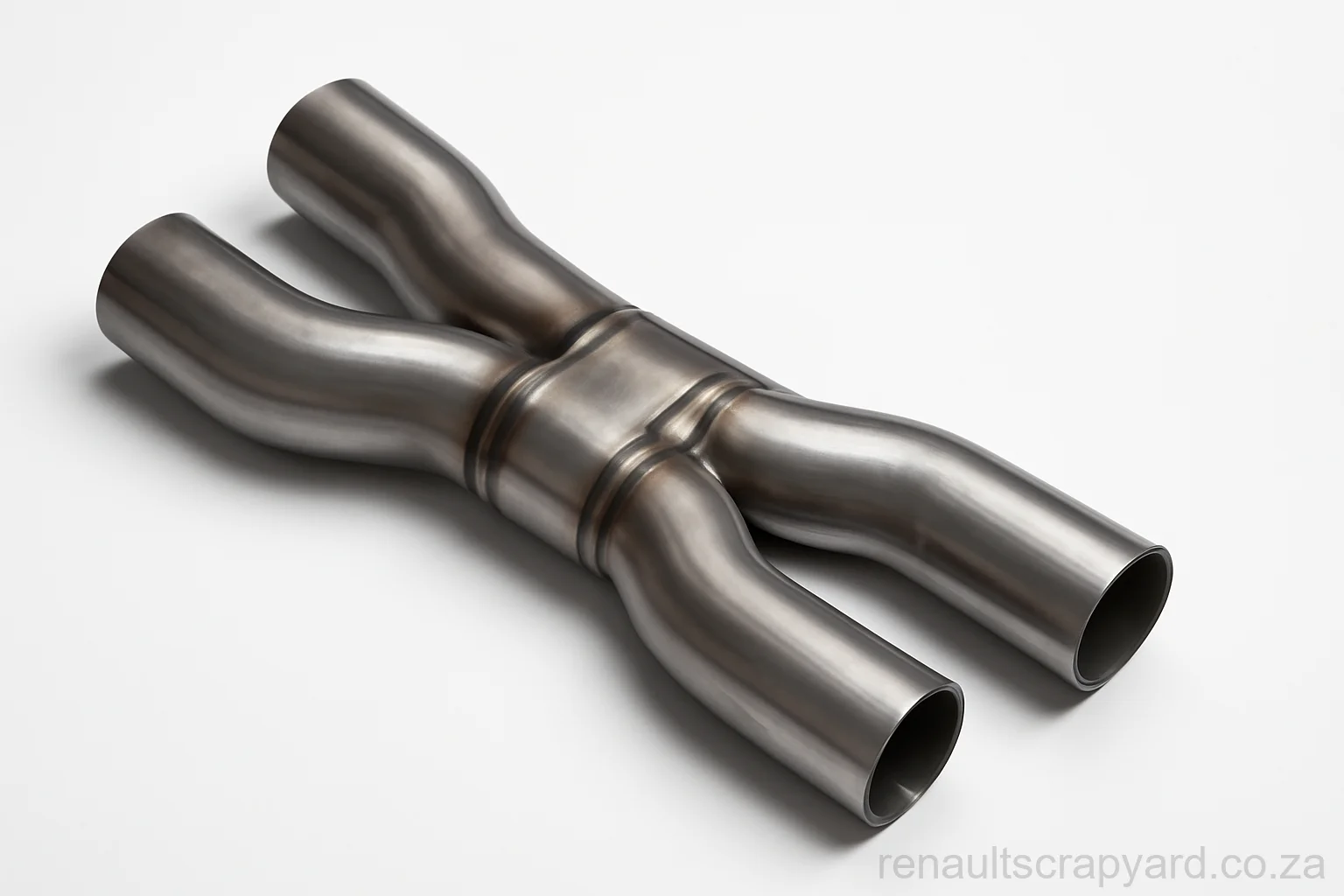
Hyundai Accent H-Pipe
In DemandH-shaped crossover pipes for dual Hyundai exhaust systems
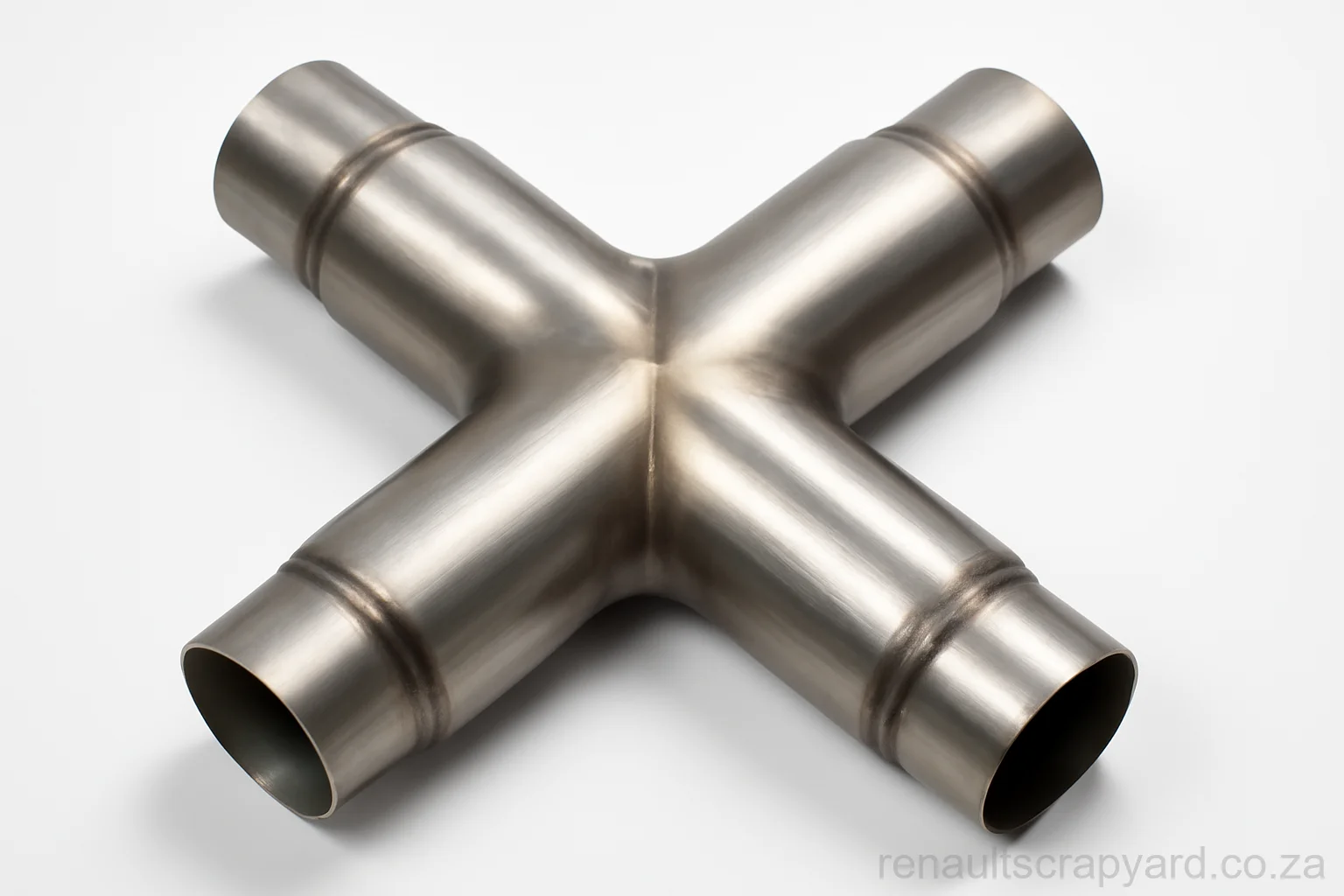
Hyundai Accent X-Pipe
In DemandX-shaped crossover pipes for performance Hyundai exhaust systems
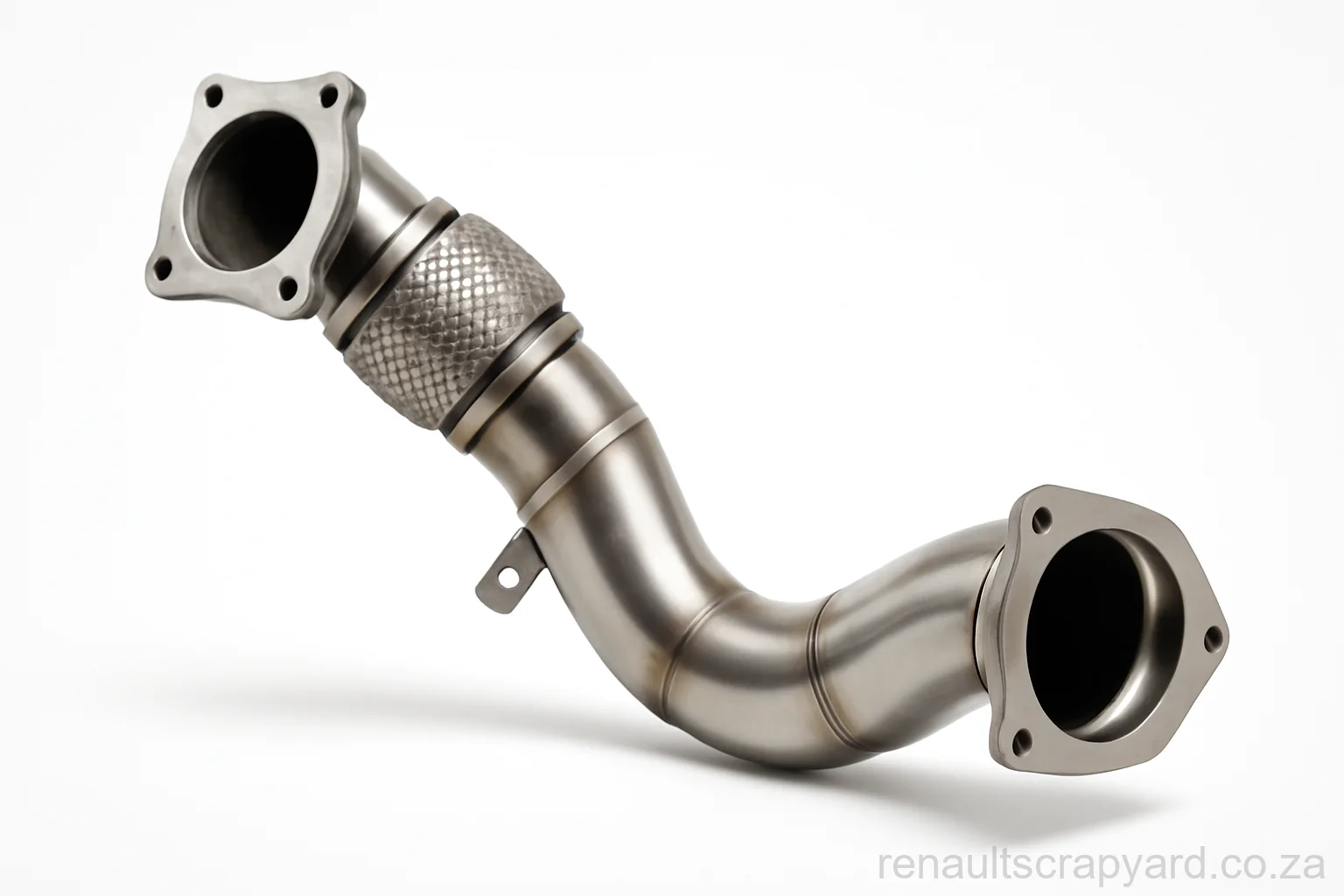
Hyundai Accent Downpipe
Fast MovingTurbo downpipes and outlets for Hyundai CRDi and turbo-petrol engines
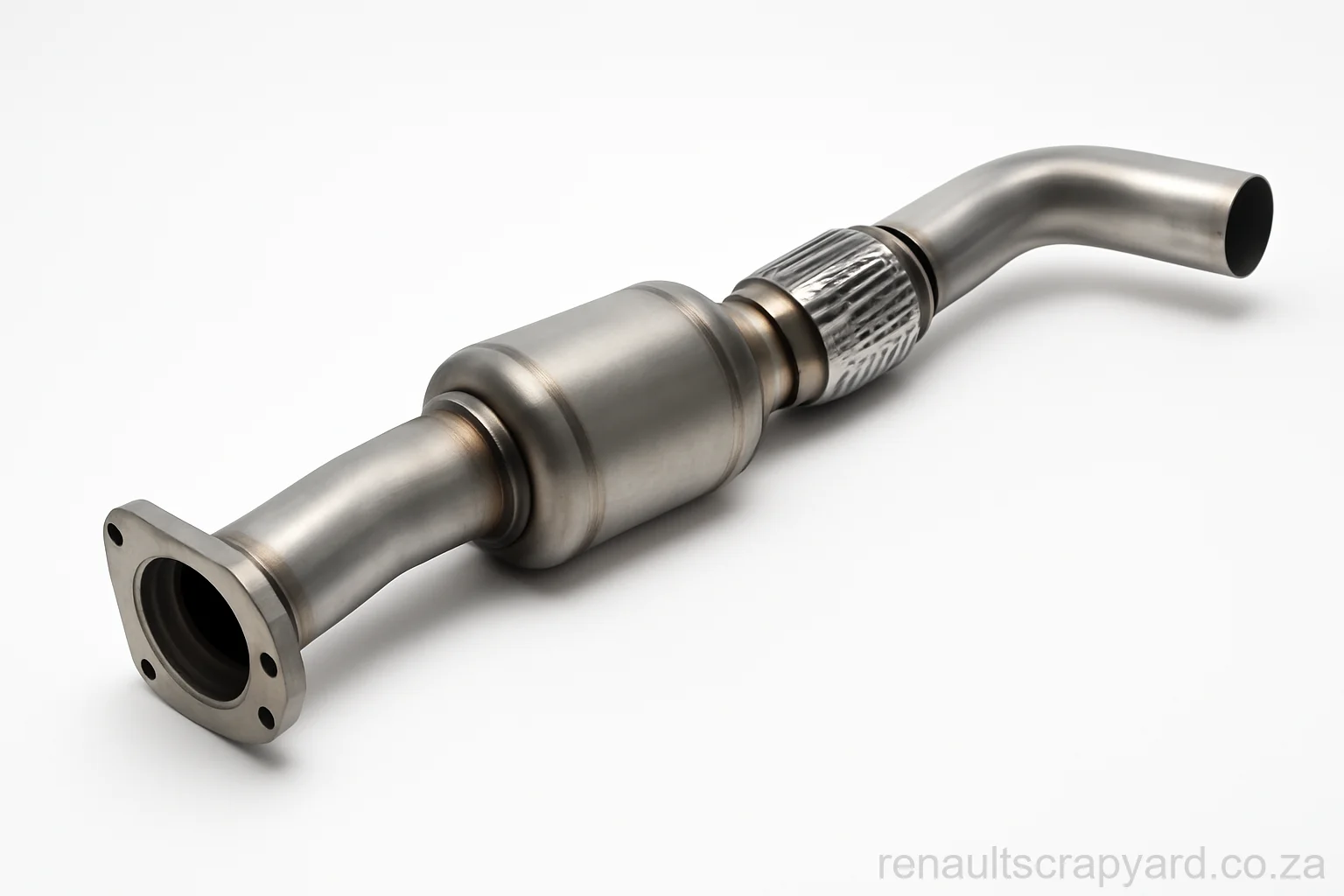
Hyundai Accent Mid-Pipe
In DemandMid-section exhaust pipes that link the front and rear of a Hyundai system

Hyundai Accent Exhaust Tips
StockedExhaust tips and outlets that add a clean finish to a Hyundai
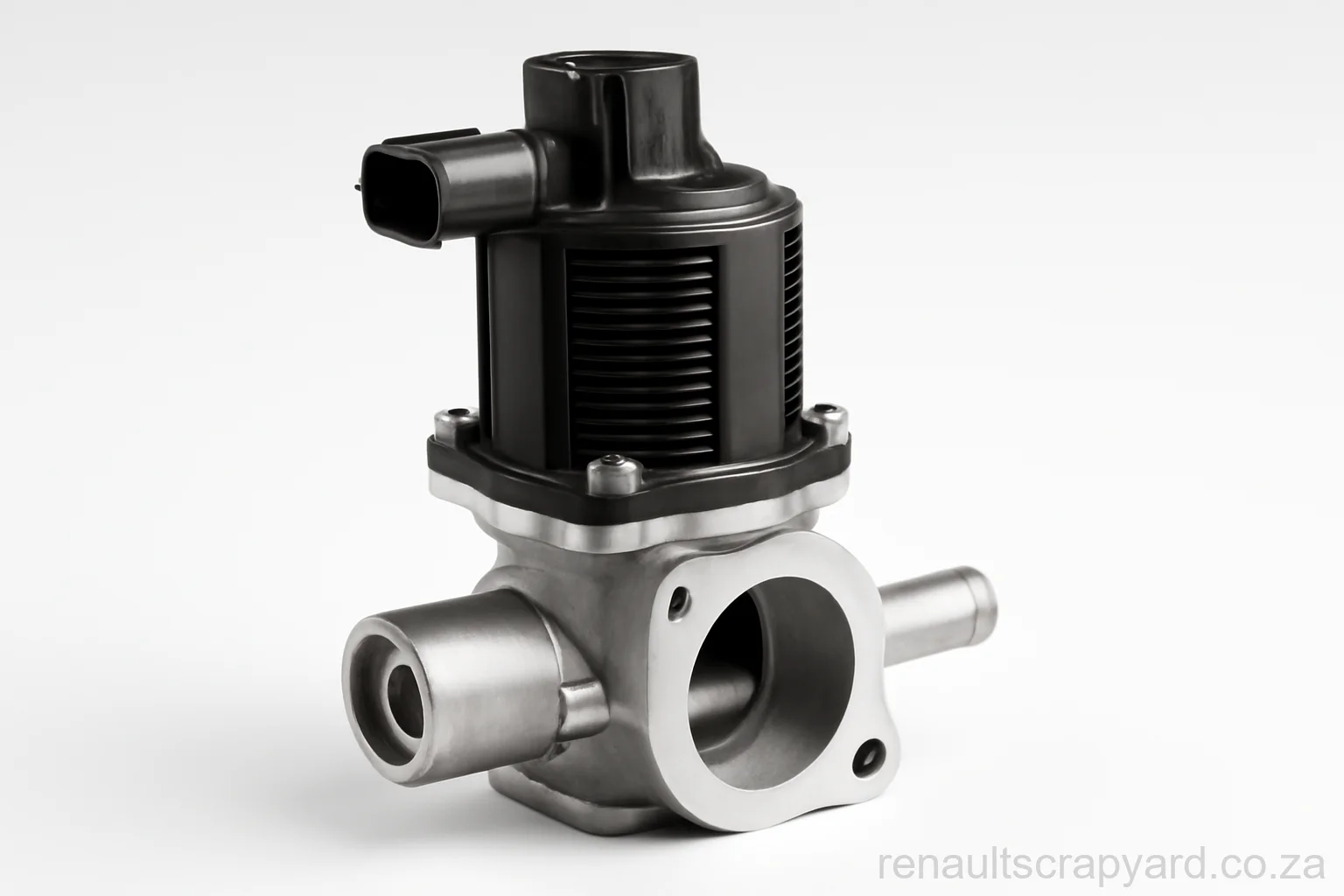
Hyundai Accent EGR Valve
Fast MovingEGR valves that recirculate exhaust gas to cut emissions on Hyundai engines
What Are Hyundai Accent Exhaust?
The exhaust runs from the manifold through the catalytic converter and centre section to the rear box, and its job is as much about back-pressure and emissions compliance as it is about noise. The Hyundai-specific catch is that catalytic converters and oxygen sensors are emissions-standard specific: a part off a different market, or off a different production year of the same model, can bolt straight up and still leave the engine management unhappy. Twin-bank sections — H-pipes and Y-pipes — only exist on the V6 cars sold here; every four-cylinder Kappa, Gamma, Nu, Theta II and CRDi Hyundai runs a single bank.
Corrosion is the failure mode, and where the car lives decides how fast. On the KwaZulu-Natal and Cape coasts salt air attacks from the outside while short-trip condensation attacks from the inside, and the two meet in the middle of a thin-wall centre section. Inland cars generally last longer but fail at the same joints. It is worth knowing before you order that a corroded joint rarely survives being separated, so a single-section repair often turns into an assembly once it is on the hoist. Send us the model year, the engine code and which section has gone.
Signs You Need New Exhaust
SA-Market Accent Derivatives We Supply Exhaust For
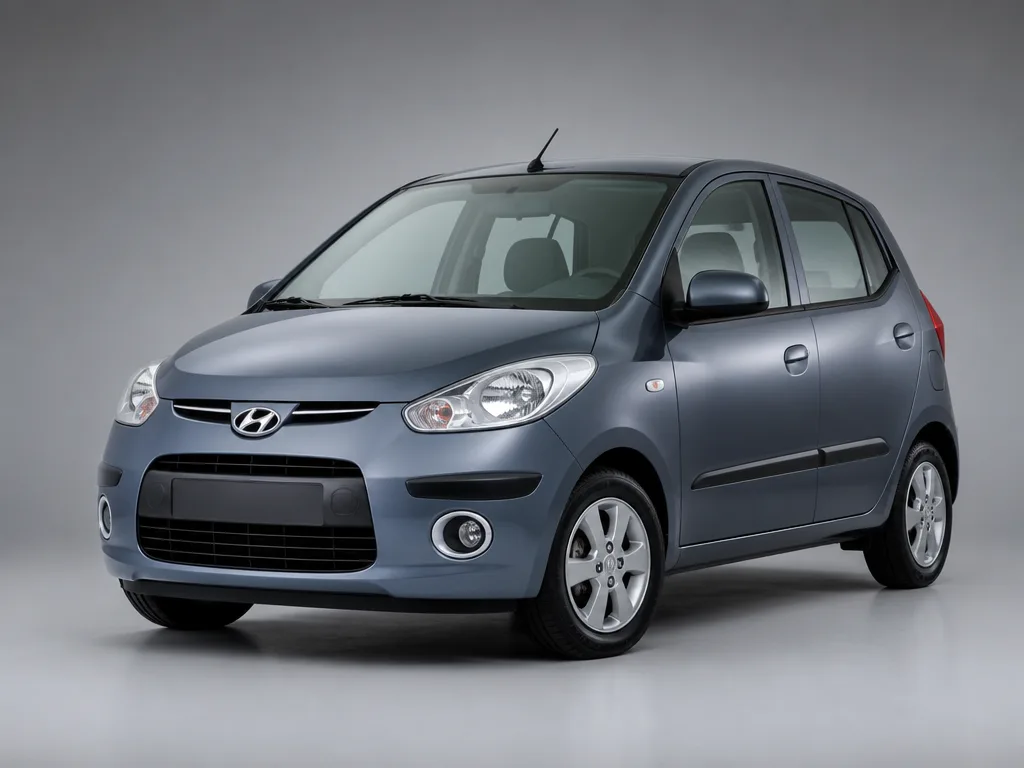
The Accent reached South Africa as X3, LC, MC and RB, running Alpha 1.5/1.6 (X3, LC), Alpha II 1.6 (MC), Gamma 1.6 (RB) and U-line 1.5/1.6 CRDi on selected RB-era derivatives. Exhaust fitment splits on the generation code long before it splits on trim, and again between petrol and CRDi diesel derivatives. The Accent ran for so long in South Africa that the same name covers four distinct platforms — the change from the Alpha to the Gamma petrol family is the single biggest fitment dividing line. Find your derivative below, then send the code from your VIN plate with your enquiry.
- Hyundai Accent X3 1.5
- Hyundai Accent LC 1.6 GLS
- Hyundai Accent MC 1.6 GLS
- Hyundai Accent RB 1.6 GL
- Hyundai Accent RB 1.6 Fluid
Sourcing note: the Accent the RB generation is a close relative of the Kia Rio of the same era, which gives us a second place to look when local stock runs dry.
Before you order exhaust for a Accent
Does one exhaust listing cover every Accent?
No. Ordering exhaust for a Accent starts with the generation: X3, LC, MC and RB.The Accent ran for so long in South Africa that the same name covers four distinct platforms — the change from the Alpha to the Gamma petrol family is the single biggest fitment dividing line.
Which engine is in my Accent?
SA-market cars were sold with Alpha 1.5/1.6 (X3, LC), Alpha II 1.6 (MC), Gamma 1.6 (RB) and U-line 1.5/1.6 CRDi on selected RB-era derivatives. The code stamped on the block settles it — the badge on the boot does not.
What do you need from me to quote exhaust?
The model year and engine code, and which section has failed. Catalytic converters and sensors are emissions-standard specific, so a part from a different market or a different production year of the same Hyundai may physically fit and still not satisfy the engine management.
In South Africa the Accent is mostly one of the deepest used-parts pools of any Hyundai in the country, which is exactly why sourcing to the correct generation matters more here than on a newer car. That is the wear pattern we stock and source against.
Hyundai Accent Exhaust — Questions We Get Asked
Does exhaust fitment change across Accent generations?
Yes, and it is the first thing we check. The Accent sold here as X3, LC, MC and RB, and the Accent ran for so long in South Africa that the same name covers four distinct platforms — the change from the Alpha to the Gamma petrol family is the single biggest fitment dividing line. Give us the generation code and the rest follows quickly.
Which Accent engines were sold in South Africa?
Alpha 1.5/1.6 (X3, LC), Alpha II 1.6 (MC), Gamma 1.6 (RB) and U-line 1.5/1.6 CRDi on selected RB-era derivatives. Exhaust fitment often follows the engine family rather than the model name, so the code on the block is worth reading before you order.
How much is an exhaust for a Hyundai?
The cost of exhaust parts for a Hyundai in South Africa varies by component and model. A complete exhaust system for popular models like the i20 or Tucson typically ranges from R8,000 to R18,000, while individual parts like a muffler cost R2,400-R5,400 and a catalytic converter ranges from R4,450-R11,750 depending on whether it's for a T-GDi petrol or CRDi diesel engine. Labour costs add another R1,400-R2,950 to the total.
What parts are in an exhaust system?
A Hyundai exhaust system comprises several key components: the exhaust manifold that collects gases from the engine cylinders, the catalytic converter that reduces harmful emissions, the oxygen sensors that monitor exhaust gases for engine management, the resonator and muffler that reduce noise and the exhaust pipes and tailpipe that channel everything out. Modern Hyundai models with Gamma or CRDi engines also include diesel particulate filters (DPF) on diesel variants to meet South African emission standards.
How much does a new exhaust system cost?
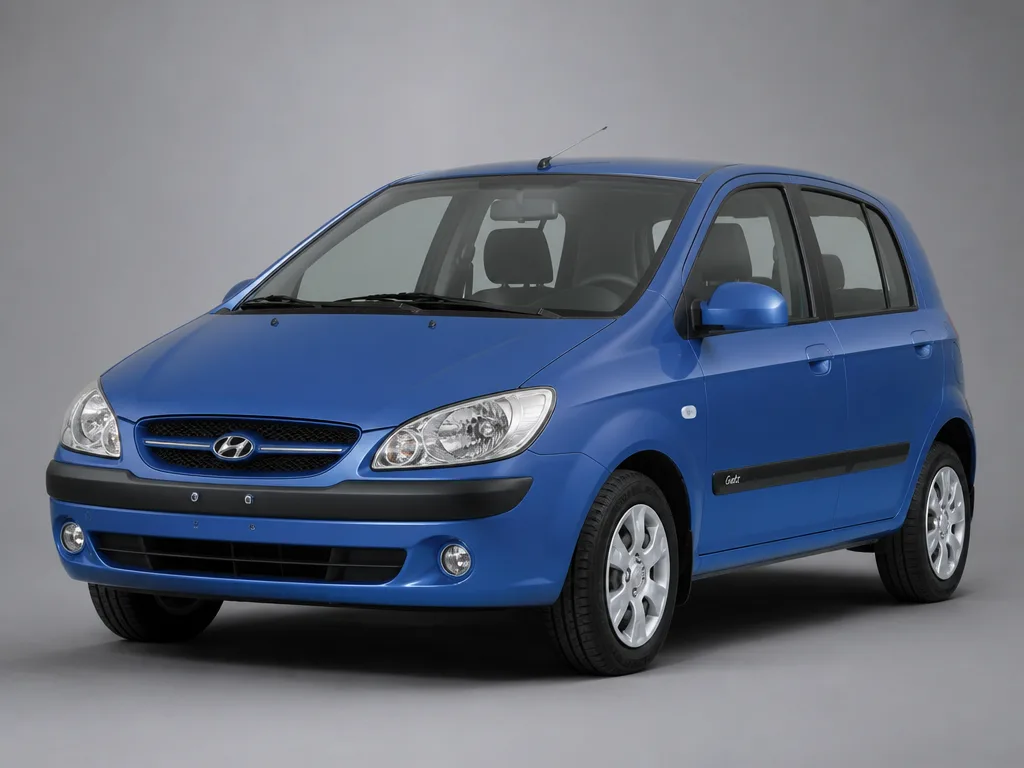
A complete new exhaust system for a Hyundai in South Africa ranges from R8,000 for basic models like older Getz or i20 variants to over R20,000 for newer models like the Creta or Santa Fe with complex CRDi systems including DPF filters. Mid-range models like the i20 with a T-GDi engine typically cost R10,400-R14,100 for a full system replacement including parts and fitting at an authorized service centre.
How long should a Hyundai exhaust system last?
Under normal conditions on South African roads, a Hyundai exhaust system should last between 80,000-150,000 km, though this varies significantly based on driving environment. Coastal areas with salt air can reduce lifespan due to corrosion, while highway driving is less demanding than stop-start city traffic. The catalytic converter and DPF (on diesel models) often outlast other components, potentially reaching 200,000 km if properly maintained with quality fuel and regular servicing.
Can I drive my Hyundai with a damaged exhaust?
While technically possible, driving with a damaged exhaust is dangerous and illegal in South Africa as it won't pass a roadworthy inspection. A leaking exhaust can allow carbon monoxide into the cabin, posing serious health risks to occupants and will also cause your engine to run inefficiently, increasing fuel consumption. Additionally, excessive noise from a damaged muffler violates traffic regulations and can result in fines, so it's essential to repair exhaust issues promptly.
Learn More About Hyundai Accent Exhaust
Related Categories for Hyundai Accent
Need the right exhaust for your Hyundai Accent?
Send us the model year and engine code, and which section has failed and our Hyundai desk will confirm the correct exhaust for your Accent before quoting.