

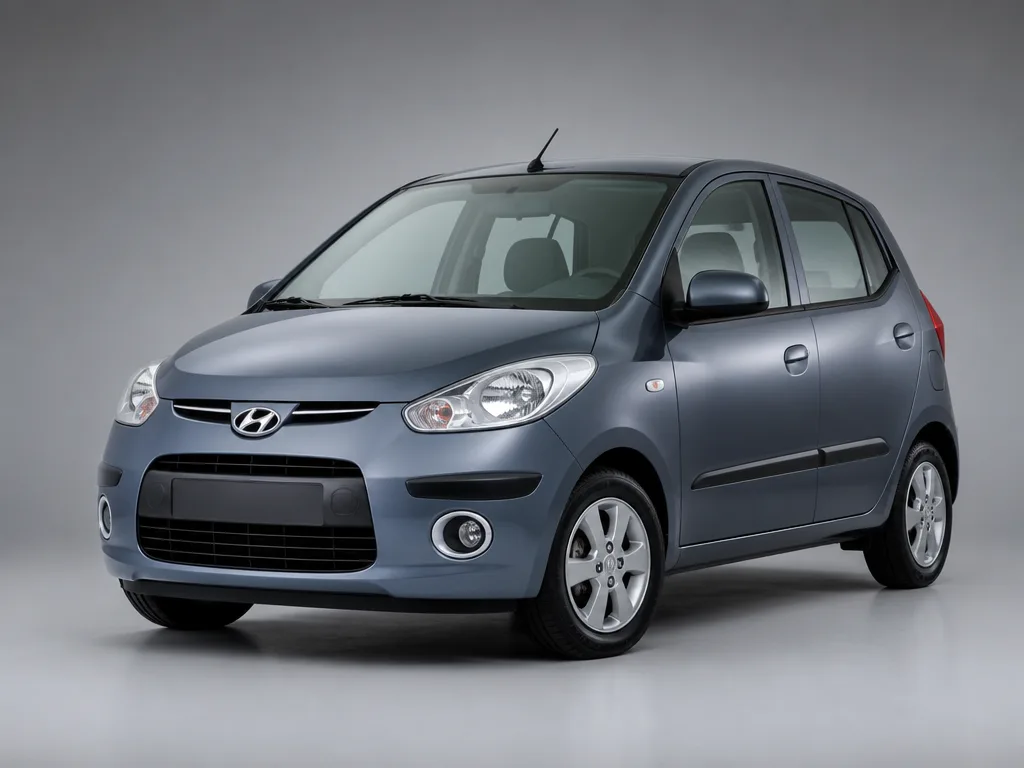
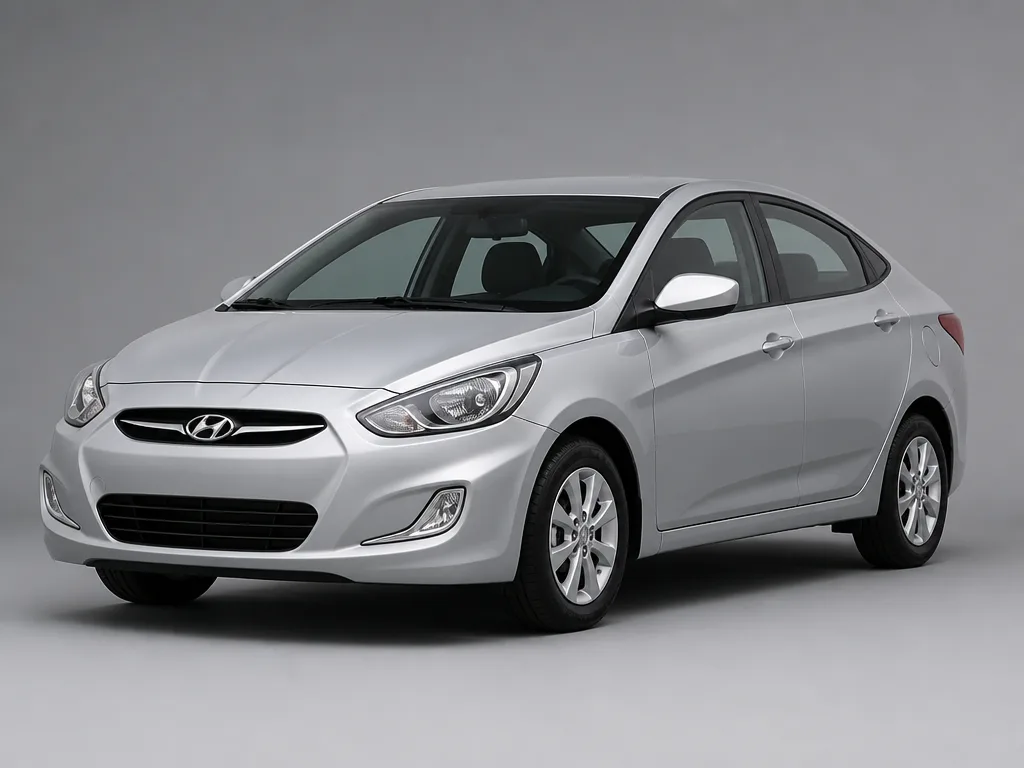
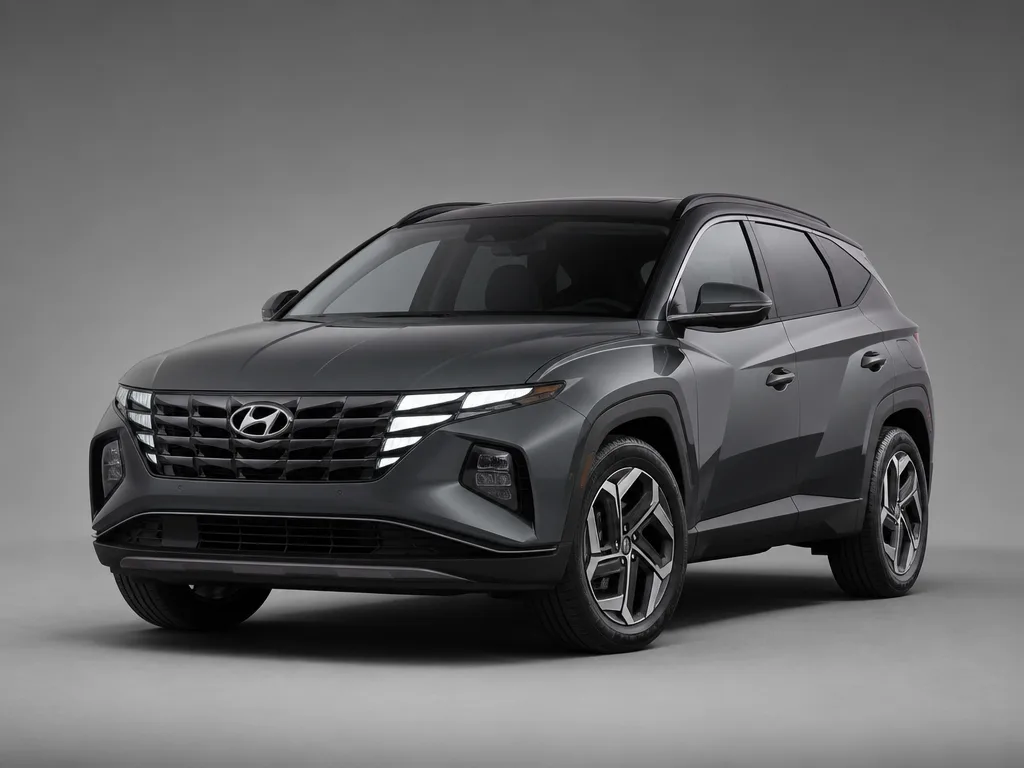
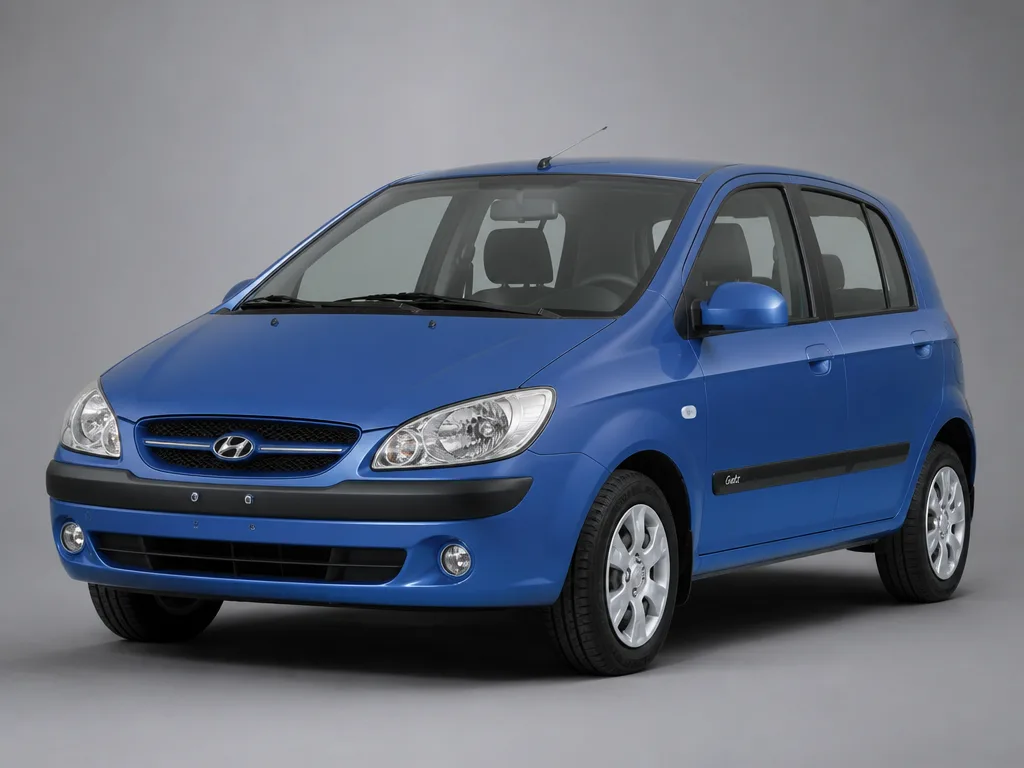
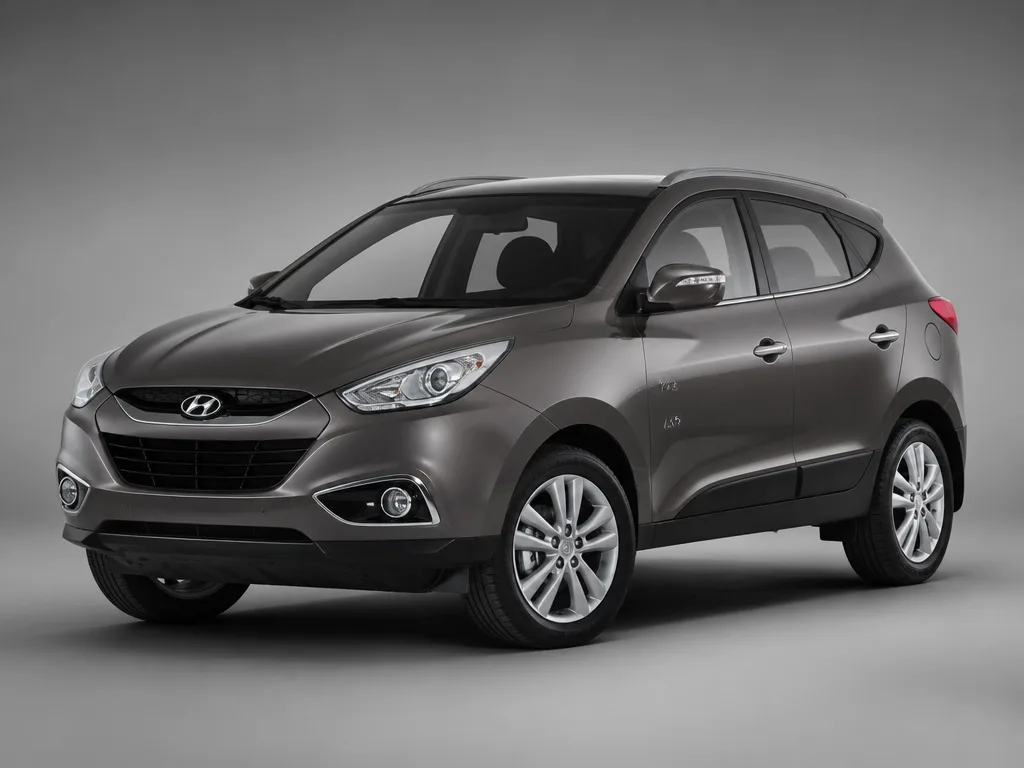

Hyundai Accent Ball Joints
Aftermarket ball joints engineered to slot into the Hyundai Accent. Cross-referenced against OEM specs and dispatched countrywide from our warehouse
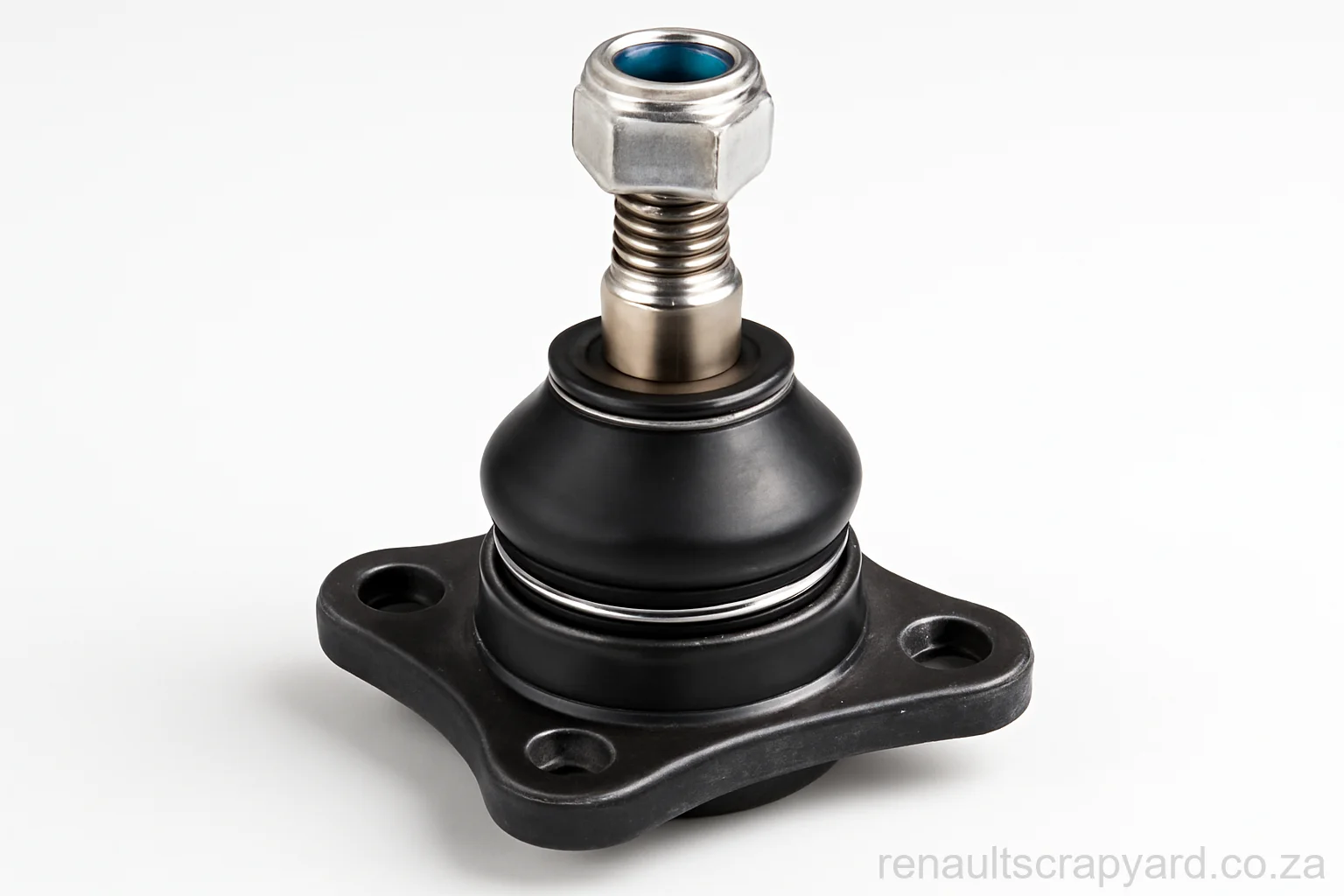
What Are Hyundai Accent Ball Joints?
Ball joints are critical spherical bearings in your Hyundai's suspension system that connect the control arms to the steering knuckles, allowing smooth rotation in multiple directions while supporting the vehicle's weight. They enable your wheels to move up and down with suspension travel whilst also allowing steering movement, making them essential for both ride comfort and handling precision. In South African Hyundais ranging from the i20 with Gamma petrol engines to the Creta fitted with CRDi diesel powertrains, ball joints endure significant stress from our varied road conditions including potholed urban streets and corrugated gravel roads.
Ball joints in Hyundai models like the Tucson, Accent and Sonata are designed to handle substantial loads while maintaining precise geometry for wheel alignment and steering response. Whether your Hyundai runs the efficient U-line CRDi diesel in an H1 or the turbocharged T-GDi engine in a sporty Accent GT, the ball joints work constantly to absorb impacts and maintain wheel positioning. Conditions on South African roads—from Johannesburg's deteriorating road surfaces to coastal humidity affecting Durban-based vehicles—can accelerate ball joint wear, making regular inspection especially important for maintaining your Hyundai's legendary ride quality and safety standards.
Signs You Need New Ball Joints
Common Questions About Hyundai Accent Ball Joints
How much does it cost to replace ball joints on a Hyundai in South Africa?
Ball joint replacement for Hyundai models typically costs between R1,200-R3,700 per side including parts and labour, depending on your specific model and whether upper or lower ball joints are being replaced. A Hyundai i20 or Tucson generally sits at the lower end (R1,200-R1,950 per side), while larger models like the Creta or Sonata can cost R2,250-R3,700 per side. Many workshops recommend replacing both sides simultaneously for balanced handling and to avoid a second labour charge shortly after.
How long do Hyundai ball joints typically last in South African conditions?
Under normal South African driving conditions, Hyundai ball joints typically last between 80,000-120,000 km, though this varies significantly based on road quality and driving habits. Vehicles frequently driven on poorly maintained roads, gravel surfaces, or in areas with severe potholes (common in many SA municipalities) may need replacement as early as 60,000 km. Regular inspection during services is crucial, particularly for Hyundais used as taxis or delivery vehicles that experience heavier loads and more demanding use.
Can I drive my Hyundai with worn ball joints?
Driving with worn ball joints is extremely dangerous and should be avoided—a failed ball joint can cause complete loss of wheel control, potentially leading to serious accidents. If your Hyundai exhibits clunking noises, loose steering, or has been diagnosed with worn ball joints, limit driving to essential trips only at reduced speeds until repairs are completed. South African roadworthiness regulations require functional suspension components and worn ball joints will result in a failed vehicle inspection.
Are ball joints covered under Hyundai warranty or service plans?
Ball joints are typically covered under Hyundai's standard new vehicle warranty (5-year/100,000 km) only if they fail due to manufacturing defects, not normal wear and tear. Most Hyundai service plans in South Africa cover scheduled maintenance but exclude wear-and-tear suspension components like ball joints unless specifically stated. It's worth checking your specific warranty documentation or contacting your Hyundai dealer, as premature failure may sometimes be covered under goodwill depending on mileage and vehicle history.
What is the difference between upper and lower ball joints on a Hyundai?
Lower ball joints on Hyundais carry the vehicle's weight and endure more stress, making them more prone to wear, while upper ball joints (where fitted) primarily maintain alignment and typically last longer. Many modern Hyundai models like the i20, Tucson and Accent use a MacPherson strut front suspension with only lower ball joints, whereas some older models or larger vehicles may have both upper and lower joints. Lower ball joints generally cost R800-R1,550 per side for parts, while upper ball joints (when present) range from R600-R1,250, with labour adding another R500-R1,000 depending on complexity.
Learn More About Hyundai Accent Ball Joints
Not Sure Which Ball Joints Fits Your Accent?
Share your VIN or engine code and our Hyundai team will cross-check the correct ball joints for your exact Accent variant.