







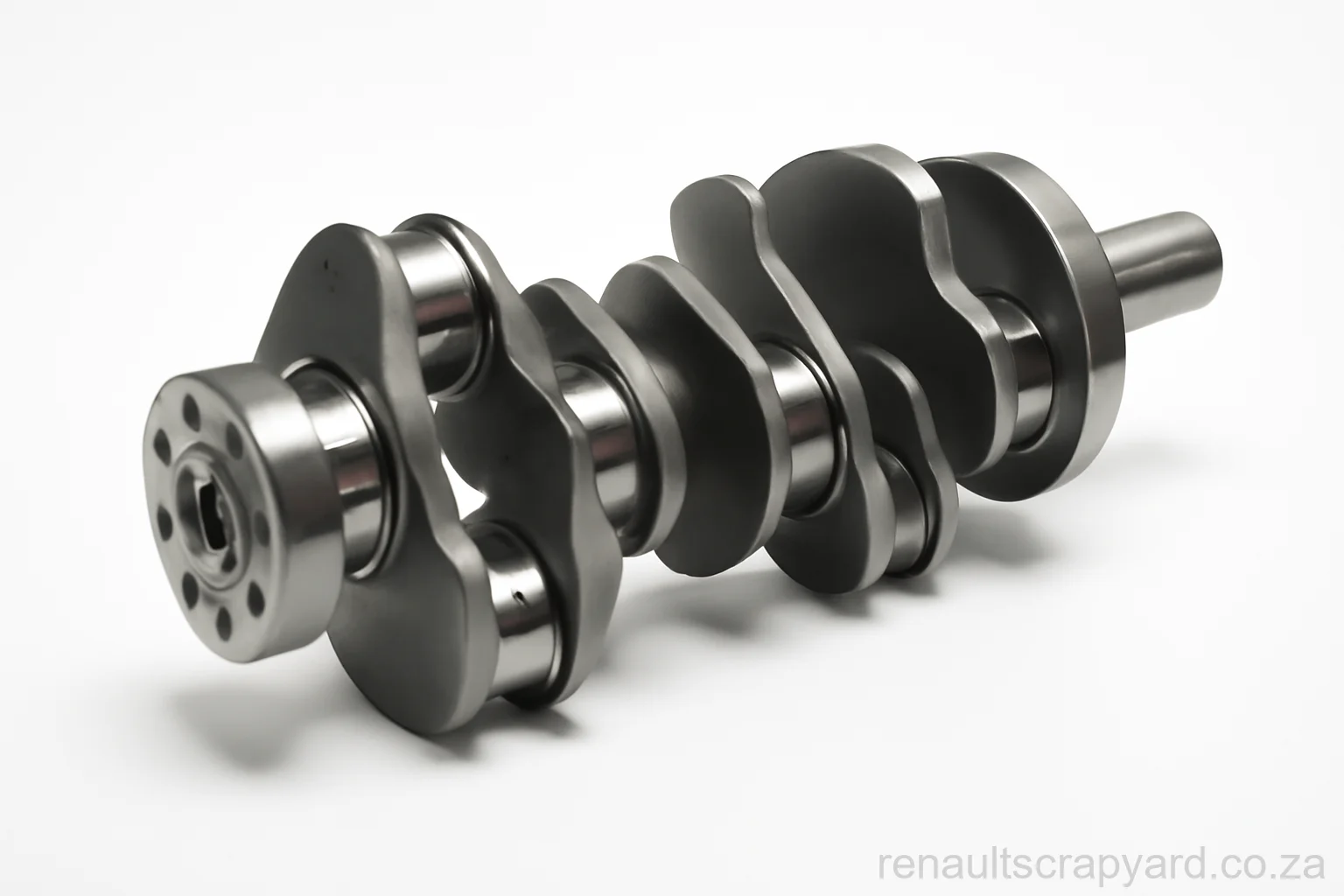
Hyundai Atos Camshafts
We source camshafts for every Atos generation sold in South Africa, then check the fit against your VIN before it leaves the warehouse
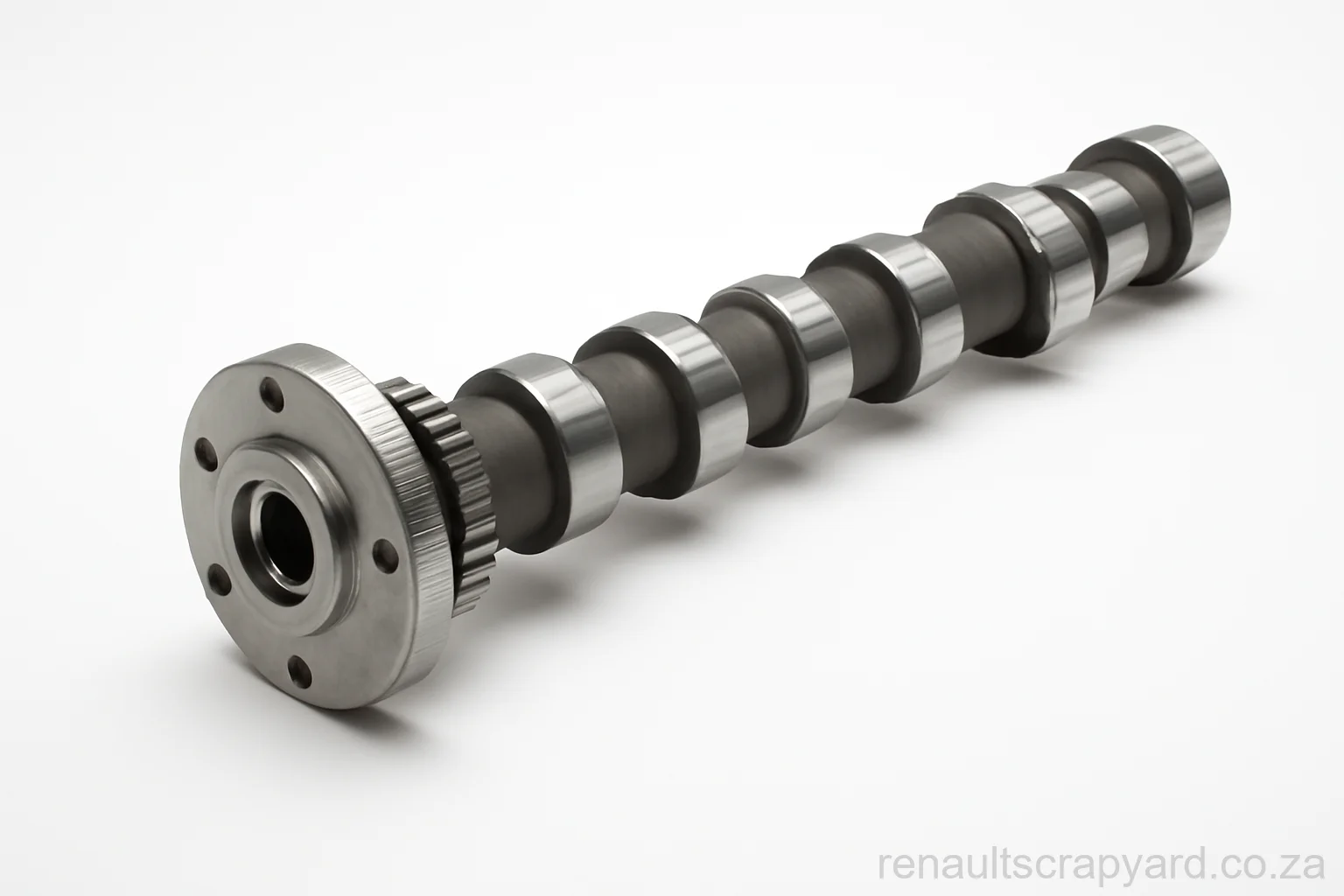
What Are Hyundai Atos Camshafts?
Camshafts are critical engine components in your Hyundai that control the opening and closing of the intake and exhaust valves. They work in precise synchronization with the crankshaft via the timing belt or chain, ensuring optimal air-fuel mixture intake and exhaust gas expulsion. In modern Hyundai engines like the Gamma/T-GDi petrol units (found in i20, Tucson, Accent) and CRDi/U-line CRDi diesel engines (Creta, Santa Fe, H1), the camshaft profiles are specifically designed to maximize efficiency and performance while meeting South African emission standards.
The demands of South African roads, including stop-start city traffic in Johannesburg and Cape Town, long-distance highway cruising and varied altitudes, place unique demands on camshaft performance. Poor oil quality, extended service intervals and timing component wear can accelerate camshaft degradation. Hyundai's variable valve timing (VVT) systems, present in most modern models, rely on properly functioning camshafts to adjust valve timing dynamically, optimizing fuel economy and power delivery across our diverse driving conditions from coastal routes to Highveld highways.
Signs You Need New Camshafts
Before you order camshafts for a Atos
Does one camshafts listing cover every Atos?
No. Ordering camshafts for a Atos starts with the generation: MX, including the Atos Prime.The Prime restyle changed the exterior substantially while leaving the Epsilon driveline largely alone — body parts and mechanical parts therefore need to be sourced on different criteria.
Which engine is in my Atos?
SA-market cars were sold with Epsilon 1.0 and Epsilon 1.1. The code stamped on the block settles it — the badge on the boot does not.
What do you need from me to quote camshafts?
The engine code off the block or VIN plate, and whether the car is petrol or CRDi diesel. Hyundai used several engine families in parallel rather than in sequence, so two cars of the same model year can carry completely different internals. The engine code stamped on the block is what a parts desk works from, not the badge on the boot.
In South Africa the Atos is mostly a tall, narrow city car with a devoted following, kept running well past the point where dealer stock dries up — which makes used and aftermarket supply the whole game. That is the wear pattern we stock and source against.
Atos Camshafts: Common Questions
Will camshafts from another Atos fit mine?
Not automatically. The Atos sold in South Africa as MX, including the Atos Prime, and the Prime restyle changed the exterior substantially while leaving the Epsilon driveline largely alone — body parts and mechanical parts therefore need to be sourced on different criteria. Send us the generation code off your VIN plate and we will confirm it either way before anything is dispatched.
Can you source camshafts for the Atos if local stock is dry?
Usually, yes. The Atos the Atos Prime is a reworked Atos rather than a separate car, so much of the catalogue overlaps, which gives us a second catalogue to search when Hyundai-listed stock runs out. We will tell you what we are quoting rather than leaving you to guess.
How much does a Hyundai camshaft replacement cost in South Africa?
Camshaft replacement costs vary significantly by model and engine type. For a Hyundai i20 with Gamma engine, expect R8,750-R15,750 including parts and labour, while CRDi diesel engines (Accent, Creta) can cost R11,900-R23,100 due to more complex timing systems. Prices include camshaft(s), timing components, gaskets and oil change at most South African Hyundai service centres.
What causes camshaft failure in Hyundai T-GDi engines?
T-GDi (Gamma) engines are particularly sensitive to oil quality and service intervals. The most common causes include using incorrect oil specification, extended oil change intervals beyond 15,000km, timing chain stretch allowing improper valve timing and carbon buildup on variable valve timing components. South African conditions with dusty environments and temperature extremes make regular servicing with approved 5W30 oil essential for camshaft longevity.
How often should camshafts be inspected on a Hyundai?
Camshafts typically last the engine's lifetime if properly maintained, but should be inspected during major services every 60,000km or if timing belt/chain replacement is due. For Hyundai models with timing belts (older U-line CRDi diesels), inspect camshafts at the recommended 120,000km belt change interval. If you hear unusual ticking noises or experience performance issues, have camshaft wear assessed immediately at an authorized service centre.
Can I drive my Hyundai with a worn camshaft?
Driving with a worn or damaged camshaft is not recommended and can cause catastrophic engine damage. Worn camshaft lobes result in improper valve operation, leading to poor combustion, potential valve-to-piston contact and complete engine failure. If you suspect camshaft issues based on unusual noises or performance problems, have your Hyundai inspected immediately to avoid repair costs exceeding R41,600-R80,000 for engine rebuilds.
Are camshaft problems common in Hyundai CRDi engines?
CRDi diesel engines are generally reliable, but early models (2014-2016) experienced some camshaft wear issues related to DPF regeneration cycles and oil dilution. Modern CRDi engines have improved significantly with updated oil specifications and revised service schedules. Maintaining 10,000km oil change intervals with ACEA C2/C3 specification oil and avoiding excessive short trips helps prevent camshaft wear in South African conditions.
More Engine Parts that fit the Atos
Tell us which Atos you have
The Atos sold here as MX, including the Atos Prime, and they do not share one parts list. Give us the generation code and we will do the rest.