






Hyundai Getz Radiators
Radiators for the Hyundai Getz — new, used and aftermarket stock, quoted once we know which Getz you are running
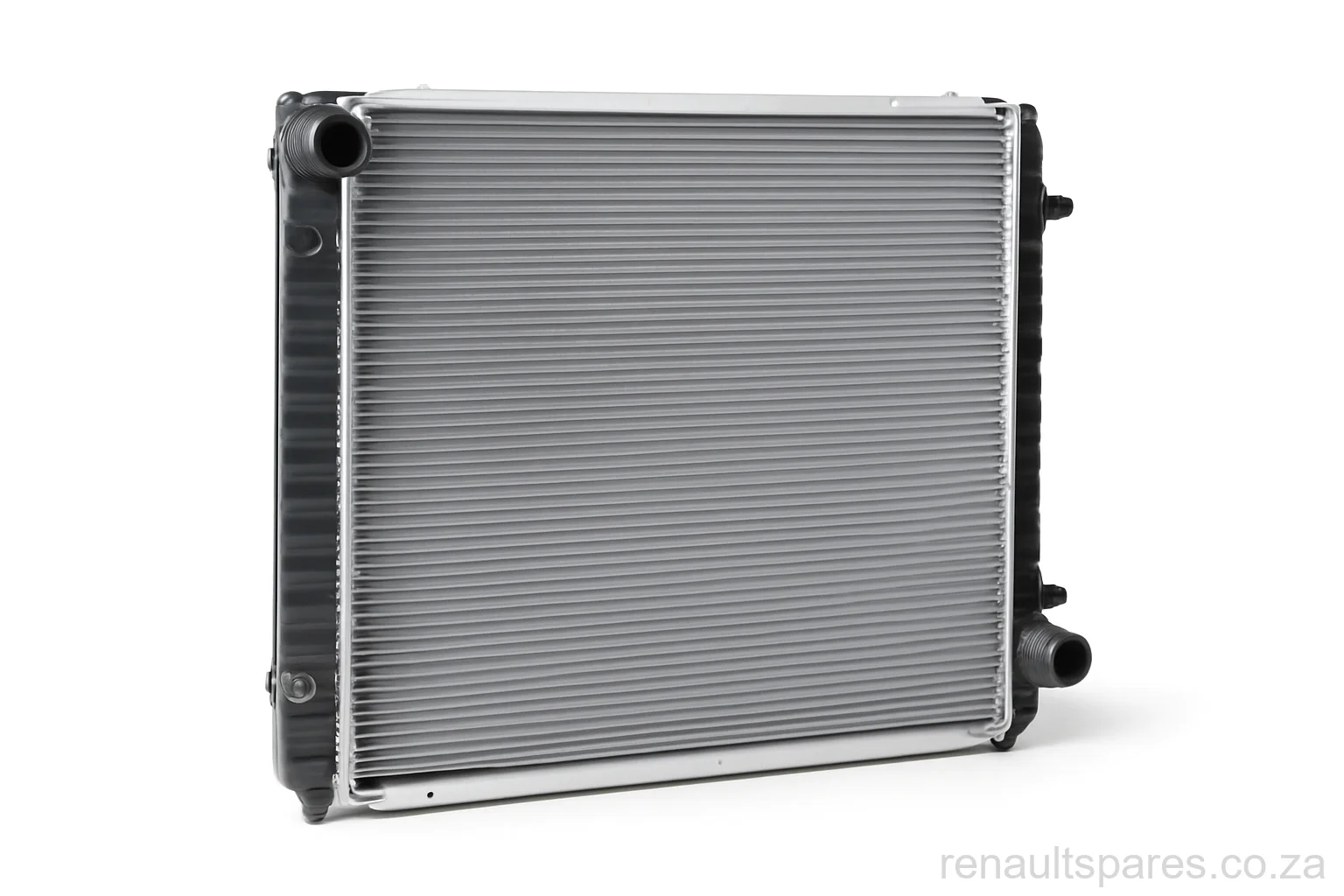
What Are Hyundai Getz Radiators?
The radiator in your Hyundai is the core component of the engine cooling system, responsible for dissipating heat from the coolant that circulates through the engine block. As coolant absorbs heat from high-performance engines like the turbocharged Gamma/T-GDi petrol units or the efficient CRDi and U-line CRDi diesel engines, it flows through the radiator's aluminium or copper-brass core where airflow and the radiator fan cool it down before it returns to the engine. Modern Hyundai radiators are precision-engineered with multiple thin tubes and cooling fins to maximize heat transfer efficiency.
In South African conditions, where summer temperatures regularly exceed 35°C and many drivers face stop-start traffic in Johannesburg, Cape Town and Durban, the radiator works overtime to prevent engine overheating. Hyundai models from the i20 and Tucson to the Creta and Santa Fe rely on properly functioning radiators to maintain optimal operating temperatures between 85-95°C. A failing radiator can lead to catastrophic engine damage, especially in turbocharged engines where consistent cooling is critical for longevity and performance on SA's diverse road conditions from coastal humidity to Highveld heat.
Signs You Need New Radiators
Getting the right radiators for your Getz first time
Does one radiators listing cover every Getz?
No. Sold here across TB (a single generation, pre- and post-facelift), the Getz is not one car for parts purposes — it is several.The facelift changed lighting and front-end trim, so a body or lamp part that fits an early TB may not fit a late one even though the mechanical parts interchange freely.
Which engine is in my Getz?
SA-market cars were sold with Alpha 1.3/1.4 and Alpha II 1.6. The code stamped on the block settles it — the badge on the boot does not.
What do you need from me to quote radiators?
Petrol or diesel, and whether the car has air conditioning. Air-conditioned and non-air-conditioned Hyundais take different radiators and fan assemblies, and the CRDi diesels add intercooler plumbing that the petrol cars simply do not have.
In South Africa the Getz is mostly long out of production but still everywhere on South African roads, which makes the Getz a used-parts car first and a new-parts car second. That is the wear pattern we stock and source against.
Hyundai Getz Radiators FAQs
Will radiators from another Getz fit mine?
Not automatically. The Getz sold in South Africa as TB (a single generation, pre- and post-facelift), and the facelift changed lighting and front-end trim, so a body or lamp part that fits an early TB may not fit a late one even though the mechanical parts interchange freely. Send us the generation code off your VIN plate and we will confirm it either way before anything is dispatched.
What should I send you when asking about Getz radiators?
The VIN is the single most useful thing — a photo of the plate is fine. Failing that, the generation code and the engine code off the block. The Getz ran as TB (a single generation, pre- and post-facelift), so the generation is what narrows the search.
How much does a replacement radiator cost for a Hyundai in South Africa?
Radiator prices for Hyundai models range from R2,500 to R6,500 depending on the model and engine type. A radiator for an i20 with the 1.2T Gamma engine typically costs R2,900-R4,100, while larger models like the Creta or Santa Fe with CRDi engines can cost R4,450-R6,250. Installation labour adds approximately R800-R1,500 at most workshops.
How long should a Hyundai radiator last in South African conditions?
Under normal SA driving conditions, a Hyundai radiator should last 8-12 years or 150,000-200,000km. However, harsh conditions like sustained high temperatures, poor coolant maintenance, or driving on dusty gravel roads can reduce this lifespan to 6-8 years. Regular coolant changes every 2-3 years and keeping the radiator fins clean significantly extends radiator life.
Can I drive my Hyundai with a leaking radiator?
No, you should not drive with a leaking radiator as this can cause severe engine damage within minutes. If you notice a leak, stop driving immediately, let the engine cool and have the vehicle towed to a workshop. Overheating can warp the cylinder head or blow the head gasket, resulting in repair costs of R15,450-R33,600 on engines like the T-GDi or CRDi.
What causes radiators to fail in Hyundai vehicles?
Common causes include corrosion from old or contaminated coolant, physical damage from road debris or minor accidents and plastic tank failure due to heat cycling and age. In South Africa, radiators on older Hyundais (Tucson-2015 models) are particularly prone to plastic end-tank cracking due to repeated expansion and contraction in extreme temperatures, while clogged cores from poor coolant maintenance affect U-line CRDi diesel models.
Should I choose an OEM or aftermarket radiator for my Hyundai?
OEM radiators from Hyundai offer guaranteed fit and quality but cost 30-50% more than quality aftermarket options. Reputable aftermarket brands like Nissens, Valeo, or Mahle provide excellent performance at R2,100-R4,100 for most models and often come with 2-year warranties. Avoid very cheap Chinese radiators under R1,800 as they may have poor core construction and fail prematurely in SA heat.
Learn More About Hyundai Getz Radiators
Get your Getz radiators matched properly
A part number from the old unit, or simply your VIN, is enough for us to identify the right radiators for your Getz.