




Hyundai H1 Brake Drums
Whether your H1 is an early or late build, we match the brake drums to your derivative rather than to the badge
What Are Hyundai H1 Brake Drums?
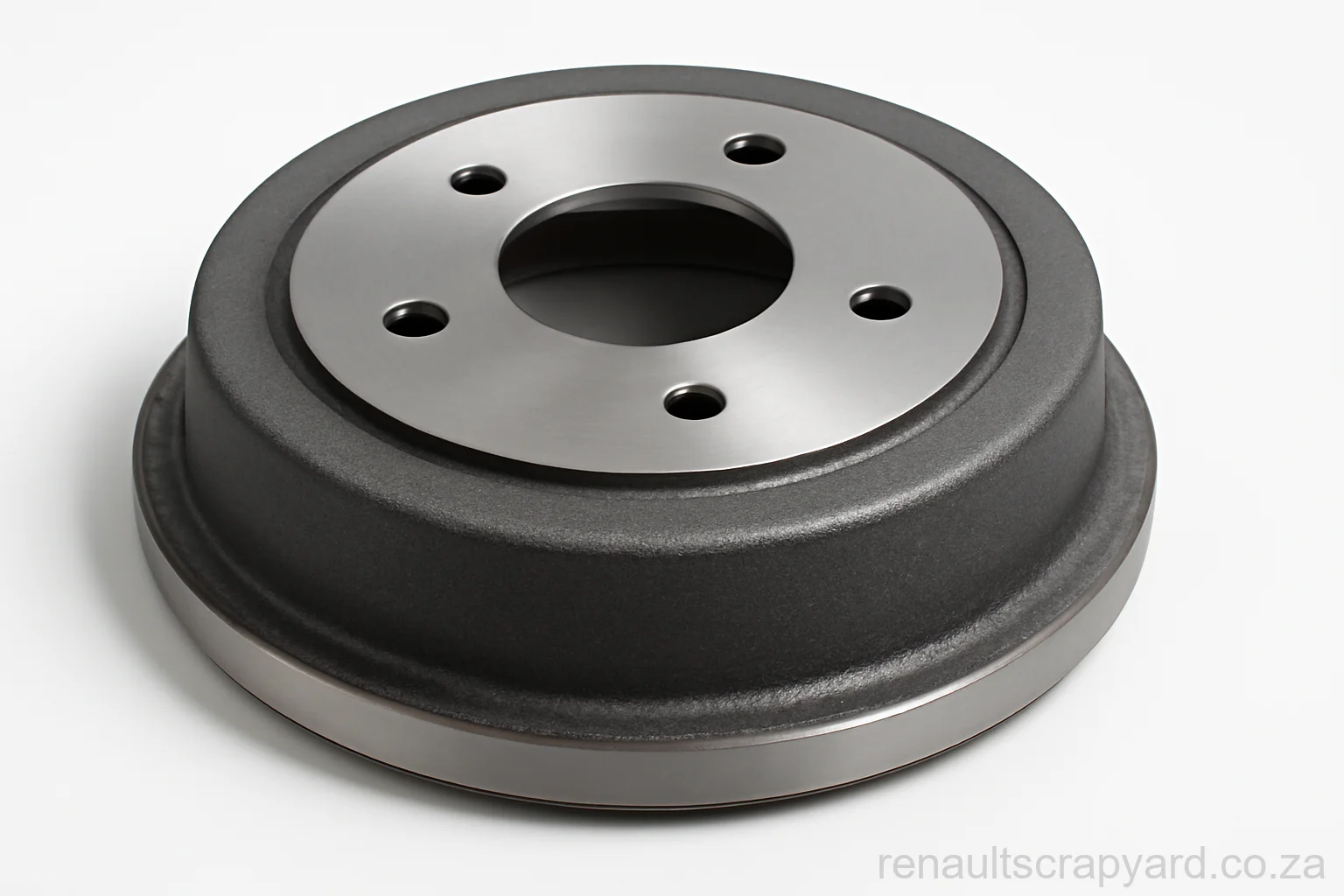
Brake drums sit on the rear axle of smaller Hyundais like the i10, i20 entry grades, with shoes expanding inside them to stop the car. They handle less duty than fronts but carry almost all of the parking-brake load, which is why Hyundai's automatic adjuster failures end up scoring drums here in SA.
Signs You Need New Brake Drums
Before you order brake drums for a H1
Does one brake drums listing cover every H1?
No. Ordering brake drums for a H1 starts with the generation: the original Starex, then the TQ iLoad, iMax and Grand Starex.Panel van, bus and people-mover bodies on the same TQ base take different rear-end, glass and trim parts, so tell us the body style, not just the model.
Which engine is in my H1?
SA-market cars were sold with 2.4 petrol on selected Grand Starex derivatives, D4CB 2.5 CRDi and 2.5 TD on the earlier Starex. The code stamped on the block settles it — the badge on the boot does not.
What do you need from me to quote brake drums?
The derivative and whether the car has been fitted with non-standard wheels, which can rule out some caliper and disc combinations. Disc diameter on a Hyundai tracks the derivative rather than the model — a 1.6 and a turbo version of the same car frequently run different front brakes, and N Line derivatives differ again.
In South Africa the H1 is mostly shuttle, tour and staff-transport work, which means very high annual mileage and a strong bias towards diesel injection, turbo and clutch components. That is the wear pattern we stock and source against.
Before You Order H1 Brake Drums
Will brake drums from another H1 fit mine?
Not automatically. The H1 sold in South Africa as the original Starex, then the TQ iLoad, iMax and Grand Starex, and panel van, bus and people-mover bodies on the same TQ base take different rear-end, glass and trim parts, so tell us the body style, not just the model. Send us the generation code off your VIN plate and we will confirm it either way before anything is dispatched.
How do you check brake drums actually fits a H1?
We work backwards from the VIN: generation first, then engine family, then whether the car is pre- or post-facelift within that generation. On the H1 specifically, panel van, bus and people-mover bodies on the same TQ base take different rear-end, glass and trim parts, so tell us the body style, not just the model.
How much does it cost to replace brake drums on a Hyundai?
Parts vary by model — i20 rears are budget-friendly and Ferodo and OEM-spec drums are widely available through our supplier network. Labour is typically two to three hours a pair including shoes and fresh springs. Send your VIN for a free quote.
What are the symptoms of worn brake drums?
Scoring grooves inside the drum cause a pulse through the pedal under braking, plus scraping noises, squeal and an inefficient handbrake. In the rain the noise often worsens. Hyundai auto-adjuster failure is a well-known drum-killer in SA.
Which Hyundai models have rear drum brakes?
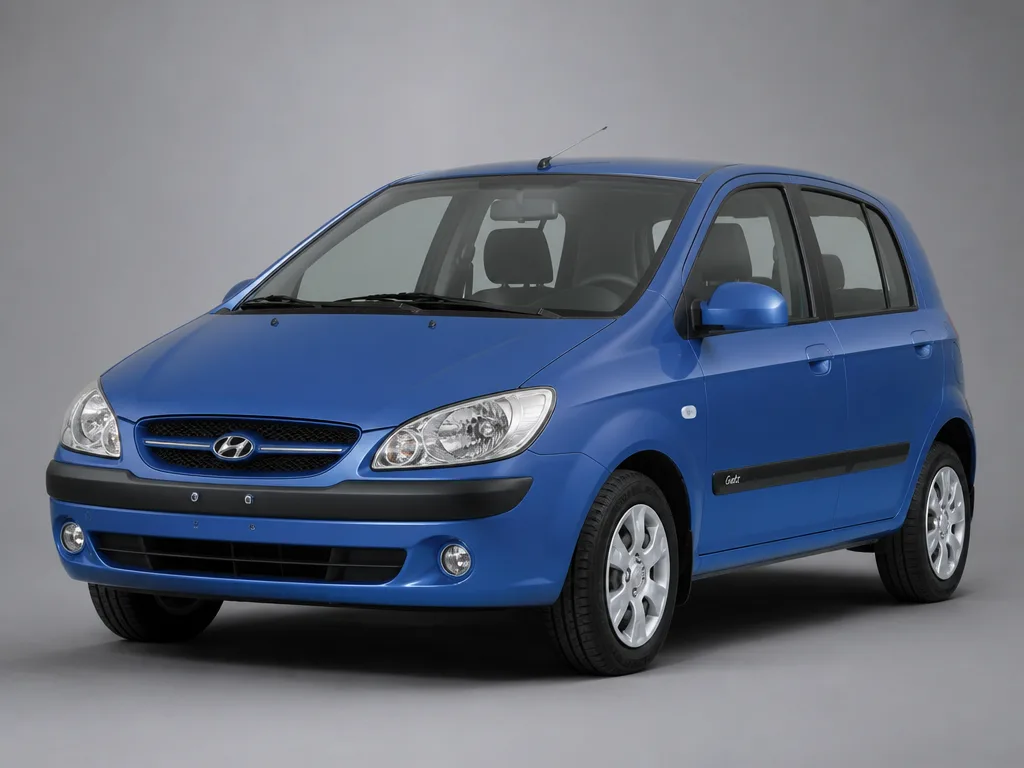
Entry-level i10, i20 grades, plus older Atos, Getz and the base Tucson all use rear drums. Higher trims and all Accent/Creta/Santa Fe rears switched to discs long ago. Always check your exact VIN as some i20 N Line trims have rear discs.
How long do Hyundai brake drums last?
Commonly 100,000 to 150,000 km in typical SA conditions — about twice the life of the shoes inside them. Drums last longer when the automatic adjuster is working; Hyundai's auto-adjuster is a known weak point, so service the mechanism every pad change.
Where can I buy Hyundai brake drums in South Africa?
We source drums nationally through our supplier network, including Ferodo and OEM-spec units plus strip-yard specialists. I20/i20 drums are common stock; older Atos/Getz drums often need ordering. Send us your VIN for a same-day quote.
Let us confirm the brake drums before you buy
Photos of the old part and your VIN are usually all we need. We confirm the brake drums against your H1 before quoting, not after.