

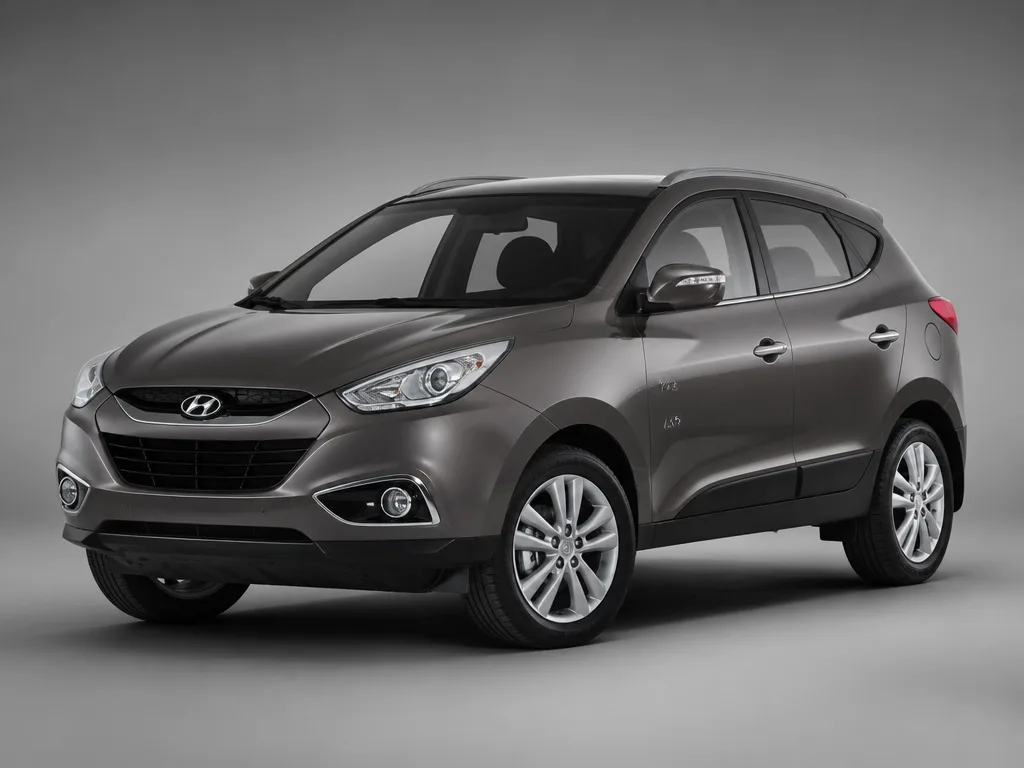

Hyundai H1 Brake Pads
We source brake pads for every H1 generation sold in South Africa, then check the fit against your VIN before it leaves the warehouse
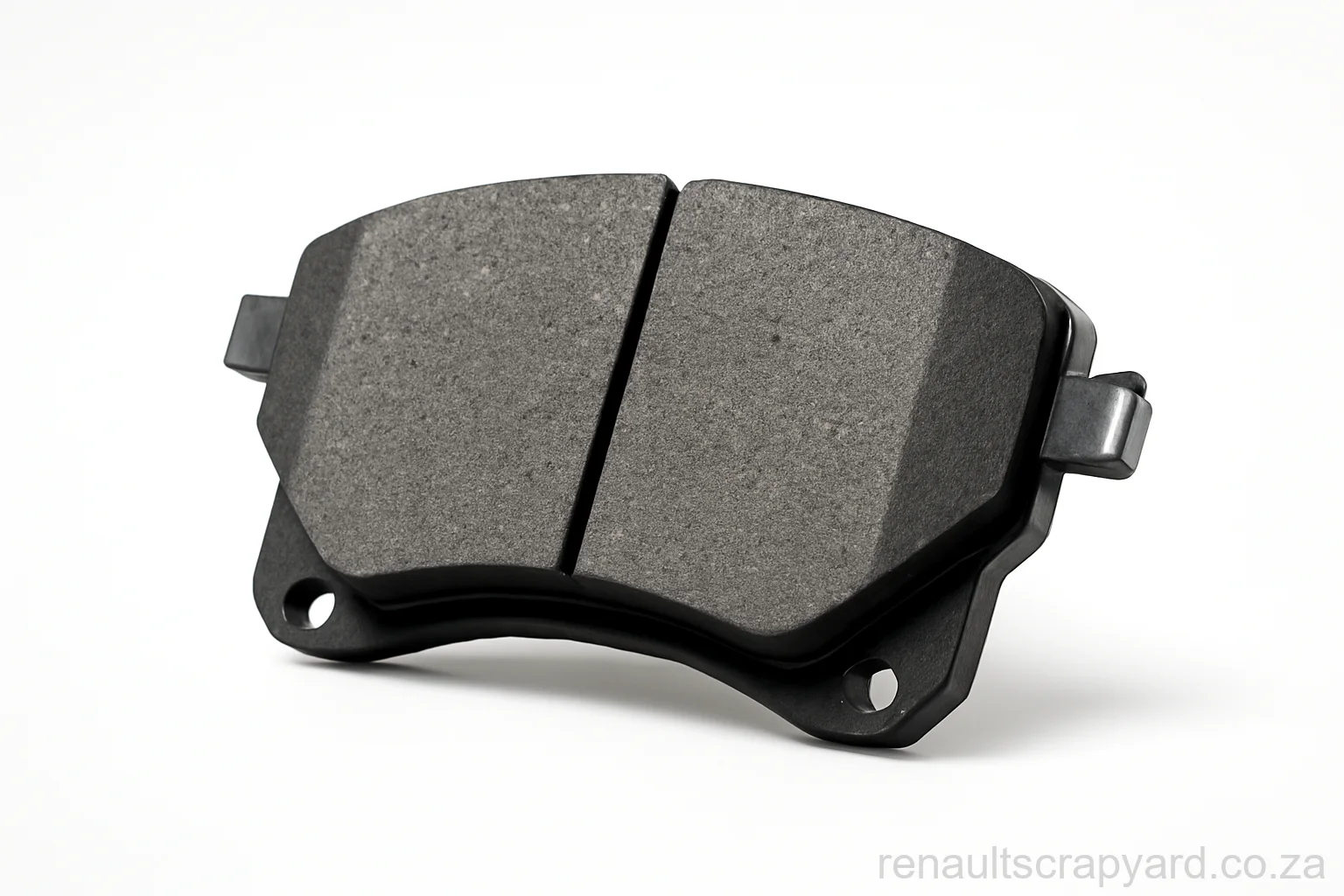
What Are Hyundai H1 Brake Pads?
Brake pads are friction material components that press against the brake discs to slow down or stop your Hyundai. When you press the brake pedal, hydraulic pressure forces the brake pads against the rotating discs, creating the friction needed to reduce wheel speed. Hyundai models equipped with Gamma, T-GDi and CRDi engines typically use front and rear disc brakes with ceramic or semi-metallic brake pads designed to handle the demands of South African roads, from highway cruising to stop-start city traffic in Johannesburg and Cape Town.
Across South Africa, brake pads endure significant stress from our varied terrain, from coastal humidity to Highveld altitude and temperature extremes that can accelerate wear. Hyundai i20, Tucson, Creta and Santa Fe models require regular brake pad inspection as part of the manufacturer's service schedule. The U-line CRDi and CRDi diesel engines add extra vehicle weight, which can increase brake pad wear rates, especially when towing or carrying heavy loads on our long-distance routes. Quality brake pads are essential for maintaining optimal stopping power and protecting your brake discs from premature wear.
Signs You Need New Brake Pads
How we match brake pads to your H1
What changes across the range
On the H1, the original Starex, then the TQ iLoad, iMax and Grand Starex are all in circulation locally, and they do not share one parts list.
Panel van, bus and people-mover bodies on the same TQ base take different rear-end, glass and trim parts, so tell us the body style, not just the model.
Worth knowing: the H1no Kia equivalent — the H1 is its own commercial platform.
What we check on brake pads
- •The generation code, because H1 parts lists split on it
- •The engine family — this H1 was sold with 2.4 petrol on selected Grand Starex derivatives, D4CB 2.5 CRDi and 2.5 TD on the earlier Starex
- •The derivative and whether the car has been fitted with non-standard wheels, which can rule out some caliper and disc combinations
- •Whether the car is pre- or post-facelift within its generation
In South Africa the H1 is mostly shuttle, tour and staff-transport work, which means very high annual mileage and a strong bias towards diesel injection, turbo and clutch components. That is the wear pattern we stock and source against.
H1 Brake Pads: Common Questions
Will brake pads from another H1 fit mine?
Not automatically. The H1 sold in South Africa as the original Starex, then the TQ iLoad, iMax and Grand Starex, and panel van, bus and people-mover bodies on the same TQ base take different rear-end, glass and trim parts, so tell us the body style, not just the model. Send us the generation code off your VIN plate and we will confirm it either way before anything is dispatched.
Can you source brake pads for the H1 if local stock is dry?
Usually, yes. The H1 no Kia equivalent — the H1 is its own commercial platform, which gives us a second catalogue to search when Hyundai-listed stock runs out. We will tell you what we are quoting rather than leaving you to guess.
How much do Hyundai brake pads cost in South Africa?
Hyundai brake pad sets range from R800-R1,900 per axle depending on your model and pad quality. Front brake pads for a Hyundai i20 or Tucson typically cost R950-R1,450, while larger models like the Creta and Santa Fe range from R1,250-R1,900. Premium ceramic pads cost more but offer longer life and reduced brake dust, making them worthwhile for high-mileage South African drivers.
How often should I replace brake pads on my Hyundai?
Hyundai recommends inspecting brake pads every 15,000 km and typically replacing them between 30,000-60,000 km depending on driving conditions. South African drivers in mountainous areas like Mpumalanga or who frequently drive in heavy urban traffic may need replacement sooner. CRDi and U-line CRDi diesel models may experience faster wear due to increased vehicle weight, so regular inspection during services is essential.
Can I replace just the front or rear brake pads on my Hyundai?
Yes, you can replace brake pads per axle as front pads typically wear faster than rear pads due to forward weight transfer during braking. However, always replace both left and right pads simultaneously to ensure even braking performance. For Hyundai models with T-GDi and Gamma engines, front pads usually need replacement 1.5-2 times more frequently than rear pads under normal the demands of South African roads.
What is the difference between ceramic and semi-metallic brake pads for Hyundai?
Ceramic brake pads produce less dust, operate quietly and last longer, making them ideal for Hyundai models used primarily for highway and suburban driving. Semi-metallic pads offer better heat dissipation and stopping power under heavy braking, suited to mountainous terrain or spirited driving, though they wear discs faster and create more brake dust. Both types are suitable for South African conditions and cost between R800-R1,900 per axle set.
Do I need to replace brake discs when changing Hyundai brake pads?
Not necessarily—brake discs should be measured for thickness and inspected for scoring or warping during pad replacement. If discs are within manufacturer specifications (typically minimum 22-28mm depending on model) and the surface is smooth, you can install new pads on existing discs. However, if discs show deep grooves or have reached minimum thickness, replacement is crucial for safety and typically costs R1,450-R3,500 per axle for Hyundai models in South Africa.
Learn More About Hyundai H1 Brake Pads
Official Hyundai service intervals and maintenance guidelines for South African models
Comprehensive brake maintenance and safety information from the Automobile Association
Technical overview of disc brake systems and brake pad materials
Tell us which H1 you have
The H1 sold here as the original Starex, then the TQ iLoad, iMax and Grand Starex, and they do not share one parts list. Give us the generation code and we will do the rest.