

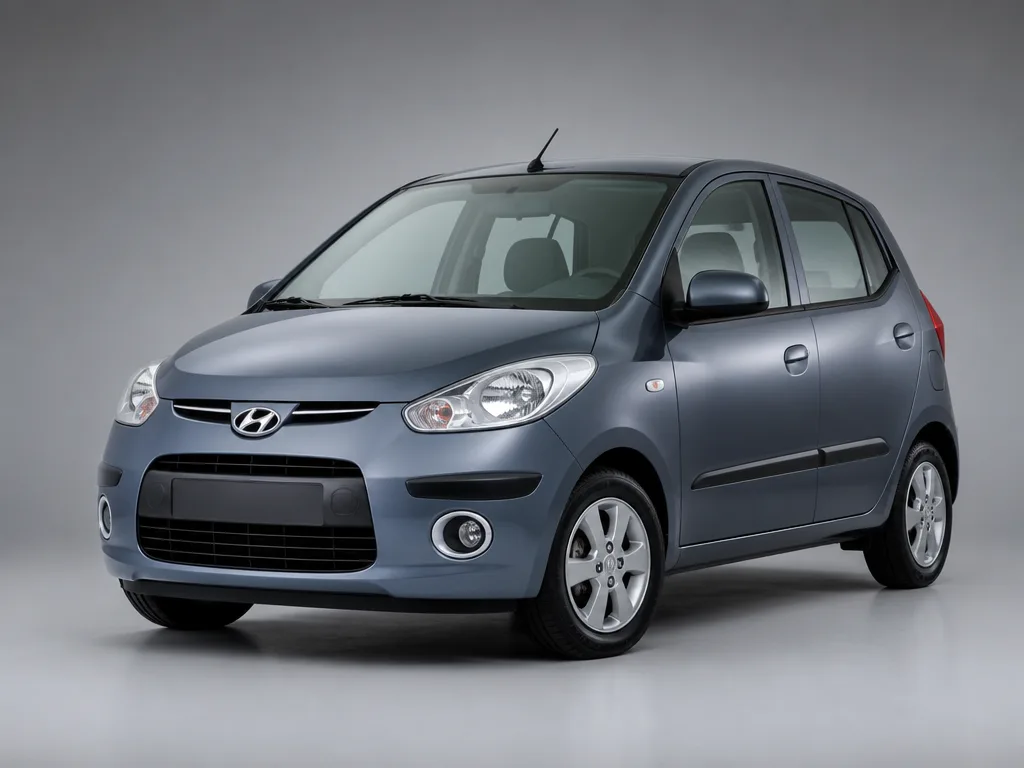





Hyundai H1 Coolant Reservoirs
Coolant Reservoirs to suit the Hyundai H1, cross-referenced against OEM specification and dispatched countrywide
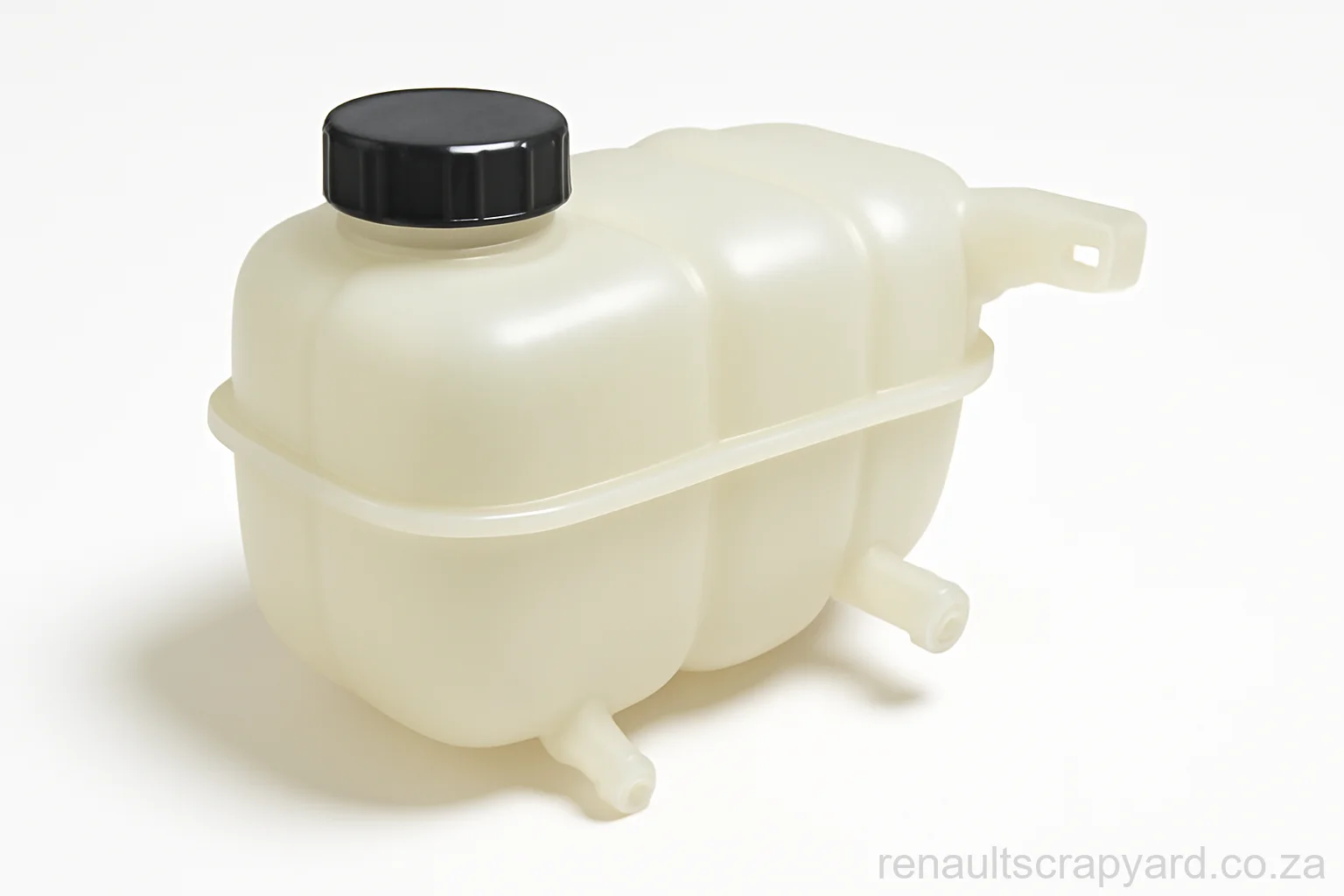
What Are Hyundai H1 Coolant Reservoirs?
The coolant reservoir — also called the expansion tank — is the plastic bottle that holds overflow coolant as your Hyundai's engine heats and cools. Getz, i20, Accent, Tucson, Creta and Elantra all suffer hairline cracks in the tank neck or filler cap seat, especially on high-mileage SA cars.
Signs You Need New Coolant Reservoirs
How we match coolant reservoirs to your H1
Ordering coolant reservoirs for a H1 starts with the generation: the original Starex, then the TQ iLoad, iMax and Grand Starex.Panel van, bus and people-mover bodies on the same TQ base take different rear-end, glass and trim parts, so tell us the body style, not just the model.
- 1
Find the generation code on your H1 — it appears on the VIN plate and on the original registration paperwork.
- 2
Confirm the engine family. The H1 ran 2.4 petrol on selected Grand Starex derivatives, D4CB 2.5 CRDi and 2.5 TD on the earlier Starex in this market.
- 3
Send both to us with the coolant reservoirs you are after , along with petrol or diesel, and whether the car has air conditioning. We match it before we quote, not after.
Sourcing note: the H1no Kia equivalent — the H1 is its own commercial platform — which widens where we can look when local stock is thin.
In South Africa the H1 is mostly shuttle, tour and staff-transport work, which means very high annual mileage and a strong bias towards diesel injection, turbo and clutch components. That is the wear pattern we stock and source against.
Hyundai H1 Coolant Reservoirs — Questions We Get Asked
Will coolant reservoirs from another H1 fit mine?
Not automatically. The H1 sold in South Africa as the original Starex, then the TQ iLoad, iMax and Grand Starex, and panel van, bus and people-mover bodies on the same TQ base take different rear-end, glass and trim parts, so tell us the body style, not just the model. Send us the generation code off your VIN plate and we will confirm it either way before anything is dispatched.
Which engines did the South African H1 come with?
SA-market cars ran 2.4 petrol on selected Grand Starex derivatives, D4CB 2.5 CRDi, 2.5 TD on the earlier Starex. The code stamped on the block is what we work from — the badge on the boot is not reliable on its own.
How much does a Hyundai coolant reservoir cost?
SA retail is friendly — Getz expansion tanks are common stock and an aftermarket tank fitting Getz/i20/Accent/Elantra/Creta/Tucson runs around R707. Labour is one hour. Send your VIN for the exact part-number match.
What are the symptoms of a cracked coolant reservoir?
Slowly dropping coolant level, a sweet coolant smell after driving and white scale deposits around the tank seams. On Getz and i20 models the crack typically starts at the filler neck — look for a damp patch under pressure with the cap on.
Why does my Hyundai keep losing coolant?
A cracked expansion tank is the most common cause across Getz, i20 and Accent — well-documented on Hyundai Forums. Other suspects are a perished radiator cap, a weeping hose clamp or a head-gasket leak. Pressure-test the system to locate it.
Can I drive my Hyundai with a leaking coolant reservoir?
Only briefly and only with the level topped up. A leaking tank loses pressure, which drops the boiling point of the coolant and causes overheating. Overheating a 1.6 T-GDi or 2.0 CRDi can warp the head — far more expensive to fix than a new tank.
Where can I buy a Hyundai expansion tank in South Africa?
We source reservoirs nationally through our SA supplier network. Getz/i20/Accent tanks are common stock; Creta and Elantra units need ordering. Send us your VIN for a same-day quote.
Not sure which coolant reservoirs fits your H1?
Send us your VIN or the engine code off the block and our Hyundai desk will cross-check the correct coolant reservoirs for your exact H1 derivative.