






Hyundai H1 Connecting Rods
Connecting Rods to suit the Hyundai H1, cross-referenced against OEM specification and dispatched countrywide
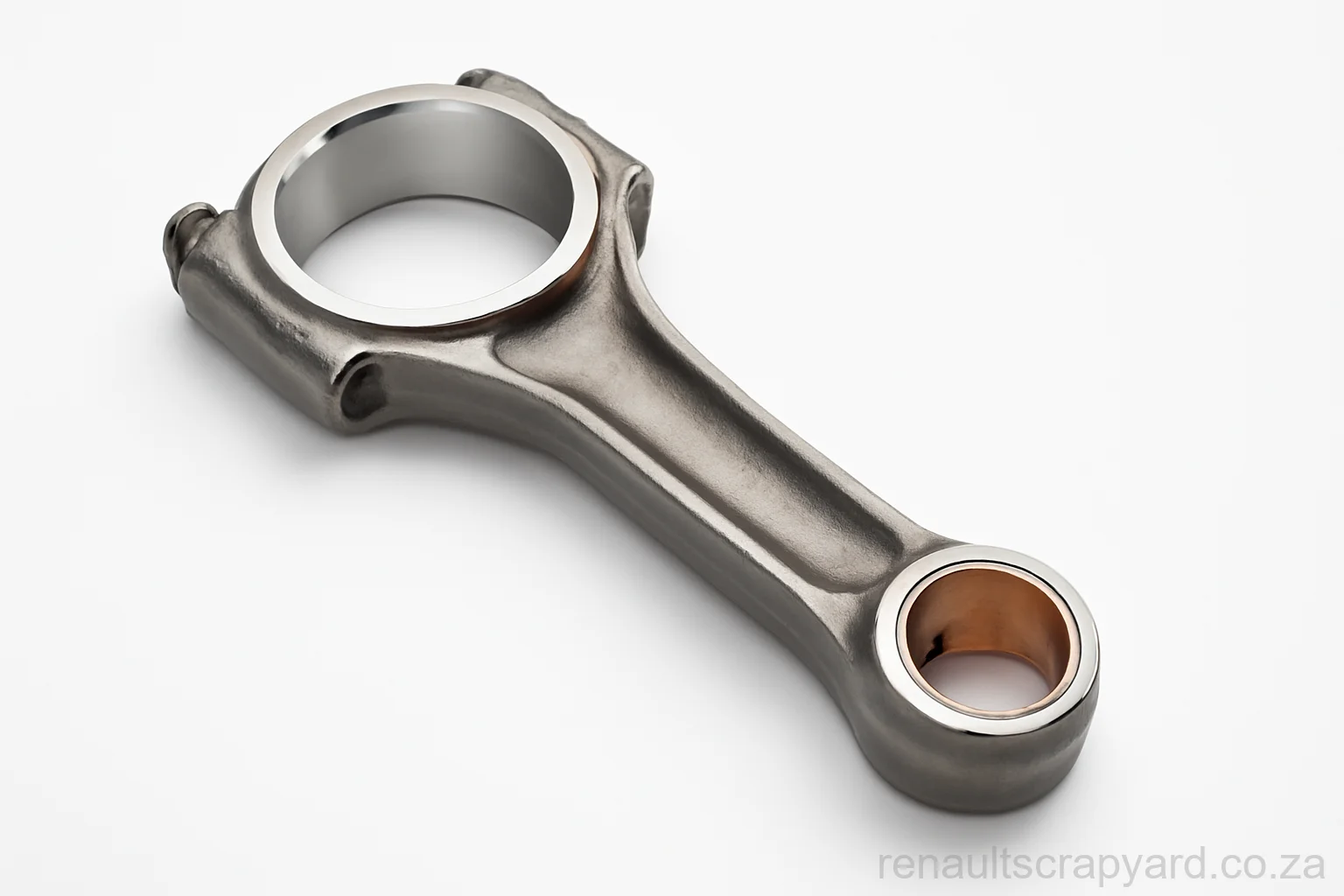
What Are Hyundai H1 Connecting Rods?
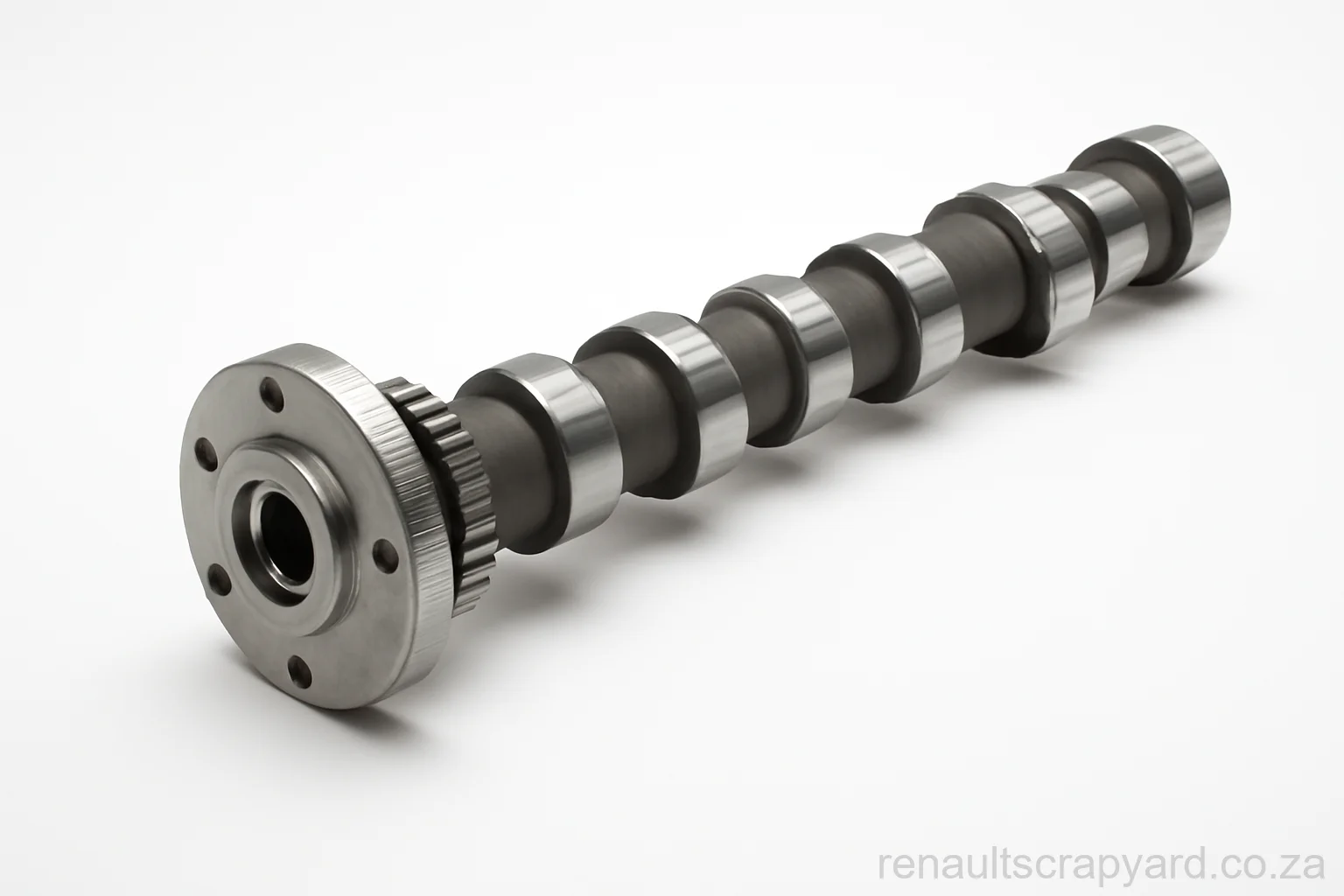
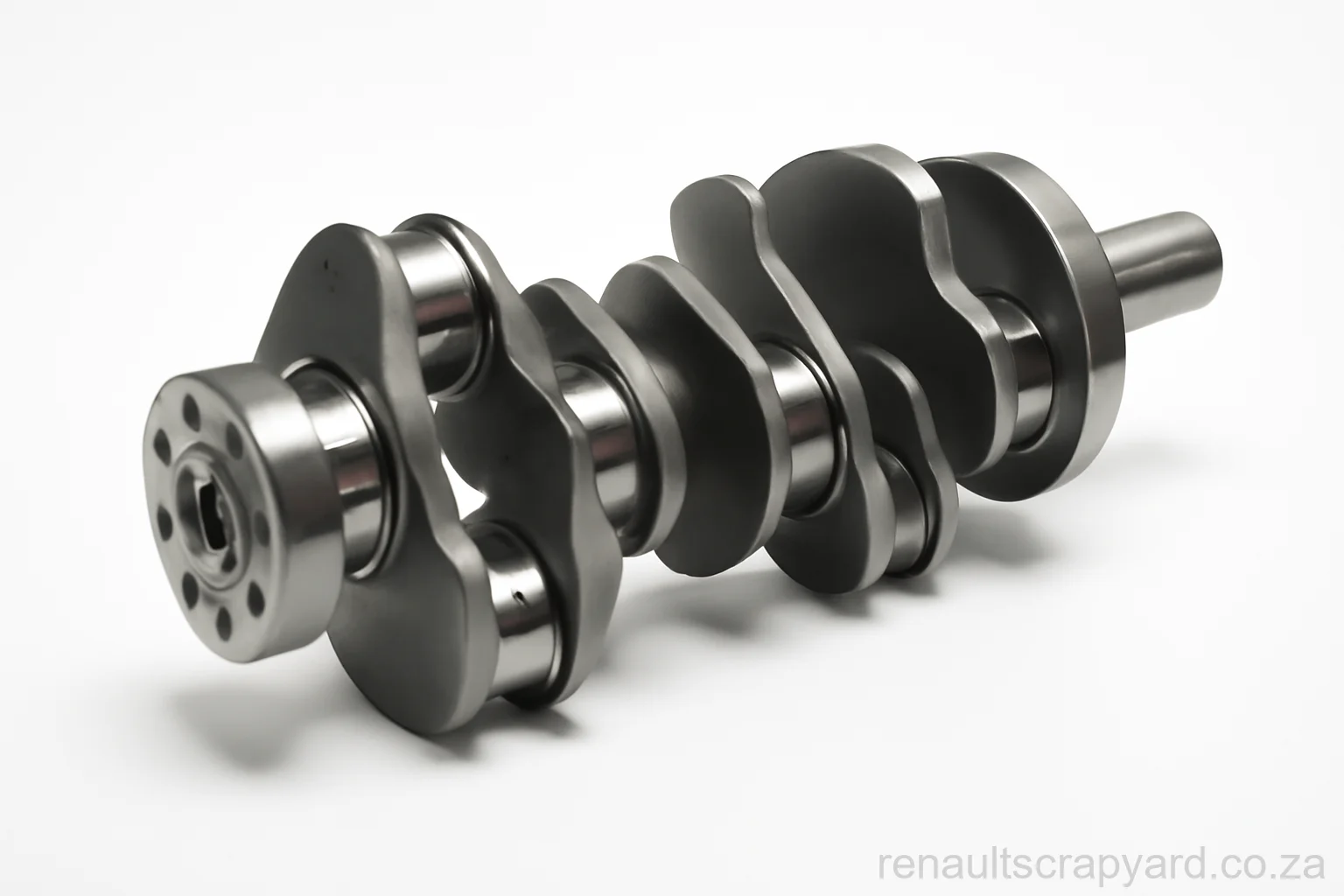
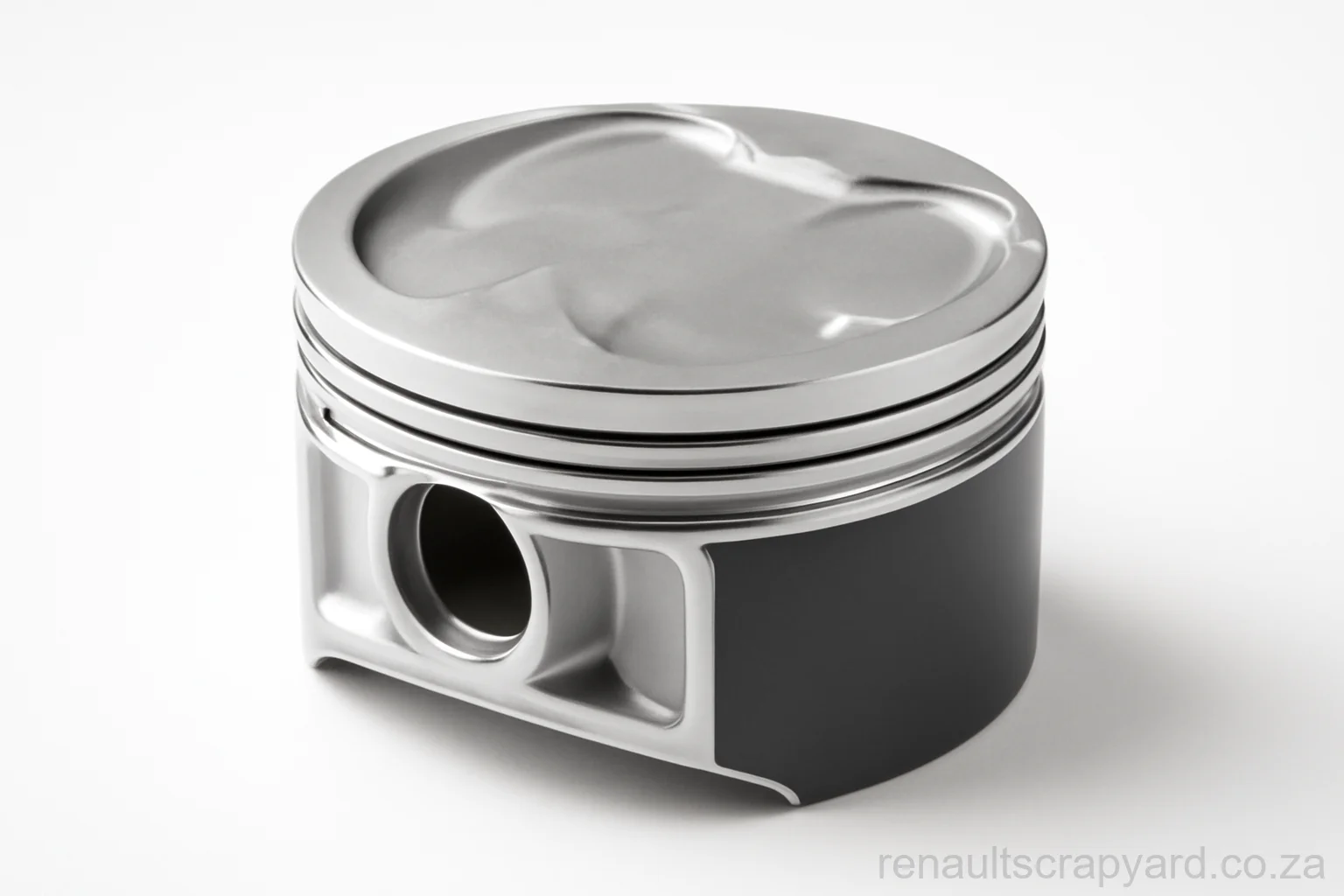
Connecting rods link each piston to the crankshaft inside your Hyundai's engine — transforming up-and-down piston motion into rotation. On 1.6 T-GDi, 2.0 CRDi and TU5JP4 engines they run at eye-watering loads and when one lets go the damage is always engine-out territory.
Signs You Need New Connecting Rods
How we match connecting rods to your H1
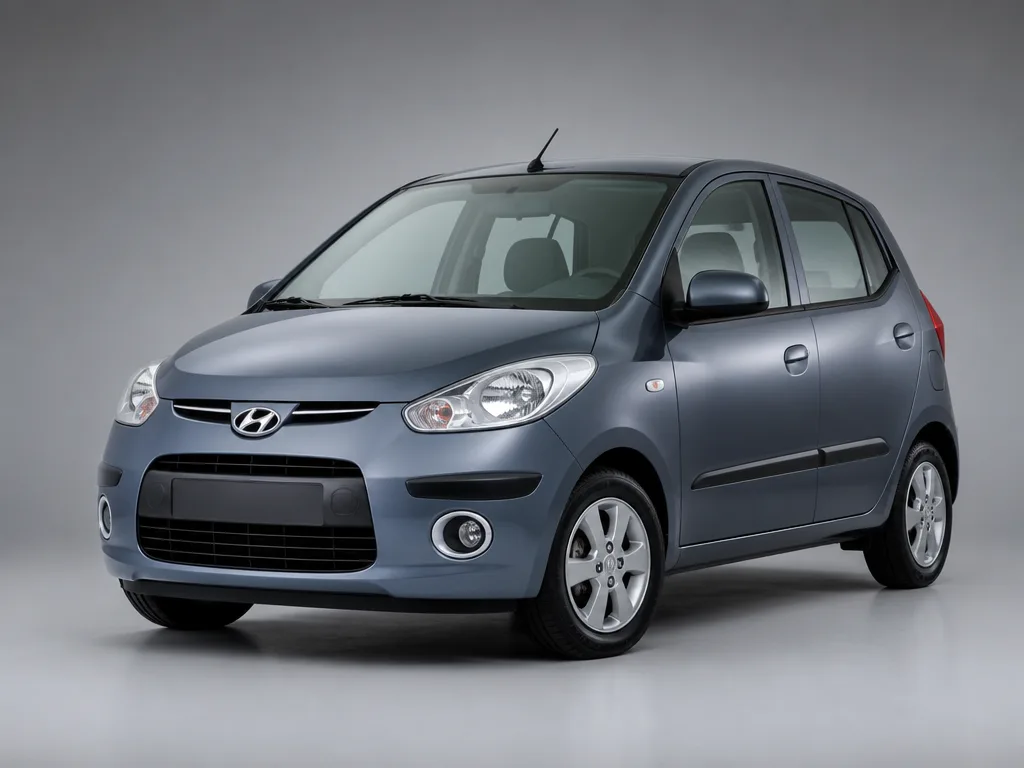
Sold here across the original Starex, then the TQ iLoad, iMax and Grand Starex, the H1 is not one car for parts purposes — it is several.Panel van, bus and people-mover bodies on the same TQ base take different rear-end, glass and trim parts, so tell us the body style, not just the model.
- 1
Find the generation code on your H1 — it appears on the VIN plate and on the original registration paperwork.
- 2
Confirm the engine family. The H1 ran 2.4 petrol on selected Grand Starex derivatives, D4CB 2.5 CRDi and 2.5 TD on the earlier Starex in this market.
- 3
Send both to us with the connecting rods you are after , along with the engine code off the block or VIN plate, and whether the car is petrol or CRDi diesel. We match it before we quote, not after.
Sourcing note: the H1no Kia equivalent — the H1 is its own commercial platform — which widens where we can look when local stock is thin.
In South Africa the H1 is mostly shuttle, tour and staff-transport work, which means very high annual mileage and a strong bias towards diesel injection, turbo and clutch components. That is the wear pattern we stock and source against.
Hyundai H1 Connecting Rods — Questions We Get Asked
Will connecting rods from another H1 fit mine?
Not automatically. The H1 sold in South Africa as the original Starex, then the TQ iLoad, iMax and Grand Starex, and panel van, bus and people-mover bodies on the same TQ base take different rear-end, glass and trim parts, so tell us the body style, not just the model. Send us the generation code off your VIN plate and we will confirm it either way before anything is dispatched.
Which engines did the South African H1 come with?
SA-market cars ran 2.4 petrol on selected Grand Starex derivatives, D4CB 2.5 CRDi, 2.5 TD on the earlier Starex. The code stamped on the block is what we work from — the badge on the boot is not reliable on its own.
How much does a Hyundai connecting rod replacement cost?
Costs are heavy — you're pulling the engine and splitting the block. Labour alone runs many hours plus machining. Racing forged rods from Maxpeeding or TEP (for Getz S16 TU5JP4) are available at SA retail. Send your VIN and mileage for a full quote.
What does a bad connecting rod sound like?
A deep, hollow metallic knock — often described as a hammer hitting the block — worst under load and at mid-rpm. The noise speeds up with engine speed, softens at closed throttle. If you hear this on a 1.6 CRDi or 2.0 T-GDi, stop driving immediately.
Can you drive a Hyundai with rod knock?
No — and we cannot stress this enough. Rod knock means a big-end bearing has failed or the rod itself is cracked. Continued driving will spin the bearing, seize the engine or throw the rod through the block. Tow it, don't drive it.
What causes connecting rod failure in a Hyundai engine?
Oil starvation is the number-one cause — missed oil changes, low oil level, or a failed oil pump on high-mileage 1.6 T-GDi. Hydrolock from water ingestion and over-revving a TU5JP4 also feature. Regular oil changes at the 15,000 km Hyundai interval prevent most failures.
Where can I buy Hyundai connecting rods in South Africa?
Used rods and complete short blocks are available through our supplier network and SA strip yards. Forged upgrade rods (Maxpeeding, TEP) suit performance builds. We VIN-match on engine code — send us your chassis number.
Other Engine Parts for the Hyundai H1
Not sure which connecting rods fits your H1?
Send us your VIN or the engine code off the block and our Hyundai desk will cross-check the correct connecting rods for your exact H1 derivative.