

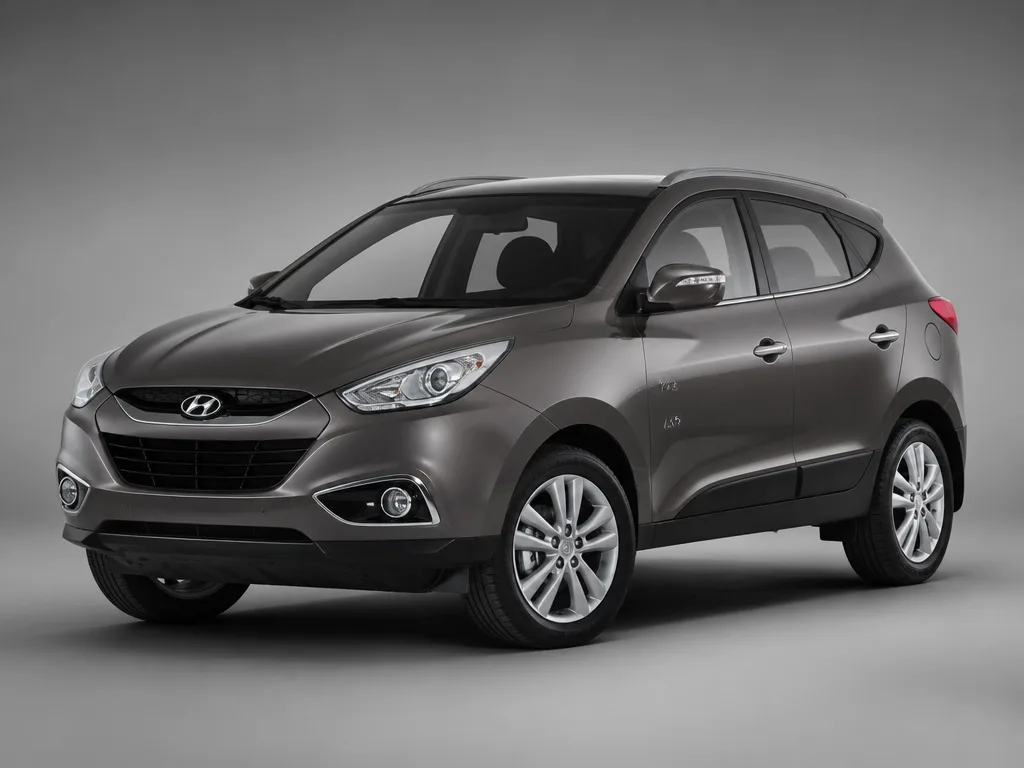

Hyundai H1 Catalytic Converter
Catalytic Converter to suit the Hyundai H1, cross-referenced against OEM specification and dispatched countrywide
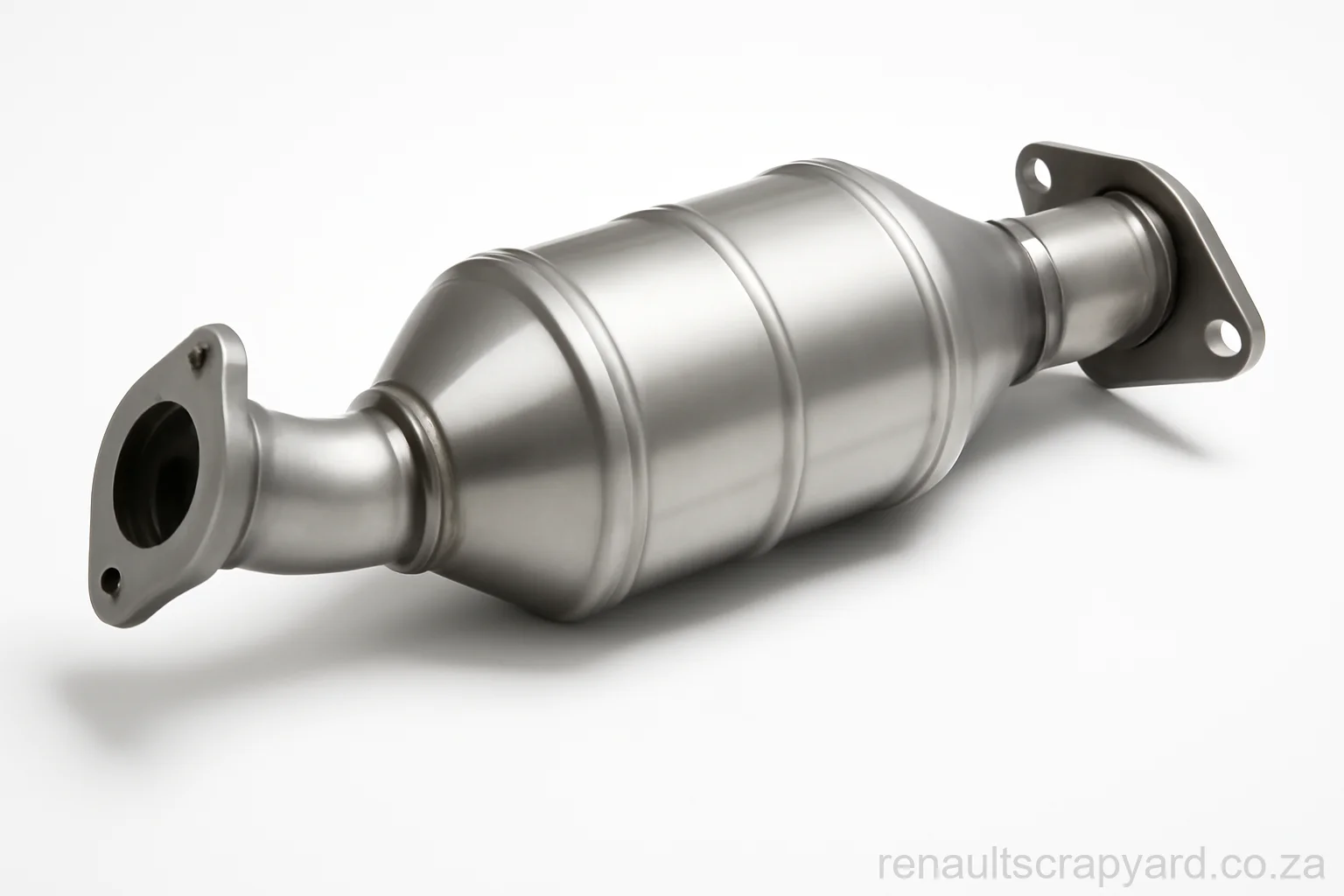
What Are Hyundai H1 Catalytic Converter?
A catalytic converter is a critical emissions control component in your Hyundai's exhaust system that reduces harmful pollutants before they exit the tailpipe. It uses precious metal catalysts (platinum, palladium and rhodium) to convert toxic gases like carbon monoxide, nitrogen oxides and hydrocarbons into less harmful carbon dioxide, nitrogen and water vapour. In Hyundai models, catalytic converters are specifically calibrated for each engine type, whether it's the turbocharged Gamma/T-GDi petrol engines in models like the i20 and Tucson, or the CRDi and U-line CRDi diesel engines found in the Creta and Santa Fe.
Local driving conditions in South Africa, including stop-start city traffic in Johannesburg and Durban, along with our varying fuel quality and dusty roads, can impact catalytic converter longevity. Modern Hyundai vehicles are equipped with oxygen sensors that monitor converter efficiency and any malfunction will trigger the check engine light. Given the high precious metal content, catalytic converter theft has become increasingly common in South Africa, making security measures essential for Hyundai owners, particularly in urban areas.
Signs You Need New Catalytic Converter
H1 generations and catalytic converter — the short version
On the H1, the original Starex, then the TQ iLoad, iMax and Grand Starex are all in circulation locally, and they do not share one parts list.Panel van, bus and people-mover bodies on the same TQ base take different rear-end, glass and trim parts, so tell us the body style, not just the model.
Engine families fitted to the SA-market H1:
Catalytic converters and sensors are emissions-standard specific, so a part from a different market or a different production year of the same Hyundai may physically fit and still not satisfy the engine management.
Send us the model year and engine code, and which section has failed with your enquiry and we will confirm the correct catalytic converter against your car before anything is dispatched.
In South Africa the H1 is mostly shuttle, tour and staff-transport work, which means very high annual mileage and a strong bias towards diesel injection, turbo and clutch components. That is the wear pattern we stock and source against.
Hyundai H1 Catalytic Converter — Questions We Get Asked
Will catalytic converter from another H1 fit mine?
Not automatically. The H1 sold in South Africa as the original Starex, then the TQ iLoad, iMax and Grand Starex, and panel van, bus and people-mover bodies on the same TQ base take different rear-end, glass and trim parts, so tell us the body style, not just the model. Send us the generation code off your VIN plate and we will confirm it either way before anything is dispatched.
Which engines did the South African H1 come with?
SA-market cars ran 2.4 petrol on selected Grand Starex derivatives, D4CB 2.5 CRDi, 2.5 TD on the earlier Starex. The code stamped on the block is what we work from — the badge on the boot is not reliable on its own.
How much does a Hyundai catalytic converter replacement cost in South Africa?
Catalytic converter replacement for Hyundai models typically ranges from R8,500 to R25,000 depending on the model and engine type. Petrol engines like the Gamma/T-GDi generally cost R8,500-R14,700, while CRDi diesel converters can reach R17,100-R24,750 due to additional particulate filter integration. Labour adds another R1,450-R2,950 depending on accessibility and whether oxygen sensors need replacement.
Can I drive my Hyundai with a faulty catalytic converter?
While you can technically drive with a faulty catalytic converter, it's not recommended for extended periods. You'll experience reduced performance, increased fuel consumption and potential damage to oxygen sensors and other exhaust components. In South Africa, driving with a failed converter also means your vehicle will fail emissions testing required for license renewal in certain metros.
How long should a Hyundai catalytic converter last?
Under normal conditions, a Hyundai catalytic converter should last 120,000-160,000 km or approximately 10 years. However, South African factors like inconsistent fuel quality, short city trips that prevent proper operating temperature and dusty conditions can reduce lifespan. U-line CRDi and CRDi diesel engines may experience earlier failure if diesel particulate filters aren't properly maintained through regular highway driving.
What causes catalytic converter failure in Hyundai vehicles?
Common causes include oil or coolant contamination from worn engine seals (especially in high-mileage Gamma engines), using leaded or contaminated fuel, repeated short trips preventing full warm-up, physical damage from speed bumps or rough roads and faulty oxygen sensors providing incorrect mixture data. In turbocharged T-GDi engines, oil consumption issues can accelerate converter degradation if not addressed promptly.
How can I protect my Hyundai catalytic converter from theft in South Africa?
Install a catalytic converter shield or cage (costs R2,450-R4,700 fitted), park in secure, well-lit areas or garages when possible and consider engraving the converter with your vehicle's VIN. Some insurance companies offer specific theft coverage and installing an alarm system with tilt sensors (R2,850-R5,650) provides additional protection, notably important for Hyundai Creta and Santa Fe models which are frequently targeted.
Learn More About Hyundai H1 Catalytic Converter
Official Hyundai service intervals and maintenance guidelines for South African models
Educational resource on how catalytic converters work and maintenance tips from the Automobile Association
Comprehensive technical information about catalytic converter operation and chemistry
Not sure which catalytic converter fits your H1?
Send us your VIN or the engine code off the block and our Hyundai desk will cross-check the correct catalytic converter for your exact H1 derivative.