





Hyundai H1 Pressure Plate
We source pressure plate for every H1 generation sold in South Africa, then check the fit against your VIN before it leaves the warehouse
What Are Hyundai H1 Pressure Plate?
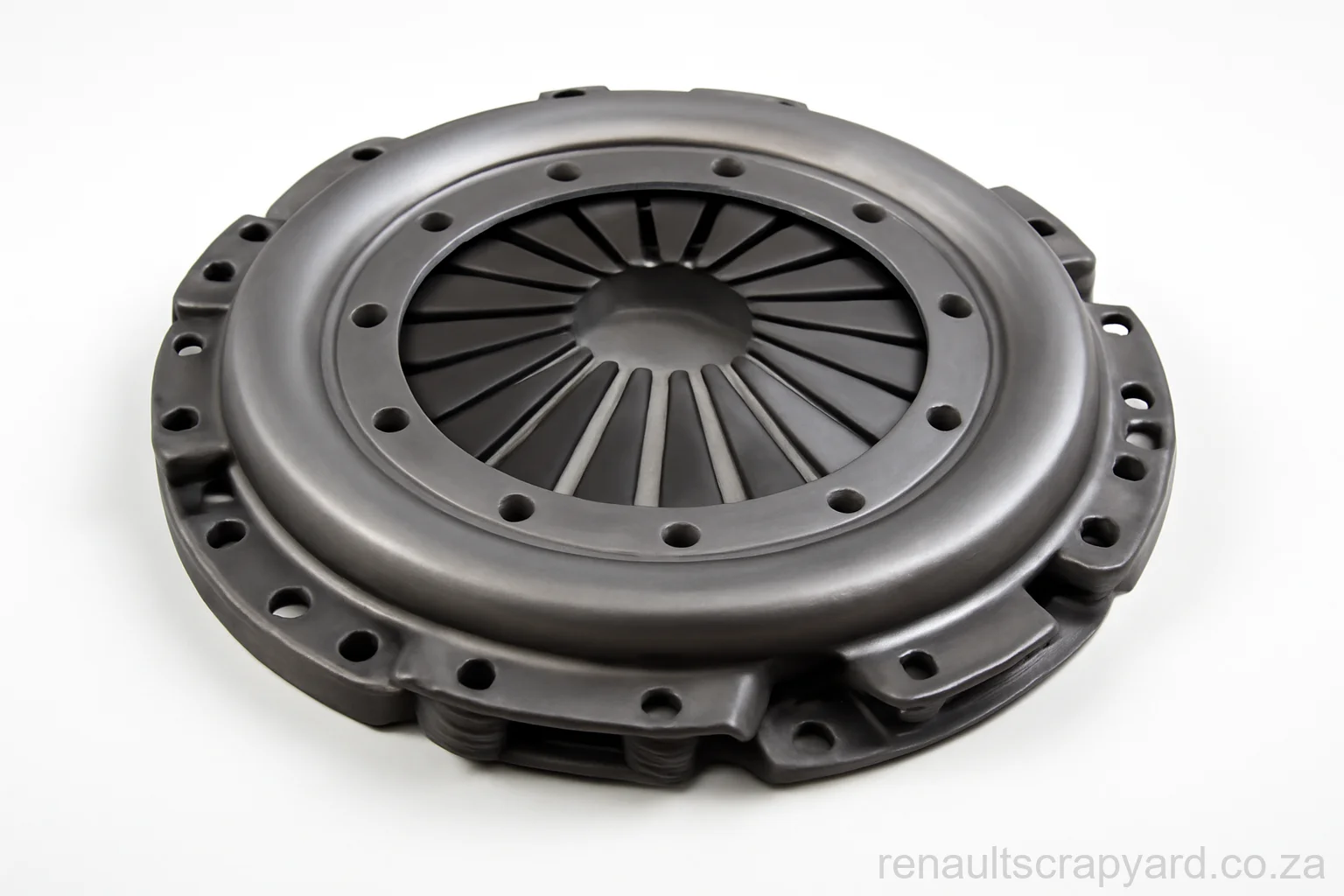
The pressure plate is the spring-loaded cover that clamps the clutch friction disc against the flywheel. On Hyundai i20 and Accent we see the diaphragm fingers warp when the clutch has been ridden hard, causing judder as the car pulls away.
Signs You Need New Pressure Plate
What a parts desk needs to know about your H1
Ordering pressure plate for a H1 starts with the generation: the original Starex, then the TQ iLoad, iMax and Grand Starex.Panel van, bus and people-mover bodies on the same TQ base take different rear-end, glass and trim parts, so tell us the body style, not just the model.
- 1
Find the generation code on your H1 — it appears on the VIN plate and on the original registration paperwork.
- 2
Confirm the engine family. The H1 ran 2.4 petrol on selected Grand Starex derivatives, D4CB 2.5 CRDi and 2.5 TD on the earlier Starex in this market.
- 3
Send both to us with the pressure plate you are after , along with manual or automatic, the number of gears, and the engine it is bolted to. We match it before we quote, not after.
Sourcing note: the H1no Kia equivalent — the H1 is its own commercial platform — which widens where we can look when local stock is thin.
In South Africa the H1 is mostly shuttle, tour and staff-transport work, which means very high annual mileage and a strong bias towards diesel injection, turbo and clutch components. That is the wear pattern we stock and source against.
H1 Pressure Plate: Common Questions
Will pressure plate from another H1 fit mine?
Not automatically. The H1 sold in South Africa as the original Starex, then the TQ iLoad, iMax and Grand Starex, and panel van, bus and people-mover bodies on the same TQ base take different rear-end, glass and trim parts, so tell us the body style, not just the model. Send us the generation code off your VIN plate and we will confirm it either way before anything is dispatched.
Can you source pressure plate for the H1 if local stock is dry?
Usually, yes. The H1 no Kia equivalent — the H1 is its own commercial platform, which gives us a second catalogue to search when Hyundai-listed stock runs out. We will tell you what we are quoting rather than leaving you to guess.
How much does a Hyundai pressure plate cost in South Africa?
SA pricing is strong: Valeo kits for Hyundai Azera run R3,500-R4,500 and the Millennium kit for Getz, Accent and Sonata is R2,895. Pressure plate alone is rarely sold separately. Pro Hyundai Spares and our supplier network stock these.
What are the symptoms of a worn Hyundai pressure plate?
Judder on take-off, especially when the engine is warm, is the classic sign. Slipping under load and a burnt smell follow. On i20 and Accent this warms through as the diaphragm fingers bend from hot, hard driving.
Why is my Hyundai juddering when pulling away?
Hot, warped pressure-plate fingers grip unevenly, so the clutch bites in stutters instead of smoothly. Oil contamination from a weeping rear main seal does the same. Either way, the fix is a full clutch kit, not just the plate.
Can you replace just the pressure plate or do you need a full clutch kit?
Always fit a full kit. Pressure plate, friction disc and release bearing wear together and replacing one in three usually leaves the others failing inside a year. Labour is the same, so kit pricing beats piecemeal repairs.
How much does a Hyundai clutch kit cost in SA?
Aftermarket kits for Getz, Accent and Sonata run around R2,086. Valeo kits for Azera are R3,500-R4,500. Fitted at an SA indie, budget R5,950-R10,500 all in. Get a free quote with your engine code.
Learn More About Hyundai H1 Pressure Plate
Tell us which H1 you have
The H1 sold here as the original Starex, then the TQ iLoad, iMax and Grand Starex, and they do not share one parts list. Give us the generation code and we will do the rest.