








Hyundai H100 Temperature Sensors
Temperature Sensors for the Hyundai H100 — new, used and aftermarket stock, quoted once we know which H100 you are running
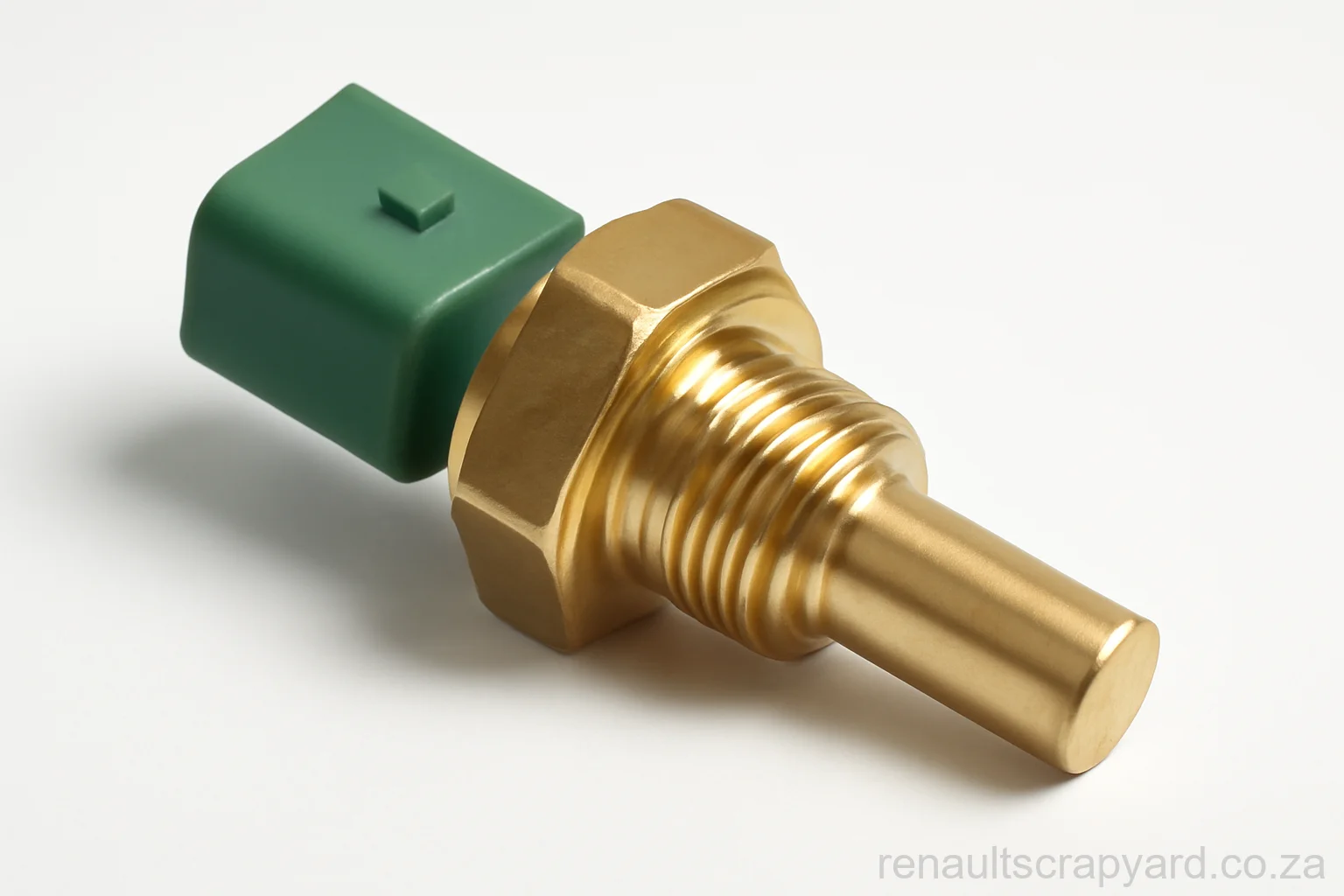
What Are Hyundai H100 Temperature Sensors?
The coolant temperature sensor (ECT) tells your Hyundai's ECU the engine temperature, driving cooling fan activation, fuelling and the dashboard gauge. Across Getz, i20, i30, Accent, Sonata, Creta and Santa Fe we see this sensor fail often — a stuck-cold reading stops the fan and causes overheating.
Signs You Need New Temperature Sensors
H100 generations and temperature sensors — the short version
Does one temperature sensors listing cover every H100?
No. On the H100, Porter, Porter II and the H100 bakkie are all in circulation locally, and they do not share one parts list.Dropside, tipper and canopy conversions mean the load body is frequently not standard, so load-bed and rear-body parts have to be matched to the conversion rather than to the model.
Which engine is in my H100?
SA-market cars were sold with the 2.5 and 2.6 diesels as badged on the SA derivatives. The code stamped on the block settles it — the badge on the boot does not.
What do you need from me to quote temperature sensors?
Petrol or diesel, and whether the car has air conditioning. Air-conditioned and non-air-conditioned Hyundais take different radiators and fan assemblies, and the CRDi diesels add intercooler plumbing that the petrol cars simply do not have.
In South Africa the H100 is mostly small-business transport that is loaded to its limit daily, which is why clutch, driveline and front-suspension parts dominate demand rather than trim or electronics. That is the wear pattern we stock and source against.
Hyundai H100 Temperature Sensors FAQs
Will temperature sensors from another H100 fit mine?
Not automatically. The H100 sold in South Africa as Porter, Porter II and the H100 bakkie, and dropside, tipper and canopy conversions mean the load body is frequently not standard, so load-bed and rear-body parts have to be matched to the conversion rather than to the model. Send us the generation code off your VIN plate and we will confirm it either way before anything is dispatched.
What should I send you when asking about H100 temperature sensors?
The VIN is the single most useful thing — a photo of the plate is fine. Failing that, the generation code and the engine code off the block. The H100 ran as Porter, Porter II and the H100 bakkie, so the generation is what narrows the search.
What are the symptoms of a bad Hyundai coolant temperature sensor?
Temperature gauge jumping or stuck low, check engine light, poor fuel economy and a cooling fan that won't activate. Hard cold starts with the engine running too rich are another tell — the ECU thinks it's always warming up and keeps dumping fuel.
How much does a Hyundai coolant temperature sensor cost in South Africa?
A Hyundai coolant temp sensor (covering i10 to H1 fitment) costs around R65.93. A workshop charges maybe an hour's labour to fit. Request a free quote through our form for your specific engine — 1.4, 1.6 T-GDi and 1.6 CRDi use different sensors.
Can a faulty coolant temperature sensor cause my Hyundai to overheat?
Yes — if the sensor is stuck reading cold, the ECU never triggers the cooling fan and the engine cooks in traffic. We see this across the i20, Accent and Creta range. Replace with a revised OEM part, not a cheap generic, or the fault returns within months.
Why is my Hyundai temperature gauge jumping to red?
Either genuine overheating or a failing sensor giving false readings. Stop and check coolant level first — low coolant confirms a leak or failed thermostat. A solid cold dash on restart with no actual heat signs points at the sensor.
Can a bad coolant temp sensor cause poor fuel economy?
Yes. If the sensor reports cold when the engine is hot, the ECU keeps the mixture enriched as if still warming up. You'll see fuel consumption climb 10 to 20 percent, especially on shorter commuter trips. Replacement restores economy immediately.
Learn More About Hyundai H100 Temperature Sensors
Get your H100 temperature sensors matched properly
A part number from the old unit, or simply your VIN, is enough for us to identify the right temperature sensors for your H100.