

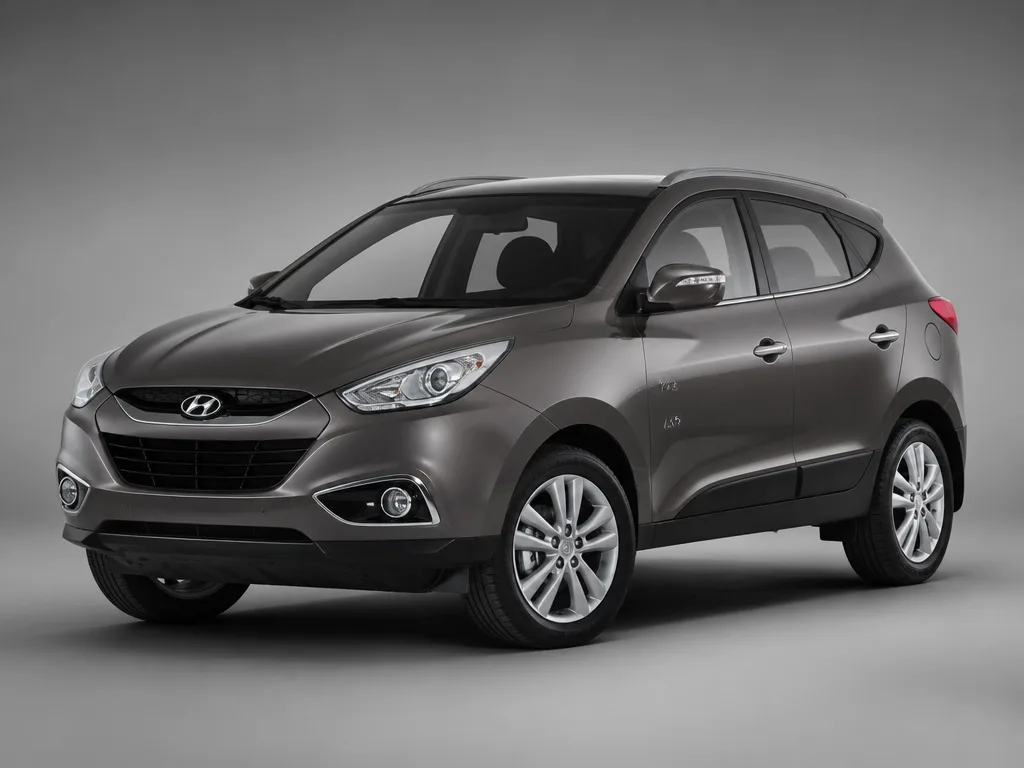

Hyundai i10 Electrical: Buy Genuine & Aftermarket Parts
Electrical components and accessories that keep a Hyundai charged and running matched to the Hyundai i10 and dispatched countrywide with every order tracked
Narrow Down Electrical for the i10
The VIN, and the fault code if the car has been scanned will settle most of these — pick the component below and we will confirm the rest.
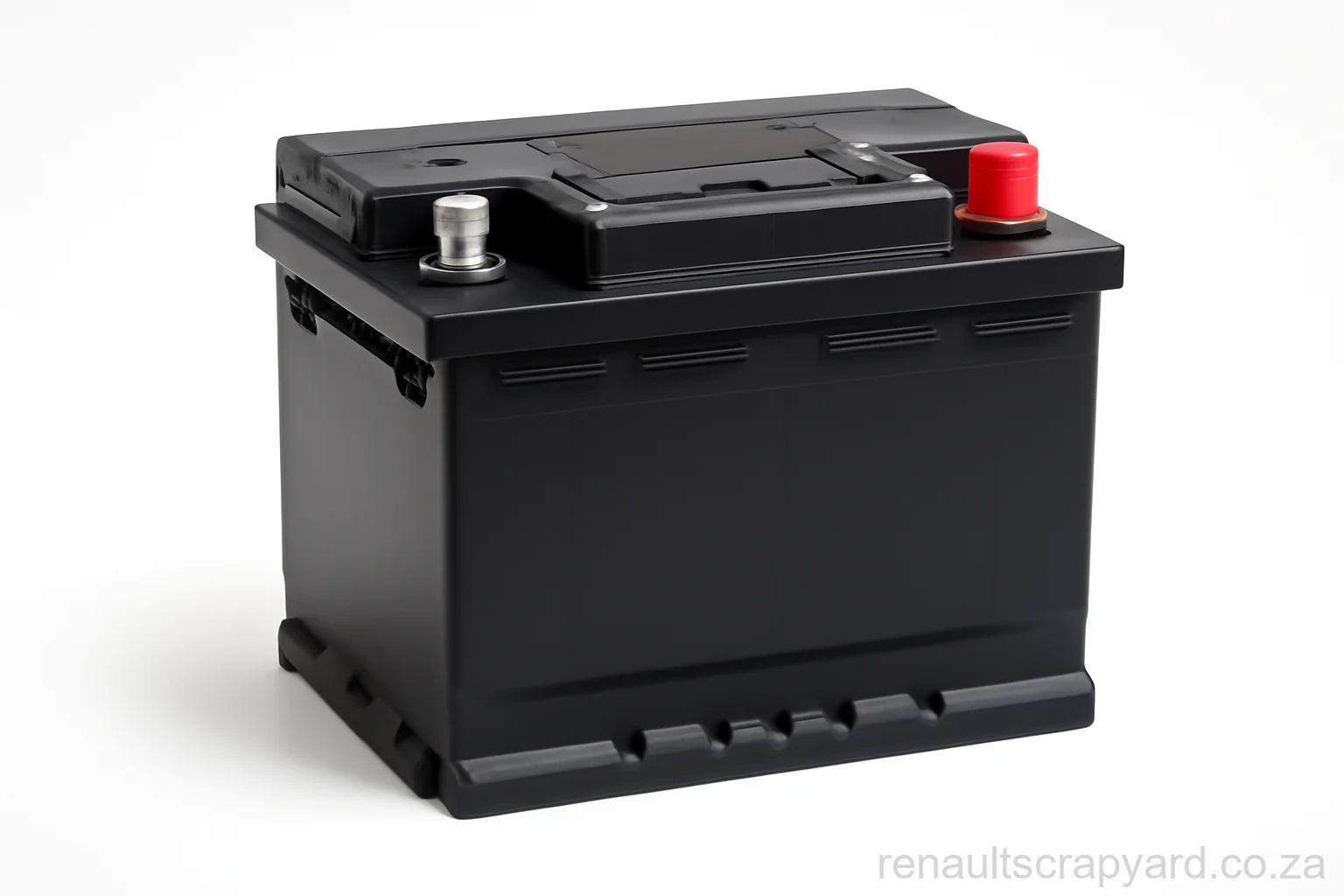
Hyundai i10 Battery
Fast MovingCar batteries and accessories that deliver reliable starts for Hyundai vehicles
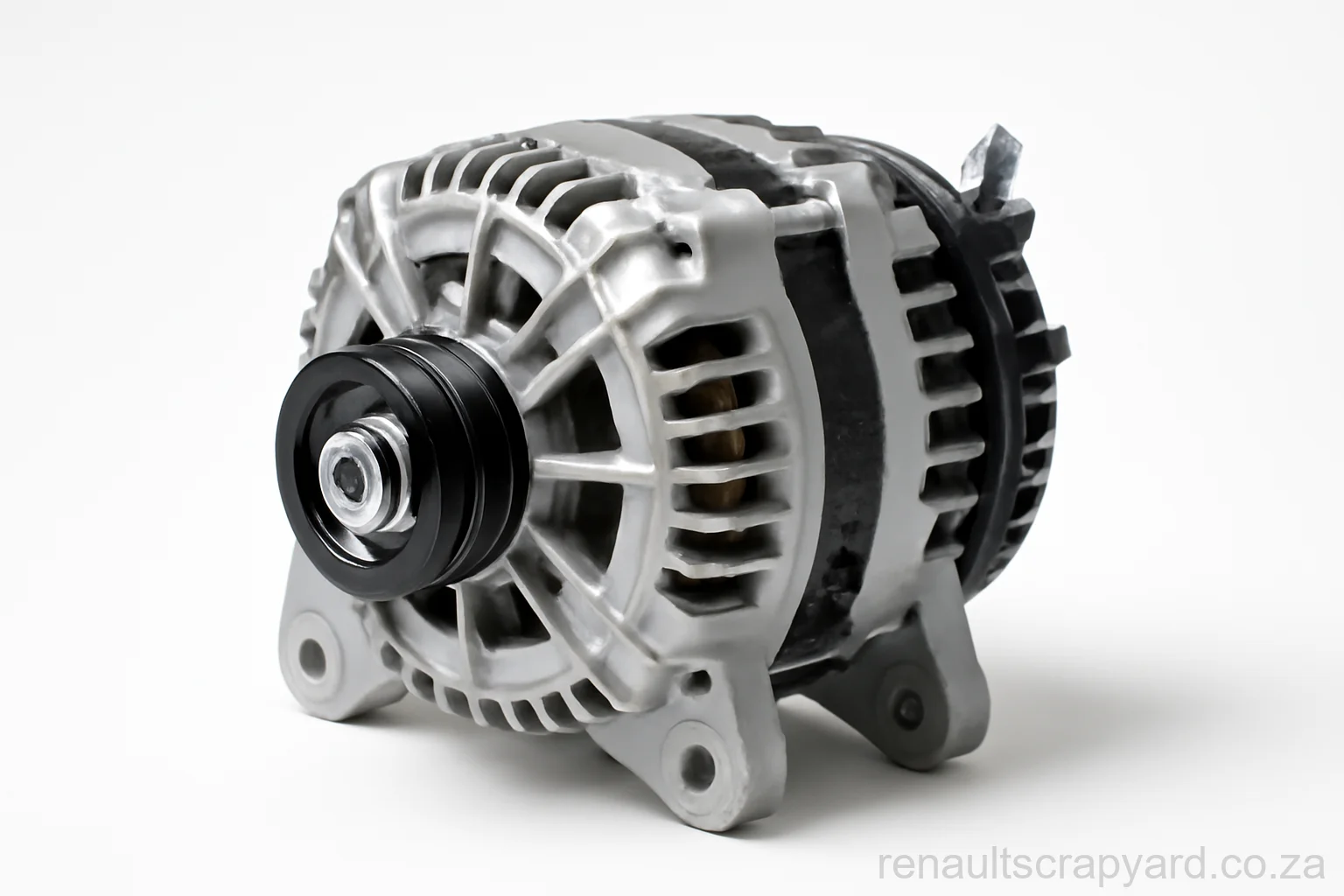
Hyundai i10 Alternator
Fast MovingAlternators that keep the Hyundai charging system topped up on the move
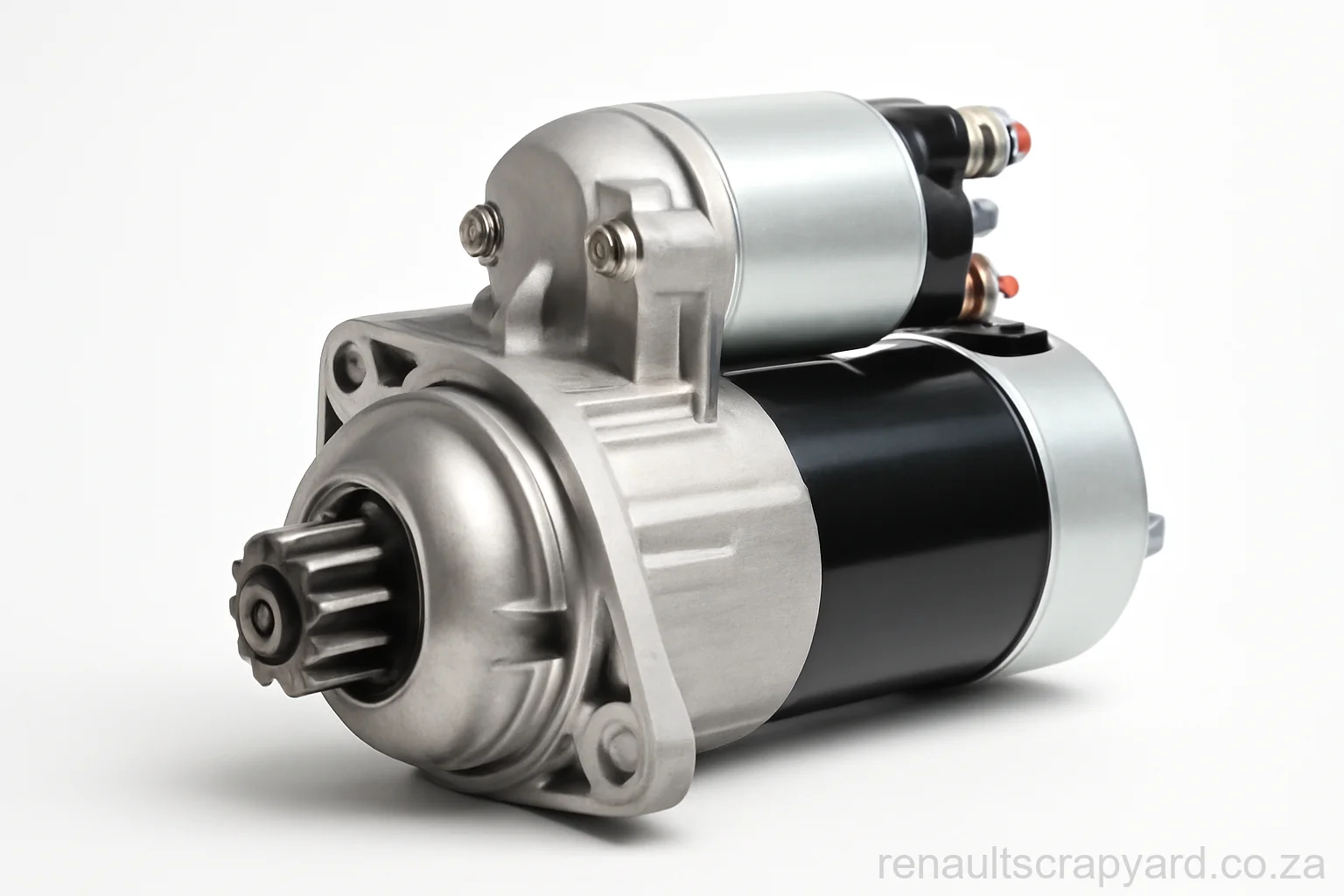
Hyundai i10 Starter
Fast MovingStarter motors and assemblies that crank Hyundai engines over reliably
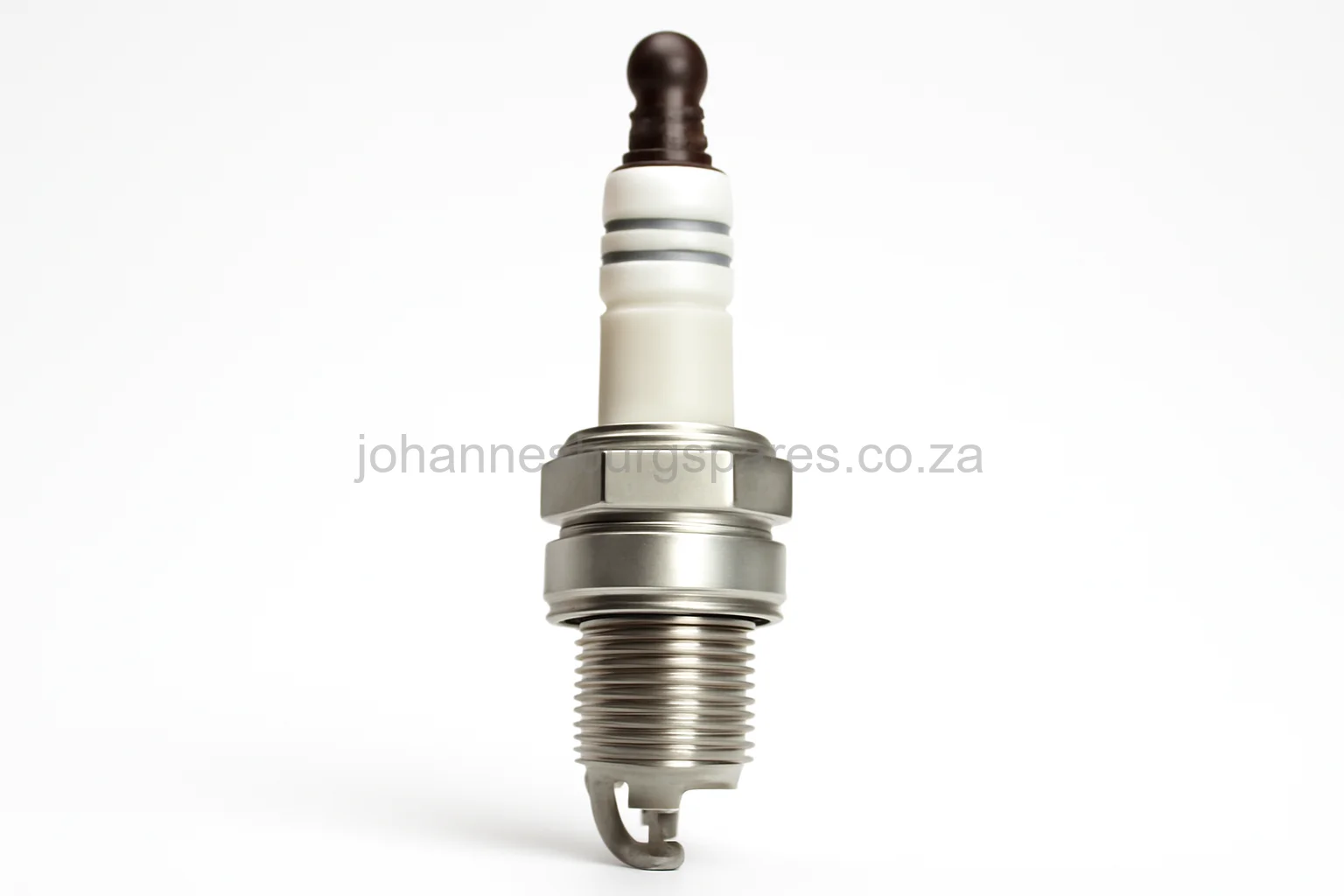
Hyundai i10 Spark Plugs
Fast MovingIgnition spark plugs that keep Hyundai petrol engines firing cleanly
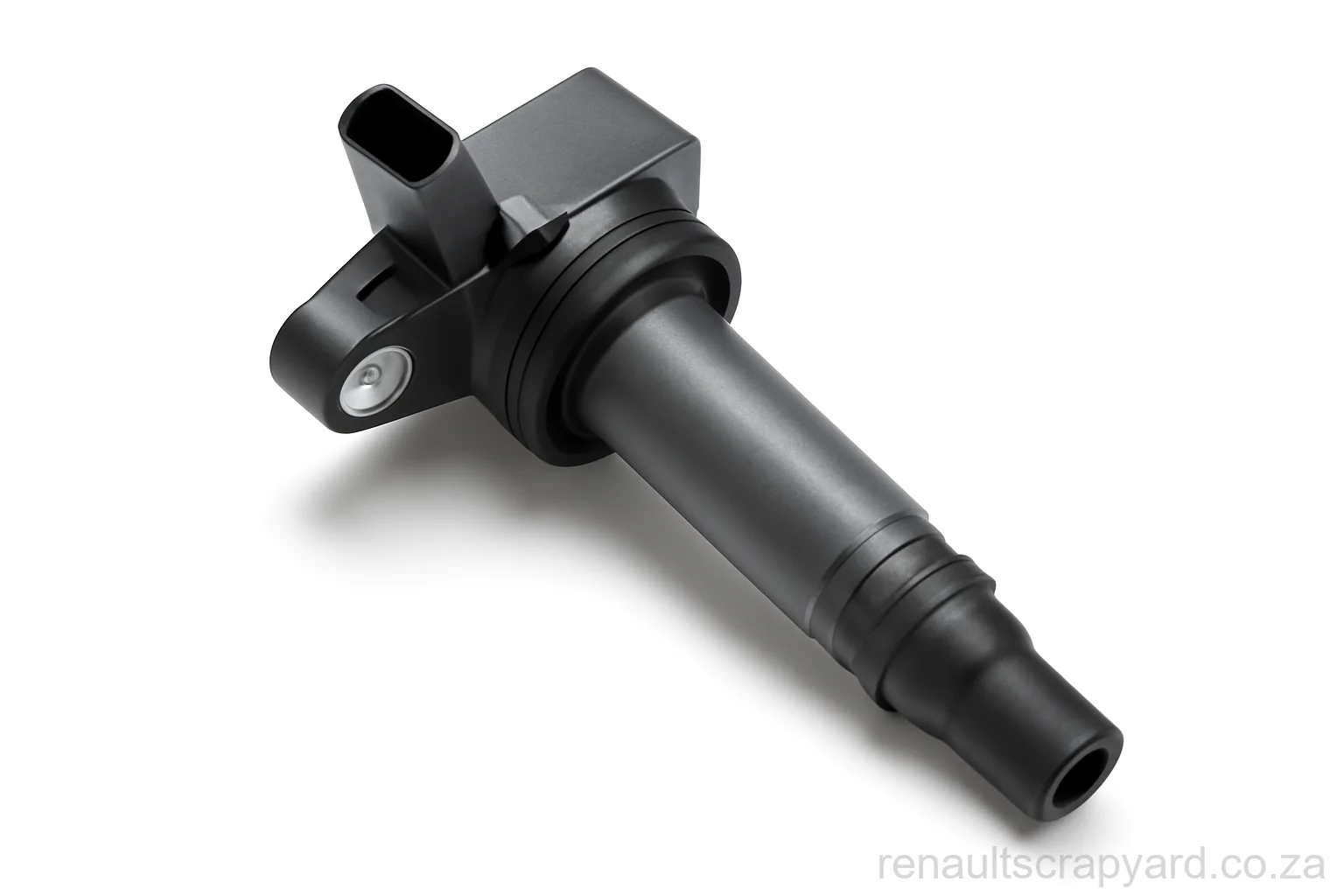
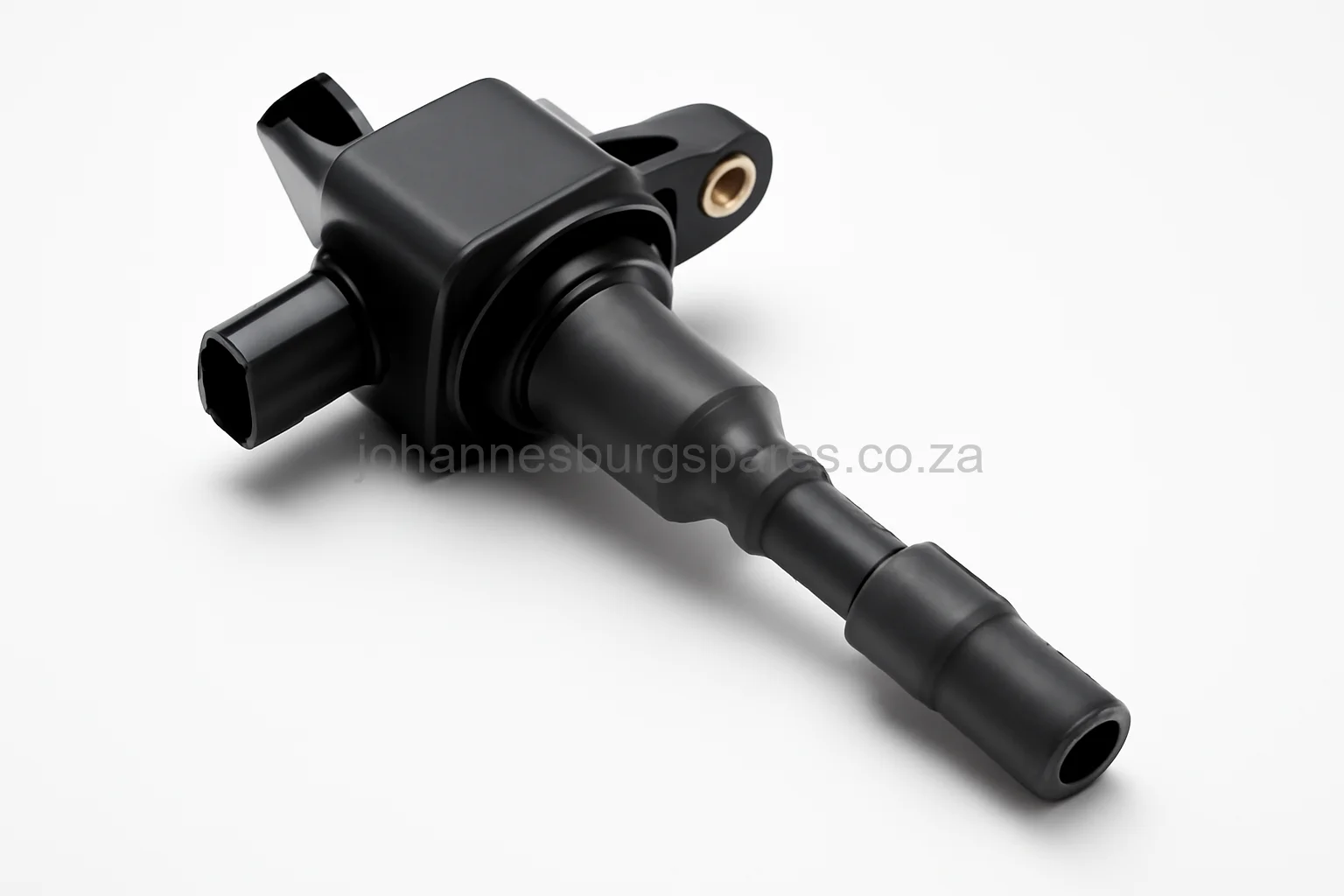
Hyundai i10 Ignition Coils
Fast MovingIgnition coils and coil packs that generate the spark on Hyundai petrol engines
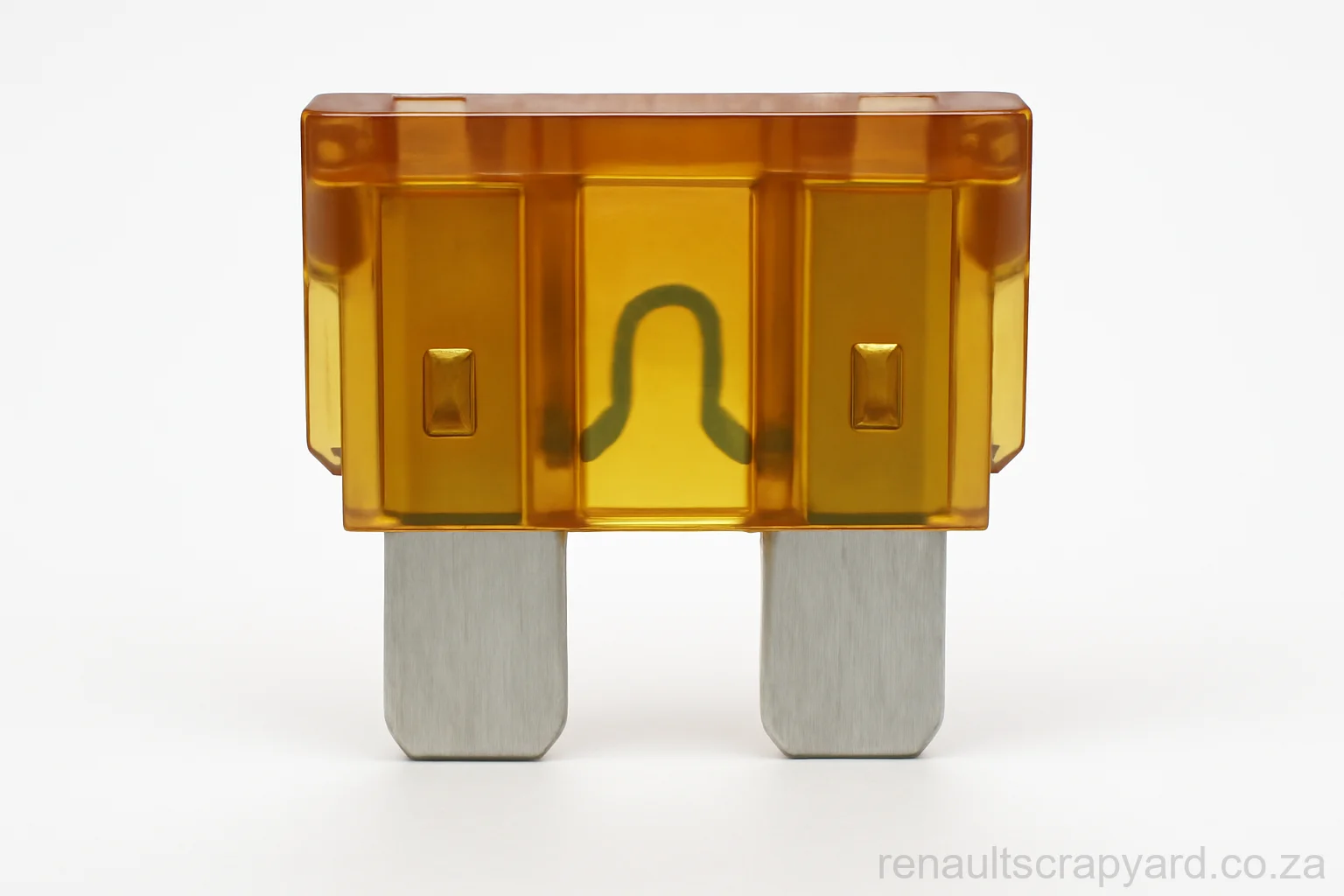
Hyundai i10 Fuses
In DemandBlade fuses and fuse boxes that protect the Hyundai electrical circuits
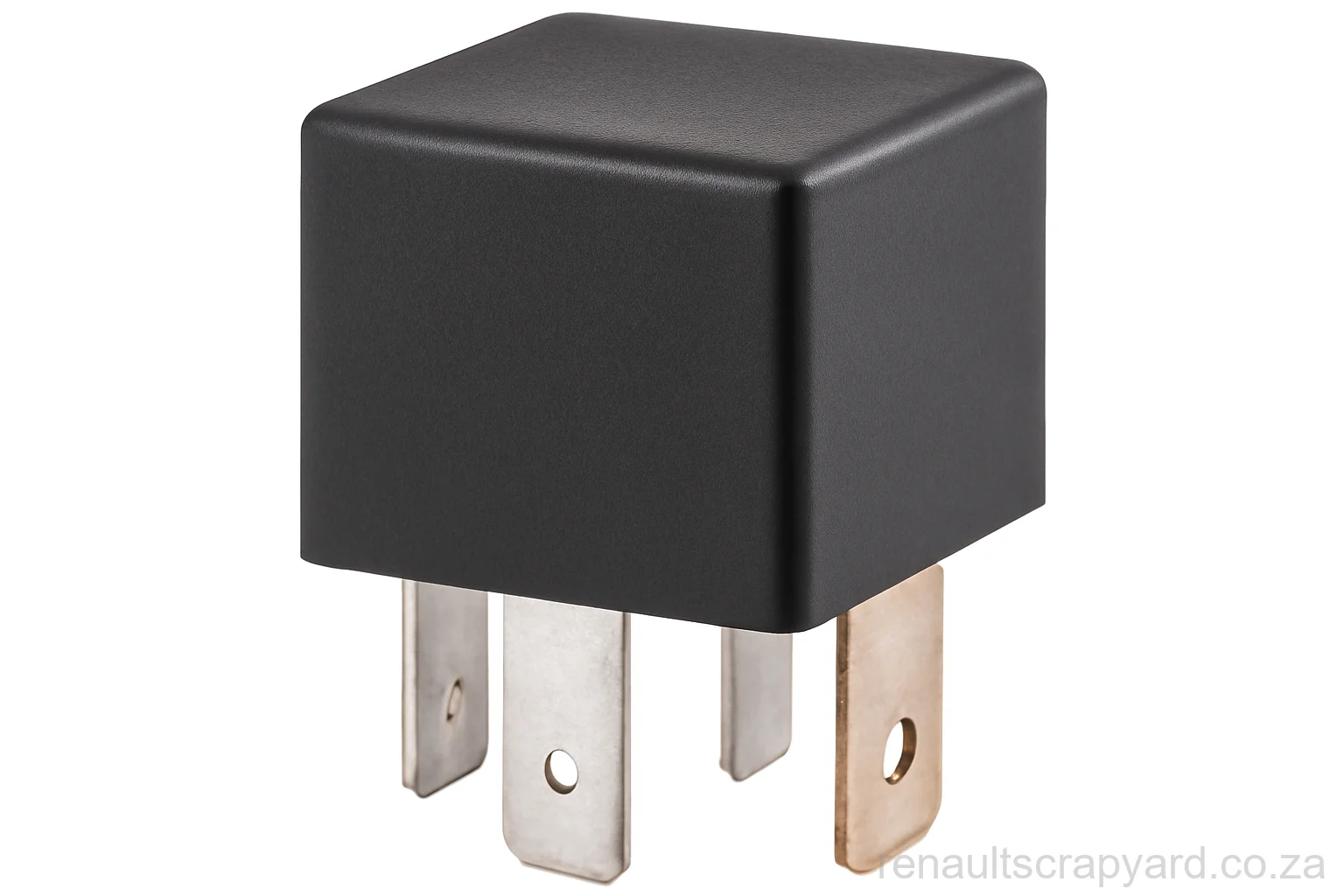
Hyundai i10 Relays
In DemandAutomotive relays and switches that route power around a Hyundai
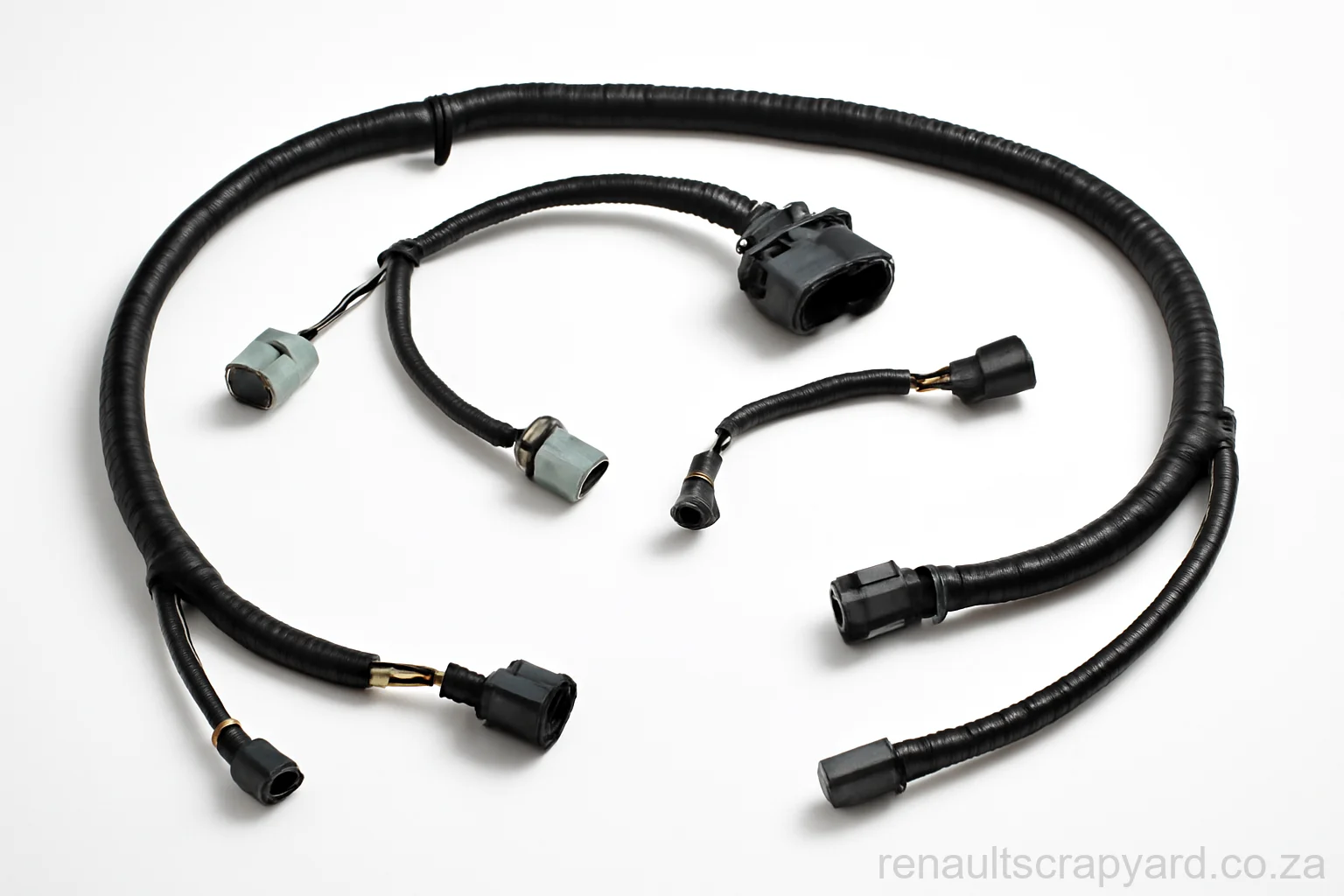
Hyundai i10 Wiring Harness
In DemandEngine and body wiring harnesses and looms for Hyundai vehicles
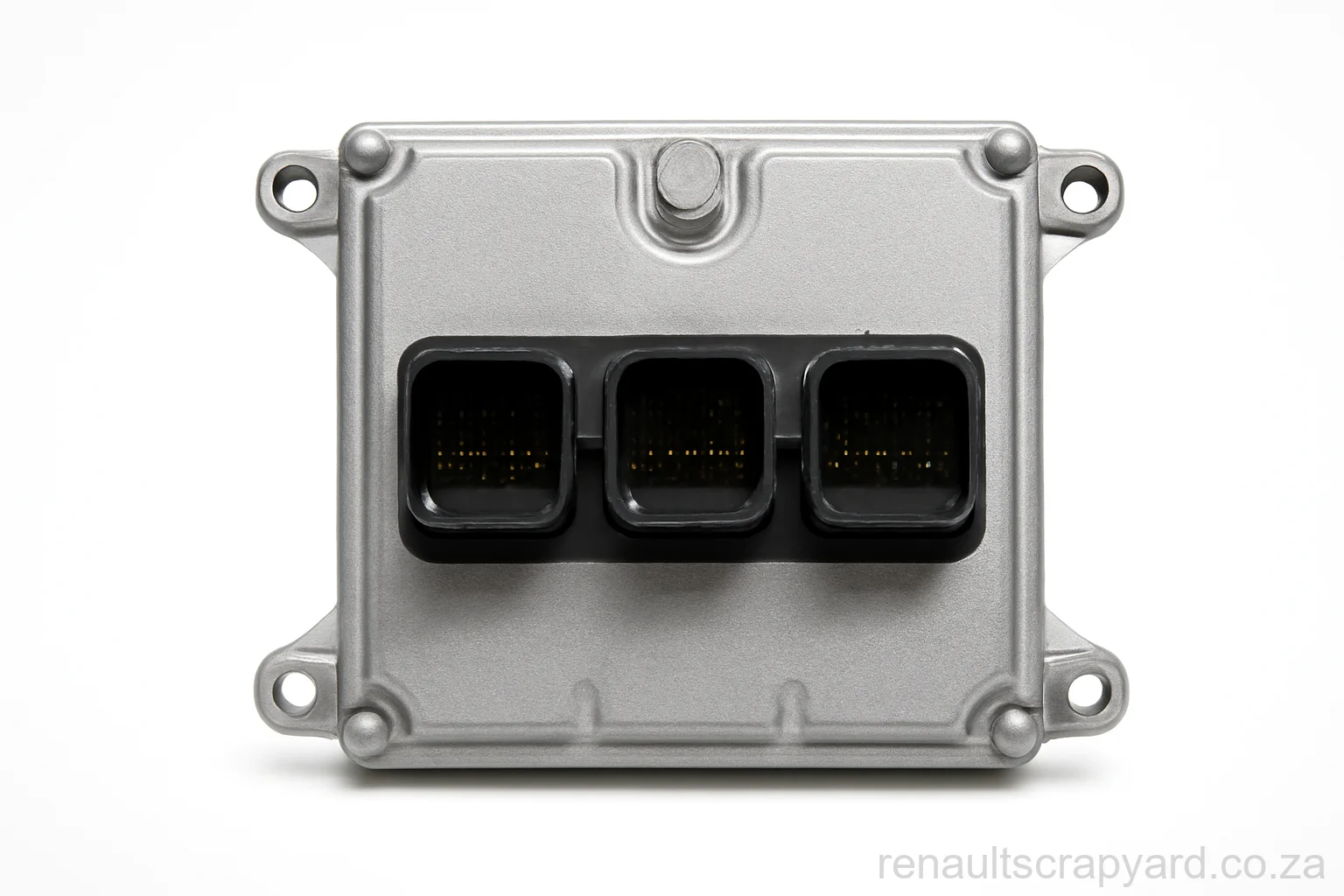
Hyundai i10 ECU/PCM
StockedEngine control units and powertrain modules that run a Hyundai
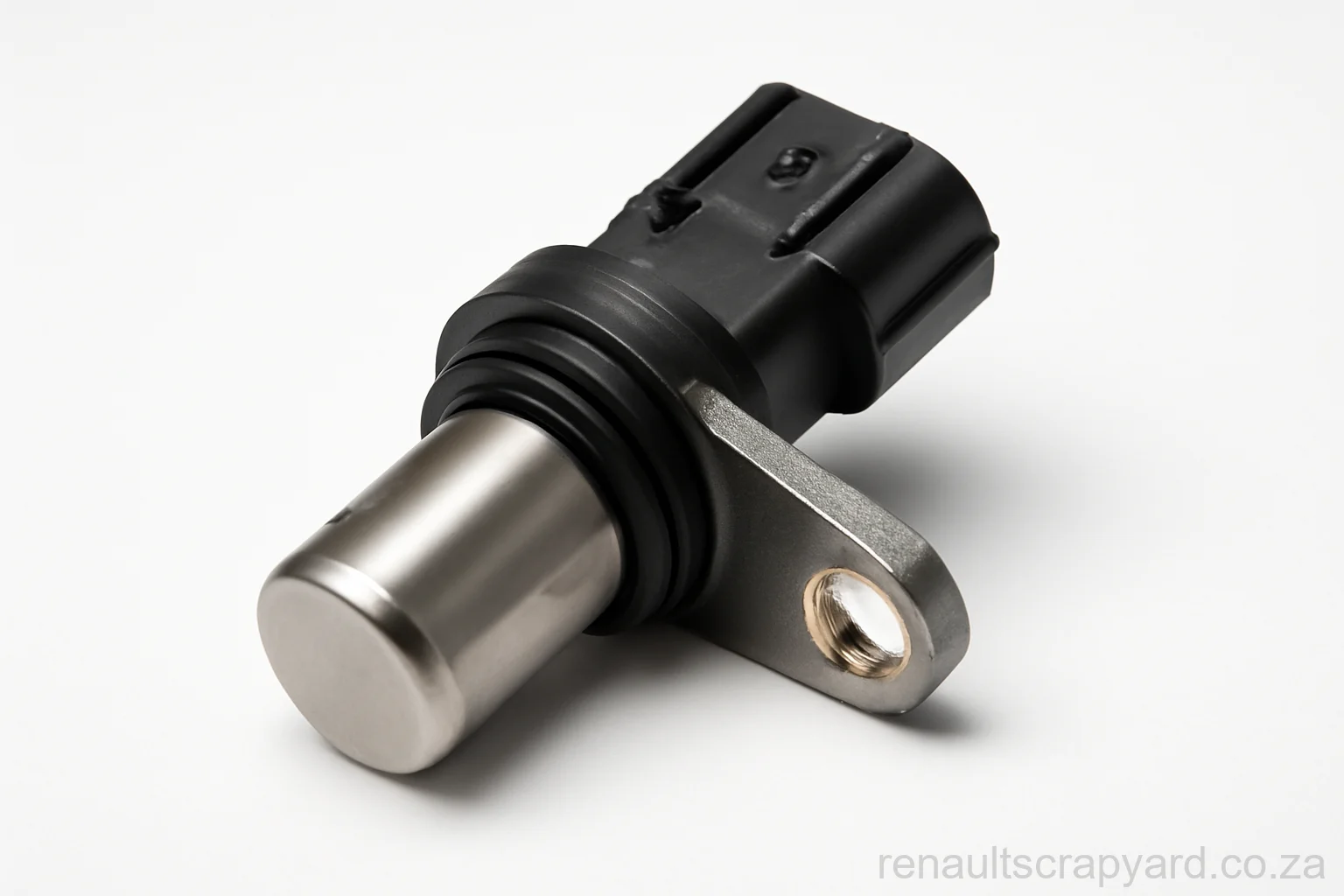
Hyundai i10 Sensors
In DemandEngine and vehicle sensors that feed the Hyundai management system
What Are Hyundai i10 Electrical?
Electrical is the category where "which Hyundai" matters least and "which derivative" matters most. The charging and starting hardware — battery, alternator, starter — follows the engine, and the CRDi diesels add glow plugs and their control relay that no Kappa or Gamma petrol car carries at all. Above that sits everything the trim level decided: air conditioning brings its own relays and sensors, and higher derivatives add body-control and driver-assistance modules that base cars simply do not have. Some of those items are coded to the car and will not function on a plug-in swap, so the VIN is not optional here.
Conditions here shorten electrical life at both ends of the country. Highveld heat is hard on batteries — three to four years is a realistic working life in South African heat rather than the figure printed on the label — and coastal humidity attacks connectors and earth points until an intermittent fault appears that no scan tool can pin down. Stop-start metro traffic keeps alternators working to recover a battery that never quite gets there. If a workshop has already scanned the car, send the fault code through with the VIN; it usually halves the conversation.
Signs You Need New Electrical
SA-Market i10 Derivatives We Supply Electrical For
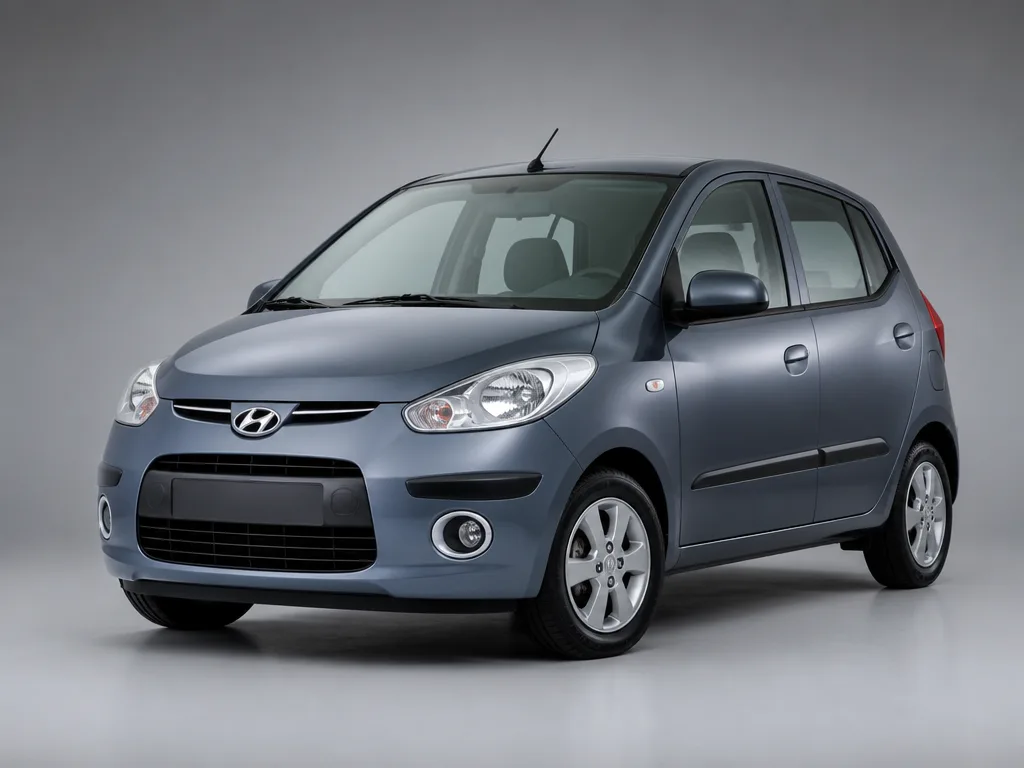
The i10 reached South Africa as PA, then the Grand i10 BA, then AI3, running Epsilon 1.1 (PA), Kappa 1.25 (Grand i10) and Kappa 1.2 (AI3). Electrical fitment splits on the generation code long before it splits on trim, and again between petrol and CRDi diesel derivatives. The original PA i10 and the later Grand i10 are separate platforms with separate parts catalogues — "i10" on its own is not enough to order from. Find your derivative below, then send the code from your VIN plate with your enquiry.
- Hyundai i10 PA 1.1 GLS
- Hyundai i10 BA Grand i10 1.25 Motion
- Hyundai i10 BA Grand i10 1.25 Fluid
- Hyundai i10 AI3 1.2 Motion
Sourcing note: the i10 shares the Kappa petrol family with the Kia Picanto, which gives us a second place to look when local stock runs dry.
Before you order electrical for a i10
The i10 reached South Africa as PA, then the Grand i10 BA, then AI3, and that alone changes what fits.The original PA i10 and the later Grand i10 are separate platforms with separate parts catalogues — "i10" on its own is not enough to order from.
Engine families fitted to the SA-market i10:
Coded and paired components — immobiliser-linked and body-control items in particular — will not simply plug in on a Hyundai. Some need matching to the car before they will function.
Send us the VIN, and the fault code if the car has been scanned with your enquiry and we will confirm the correct electrical against your car before anything is dispatched.
In South Africa the i10 is mostly first cars, driving-school fleets and short-hop city work, so components see far more cold starts per thousand kilometres than the odometer suggests. That is the wear pattern we stock and source against.
Hyundai i10 Electrical — Questions We Get Asked
Does electrical fitment change across i10 generations?
Yes, and it is the first thing we check. The i10 sold here as PA, then the Grand i10 BA, then AI3, and the original PA i10 and the later Grand i10 are separate platforms with separate parts catalogues — "i10" on its own is not enough to order from. Give us the generation code and the rest follows quickly.
Which i10 engines were sold in South Africa?
Epsilon 1.1 (PA), Kappa 1.25 (Grand i10) and Kappa 1.2 (AI3). Electrical fitment often follows the engine family rather than the model name, so the code on the block is worth reading before you order.
What are the electrical components in a car?
Key electrical components in a Hyundai include the battery (storing power), alternator (generating electricity while driving), starter motor (cranking the engine), ECU (managing engine functions), ignition system (spark plugs and coils for petrol engines, glow plugs for diesels), sensors (oxygen, MAF, camshaft position), wiring harnesses, fuses, relays and control modules for ABS, airbags and comfort features. Modern Hyundais like the Tucson and Creta also have sophisticated electrical systems managing touchscreen infotainment, parking sensors and driver assistance technology.
What are the symptoms of an electrical problem in a car?
Common symptoms include difficulty starting the engine, dimming or flickering lights, dashboard warning lights (especially battery or check engine lights), intermittent failure of accessories like windows or air conditioning, unusual clicking sounds when turning the key and in Hyundai T-GDi or CRDi engines, rough idling or poor performance due to faulty sensors. In South African heat, a failing alternator may cause the battery light to illuminate and eventually lead to complete electrical shutdown while driving.
How much does it cost to replace a Hyundai battery in South Africa?
A quality replacement battery for most Hyundai models costs between R1,500 and R3,500 depending on the model and battery specification. Smaller models like the i20 with Gamma engines typically need batteries around R1,600-R2,250, while larger vehicles like the Creta or Santa Fe may require R2,400-R3,550 for higher-capacity batteries. Start-stop system batteries used in newer models are more expensive, ranging from R2,700-R4,350, but last longer and handle frequent cycling better in urban SA traffic.
How to fix an electrical problem in a car?
Start by checking the battery terminals for corrosion (common in coastal SA regions) and ensuring tight connections, then test battery voltage (should be 12.6V when off, 13.5-14.5V when running). Inspect fuses and relays for blown components and check earth/ground connections which often corrode. For persistent issues in Hyundais, a diagnostic scan will reveal fault codes from the ECU pointing to specific sensor or module failures—alternators typically cost R2,400-R4,350 to replace, starter motors R1,700-R3,550 and common sensors R500-R1,750.
How long does a Hyundai alternator last in South Africa?
Hyundai alternators typically last 100,000-150,000 km under normal conditions, but South African heat, dust and stop-start traffic can reduce this to 80,000-120,000 km. Signs of alternator failure include battery warning light, dimming lights, or electrical accessories losing power while driving. Replacement alternators for Gamma, T-GDi and CRDi engines cost R2,400-R5,200 depending on the model, with genuine Hyundai parts at the higher end and quality aftermarket options available from R2,200.
Learn More About Hyundai i10 Electrical
Official Hyundai SA website with model information, service booking and authorized dealer locator for genuine electrical parts and diagnostics.
Automobile Association of South Africa guidance on battery maintenance, testing and breakdown assistance for electrical failures.
Related Categories for Hyundai i10
Need the right electrical for your Hyundai i10?
Send us the VIN, and the fault code if the car has been scanned and our Hyundai desk will confirm the correct electrical for your i10 before quoting.