






Hyundai i10 Timing Belts
Timing Belts for the Hyundai i10 — new, used and aftermarket stock, quoted once we know which i10 you are running
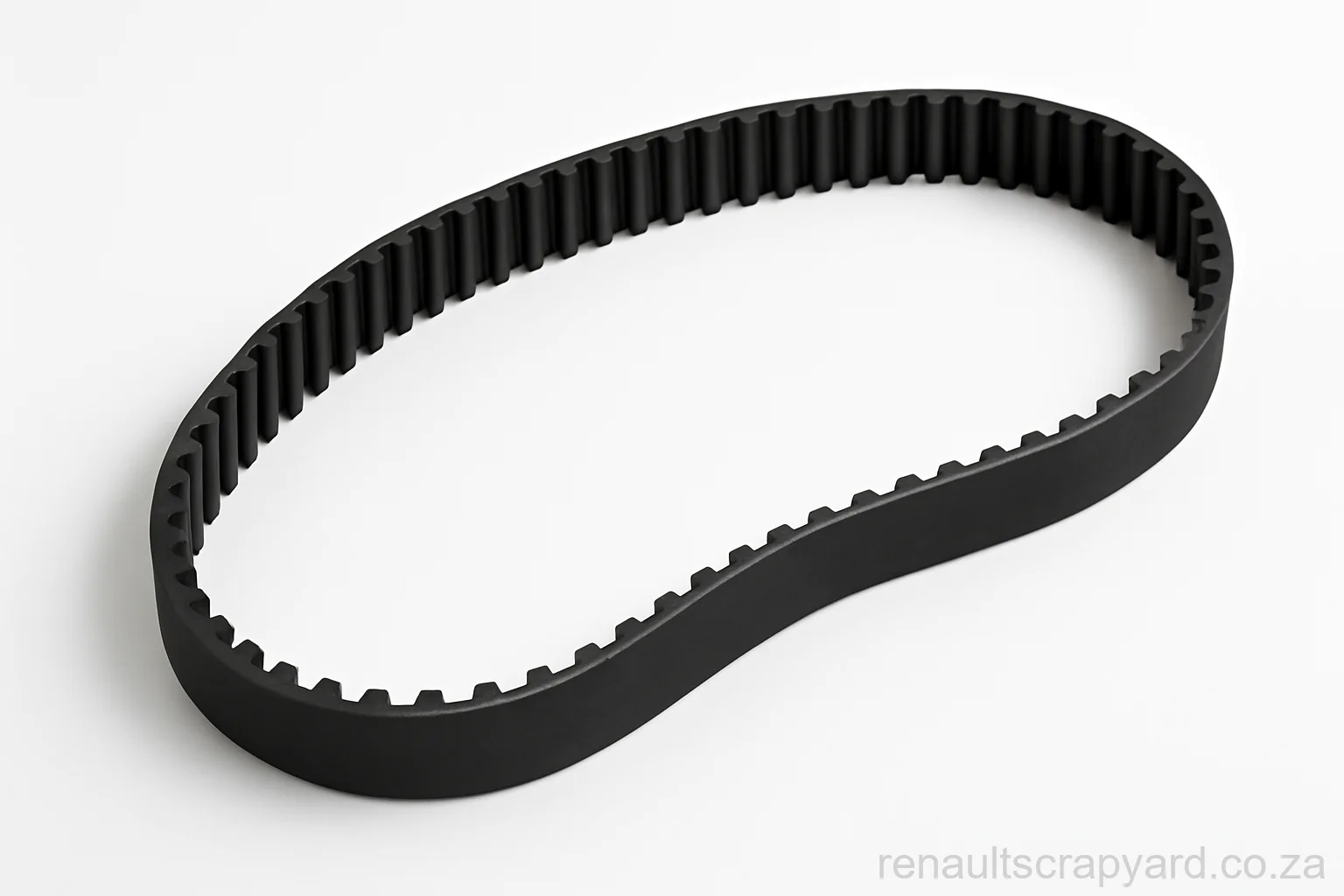
What Are Hyundai i10 Timing Belts?
A timing belt in your Hyundai is a critical rubber belt reinforced with fibre cords that synchronises the rotation of the crankshaft and camshaft, ensuring your engine's valves open and close at precisely the right times during combustion. In South African Hyundai models, timing belts are key components in popular engines like the 1.6 T-GDi (Gamma turbocharged petrol), 1.2 Kappa and CRDi diesel engines (including U-line CRDi variants). Unlike timing chains, belts require regular replacement and their failure can cause catastrophic engine damage, particularly in interference engines common in Hyundais.
Given conditions on South African roads—including extreme heat in provinces like Limpopo and Gauteng, dusty roads and stop-start urban traffic in cities like Johannesburg and Cape Town—timing belts face additional stress and may require replacement within manufacturer intervals. Most Hyundai timing belts need replacement every 80,000 to 120,000 km or 5-7 years, whichever comes first. The belt typically drives the water pump as well, so it's recommended to replace both simultaneously along with tensioners and idler pulleys to avoid premature failure and costly repeat labour charges.
Signs You Need New Timing Belts
Getting the right timing belts for your i10 first time
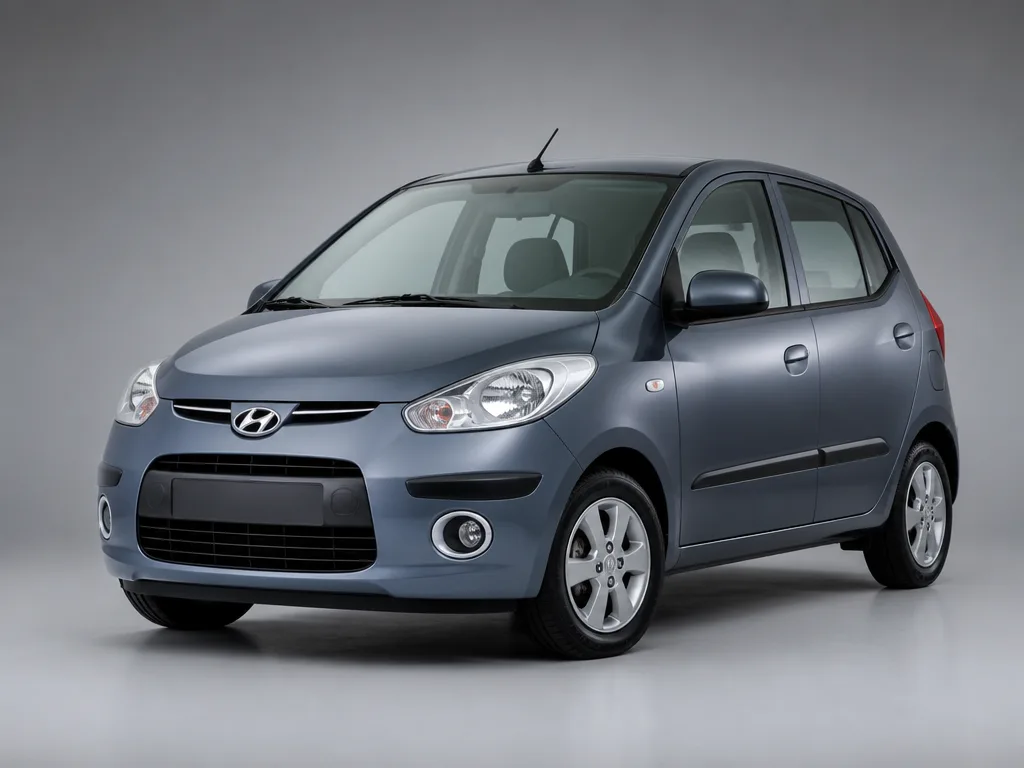
Ordering timing belts for a i10 starts with the generation: PA, then the Grand i10 BA, then AI3.The original PA i10 and the later Grand i10 are separate platforms with separate parts catalogues — "i10" on its own is not enough to order from.
Engine families fitted to the SA-market i10:
Hyundai used several engine families in parallel rather than in sequence, so two cars of the same model year can carry completely different internals. The engine code stamped on the block is what a parts desk works from, not the badge on the boot.
Send us the engine code off the block or VIN plate, and whether the car is petrol or CRDi diesel with your enquiry and we will confirm the correct timing belts against your car before anything is dispatched.
In South Africa the i10 is mostly first cars, driving-school fleets and short-hop city work, so components see far more cold starts per thousand kilometres than the odometer suggests. That is the wear pattern we stock and source against.
Hyundai i10 Timing Belts FAQs
Will timing belts from another i10 fit mine?
Not automatically. The i10 sold in South Africa as PA, then the Grand i10 BA, then AI3, and the original PA i10 and the later Grand i10 are separate platforms with separate parts catalogues — "i10" on its own is not enough to order from. Send us the generation code off your VIN plate and we will confirm it either way before anything is dispatched.
What should I send you when asking about i10 timing belts?
The VIN is the single most useful thing — a photo of the plate is fine. Failing that, the generation code and the engine code off the block. The i10 ran as PA, then the Grand i10 BA, then AI3, so the generation is what narrows the search.
How much does a Hyundai timing belt replacement cost in South Africa?
A timing belt replacement for popular Hyundai models like the i20, Tucson, or Accent typically costs between R3,500 and R8,500 in South Africa, depending on the model and engine type. This usually includes the belt, tensioners, idler pulleys and labour, with diesel CRDi engines and turbocharged T-GDi models generally at the higher end. Always replace the water pump at the same time, which adds R1,400-R2,800 but saves on future labour costs.
When should I replace the timing belt on my Hyundai?
Most Hyundai models require timing belt replacement every 100,000 to 120,000 km or every 5-7 years, whichever comes first. However, check your specific model's service book as intervals vary—for example, some 1.6 T-GDi engines recommend 160,000 km while certain CRDi engines specify 100,000 km. South African conditions with extreme heat and dust may warrant earlier replacement, so have it inspected at every major service.
What happens if my Hyundai timing belt breaks while driving?
If a timing belt breaks on most Hyundai engines (which are interference designs), the pistons will collide with open valves, causing severe internal engine damage including bent valves, damaged pistons and potentially cracked cylinder heads. Repair costs can easily exceed R25,000 to R60,000 depending on the extent of damage, often approaching the value of older vehicles. This is why preventative replacement at recommended intervals is critical.
Does my Hyundai have a timing belt or timing chain?
Most modern Hyundai petrol engines (1.2 Kappa, 1.6 T-GDi/Gamma) and diesel engines (CRDi, U-line CRDi) sold in South Africa use timing belts rather than chains. Notable exceptions include some older 2.0-litre petrol engines and certain high-performance models. Check your owner's manual or consult a Hyundai dealer to confirm, as timing chains don't require regular replacement but belts absolutely do.
Can I replace just the timing belt without the water pump and tensioners?
While technically possible, it's strongly not recommended to replace only the timing belt on a Hyundai. Since the water pump is typically driven by the timing belt and shares the same labour-intensive removal process, replacing it simultaneously adds minimal labour cost (R850-R1,400 for the pump itself). Tensioners and idler pulleys also wear at similar rates and their failure shortly after belt replacement means paying for the same expensive labour twice.
Learn More About Hyundai i10 Timing Belts
i10 Engine Parts: related components
Get your i10 timing belts matched properly
A part number from the old unit, or simply your VIN, is enough for us to identify the right timing belts for your i10.