






Hyundai i10 Oxygen Sensors
Oxygen Sensors to suit the Hyundai i10, cross-referenced against OEM specification and dispatched countrywide
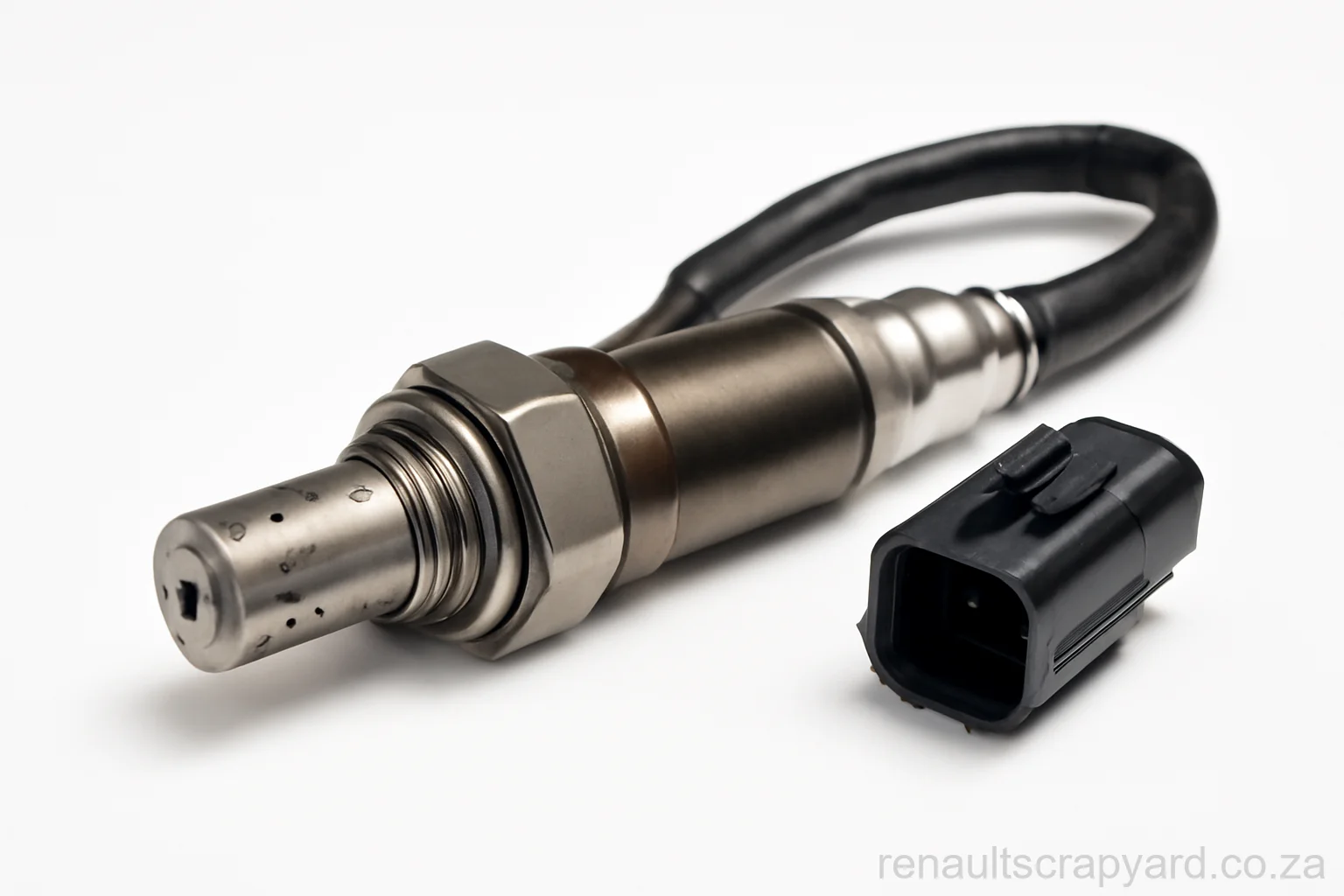
What Are Hyundai i10 Oxygen Sensors?
Oxygen sensors, or lambdas, sit in the exhaust and report air-fuel ratio back to the ECU for fine fuel-trim control. On Hyundai Accent, i20 and Creta petrols we see the upstream sensor lose accuracy after 100,000km, triggering poor economy and rough idle.
Signs You Need New Oxygen Sensors
Getting the right oxygen sensors for your i10 first time
Does one oxygen sensors listing cover every i10?
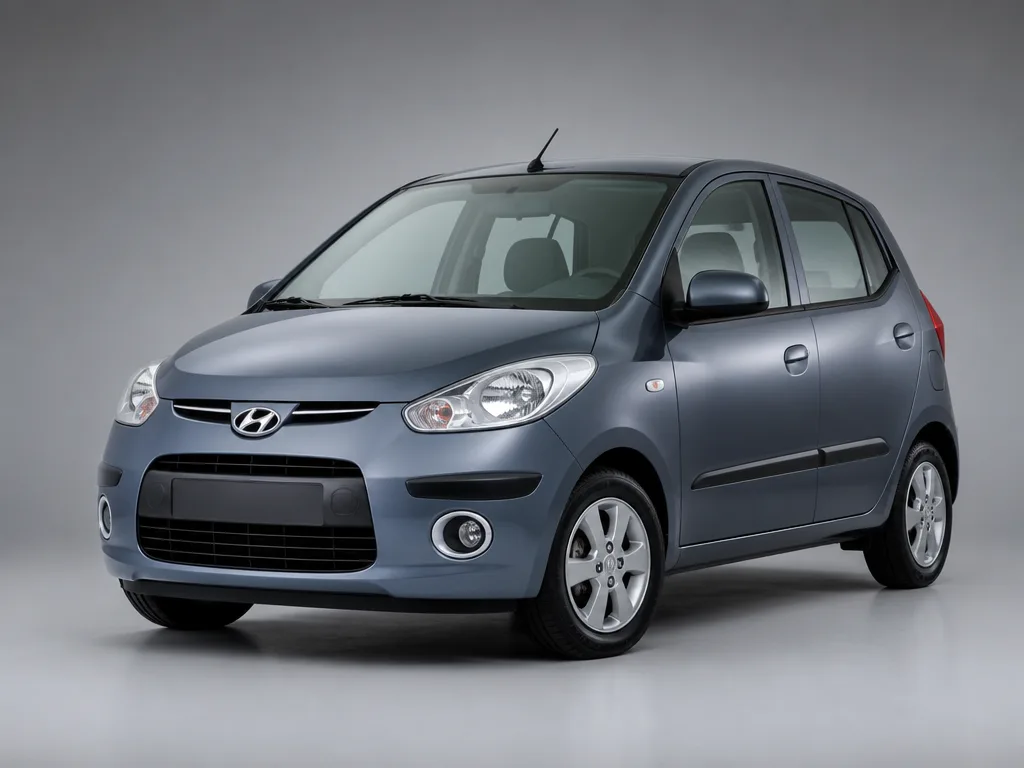
No. Ordering oxygen sensors for a i10 starts with the generation: PA, then the Grand i10 BA, then AI3.The original PA i10 and the later Grand i10 are separate platforms with separate parts catalogues — "i10" on its own is not enough to order from.
Which engine is in my i10?
SA-market cars were sold with Epsilon 1.1 (PA), Kappa 1.25 (Grand i10) and Kappa 1.2 (AI3). The code stamped on the block settles it — the badge on the boot does not.
What do you need from me to quote oxygen sensors?
The model year and engine code, and which section has failed. Catalytic converters and sensors are emissions-standard specific, so a part from a different market or a different production year of the same Hyundai may physically fit and still not satisfy the engine management.
In South Africa the i10 is mostly first cars, driving-school fleets and short-hop city work, so components see far more cold starts per thousand kilometres than the odometer suggests. That is the wear pattern we stock and source against.
Hyundai i10 Oxygen Sensors — Questions We Get Asked
Will oxygen sensors from another i10 fit mine?
Not automatically. The i10 sold in South Africa as PA, then the Grand i10 BA, then AI3, and the original PA i10 and the later Grand i10 are separate platforms with separate parts catalogues — "i10" on its own is not enough to order from. Send us the generation code off your VIN plate and we will confirm it either way before anything is dispatched.
Which engines did the South African i10 come with?
SA-market cars ran Epsilon 1.1 (PA), Kappa 1.25 (Grand i10), Kappa 1.2 (AI3). The code stamped on the block is what we work from — the badge on the boot is not reliable on its own.
What are the symptoms of a bad Hyundai oxygen sensor?
Fuel use climbs, the check-engine light comes on and the idle turns rough. Black exhaust smoke and a rotten-egg smell confirm a sensor giving the ECU bad readings. A proper scan reads the exact lambda value to confirm.
How much does it cost to replace a Hyundai oxygen sensor?
Through our SA supplier network, including Bosch sensors, lambda sensors run R1,200-R3,350. Fitted at an indie, add R500-R950 labour. Get a free quote with your engine code.
Can I drive my Hyundai with a bad O2 sensor?
Short trips yes, long term no. The ECU defaults to a rich open-loop map that pours fuel into the cat. Extended driving in that state destroys a catalytic converter worth R15,000 or more. Fix it sooner, not later.
How long do Hyundai lambda sensors last?
OEM oxygen sensors on i20, Accent and Creta petrols typically last 100,000-150,000km. Cheap aftermarket units fail inside two years. Bosch or Denso replacements match OEM life. Always swap both pre and post-cat sensors together.
Where can I buy a Hyundai oxygen sensor in South Africa?
Pro Hyundai Spares sources new Bosch lambdas for i20, Accent and Creta, with our supplier network keeping alternative stock. Send your engine code for an exact-fit part.
Learn More About Hyundai i10 Oxygen Sensors
Not sure which oxygen sensors fits your i10?
Send us your VIN or the engine code off the block and our Hyundai desk will cross-check the correct oxygen sensors for your exact i10 derivative.