


Hyundai i10 Bushings
Bushings for the Hyundai i10 — new, used and aftermarket stock, quoted once we know which i10 you are running
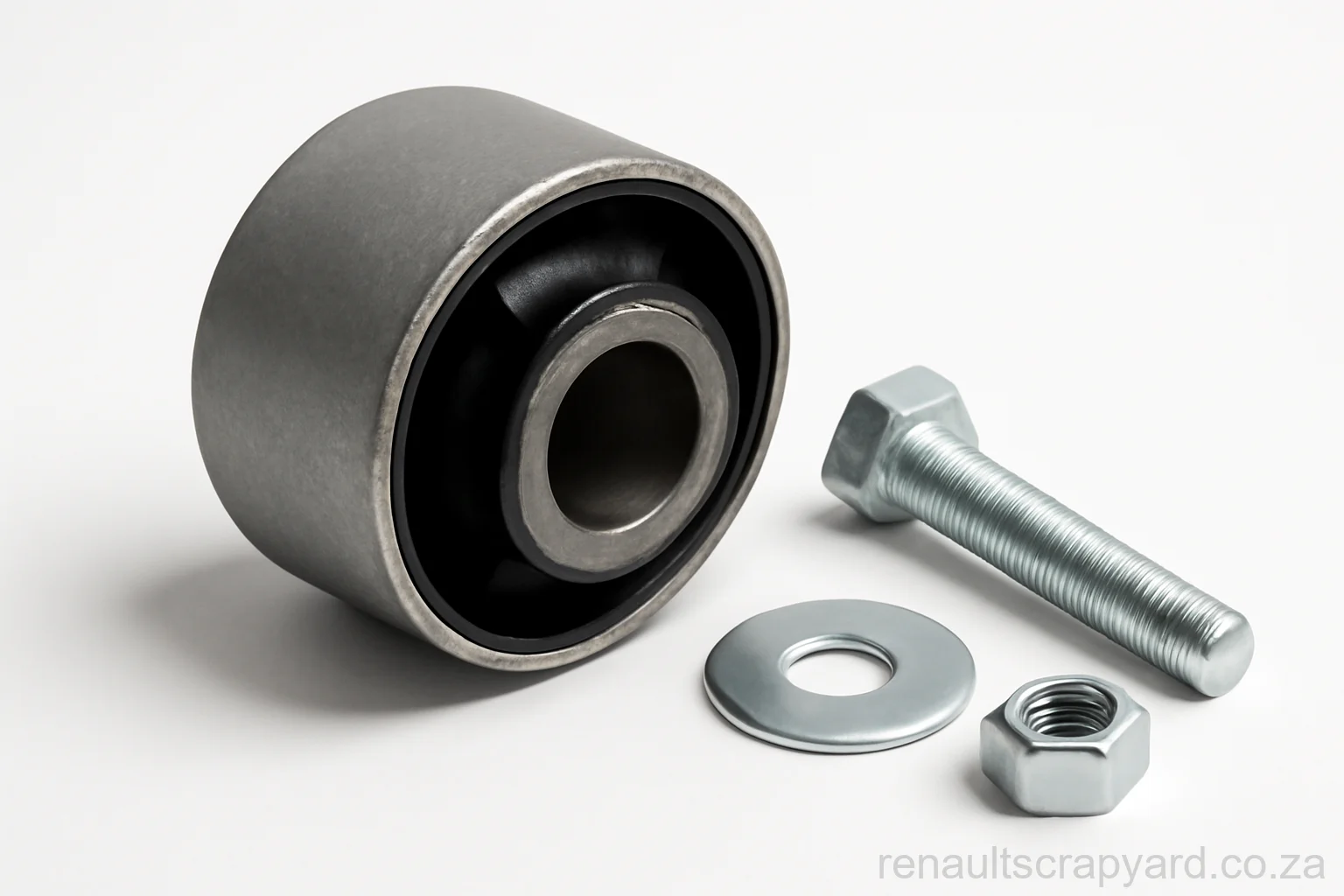
What Are Hyundai i10 Bushings?
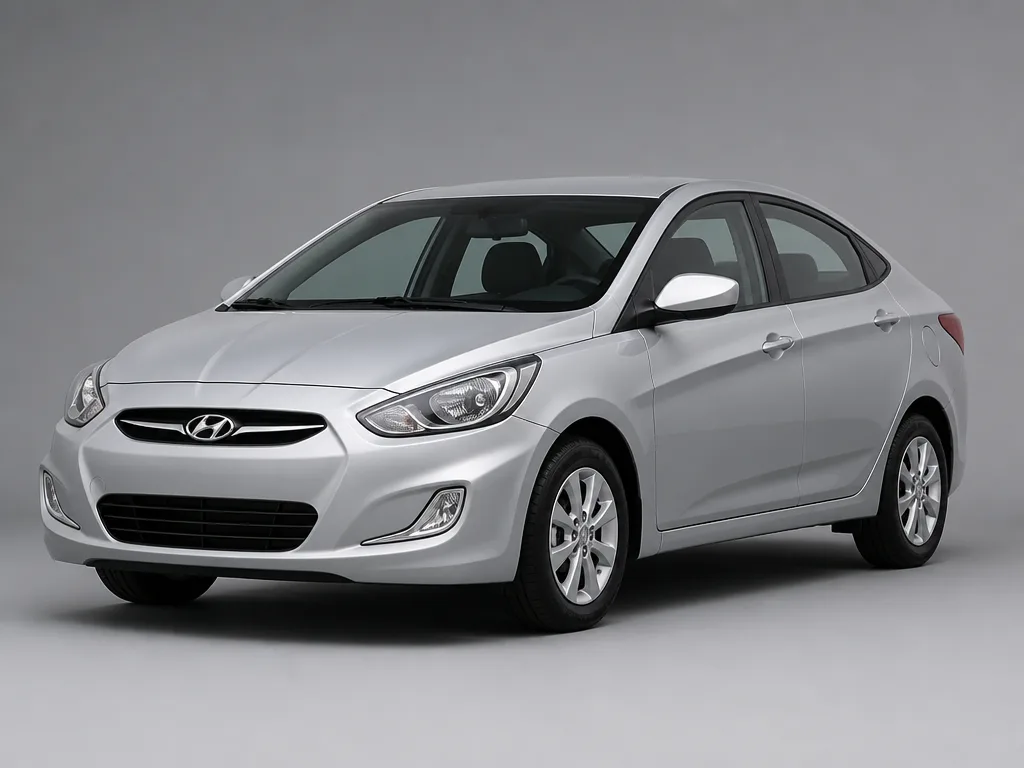
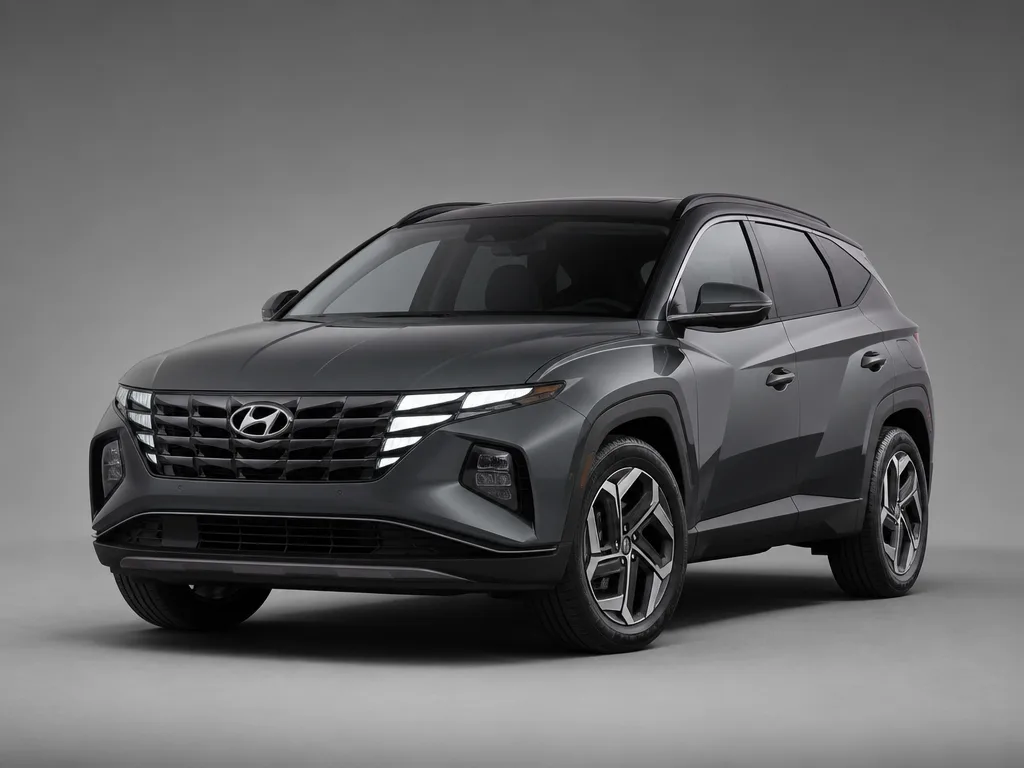
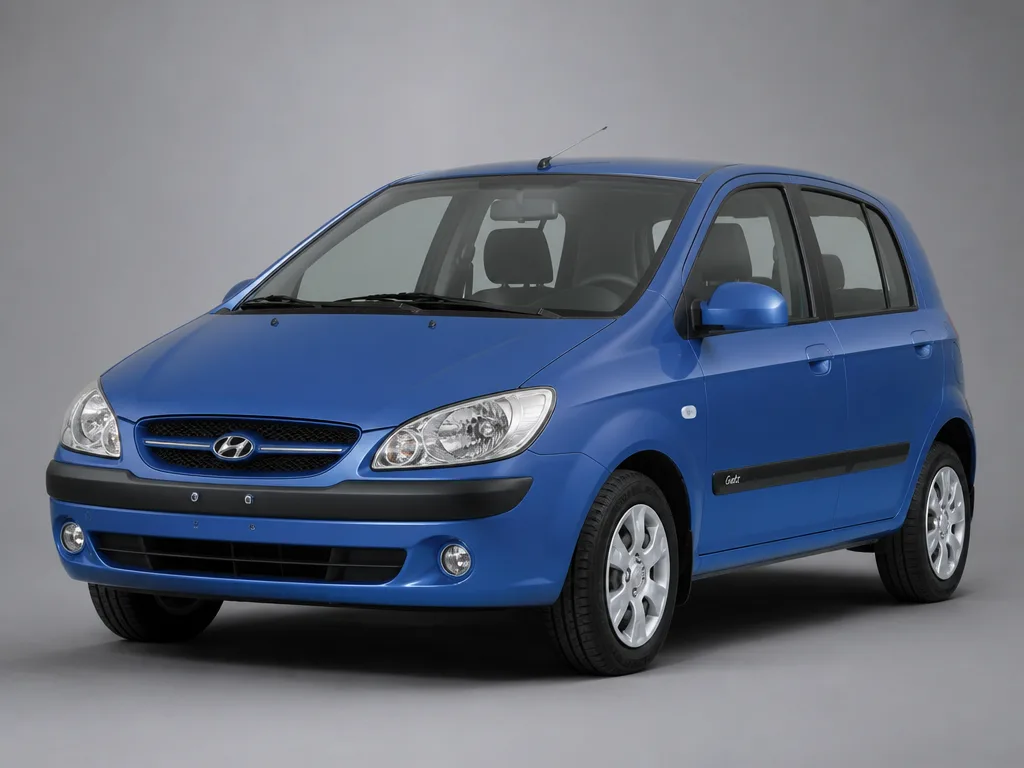
Bushes are the rubber or polyurethane isolators sitting between the suspension arms and the shell — control-arm, anti-roll-bar, subframe and engine-mount bushes all count. Where Hyundai bush sourcing gets interesting is that the front geometry changed within model names rather than between them: the LM and TL Tucson do not share arms, and the Getz TB, Accent LC and Accent RB are three different front ends despite living in the same showroom for years. Give us the generation code and the bush becomes a five-minute lookup instead of a guess.
Signs You Need New Bushings
i10 generations and bushings — the short version
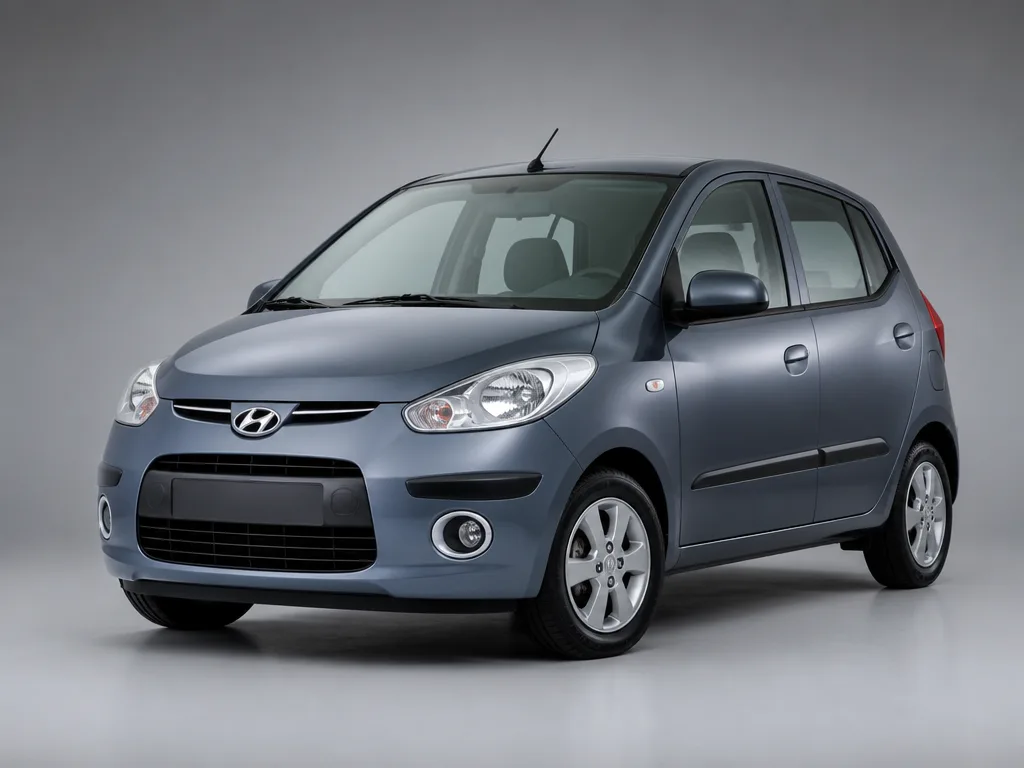
The i10 reached South Africa as PA, then the Grand i10 BA, then AI3, and that alone changes what fits.The original PA i10 and the later Grand i10 are separate platforms with separate parts catalogues — "i10" on its own is not enough to order from.
Engine families fitted to the SA-market i10:
South African road surfaces punish suspension harder than the markets these cars were tuned for, and the SUVs in the range carry noticeably different rear geometry between two-wheel- and all-wheel-drive derivatives.
Send us the generation code and whether the car is front- or all-wheel drive with your enquiry and we will confirm the correct bushings against your car before anything is dispatched.
In South Africa the i10 is mostly first cars, driving-school fleets and short-hop city work, so components see far more cold starts per thousand kilometres than the odometer suggests. That is the wear pattern we stock and source against.
Hyundai i10 Bushings FAQs
Will bushings from another i10 fit mine?
Not automatically. The i10 sold in South Africa as PA, then the Grand i10 BA, then AI3, and the original PA i10 and the later Grand i10 are separate platforms with separate parts catalogues — "i10" on its own is not enough to order from. Send us the generation code off your VIN plate and we will confirm it either way before anything is dispatched.
What should I send you when asking about i10 bushings?
The VIN is the single most useful thing — a photo of the plate is fine. Failing that, the generation code and the engine code off the block. The i10 ran as PA, then the Grand i10 BA, then AI3, so the generation is what narrows the search.
What are the symptoms of worn Hyundai bushings?
Clunks over bumps, wandering steering, uneven tyre wear and a clonk when you engage gear are the classics. Hyundai Forums documents the issue across Getz, i20, Accent, Sonata, Tucson and Creta — the front lower control-arm rear bush is the headline failure point.
How much does it cost to replace bushings on a Hyundai?
Parts span a wide range — budget rubber from around R150 up to polyurethane kits at R2,600 at SA pricing. Labour depends on location; subframe bushings are an hour each, engine mounts two to three. Send your VIN for a parts quote.
How long do Hyundai suspension bushings last?
Front control-arm rubber bushes typically last 80,000 to 140,000 km in SA conditions. Rear trailing-arm bushes last longer. Potholes and heavy loads shorten life dramatically; if you've hit a big pothole, check the bushes regardless of mileage.
Why does my Hyundai make a clunking noise over bumps?
Worn control-arm or anti-roll-bar bushes are the top suspects, especially on Getz, i20, Accent and Creta. Broken drop links and top-mount bearings mimic the symptom. We start with a hoist check of all front bushings — it's a ten-minute diagnosis.
Should I replace bushings with rubber or polyurethane?
OEM rubber is quieter and cheaper — R150-ish at SA retail. Polyurethane is stiffer, lasts longer and transmits more road noise — an i20 N owner might prefer it, a daily Tucson driver will not. For typical SA daily use we recommend OEM-spec rubber.
Get your i10 bushings matched properly
A part number from the old unit, or simply your VIN, is enough for us to identify the right bushings for your i10.