

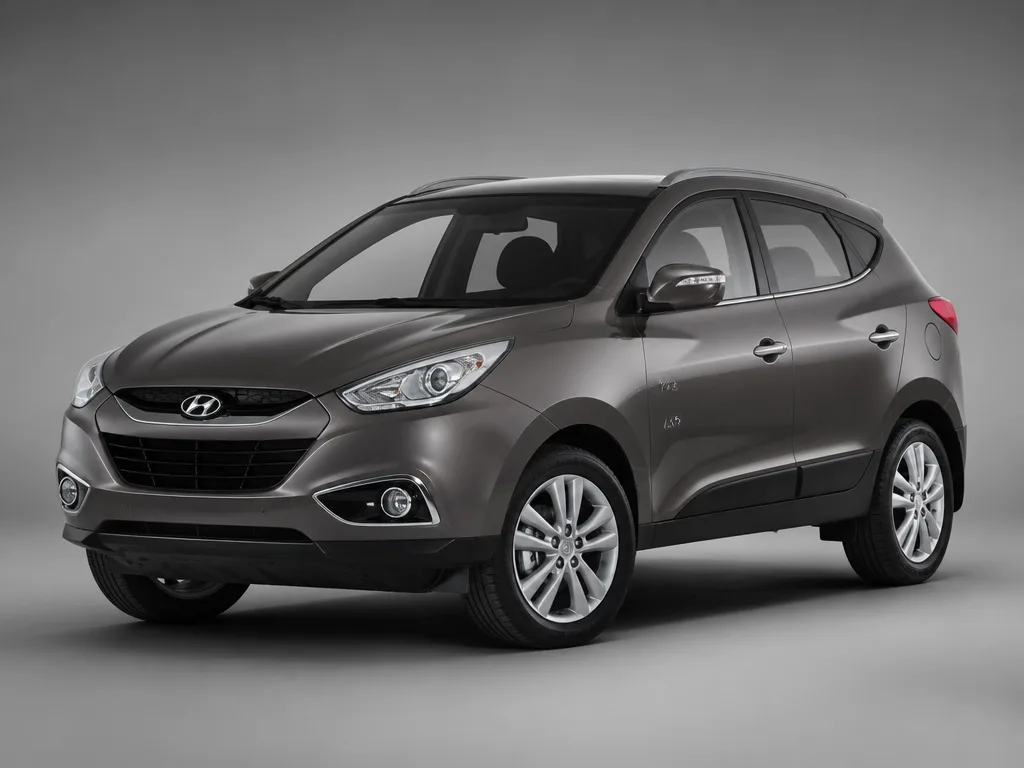

Hyundai i20 Brake Shoes
We source brake shoes for every i20 generation sold in South Africa, then check the fit against your VIN before it leaves the warehouse
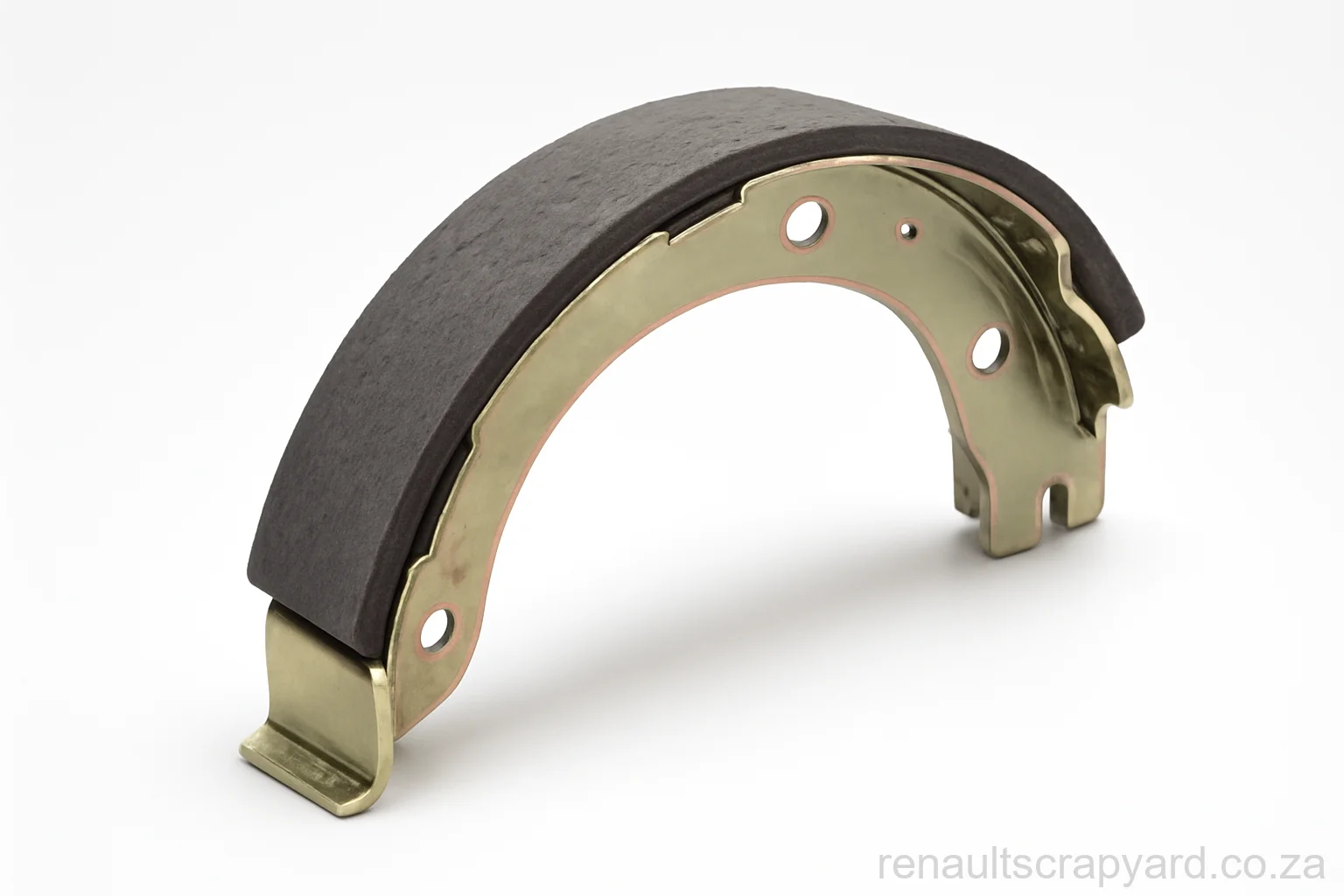
What Are Hyundai i20 Brake Shoes?
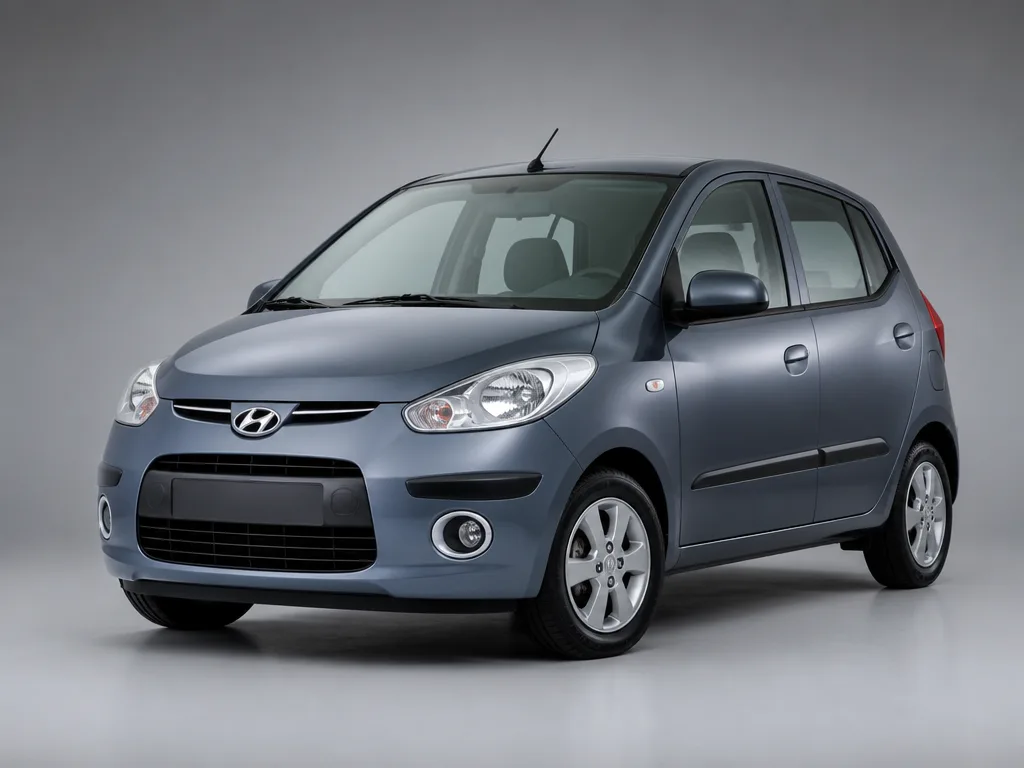
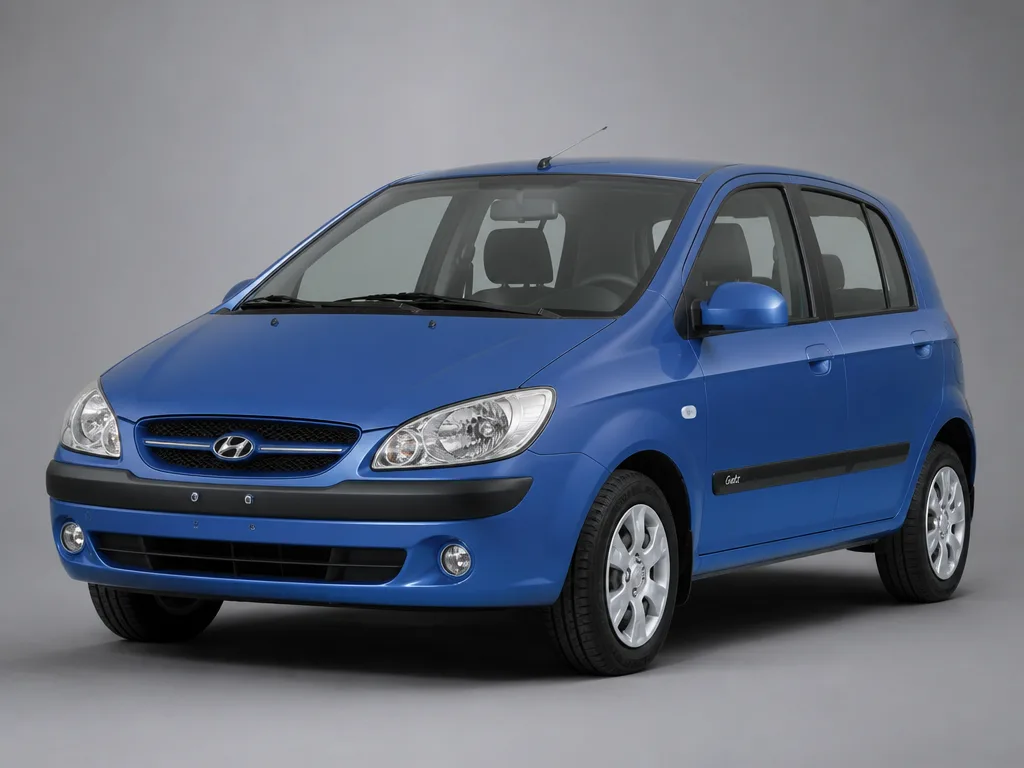
Brake shoes are the friction pads that press outwards against the inside of rear drums on smaller Hyundais — i10, Getz, i20 entry grades. They handle parking-brake hold and light rear braking duty; the self-adjuster mechanism that sits with them is a known weak point on Hyundais.
Signs You Need New Brake Shoes
What a parts desk needs to know about your i20
The i20 reached South Africa as PB, then GB, then the current BC3, and that alone changes what fits.The PB and GB are different cars underneath despite the shared badge, so a part listed simply as "i20" is not automatically the right one — the generation code decides it.
- 1
Find the generation code on your i20 — it appears on the VIN plate and on the original registration paperwork.
- 2
Confirm the engine family. The i20 ran Kappa 1.2, Gamma 1.4 and Kappa 1.0 T-GDi (N Line) in this market.
- 3
Send both to us with the brake shoes you are after , along with the derivative and whether the car has been fitted with non-standard wheels, which can rule out some caliper and disc combinations. We match it before we quote, not after.
Sourcing note: the i20shares its Kappa and Gamma engine families with the Kia Rio — which widens where we can look when local stock is thin.
In South Africa the i20 is mostly a high-mileage commuter hatch that spends its life in stop-start city traffic, which is why wear items move faster on an i20 than on almost anything else Hyundai sells here. That is the wear pattern we stock and source against.
i20 Brake Shoes: Common Questions
Will brake shoes from another i20 fit mine?
Not automatically. The i20 sold in South Africa as PB, then GB, then the current BC3, and the PB and GB are different cars underneath despite the shared badge, so a part listed simply as "i20" is not automatically the right one — the generation code decides it. Send us the generation code off your VIN plate and we will confirm it either way before anything is dispatched.
Can you source brake shoes for the i20 if local stock is dry?
Usually, yes. The i20 shares its Kappa and Gamma engine families with the Kia Rio, which gives us a second catalogue to search when Hyundai-listed stock runs out. We will tell you what we are quoting rather than leaving you to guess.
Does my Hyundai even have rear shoes?
Only if it has rear drums, and within the Hyundai range that follows the derivative rather than the model — plenty of cars in the range run rear discs on higher specifications and drums lower down. Worth confirming before you order, because shoes and pads are not interchangeable in any sense.
What do worn brake shoes feel like?
A squeal from the rear under light braking, a handbrake that needs progressively more clicks, and longer stopping distances in the wet. Once the friction material reaches the rivets you get a metallic scrape — and by then the drum is usually scored and joining the bill.
How long do brake shoes last on a Hyundai?
Typically 60,000 to 100,000 km, roughly double front pad life because the rears simply do less work. Potholes, a permanently loaded boot and a seized auto-adjuster all cut into that. If the handbrake has started slipping, inspect well before the 80,000 km mark rather than waiting for the noise.
Do the springs and hardware come with the shoes?
Most aftermarket sets include the return springs, hold-down pins and the adjuster. Fit all of it. Reusing tired springs or a rusted auto-adjuster is exactly what makes a drum adjuster failure come straight back, and you will have paid the labour twice for one job.
Where do I get Hyundai brake shoes in South Africa?
We source Ferodo, ATE, Motopart and Optima sets nationally through our SA supplier network. Sets for the current high-volume models are usually on the shelf; older Getz and i10 sets generally need ordering in. Send your VIN for a same-day quote.
Tell us which i20 you have
The i20 sold here as PB, then GB, then the current BC3, and they do not share one parts list. Give us the generation code and we will do the rest.