






Hyundai i20 Cooling — Sourced by Generation
Choosing cooling for a i20 usually comes down to whether to address the failed part alone or the whole cooling circuit, because one failure here often follows another. Tell us which car you have and we will narrow it down. Find quality Hyundai i20 breaker yard at our facility.
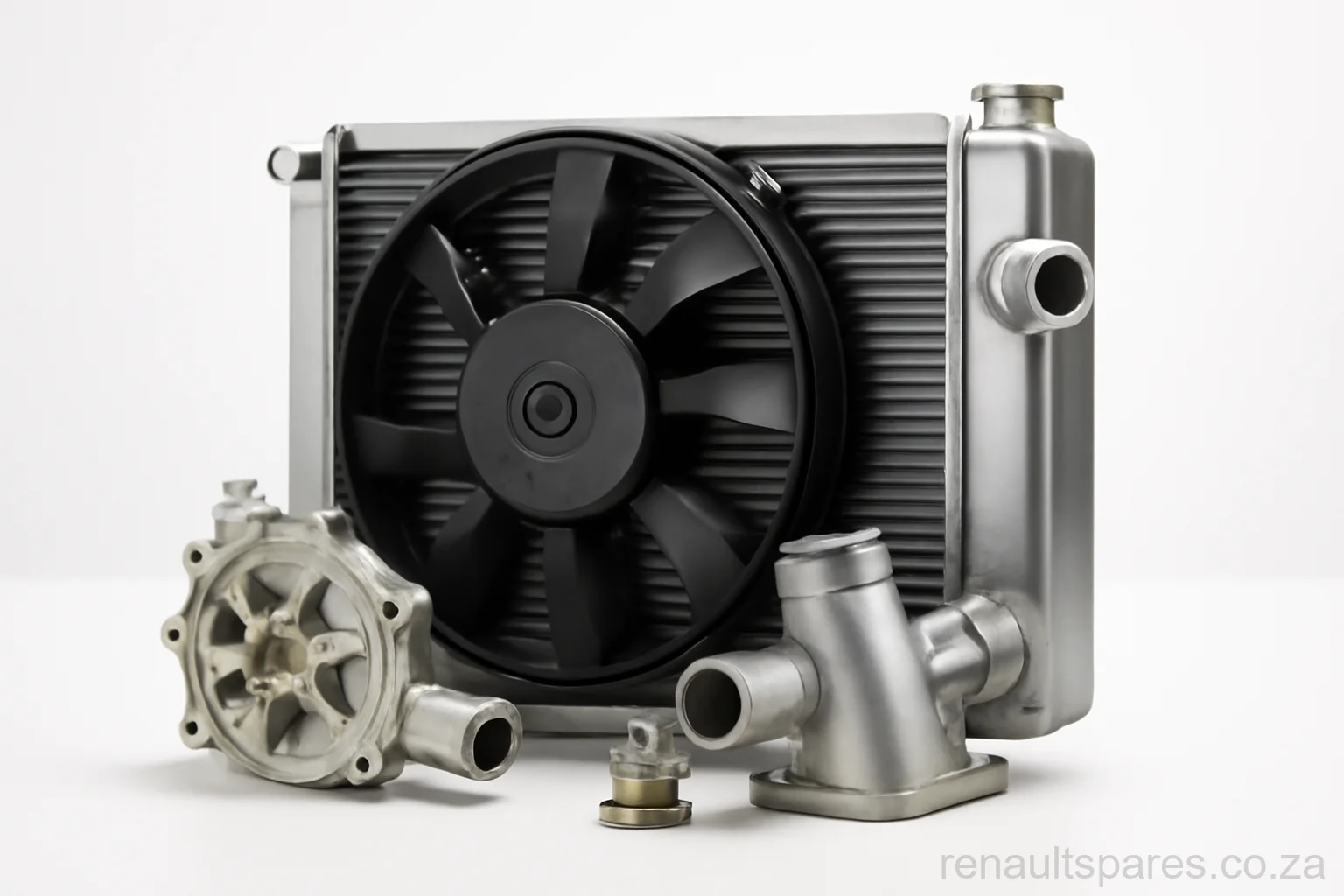
i20 Cooling by Component
Petrol or diesel, and whether the car has air conditioning will settle most of these — pick the component below and we will confirm the rest.
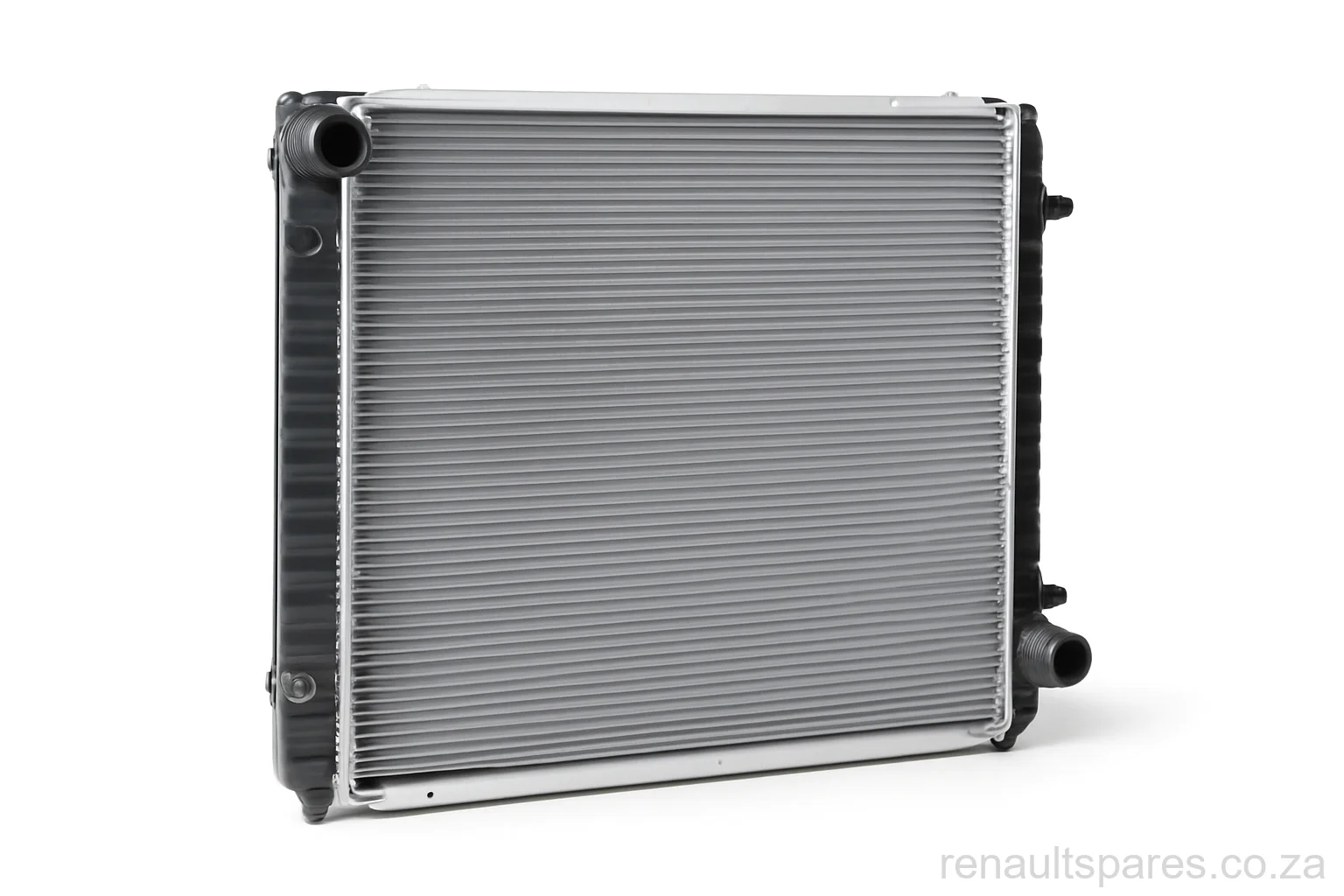
Hyundai i20 Radiators
Fast MovingHigh-flow radiators that shed heat efficiently on Hyundai engines
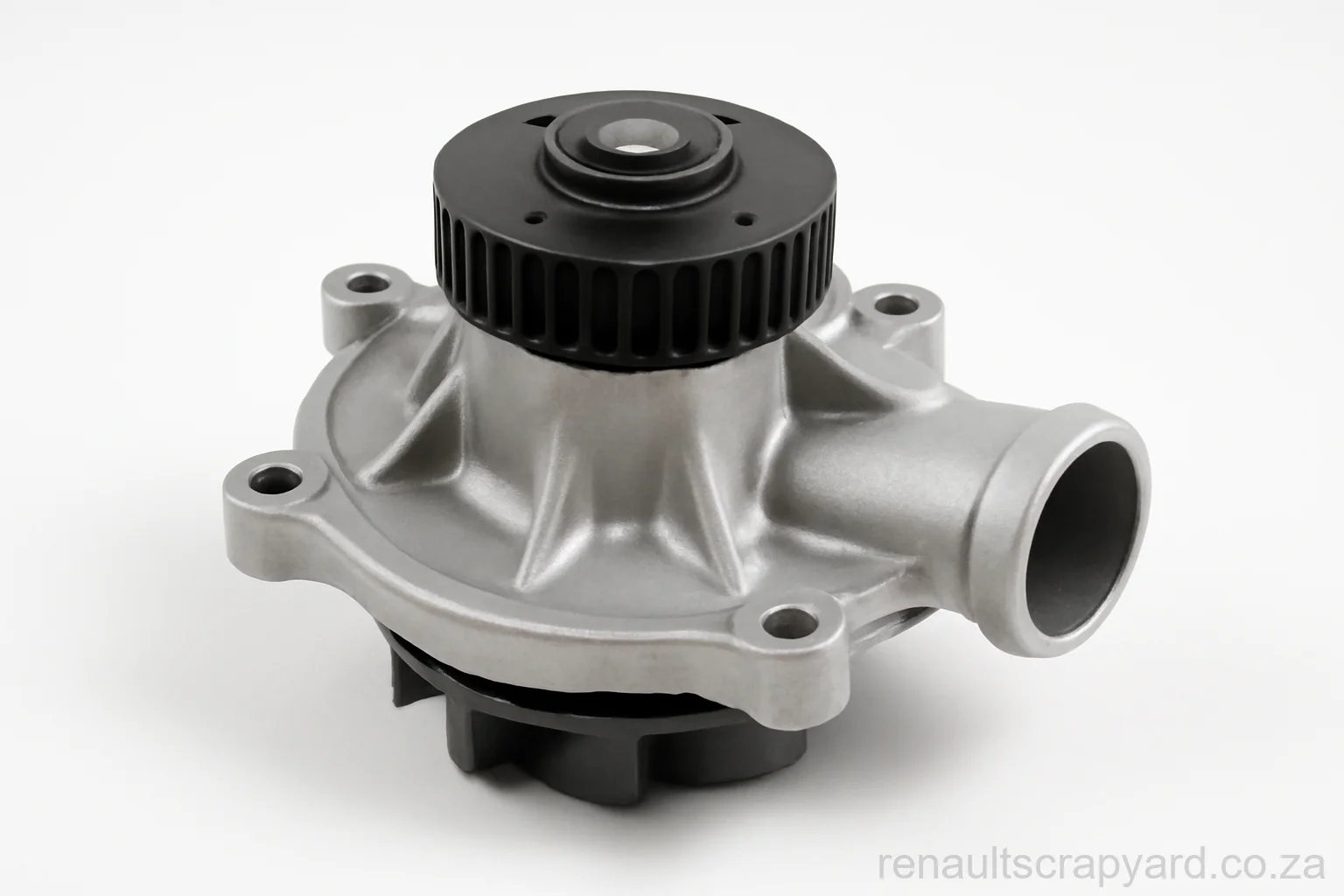
Hyundai i20 Water Pumps
Fast MovingWater pumps that circulate coolant through Hyundai engines
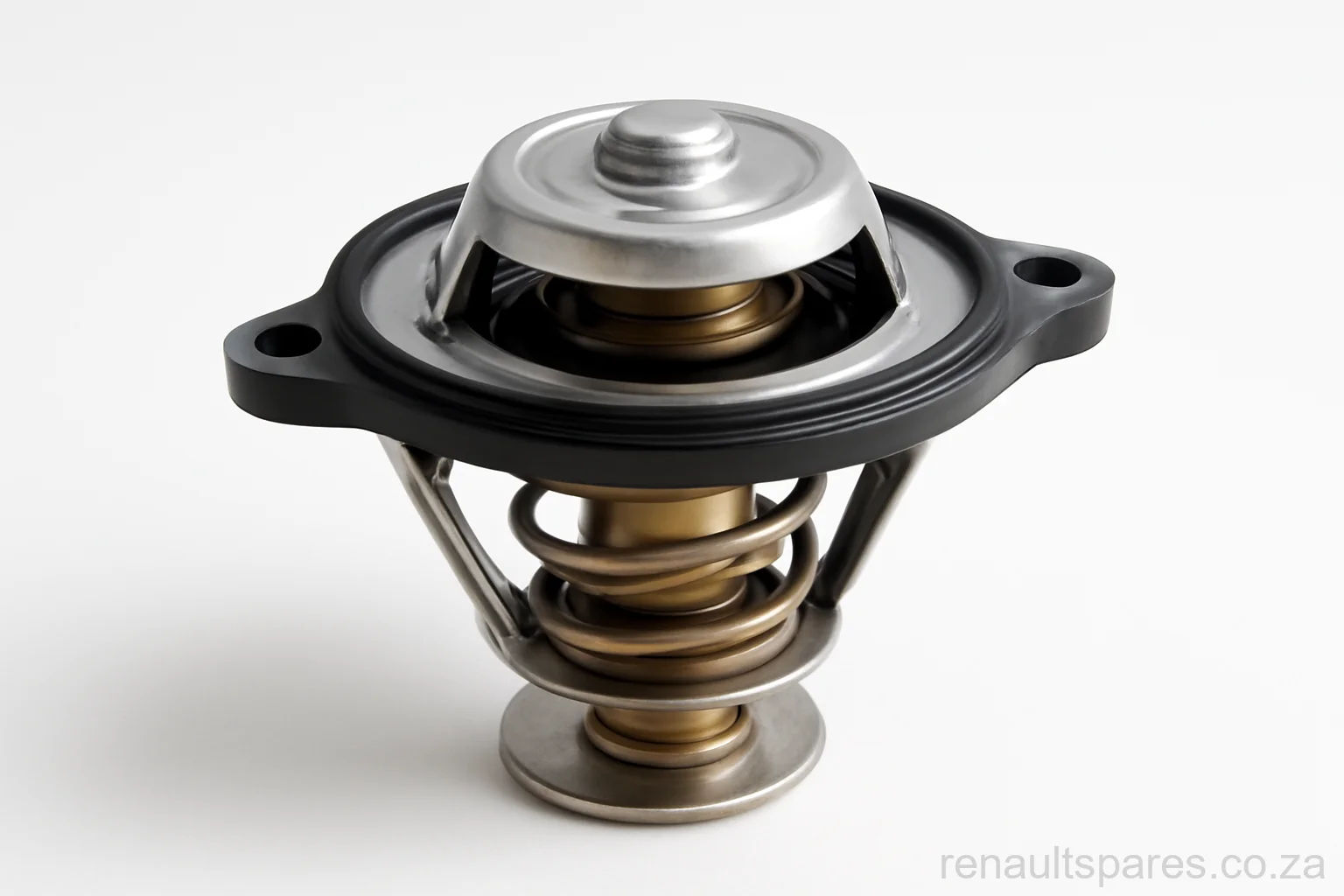
Hyundai i20 Thermostats
Fast MovingThermostats that regulate warm-up and running temperature on Hyundai engines
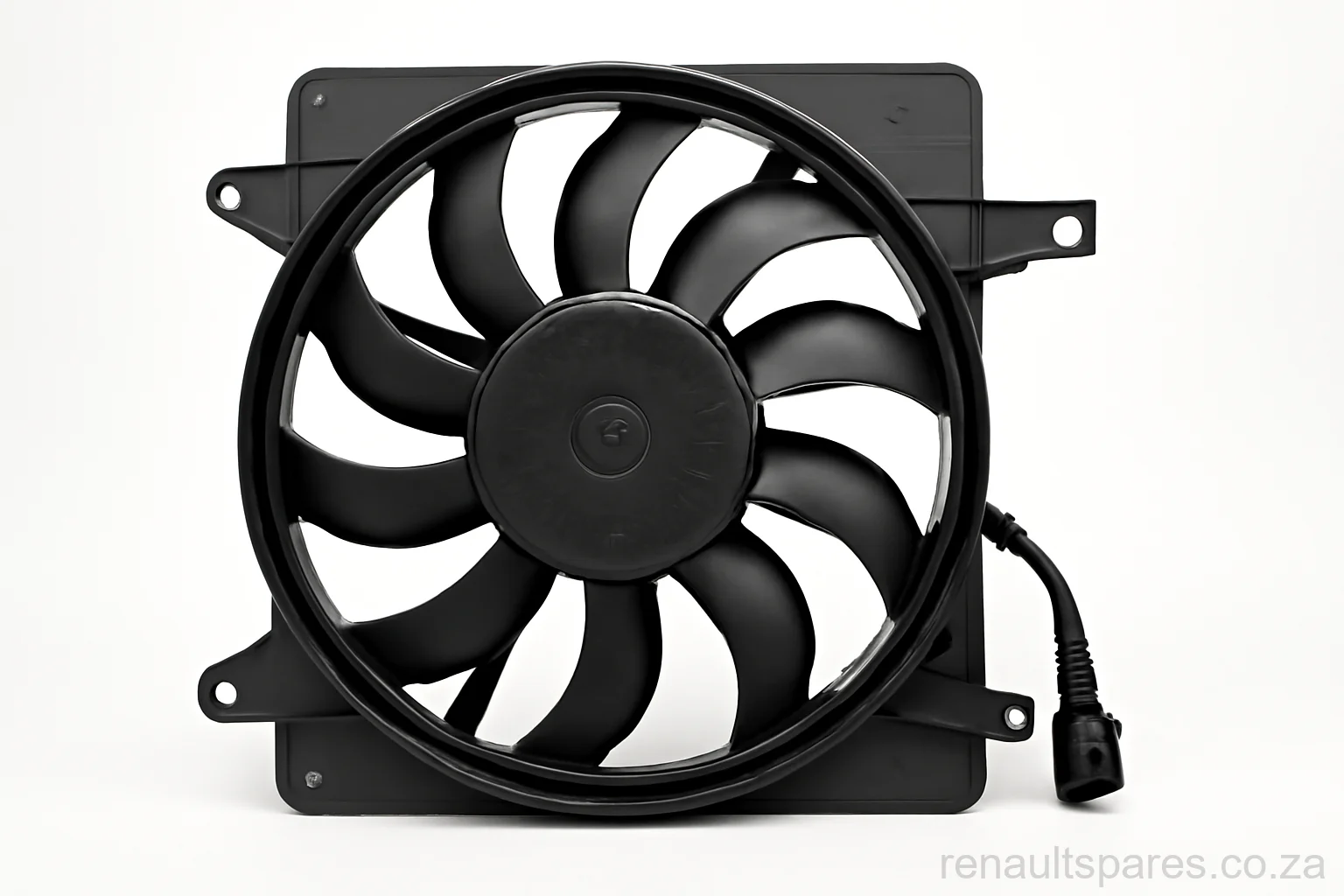
Hyundai i20 Cooling Fans
Fast MovingElectric radiator fans and assemblies that cool Hyundai engines at idle
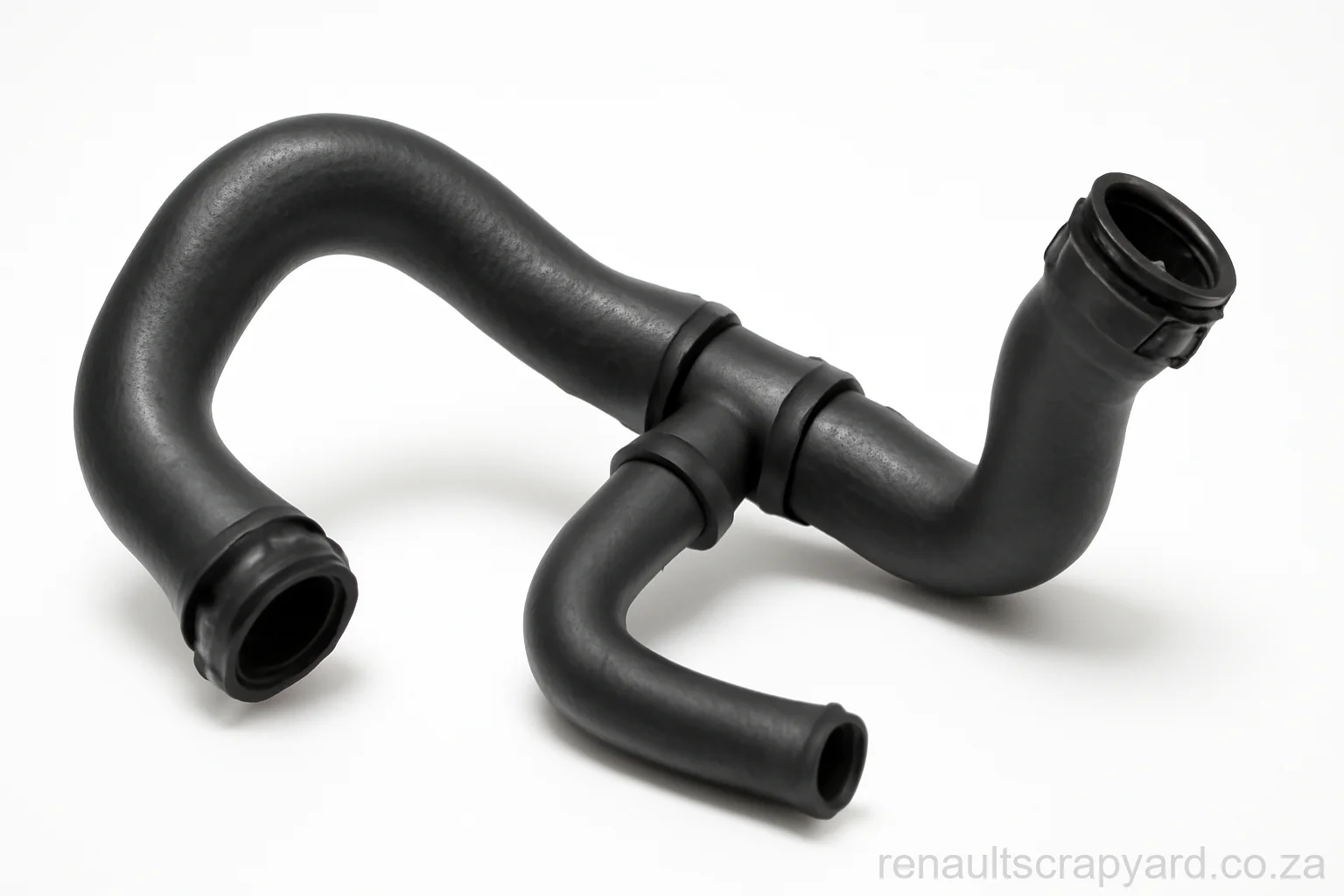
Hyundai i20 Radiator Hoses
Fast MovingUpper, lower and bypass coolant hoses for Hyundai cooling systems
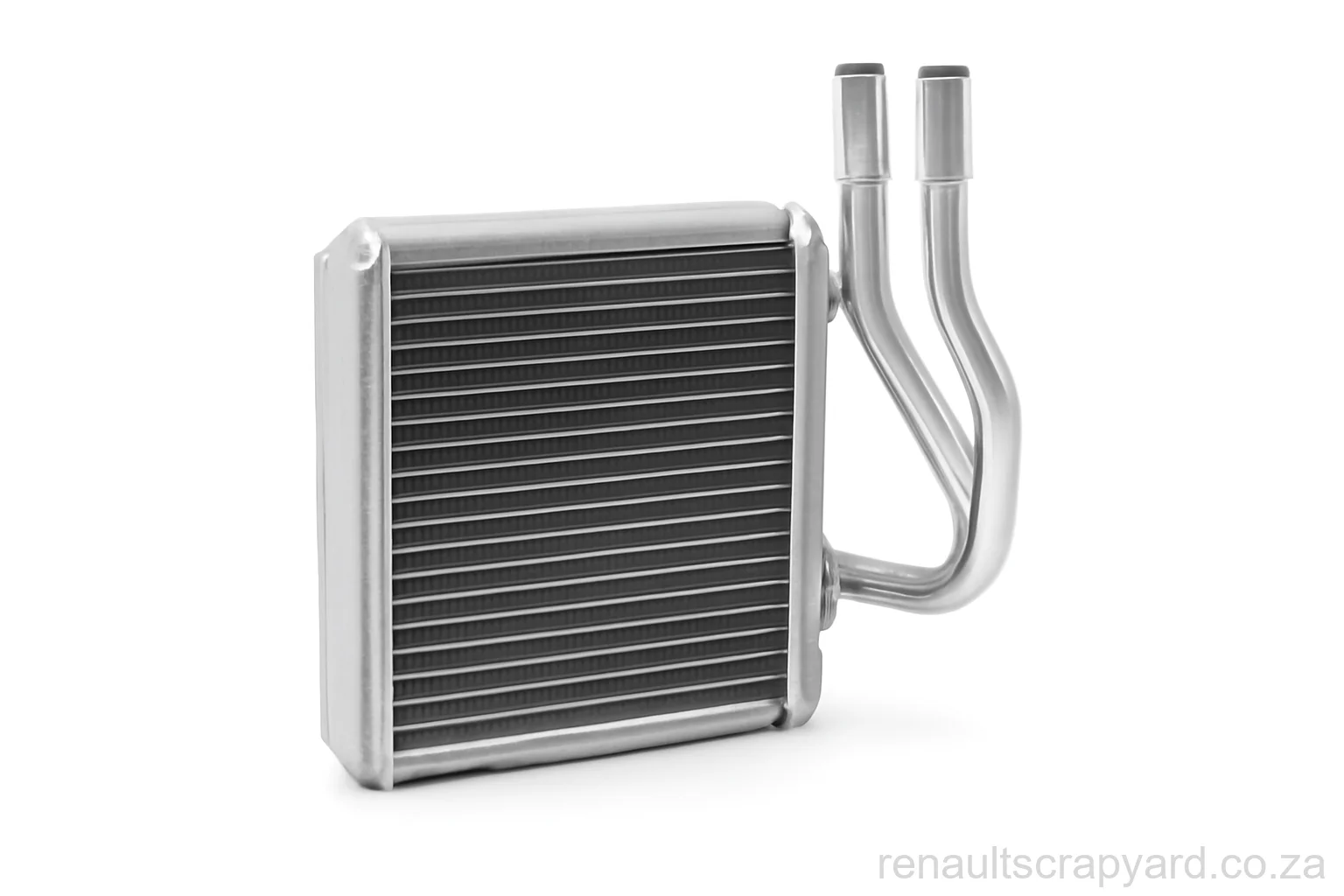
Hyundai i20 Heater Cores
In DemandHeater core matrixes that warm the cabin on Hyundai vehicles
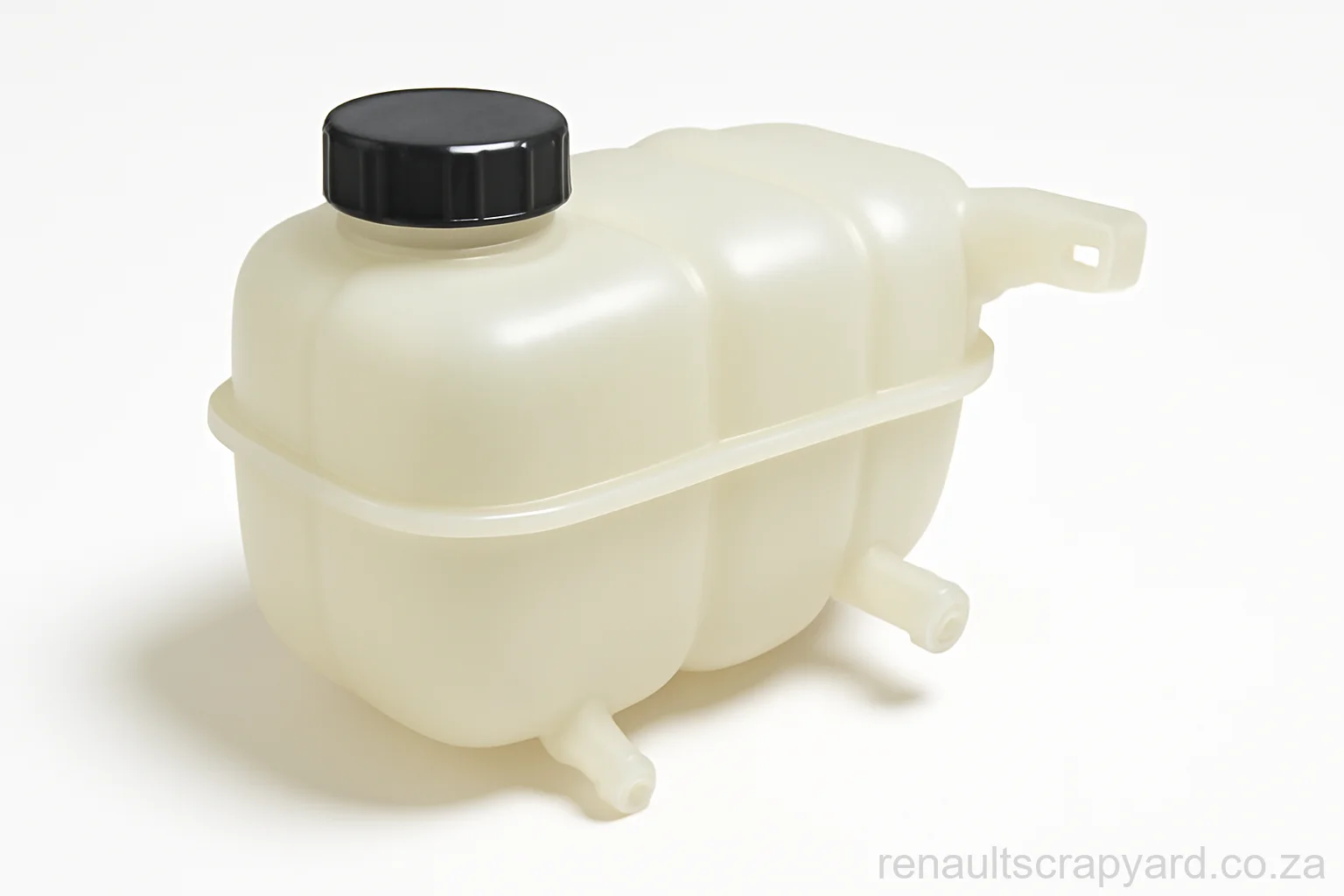
Hyundai i20 Coolant Reservoirs
In DemandExpansion tanks and overflow bottles for Hyundai cooling systems
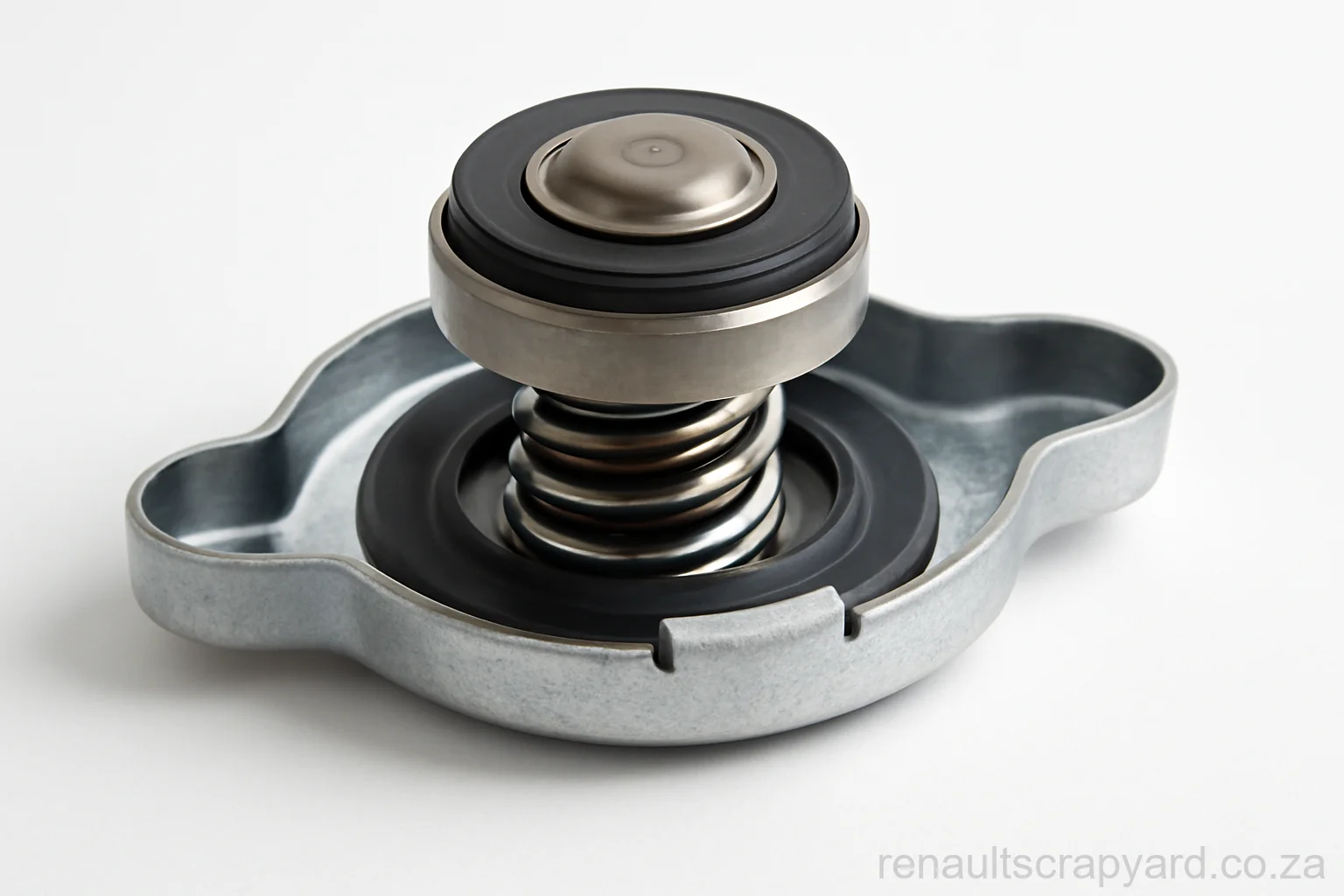
Hyundai i20 Radiator Caps
In DemandPressure caps that seal and set system pressure on Hyundai cooling systems
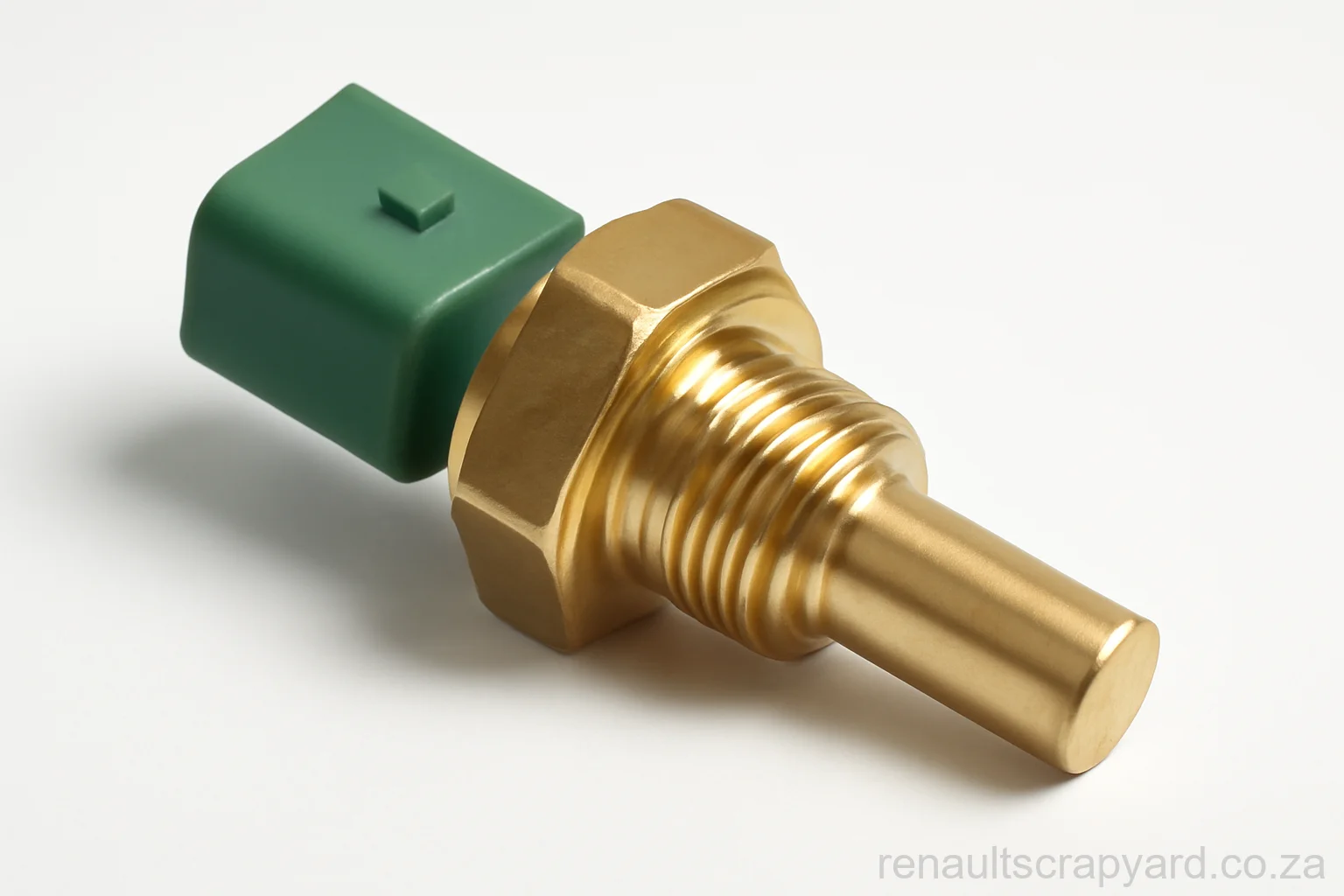
Hyundai i20 Temperature Sensors
In DemandCoolant temperature sensors and switches for Hyundai cooling systems
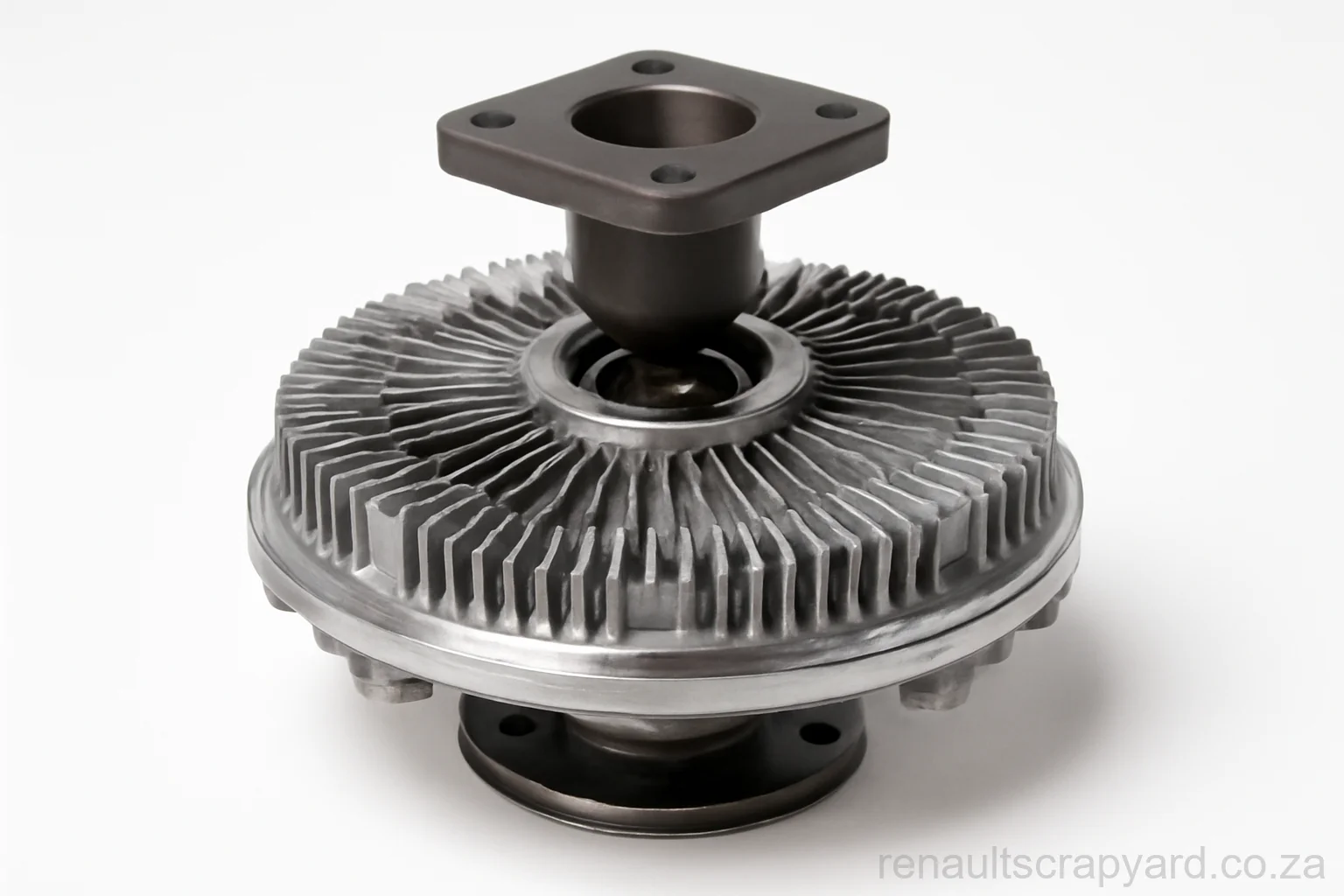
Hyundai i20 Fan Clutches
StockedViscous fan clutches that drive the cooling fan on Hyundai vehicles
What Are Hyundai i20 Cooling?
Cooling covers the radiator, water pump, thermostat, fans, hoses and expansion tank — everything that keeps an engine at its working temperature rather than above it. Two Hyundai-specific splits decide what fits: air-conditioned and non-air-conditioned derivatives take different radiators and fan assemblies, and the CRDi diesels add intercooler plumbing that the petrol cars do not have at all. On several of the newer engines the thermostat is part of a housing assembly rather than a standalone insert, so the part you need may be considerably larger than the one you pictured.
South African conditions ask more of this system than the climates it was validated in. Highveld summer heat, Karoo transits, long highway cruising and dust that packs the radiator core all push it in the same direction. Coolant replacement is typically needed every 2-3 years or 60,000km, and it is worth doing on schedule rather than on symptom, because by the time a cooling fault announces itself the damage is usually already done. If the car is overheating, tell us what it does — at idle, at speed, or only after a long climb — because the answer points at three different parts.
Signs You Need New Cooling
SA-Market i20 Derivatives We Supply Cooling For
The i20 reached South Africa as PB, then GB, then the current BC3, running Kappa 1.2, Gamma 1.4 and Kappa 1.0 T-GDi (N Line). Cooling fitment splits on the generation code long before it splits on trim, and again between petrol and CRDi diesel derivatives. The PB and GB are different cars underneath despite the shared badge, so a part listed simply as "i20" is not automatically the right one — the generation code decides it. Find your derivative below, then send the code from your VIN plate with your enquiry.
- Hyundai i20 PB 1.4 Motion
- Hyundai i20 GB 1.2 Fluid
- Hyundai i20 GB 1.4 Fluid
- Hyundai i20 BC3 1.2 Motion
- Hyundai i20 BC3 1.0T N Line
Sourcing note: the i20 shares its Kappa and Gamma engine families with the Kia Rio, which gives us a second place to look when local stock runs dry.
i20 Cooling: what actually decides fitment
On the i20, PB, then GB, then the current BC3 are all in circulation locally, and they do not share one parts list.The PB and GB are different cars underneath despite the shared badge, so a part listed simply as "i20" is not automatically the right one — the generation code decides it.
- 1
Find the generation code on your i20 — it appears on the VIN plate and on the original registration paperwork.
- 2
Confirm the engine family. The i20 ran Kappa 1.2, Gamma 1.4 and Kappa 1.0 T-GDi (N Line) in this market.
- 3
Send both to us with the cooling you are after , along with petrol or diesel, and whether the car has air conditioning. We match it before we quote, not after.
Sourcing note: the i20shares its Kappa and Gamma engine families with the Kia Rio — which widens where we can look when local stock is thin.
In South Africa the i20 is mostly a high-mileage commuter hatch that spends its life in stop-start city traffic, which is why wear items move faster on an i20 than on almost anything else Hyundai sells here. That is the wear pattern we stock and source against.
Before You Order i20 Cooling
Does cooling fitment change across i20 generations?
Yes, and it is the first thing we check. The i20 sold here as PB, then GB, then the current BC3, and the PB and GB are different cars underneath despite the shared badge, so a part listed simply as "i20" is not automatically the right one — the generation code decides it. Give us the generation code and the rest follows quickly.
Which i20 engines were sold in South Africa?
Kappa 1.2, Gamma 1.4 and Kappa 1.0 T-GDi (N Line). Cooling fitment often follows the engine family rather than the model name, so the code on the block is worth reading before you order.
What are the 4 main parts of a Hyundai cooling system?
The four key components are the radiator (which holds and cools the coolant), water pump (circulates coolant through the engine), thermostat (regulates coolant flow based on temperature) and cooling fan (draws air through the radiator). Additionally, Hyundai systems include an expansion tank, hoses and sensors that operate together to maintain engine temperature between 85-95°C. A complete radiator replacement typically costs R1,800-R4,550 depending on the model, while water pumps range from R800-R2,450.
What are common cooling system problems with Hyundai vehicles?
Hyundai models, particularly those with Gamma/T-GDi engines (i20, Accent, Creta), can experience water pump failures due to timing belt integration, thermostat housing leaks and expansion tank cracking over time. The 1.6 CRDi/U-line CRDi diesel engines may develop EGR cooler failures causing coolant contamination. South African heat and mineral-rich water can accelerate corrosion and scaling inside the system, making regular coolant flushes (R650-R1,200) essential preventative maintenance.
What is a common symptom of a failing Hyundai cooling system?
The most common symptom is engine temperature rising above normal, especially noticeable during traffic or hot weather driving in SA. Other warning signs include coolant loss requiring frequent top-ups, visible leaks creating puddles under the car, steam from the engine bay, or the heater not producing warm air. Ignoring these symptoms can lead to head gasket failure (R7,600-R15,150 repair) or complete engine seizure, so immediate inspection is critical.
Which component keeps the Hyundai engine cool?
The radiator holds most of the coolant and is the primary heat exchanger, with cooling fins dissipating heat as air passes through while driving. However, the entire system works together—the water pump circulates coolant through engine passages, the thermostat controls flow and electric fans activate when additional cooling is needed. For Hyundai models, OEM radiators cost R2,200-R5,250 while aftermarket options start from R1,400, with installation adding R800-R1,600 labour.
How often should I replace coolant in my Hyundai in South Africa?
Hyundai recommends coolant replacement every 3 years or 60,000km, whichever comes first, but South African conditions (high temperatures, dust, hard water) may warrant more frequent changes every 2 years or 40,000km. Always use approved coolant that meets Hyundai specifications for your specific engine type—mixing incompatible coolants can cause corrosion and blockages. A professional coolant flush and refill costs R650-R1,200 at most service centres and protects against expensive repairs.
Learn More About Hyundai i20 Cooling
Official Hyundai SA maintenance schedules and service guidelines for all models
H1 advice on dealing with engine overheating and cooling system emergencies
Technical information about how automotive cooling systems function
Related Categories for Hyundai i20
Let us match the cooling before you pay
Send us petrol or diesel, and whether the car has air conditioning and our Hyundai desk will confirm the correct cooling for your i20 before quoting.