

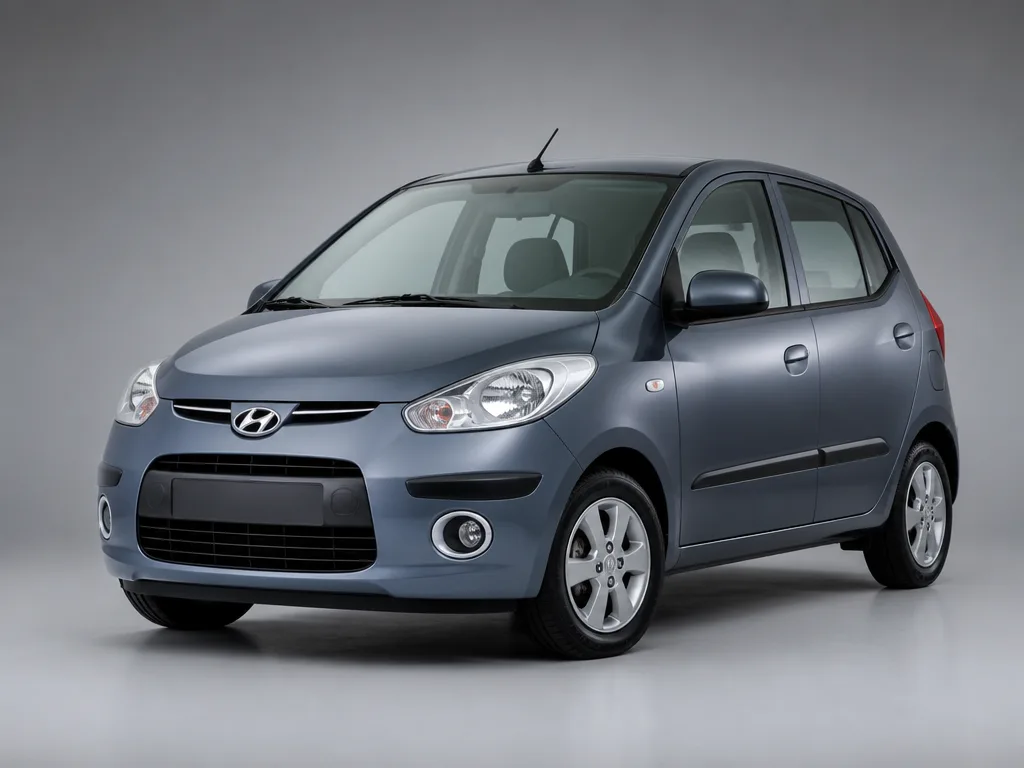





Hyundai i20 Oxygen Sensors
Oxygen Sensors for the Hyundai i20 — new, used and aftermarket stock, quoted once we know which i20 you are running
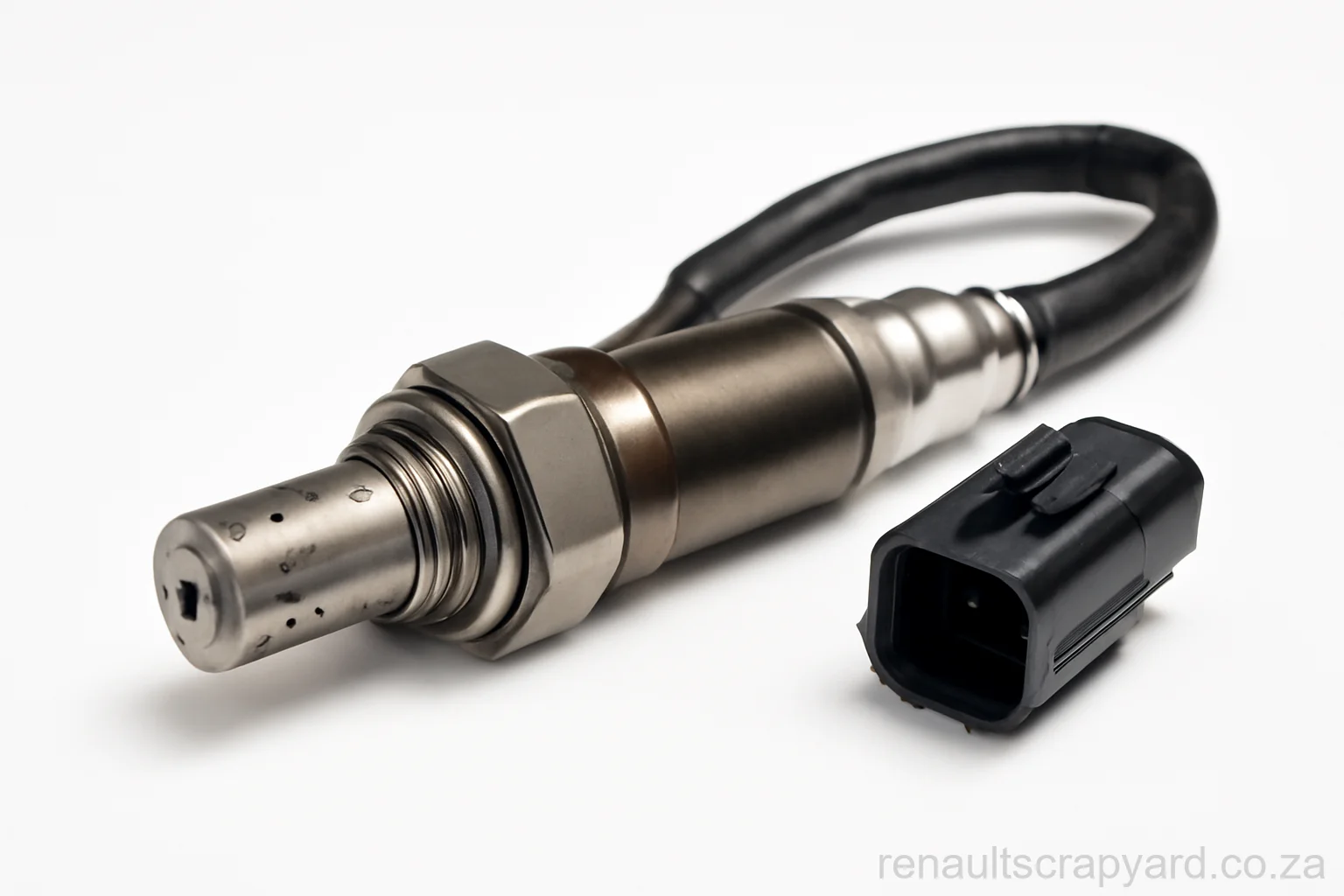
What Are Hyundai i20 Oxygen Sensors?
Oxygen sensors, or lambdas, sit in the exhaust and report air-fuel ratio back to the ECU for fine fuel-trim control. On Hyundai Accent, i20 and Creta petrols we see the upstream sensor lose accuracy after 100,000km, triggering poor economy and rough idle.
Signs You Need New Oxygen Sensors
i20 Oxygen Sensors: what actually decides fitment
What changes across the range
Sold here across PB, then GB, then the current BC3, the i20 is not one car for parts purposes — it is several.
The PB and GB are different cars underneath despite the shared badge, so a part listed simply as "i20" is not automatically the right one — the generation code decides it.
Worth knowing: the i20shares its Kappa and Gamma engine families with the Kia Rio.
What we check on oxygen sensors
- •The generation code, because i20 parts lists split on it
- •The engine family — this i20 was sold with Kappa 1.2, Gamma 1.4 and Kappa 1.0 T-GDi (N Line)
- •The model year and engine code, and which section has failed
- •Whether the car is pre- or post-facelift within its generation
In South Africa the i20 is mostly a high-mileage commuter hatch that spends its life in stop-start city traffic, which is why wear items move faster on an i20 than on almost anything else Hyundai sells here. That is the wear pattern we stock and source against.
Hyundai i20 Oxygen Sensors FAQs
Will oxygen sensors from another i20 fit mine?
Not automatically. The i20 sold in South Africa as PB, then GB, then the current BC3, and the PB and GB are different cars underneath despite the shared badge, so a part listed simply as "i20" is not automatically the right one — the generation code decides it. Send us the generation code off your VIN plate and we will confirm it either way before anything is dispatched.
What should I send you when asking about i20 oxygen sensors?
The VIN is the single most useful thing — a photo of the plate is fine. Failing that, the generation code and the engine code off the block. The i20 ran as PB, then GB, then the current BC3, so the generation is what narrows the search.
What are the symptoms of a bad Hyundai oxygen sensor?
Fuel use climbs, the check-engine light comes on and the idle turns rough. Black exhaust smoke and a rotten-egg smell confirm a sensor giving the ECU bad readings. A proper scan reads the exact lambda value to confirm.
How much does it cost to replace a Hyundai oxygen sensor?
Through our SA supplier network, including Bosch sensors, lambda sensors run R1,200-R3,350. Fitted at an indie, add R500-R950 labour. Get a free quote with your engine code.
Can I drive my Hyundai with a bad O2 sensor?
Short trips yes, long term no. The ECU defaults to a rich open-loop map that pours fuel into the cat. Extended driving in that state destroys a catalytic converter worth R15,000 or more. Fix it sooner, not later.
How long do Hyundai lambda sensors last?
OEM oxygen sensors on i20, Accent and Creta petrols typically last 100,000-150,000km. Cheap aftermarket units fail inside two years. Bosch or Denso replacements match OEM life. Always swap both pre and post-cat sensors together.
Where can I buy a Hyundai oxygen sensor in South Africa?
Pro Hyundai Spares sources new Bosch lambdas for i20, Accent and Creta, with our supplier network keeping alternative stock. Send your engine code for an exact-fit part.
Learn More About Hyundai i20 Oxygen Sensors
Get your i20 oxygen sensors matched properly
A part number from the old unit, or simply your VIN, is enough for us to identify the right oxygen sensors for your i20.