







Hyundai i20 Fuel Pumps
We source fuel pumps for every i20 generation sold in South Africa, then check the fit against your VIN before it leaves the warehouse. Find quality Hyundai i20 breaker yard at our facility.
What Are Hyundai i20 Fuel Pumps?
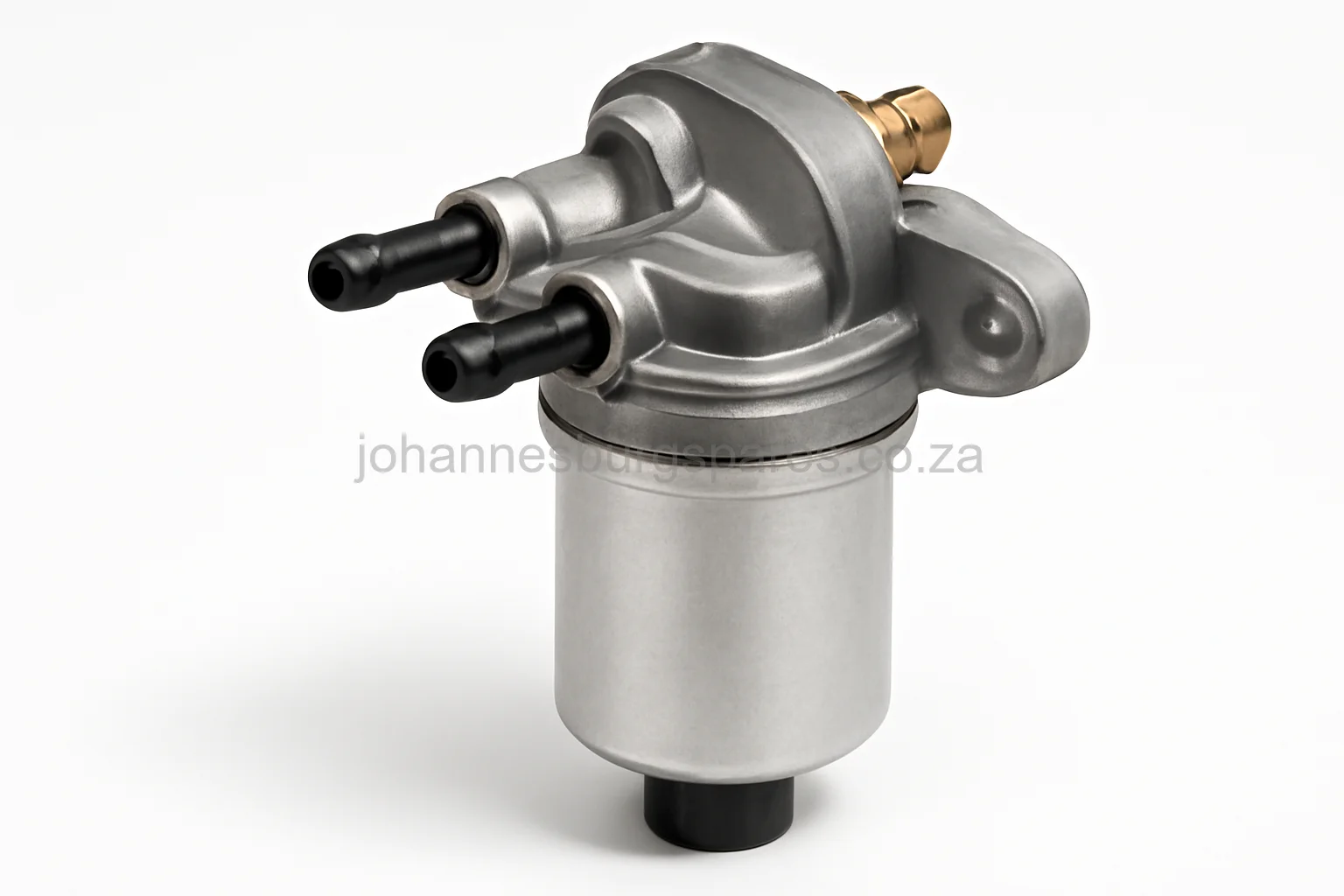
The fuel pump in your Hyundai is a critical component that delivers pressurised fuel from the tank to the engine's injection system. In modern Hyundai models featuring T-GDi (Gamma) petrol engines or CRDi (U-line CRDi) diesel engines, high-pressure fuel pumps maintain precise fuel delivery at pressures exceeding 200 bar for diesel and up to 350 bar for direct-injection petrol engines. The pump ensures consistent fuel flow regardless of engine load, maintaining optimal combustion efficiency and power delivery across all driving conditions.
In conditions on South African roads—from Johannesburg's high altitude to coastal humidity and varying fuel quality—fuel pumps endure significant stress. Petrol-powered Hyundais like the i20 and Tucson with Gamma engines typically use in-tank electric pumps, while CRDi diesel models (Creta, Santa Fe, H1) employ engine-driven high-pressure pumps combined with in-tank lift pumps. Failed fuel pumps can leave you stranded, making regular maintenance and prompt replacement crucial for reliable operation on SA roads.
Signs You Need New Fuel Pumps
What a parts desk needs to know about your i20
What changes across the range
On the i20, PB, then GB, then the current BC3 are all in circulation locally, and they do not share one parts list.
The PB and GB are different cars underneath despite the shared badge, so a part listed simply as "i20" is not automatically the right one — the generation code decides it.
Worth knowing: the i20shares its Kappa and Gamma engine families with the Kia Rio.
What we check on fuel pumps
- •The generation code, because i20 parts lists split on it
- •The engine family — this i20 was sold with Kappa 1.2, Gamma 1.4 and Kappa 1.0 T-GDi (N Line)
- •The engine code, and whether the car is CRDi diesel, GDi or conventional petrol
- •Whether the car is pre- or post-facelift within its generation
In South Africa the i20 is mostly a high-mileage commuter hatch that spends its life in stop-start city traffic, which is why wear items move faster on an i20 than on almost anything else Hyundai sells here. That is the wear pattern we stock and source against.
i20 Fuel Pumps: Common Questions
Will fuel pumps from another i20 fit mine?
Not automatically. The i20 sold in South Africa as PB, then GB, then the current BC3, and the PB and GB are different cars underneath despite the shared badge, so a part listed simply as "i20" is not automatically the right one — the generation code decides it. Send us the generation code off your VIN plate and we will confirm it either way before anything is dispatched.
Can you source fuel pumps for the i20 if local stock is dry?
Usually, yes. The i20 shares its Kappa and Gamma engine families with the Kia Rio, which gives us a second catalogue to search when Hyundai-listed stock runs out. We will tell you what we are quoting rather than leaving you to guess.
How much does a Hyundai fuel pump replacement cost in South Africa?
Fuel pump costs vary by model and engine type. Electric in-tank pumps for petrol Hyundais (i20, Accent with Gamma engines) range from R2,500 to R5,500 for OEM parts, plus R1,200-R2,100 labour. High-pressure diesel pumps for CRDi engines are significantly more expensive at R7,600-R17,300 plus fitting, depending on whether you choose genuine Hyundai or quality aftermarket options.
What causes fuel pump failure in Hyundai vehicles?
Common causes include running the tank consistently below quarter-full (the fuel cools and lubricates the pump), contaminated fuel from questionable petrol stations, clogged fuel filters restricting flow and electrical issues. South African fuel quality variations and dust ingress can accelerate wear, particularly in older models. Regular fuel filter changes every 40,000-60,000 km help protect the pump.
Can I drive my Hyundai with a failing fuel pump?
Driving with a failing fuel pump is risky and not recommended. While you might experience intermittent operation, the pump can fail completely without warning, leaving you stranded in potentially unsafe locations. Reduced fuel pressure also causes the engine to run lean, potentially damaging catalytic converters or causing expensive engine damage in T-GDi and CRDi motors.
How long do Hyundai fuel pumps typically last?
Hyundai fuel pumps generally last 150,000-250,000 km under normal conditions, though this varies with driving habits and fuel quality. In-tank electric pumps on Gamma petrol engines often outlast high-pressure diesel pumps on U-line CRDi/CRDi engines, which experience greater mechanical stress. Consistent use of quality fuel and regular filter changes significantly extend pump lifespan in South African conditions.
Should I replace the fuel filter when changing the fuel pump?
Yes, always replace the fuel filter when installing a new fuel pump. A clogged filter likely contributed to pump failure by creating excessive back-pressure. Most Hyundai technicians in SA recommend replacing both components together, along with the fuel pump strainer/sock. This costs an additional R250-R850 depending on the model but protects your new pump investment and ensures optimal fuel system performance.
Learn More About Hyundai i20 Fuel Pumps
More Fuel System that fit the i20
Tell us which i20 you have
The i20 sold here as PB, then GB, then the current BC3, and they do not share one parts list. Give us the generation code and we will do the rest.