


Hyundai i20 Ball Joints
Ball Joints to suit the Hyundai i20, cross-referenced against OEM specification and dispatched countrywide
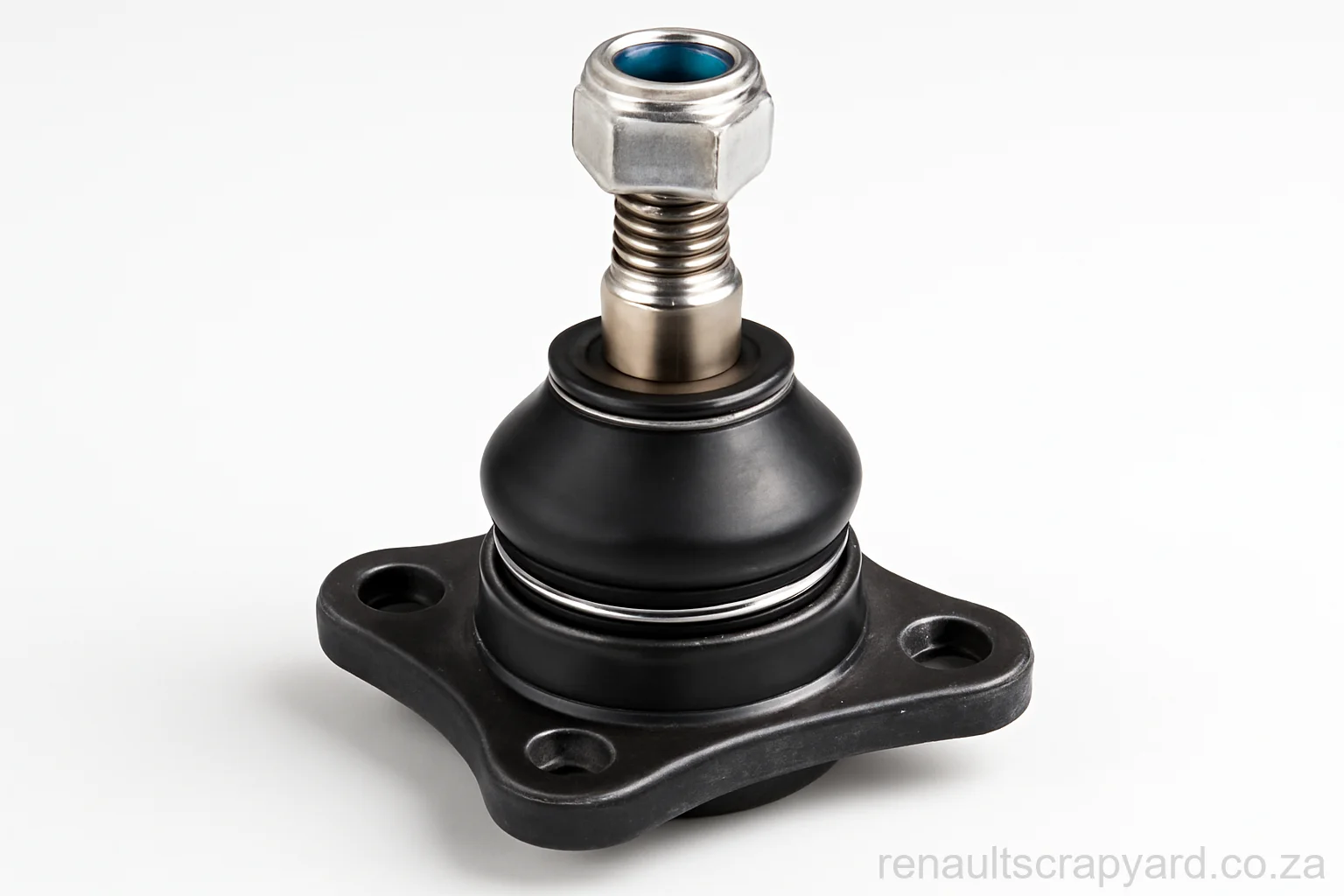
What Are Hyundai i20 Ball Joints?
Ball joints are critical spherical bearings in your Hyundai's suspension system that connect the control arms to the steering knuckles, allowing smooth rotation in multiple directions while supporting the vehicle's weight. They enable your wheels to move up and down with suspension travel whilst also allowing steering movement, making them essential for both ride comfort and handling precision. In South African Hyundais ranging from the i20 with Gamma petrol engines to the Creta fitted with CRDi diesel powertrains, ball joints endure significant stress from our varied road conditions including potholed urban streets and corrugated gravel roads.
Ball joints in Hyundai models like the Tucson, Accent and Sonata are designed to handle substantial loads while maintaining precise geometry for wheel alignment and steering response. Whether your Hyundai runs the efficient U-line CRDi diesel in an H1 or the turbocharged T-GDi engine in a sporty Accent GT, the ball joints work constantly to absorb impacts and maintain wheel positioning. Conditions on South African roads—from Johannesburg's deteriorating road surfaces to coastal humidity affecting Durban-based vehicles—can accelerate ball joint wear, making regular inspection especially important for maintaining your Hyundai's legendary ride quality and safety standards.
Signs You Need New Ball Joints
How we match ball joints to your i20
What changes across the range
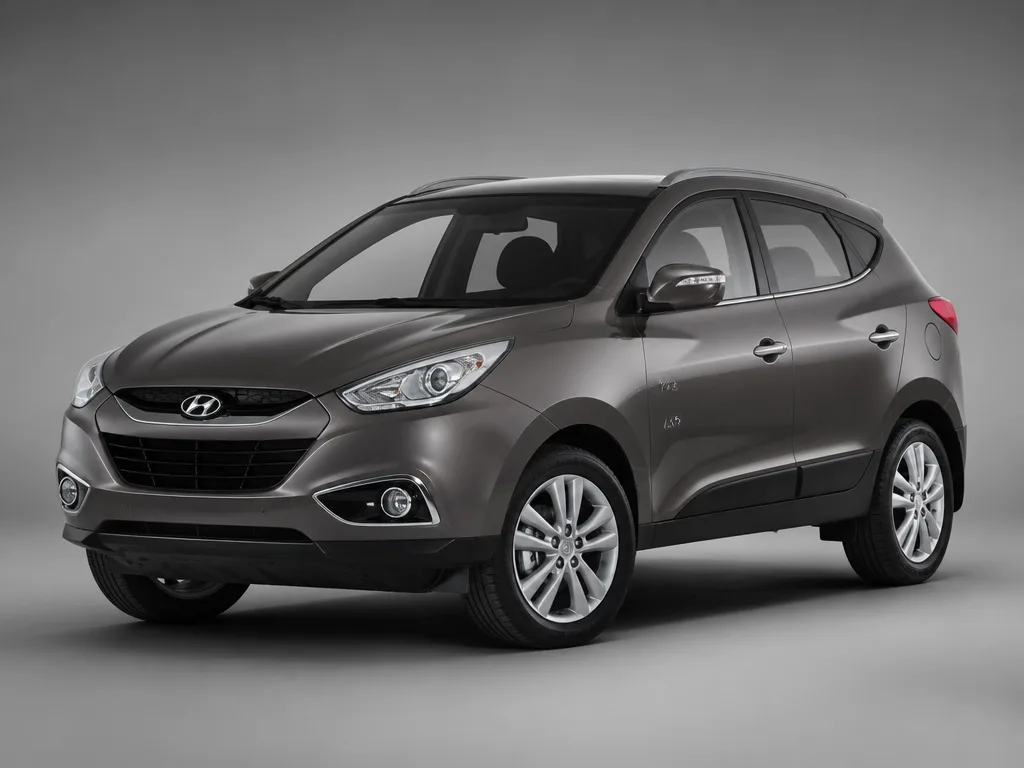
i20 owners are usually surprised by how much turns on the generation code — PB, then GB, then the current BC3 all sold here.
The PB and GB are different cars underneath despite the shared badge, so a part listed simply as "i20" is not automatically the right one — the generation code decides it.
Worth knowing: the i20shares its Kappa and Gamma engine families with the Kia Rio.
What we check on ball joints
- •The generation code, because i20 parts lists split on it
- •The engine family — this i20 was sold with Kappa 1.2, Gamma 1.4 and Kappa 1.0 T-GDi (N Line)
- •The generation code and whether the car is front- or all-wheel drive
- •Whether the car is pre- or post-facelift within its generation
In South Africa the i20 is mostly a high-mileage commuter hatch that spends its life in stop-start city traffic, which is why wear items move faster on an i20 than on almost anything else Hyundai sells here. That is the wear pattern we stock and source against.
Hyundai i20 Ball Joints — Questions We Get Asked
Will ball joints from another i20 fit mine?
Not automatically. The i20 sold in South Africa as PB, then GB, then the current BC3, and the PB and GB are different cars underneath despite the shared badge, so a part listed simply as "i20" is not automatically the right one — the generation code decides it. Send us the generation code off your VIN plate and we will confirm it either way before anything is dispatched.
Which engines did the South African i20 come with?
SA-market cars ran Kappa 1.2, Gamma 1.4, Kappa 1.0 T-GDi (N Line). The code stamped on the block is what we work from — the badge on the boot is not reliable on its own.
Does my Hyundai have upper ball joints at all?
Often not. Many of the models here — the i20, Tucson and Accent among them — use a MacPherson strut front end with lower ball joints only. Where uppers exist they mainly hold alignment and last longer, while the lowers carry the car's weight and wear first. Lower joints generally cost R800-R1,550 per side for parts, uppers R600-R1,250 where fitted, with labour adding another R500-R1,000.
What does ball joint replacement cost in South Africa?
Typically R1,200-R3,700 per side including parts and labour, depending on the model and whether it is an upper or a lower. A Hyundai i20 or Tucson sits at the lower end at R1,200-R1,950 per side, while a Creta or Sonata runs R2,250-R3,700. Doing both sides at once avoids paying the strip-down labour twice within a year.
How long do ball joints last on South African roads?
Normally 80,000-120,000 km, but road surface moves that number more than mileage does. Cars living with potholes, gravel or municipal roads in poor repair can need them by 60,000 km. Hyundais working as taxis or delivery vehicles carry heavier loads more often and should be inspected at every service rather than at an interval.
Is a worn ball joint dangerous?
Yes, and this is not a wear item you can nurse along. A ball joint that separates takes control of that wheel with it. If yours is clunking, the steering feels loose, or a workshop has already called it, keep driving to essential trips at low speed until it is fixed. It is also a roadworthy failure, so there is no version of this you can defer indefinitely.
Would the warranty cover a failed ball joint?
Only if it failed through a manufacturing defect rather than wear, which is a high bar for a suspension joint. Service plans in South Africa cover scheduled maintenance and generally exclude wear-and-tear suspension components unless stated otherwise. Check your own warranty documentation rather than relying on a general answer — early failures are sometimes covered on goodwill depending on mileage and history.
Learn More About Hyundai i20 Ball Joints
Not sure which ball joints fits your i20?
Send us your VIN or the engine code off the block and our Hyundai desk will cross-check the correct ball joints for your exact i20 derivative.