





Hyundai i20 Shock Absorbers
We source shock absorbers for every i20 generation sold in South Africa, then check the fit against your VIN before it leaves the warehouse
What Are Hyundai i20 Shock Absorbers?
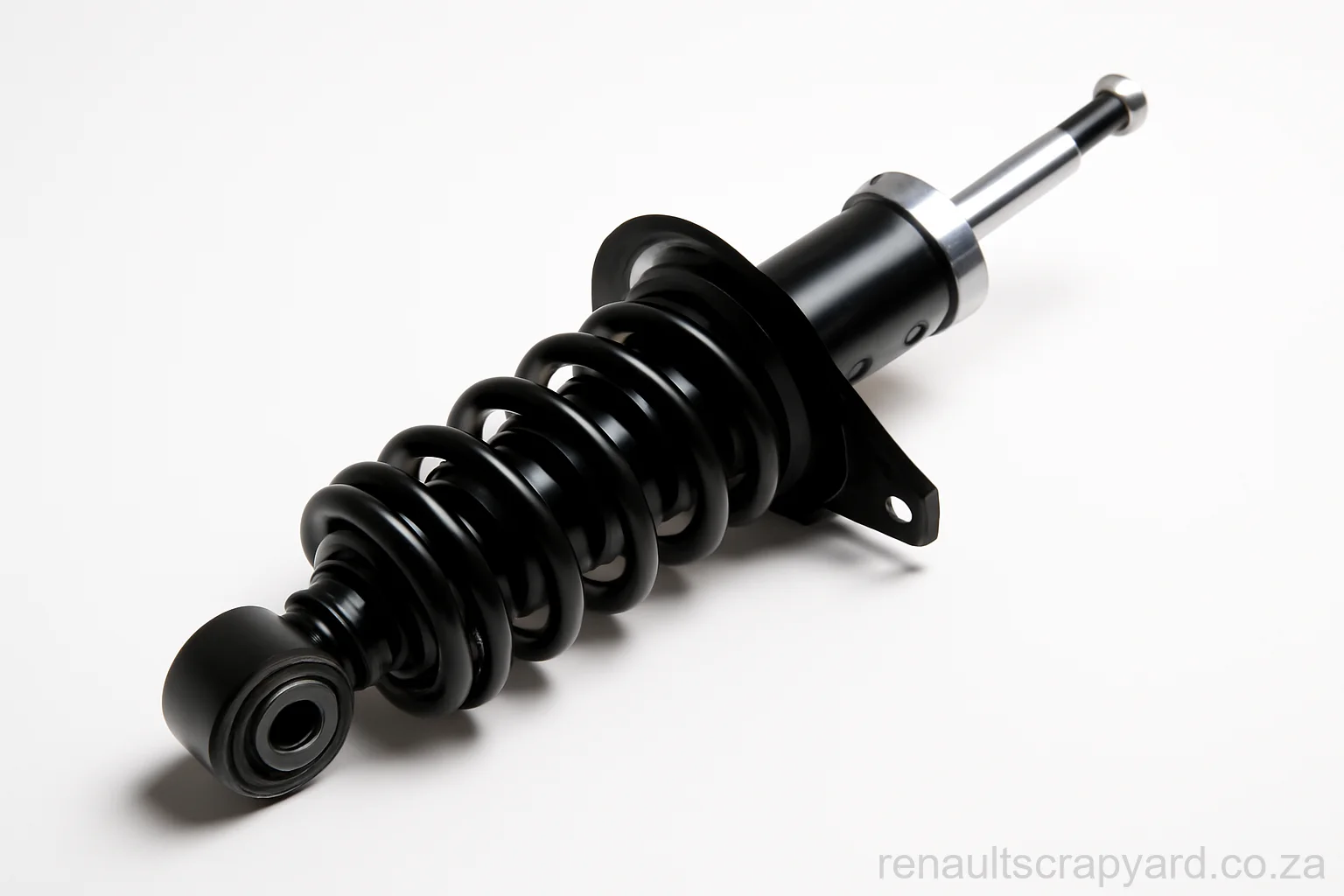
Shock absorbers are critical suspension components in your Hyundai that control the movement of the springs and suspension, ensuring your tyres maintain contact with the road surface. They dampen the oscillations caused by bumps, potholes and uneven surfaces common on South African roads, converting kinetic energy into heat that dissipates through hydraulic fluid. Regardless of whether you drive a Hyundai i20 with a 1.2T Kappa engine or a Creta with a CRDi diesel, properly functioning shock absorbers are essential for safe handling and control.
In local driving conditions in South Africa, from Johannesburg's potholed streets to the N1 highway and gravel roads in rural areas, shock absorbers work harder than in many other markets. Models equipped with Gamma and T-GDi petrol engines or U-line CRDi and CRDi diesel engines all rely on quality shock absorbers to manage the additional stress from heavily loaded vehicles, corrugated roads and the weight of roof racks or towing. Worn shocks compromise braking distances, increase tyre wear and reduce overall vehicle stability, making regular inspection especially important for South African Hyundai owners.
Signs You Need New Shock Absorbers
Getting the right shock absorbers for your i20 first time
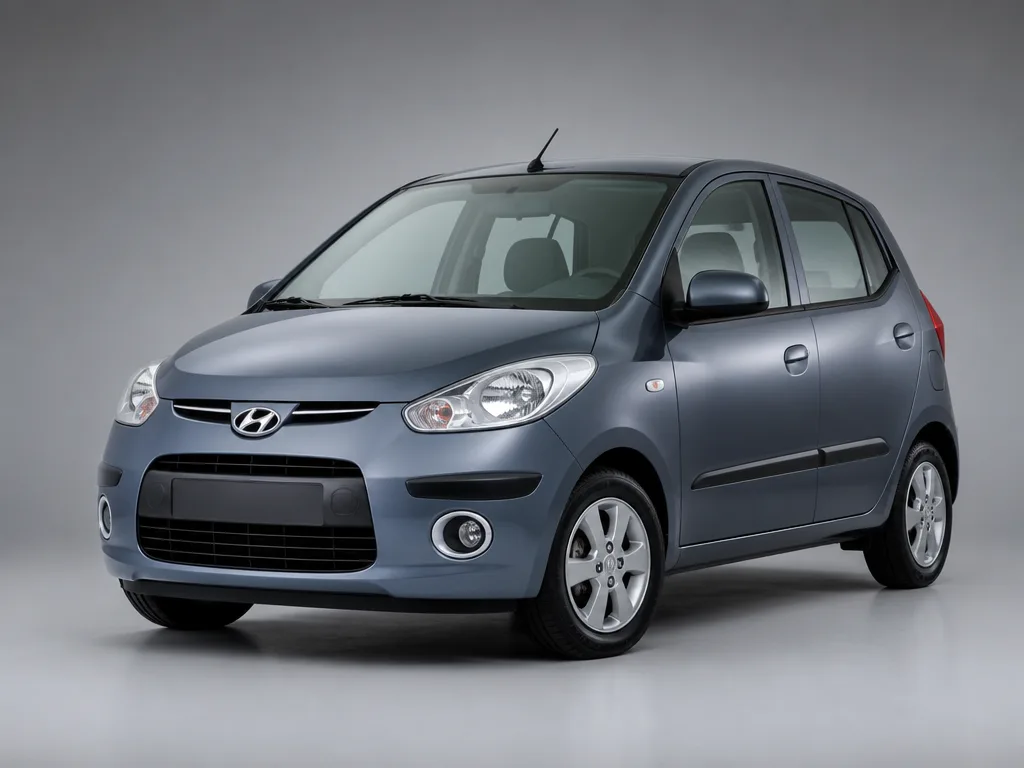
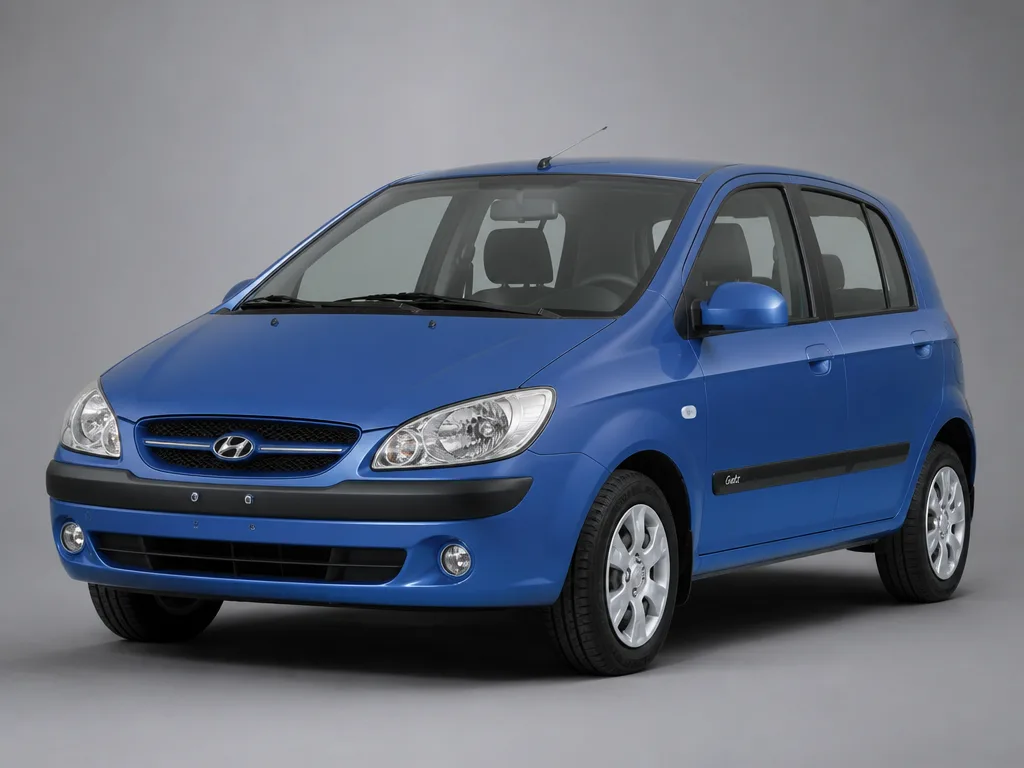
i20 owners are usually surprised by how much turns on the generation code — PB, then GB, then the current BC3 all sold here.The PB and GB are different cars underneath despite the shared badge, so a part listed simply as "i20" is not automatically the right one — the generation code decides it.
Engine families fitted to the SA-market i20:
South African road surfaces punish suspension harder than the markets these cars were tuned for, and the SUVs in the range carry noticeably different rear geometry between two-wheel- and all-wheel-drive derivatives.
Send us the generation code and whether the car is front- or all-wheel drive with your enquiry and we will confirm the correct shock absorbers against your car before anything is dispatched.
In South Africa the i20 is mostly a high-mileage commuter hatch that spends its life in stop-start city traffic, which is why wear items move faster on an i20 than on almost anything else Hyundai sells here. That is the wear pattern we stock and source against.
i20 Shock Absorbers: Common Questions
Will shock absorbers from another i20 fit mine?
Not automatically. The i20 sold in South Africa as PB, then GB, then the current BC3, and the PB and GB are different cars underneath despite the shared badge, so a part listed simply as "i20" is not automatically the right one — the generation code decides it. Send us the generation code off your VIN plate and we will confirm it either way before anything is dispatched.
Can you source shock absorbers for the i20 if local stock is dry?
Usually, yes. The i20 shares its Kappa and Gamma engine families with the Kia Rio, which gives us a second catalogue to search when Hyundai-listed stock runs out. We will tell you what we are quoting rather than leaving you to guess.
How much do Hyundai shock absorbers cost in South Africa?
Hyundai shock absorbers typically cost between R850-R1,700 per unit depending on the model and whether you choose OEM or quality aftermarket brands. A full set of four shocks for a Hyundai i20 or Tucson ranges from R3,150-R6,200, while larger models like the Creta or Santa Fe may cost R4,700-R7,700 for a complete set including fitment.
How often should I replace shock absorbers on my Hyundai?
Hyundai recommends inspecting shock absorbers every 20,000km and typically replacing them between 80,000-100,000km under normal conditions. However, South African roads with potholes and gravel surfaces can accelerate wear, so models like the i20 N Line with T-GDi engines or Creta CRDi SUVs used for highway and rural driving may need replacement closer to 60,000-80,000km.
Can I replace just one shock absorber or must I do them in pairs?
It's strongly recommended to replace shock absorbers in pairs (both front or both rear) rather than individually to maintain balanced handling and suspension response. Replacing only one side can cause uneven damping, leading to poor handling characteristics and accelerated wear on tyres and other suspension components, which is particularly dangerous on South African highways.
What's the difference between gas and oil shock absorbers for Hyundai?
Gas-charged shock absorbers contain pressurized nitrogen gas along with hydraulic oil, providing more consistent damping and better resistance to fade under heavy use compared to traditional oil-only shocks. For South African conditions, gas shocks are preferred for Hyundai models like the Accent with Gamma engines or Creta SUVs, as they handle heat buildup better on long highway journeys and provide improved performance on corrugated gravel roads.
Will worn shock absorbers affect my Hyundai's braking distance?
Yes, worn shock absorbers can increase braking distances by 20% or more because they reduce tyre contact with the road surface during braking. This is particularly critical in South Africa where emergency stops for potholes, animals, or traffic are common and worn shocks on models like the i20 or Tucson can significantly compromise safety in both wet and dry conditions.
Learn More About Hyundai i20 Shock Absorbers
Tell us which i20 you have
The i20 sold here as PB, then GB, then the current BC3, and they do not share one parts list. Give us the generation code and we will do the rest.