






Hyundai i30 Tailpipe
Tailpipe to suit the Hyundai i30, cross-referenced against OEM specification and dispatched countrywide
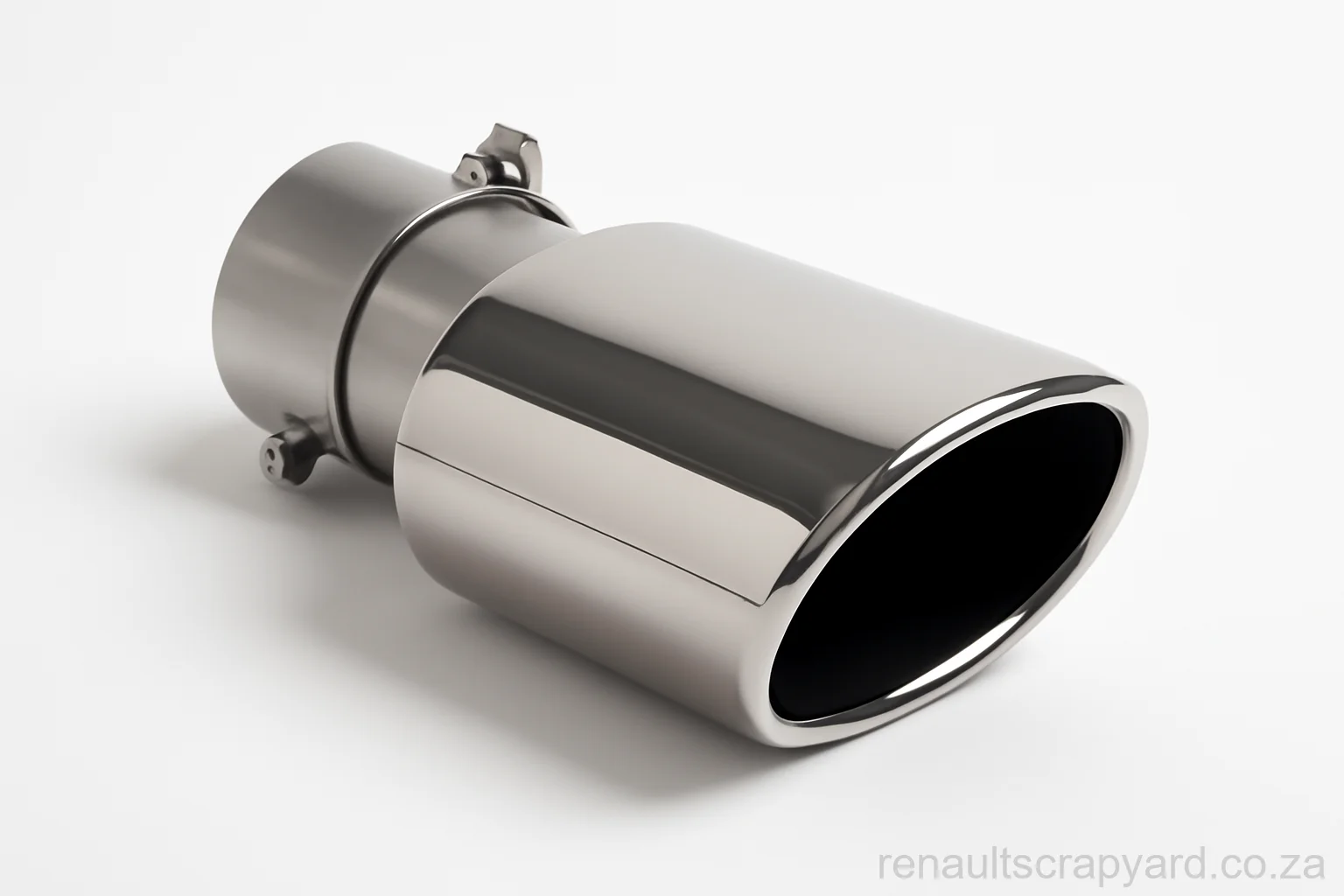
What Are Hyundai i30 Tailpipe?
The tailpipe is the last visible section of the exhaust, behind the rear box. It rots from the inside out — condensation from short journeys pools where the pipe meets the muffler and never gets hot enough to boil off — which is why the tip can look sound while the weld behind it has gone. Worth separating two problems that get confused here: if a CRDi diesel H1, H100 or Accent is blowing black smoke, the tailpipe is the messenger, not the culprit. That symptom lives upstream at the turbo, the EGR or the injection side, and replacing the pipe will change nothing except the view.
Signs You Need New Tailpipe
Before you order tailpipe for a i30
Does one tailpipe listing cover every i30?
No. Ordering tailpipe for a i30 starts with the generation: FD, GD and PD.N Line and standard derivatives differ in brakes, suspension and bumper mouldings — the badge on the boot changes the parts list, not just the trim.
Which engine is in my i30?
SA-market cars were sold with Beta II 2.0 (FD), Nu 1.8 (GD), 1.4 T-GDi (PD N Line) and U-line 1.6 CRDi on selected derivatives. The code stamped on the block settles it — the badge on the boot does not.
What do you need from me to quote tailpipe?
The model year and engine code, and which section has failed. Catalytic converters and sensors are emissions-standard specific, so a part from a different market or a different production year of the same Hyundai may physically fit and still not satisfy the engine management.
In South Africa the i30 is mostly bought by drivers who wanted a more solid-feeling hatch, and now aging into the independent aftermarket where the Kia cross-reference becomes genuinely useful. That is the wear pattern we stock and source against.
Hyundai i30 Tailpipe — Questions We Get Asked
Will tailpipe from another i30 fit mine?
Not automatically. The i30 sold in South Africa as FD, GD and PD, and N Line and standard derivatives differ in brakes, suspension and bumper mouldings — the badge on the boot changes the parts list, not just the trim. Send us the generation code off your VIN plate and we will confirm it either way before anything is dispatched.
Which engines did the South African i30 come with?
SA-market cars ran Beta II 2.0 (FD), Nu 1.8 (GD), 1.4 T-GDi (PD N Line), U-line 1.6 CRDi on selected derivatives. The code stamped on the block is what we work from — the badge on the boot is not reliable on its own.
Why is black smoke coming from my Hyundai exhaust?
Black smoke on a diesel Hyundai — particularly H1 and Accent CRDi — usually means turbocharger issues, a clogged EGR valve or injector faults, not the tailpipe. Petrol cars with black smoke are running rich, typically from a failed oxygen sensor or MAP sensor.
How much does it cost to replace a Hyundai exhaust in South Africa?
Full exhaust systems run roughly R2,500 to R10,000 depending on model and whether it's mild steel, stainless or a performance system. Tailpipe-only sections are far cheaper. Request a free quote through our form with photos of the damaged area.
Can rust damage a Hyundai tailpipe?
Yes — it's the most common cause of tailpipe failure in SA. Short-trip driving leaves condensation pooling in the cold pipe, eating through mild steel from the inside out. Coastal cars rust faster still. A stainless tip or full stainless system lasts far longer.
Why is my Hyundai H1 blowing black smoke?
Almost always turbocharger wear, a clogged DPF or EGR valve, or sticking injectors on the 1.6 CRDi engine. We recommend a diagnostic scan first to pinpoint the fault code rather than throwing parts at a black-smoke complaint. Fuel economy drops confirm it's running rich.
Should I replace just the tailpipe or the whole exhaust?
If rust is localised to the tailpipe section, a spot repair or single-section swap is cheapest. If the muffler seams and mid-section are also crusty, replace everything behind the catalyst at once — doing it piecemeal means repeat labour bills every six months.
Not sure which tailpipe fits your i30?
Send us your VIN or the engine code off the block and our Hyundai desk will cross-check the correct tailpipe for your exact i30 derivative.