

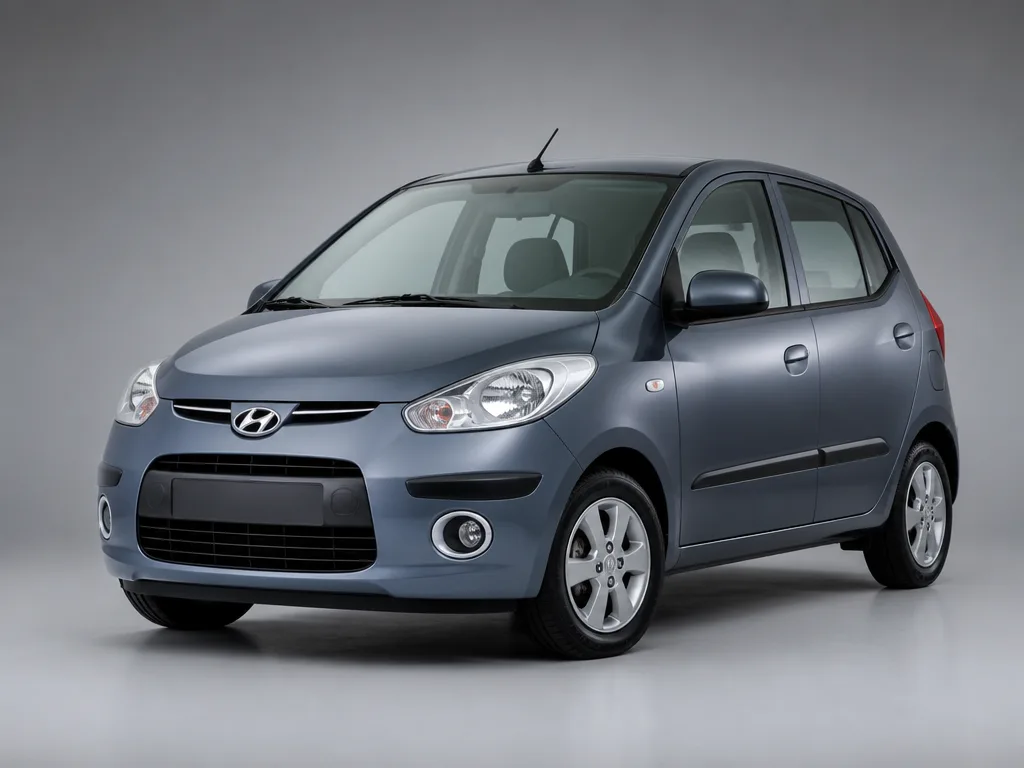





Hyundai i30 Fuel Tanks
Fuel Tanks to suit the Hyundai i30, cross-referenced against OEM specification and dispatched countrywide
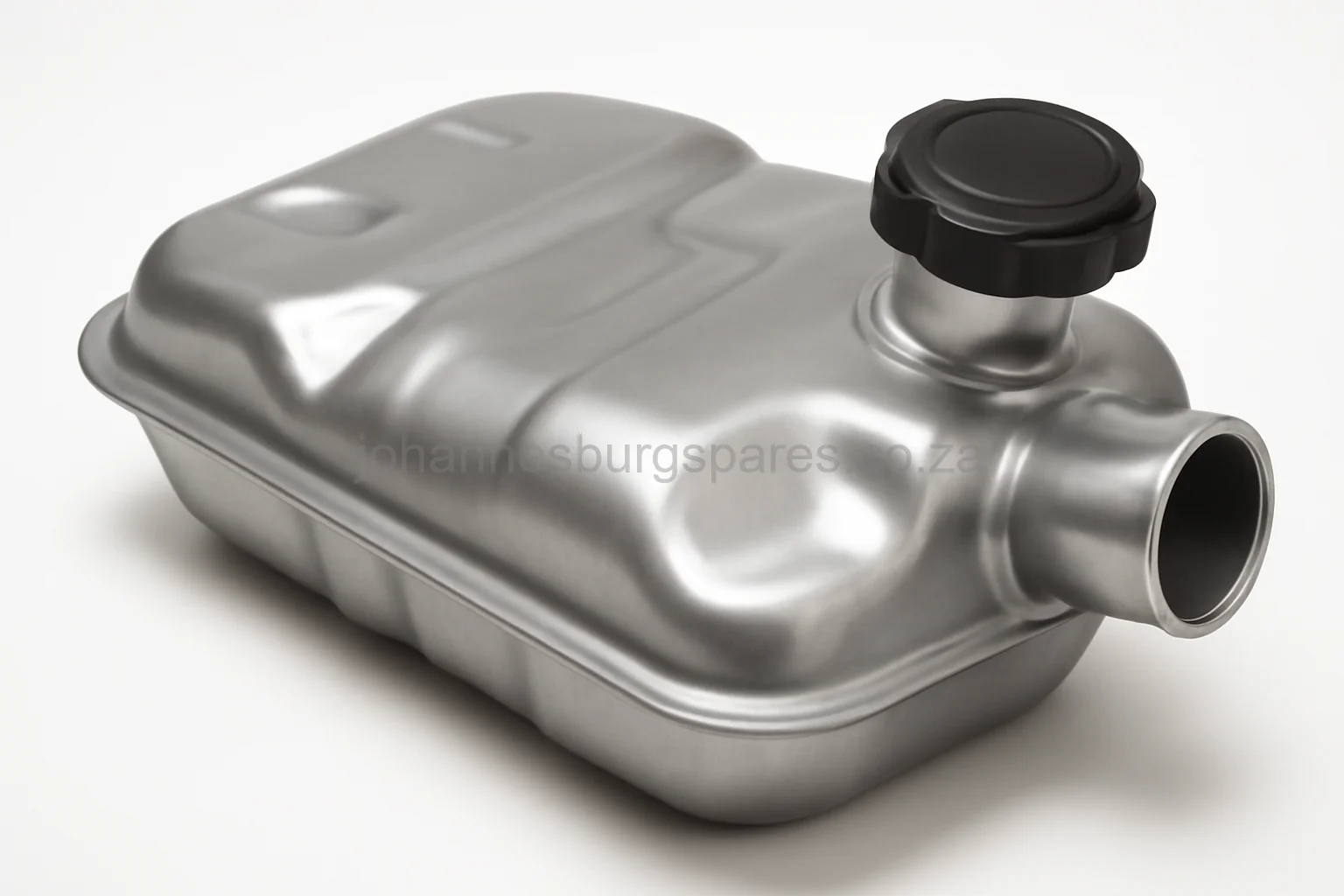
What Are Hyundai i30 Fuel Tanks?
The fuel tank stores petrol or diesel on your Hyundai — typically a pressed-steel or moulded-plastic unit slung under the rear floorpan. Hyundai H1 and H100 models suffer filler-neck corrosion and the Accent CRDi has a famous fuel-drain-back problem. SA used-tank supply is strong through our supplier network.
Signs You Need New Fuel Tanks
Before you order fuel tanks for a i30
Does one fuel tanks listing cover every i30?
No. The i30 reached South Africa as FD, GD and PD, and that alone changes what fits.N Line and standard derivatives differ in brakes, suspension and bumper mouldings — the badge on the boot changes the parts list, not just the trim.
Which engine is in my i30?
SA-market cars were sold with Beta II 2.0 (FD), Nu 1.8 (GD), 1.4 T-GDi (PD N Line) and U-line 1.6 CRDi on selected derivatives. The code stamped on the block settles it — the badge on the boot does not.
What do you need from me to quote fuel tanks?
The engine code, and whether the car is CRDi diesel, GDi or conventional petrol. CRDi diesel injection runs at pressures that leave no margin for a poor-quality part, and the petrol GDi and T-GDi engines use direct injection hardware that is not interchangeable with the older port-injected units.
In South Africa the i30 is mostly bought by drivers who wanted a more solid-feeling hatch, and now aging into the independent aftermarket where the Kia cross-reference becomes genuinely useful. That is the wear pattern we stock and source against.
Hyundai i30 Fuel Tanks — Questions We Get Asked
Will fuel tanks from another i30 fit mine?
Not automatically. The i30 sold in South Africa as FD, GD and PD, and N Line and standard derivatives differ in brakes, suspension and bumper mouldings — the badge on the boot changes the parts list, not just the trim. Send us the generation code off your VIN plate and we will confirm it either way before anything is dispatched.
Which engines did the South African i30 come with?
SA-market cars ran Beta II 2.0 (FD), Nu 1.8 (GD), 1.4 T-GDi (PD N Line), U-line 1.6 CRDi on selected derivatives. The code stamped on the block is what we work from — the badge on the boot is not reliable on its own.
How much does a Hyundai fuel tank cost in South Africa?
Real SA pricing — fuel-supply parts range R300-R2,700 and used Hyundai fuel tanks run R500-R9,700+ depending on model and condition. H1, H100 and Accent CRDi tanks are common stock. Send your VIN for an exact quote.
How much does it cost to replace a Hyundai fuel tank?
Parts vary from around R500 (used Getz/i20) to R10,000+ (new H1 or H100 commercial tanks). Labour is typically three to four hours — the tank has to drop clear, which means emptying fuel first. Send your VIN and tank condition for a full quote.
What are the symptoms of a Hyundai fuel tank leak?
A strong fuel smell under the car or in the cabin, visible drips on your driveway, fuel gauge misreading and rust staining around the filler or tank seams. On H1 and H100 models, filler-neck corrosion is the classic SA failure point.
Can a leaking Hyundai fuel tank be repaired?
Plastic tanks can sometimes be plastic-welded; steel tanks with pinhole rust can be patched. Neither is a long-term fix — we always recommend replacement. Fuel leaks are a fire hazard and will fail your next roadworthy. Get it sorted, not patched.
Why is fuel leaking from my Hyundai when I fill up?
Most commonly a cracked filler neck or a failed vent line — both documented Hyundai H1 and H100 issues, plus older Accent CRDi with rust. A perished filler hose between neck and tank is the other common culprit. Scan for EVAP fault codes to confirm.
Other Fuel System for the Hyundai i30
Not sure which fuel tanks fits your i30?
Send us your VIN or the engine code off the block and our Hyundai desk will cross-check the correct fuel tanks for your exact i30 derivative.