






Hyundai i30 Springs
Springs to suit the Hyundai i30, cross-referenced against OEM specification and dispatched countrywide
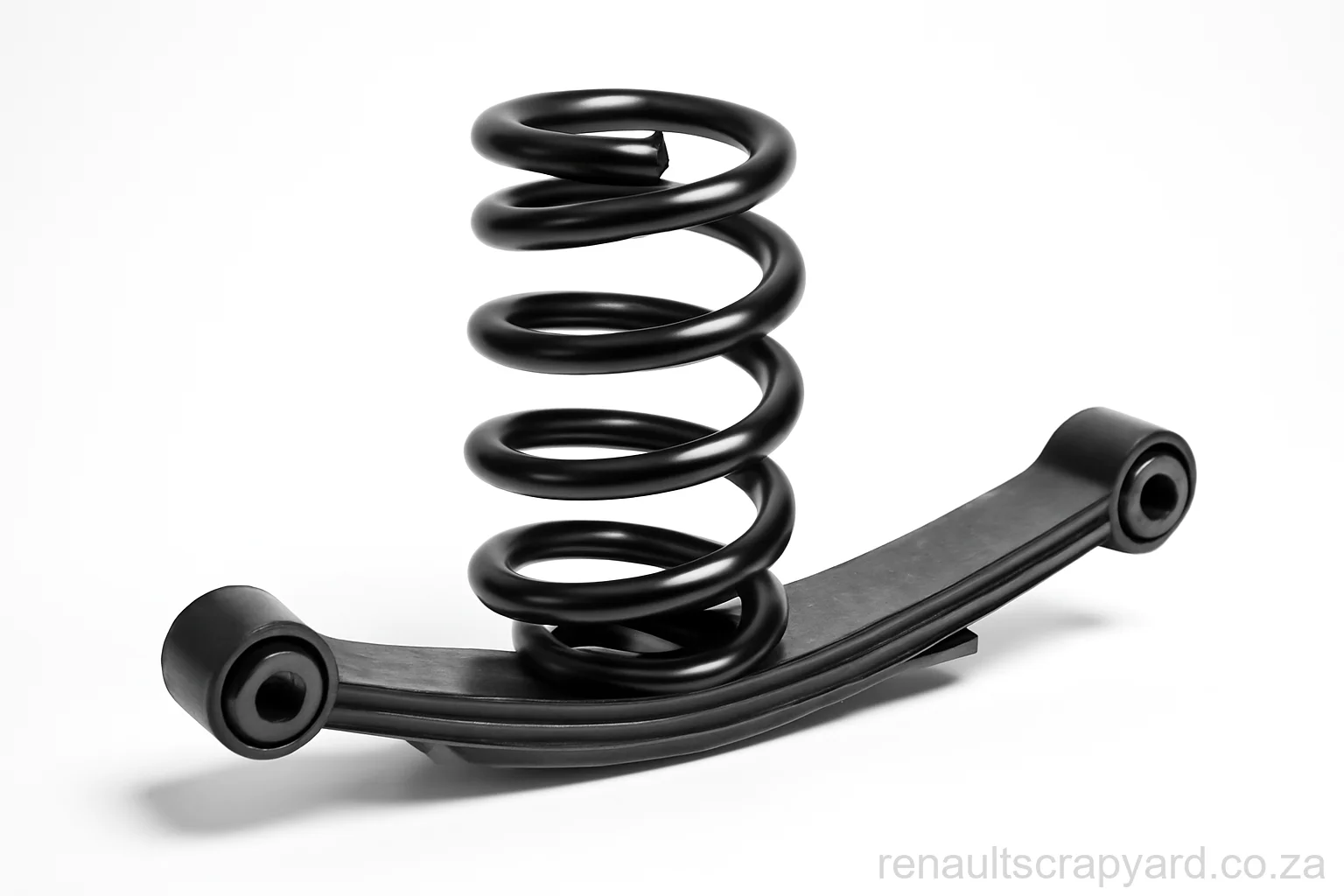
What Are Hyundai i30 Springs?
Springs are the steel coils that support the car's weight and absorb bump energy, working alongside the dampers. On Hyundais we see broken coil springs on the i20 and Accent where SA's potholed roads fatigue the metal — usually snapping at the bottom coil with a loud clunk.
Signs You Need New Springs
How we match springs to your i30
What changes across the range
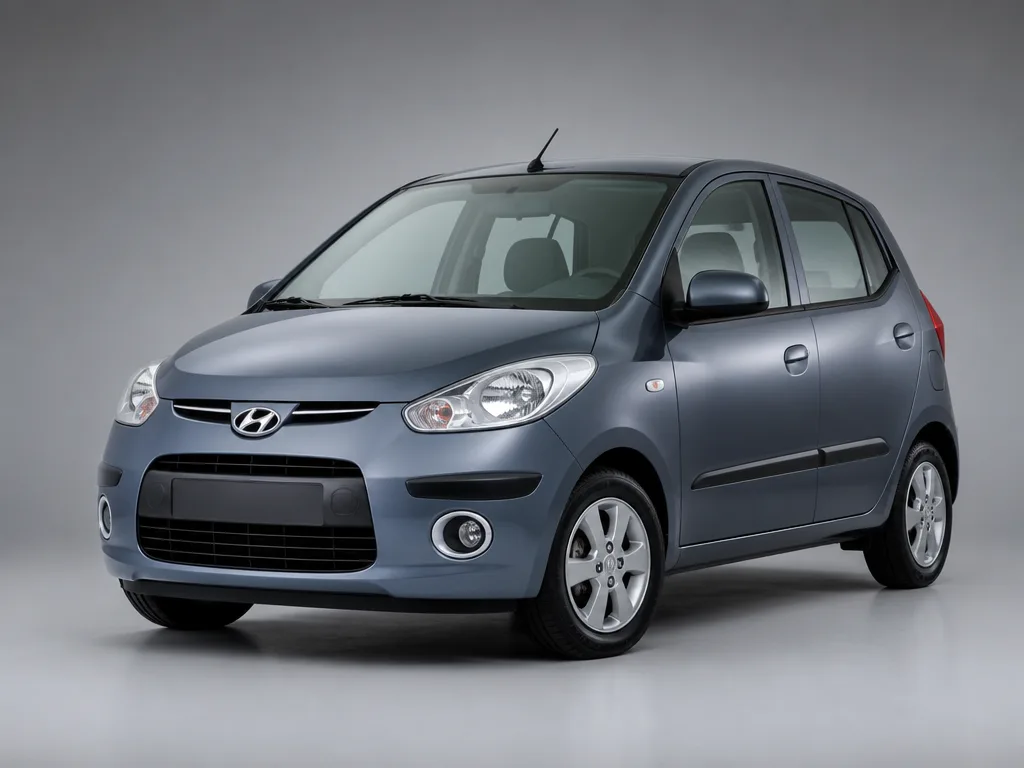
Ordering springs for a i30 starts with the generation: FD, GD and PD.
N Line and standard derivatives differ in brakes, suspension and bumper mouldings — the badge on the boot changes the parts list, not just the trim.
Worth knowing: the i30developed alongside the Kia Cee’d, with which it shares a great deal.
What we check on springs
- •The generation code, because i30 parts lists split on it
- •The engine family — this i30 was sold with Beta II 2.0 (FD), Nu 1.8 (GD), 1.4 T-GDi (PD N Line) and U-line 1.6 CRDi on selected derivatives
- •The generation code and whether the car is front- or all-wheel drive
- •Whether the car is pre- or post-facelift within its generation
In South Africa the i30 is mostly bought by drivers who wanted a more solid-feeling hatch, and now aging into the independent aftermarket where the Kia cross-reference becomes genuinely useful. That is the wear pattern we stock and source against.
Hyundai i30 Springs — Questions We Get Asked
Will springs from another i30 fit mine?
Not automatically. The i30 sold in South Africa as FD, GD and PD, and N Line and standard derivatives differ in brakes, suspension and bumper mouldings — the badge on the boot changes the parts list, not just the trim. Send us the generation code off your VIN plate and we will confirm it either way before anything is dispatched.
Which engines did the South African i30 come with?
SA-market cars ran Beta II 2.0 (FD), Nu 1.8 (GD), 1.4 T-GDi (PD N Line), U-line 1.6 CRDi on selected derivatives. The code stamped on the block is what we work from — the badge on the boot is not reliable on its own.
How do I spot a broken coil spring on a Hyundai?
A sudden clunk over potholes, the car sitting down on one corner, uneven tyre wear and sometimes a scrape on full bump. Turn the steering lock-to-lock and look into the arch — a broken spring is usually visible at the bottom coil, which makes this one of the few suspension faults you can confirm yourself in a minute.
Is it safe to drive a Hyundai with a broken spring?
Briefly, at low speed, to get home or to a workshop. Not beyond that — the broken coil can perforate a tyre and damage the strut, and the handling is already compromised. Book it in within a day or two rather than a week.
Why do springs break on South African roads specifically?
Potholes and unsealed shoulders load a spring in ways the road it was designed for never did, and a car that habitually carries weight in the boot settles faster on that axle. It is the single most common suspension failure we see on cars that live outside the metros.
What does a coil spring cost for a Hyundai?
Our SA supplier network stocks Hyundai coil-spring replacements and they are typically inexpensive parts. Labour is the bigger variable, since strut assembly removal takes about an hour a side. Request a free quote with your model and generation for an all-in figure.
Do Hyundai springs have to be replaced in pairs?
On the same axle, yes. A fresh spring next to a settled one leaves the car sitting unevenly and handling worse than before you started. The labour is already committed once the corner is apart, so doing both is the cheaper decision as well as the correct one. If one corner sits low, compare ride height with a tape measure — anything more than 10mm difference warrants a swap.
Not sure which springs fits your i30?
Send us your VIN or the engine code off the block and our Hyundai desk will cross-check the correct springs for your exact i30 derivative.