


Hyundai Santa Fe Brake Lines
Whether your Santa Fe is an early or late build, we match the brake lines to your derivative rather than to the badge
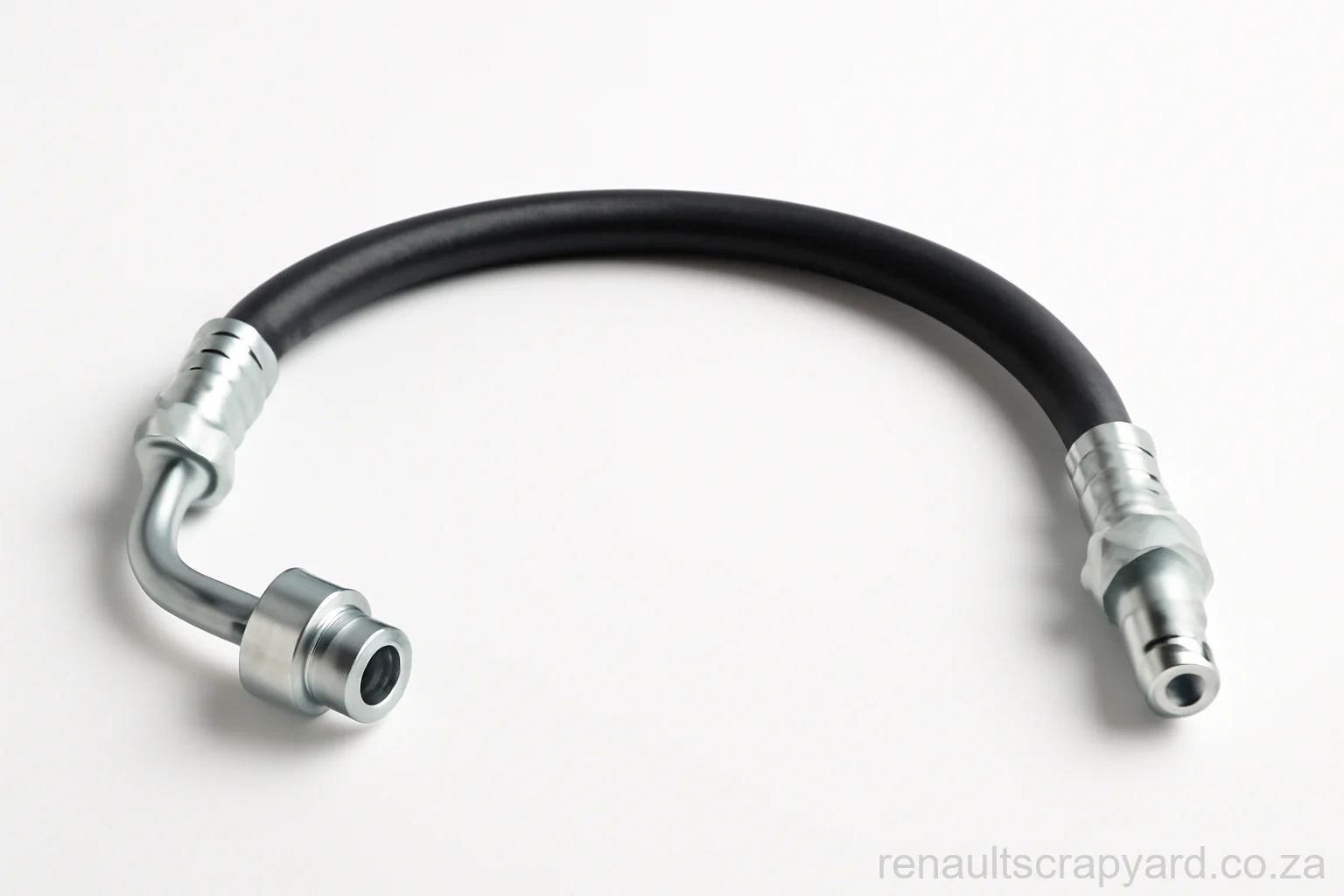
What Are Hyundai Santa Fe Brake Lines?
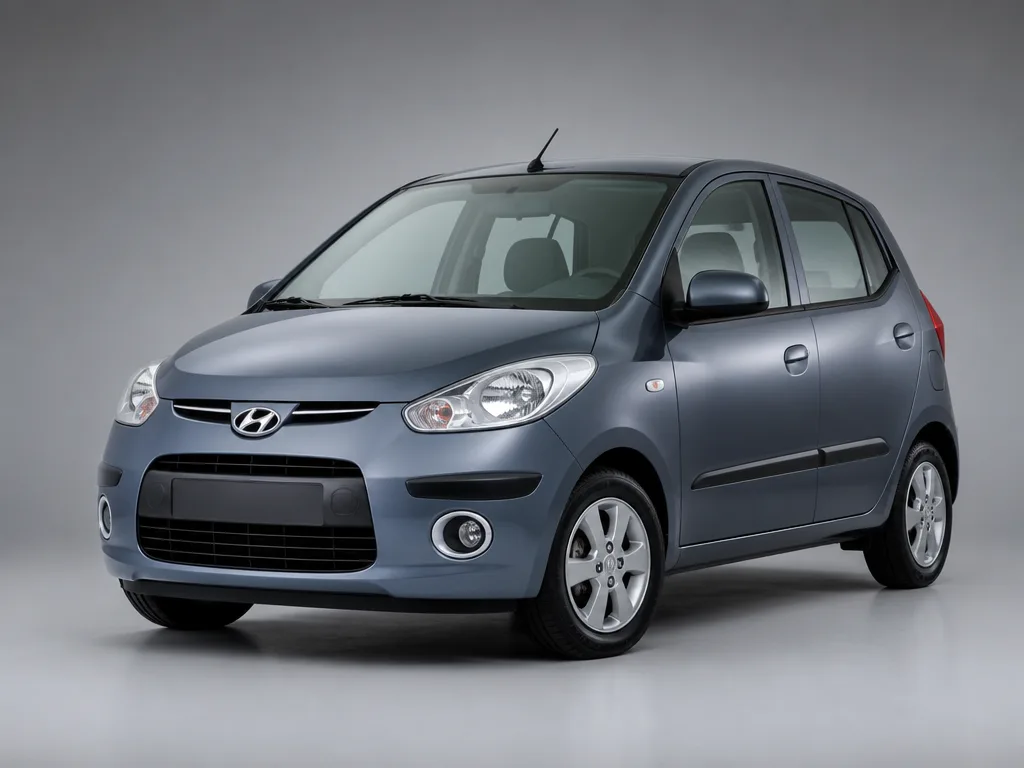
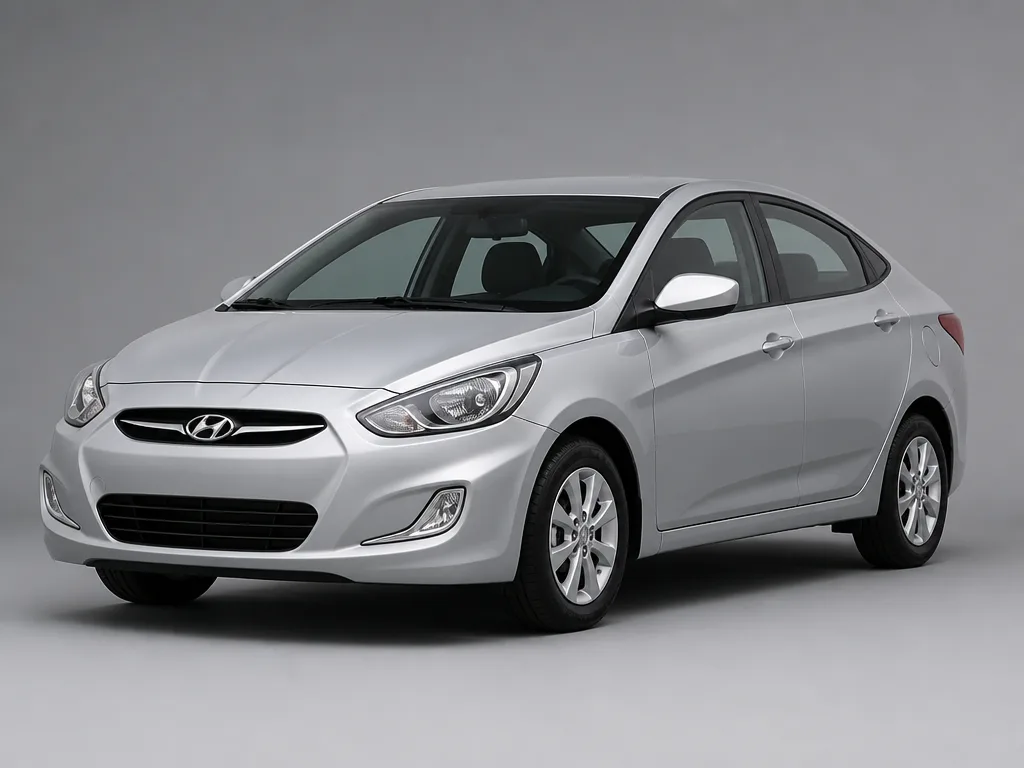
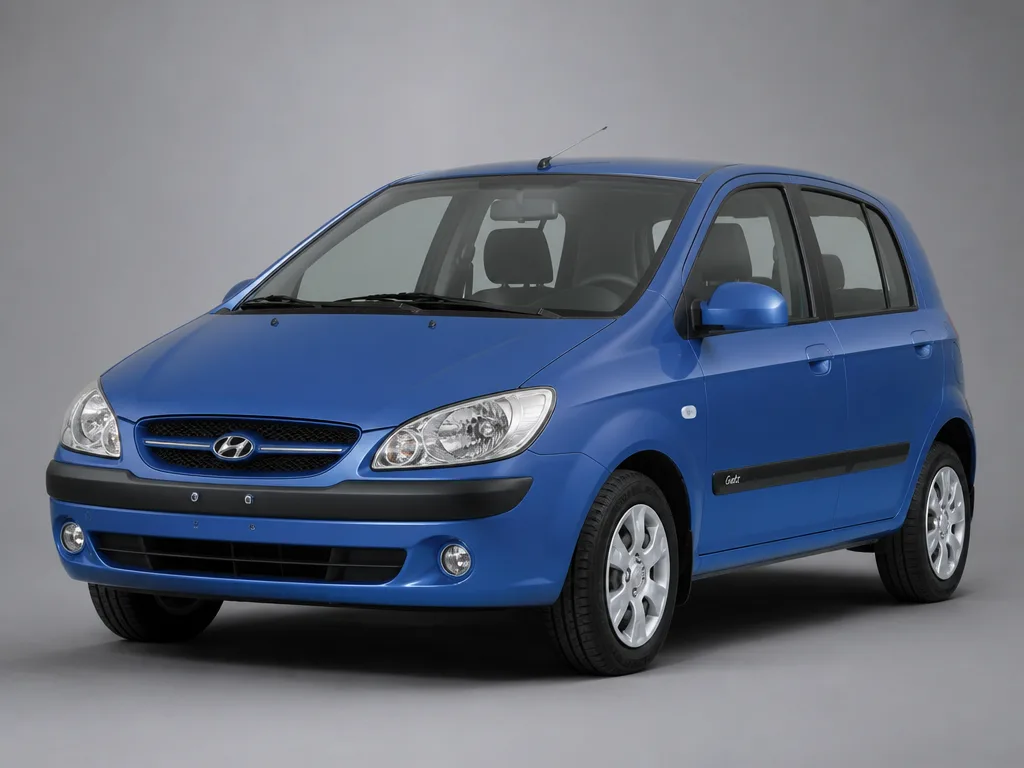
Brake lines carry pressurised DOT 4 fluid from your Hyundai's master cylinder to each caliper — rigid steel pipes along the chassis, flexible rubber hoses at the wheels. On Getz, i20 and Accent models we see corrosion where the steel line runs near the rear axle, worse on coastal cars.
Signs You Need New Brake Lines
Before you order brake lines for a Santa Fe
Does one brake lines listing cover every Santa Fe?
No. Santa Fe owners are usually surprised by how much turns on the generation code — SM, CM, DM and TM all sold here.Five- and seven-seat derivatives differ well beyond the third-row seat itself — floor pan, trim, glass and rear HVAC parts all follow the seating configuration.
Which engine is in my Santa Fe?
SA-market cars were sold with Delta 2.7 V6 (SM), 2.2 CRDi (CM) and R-line 2.2 CRDi (DM, TM). The code stamped on the block settles it — the badge on the boot does not.
What do you need from me to quote brake lines?
The derivative and whether the car has been fitted with non-standard wheels, which can rule out some caliper and disc combinations. Disc diameter on a Hyundai tracks the derivative rather than the model — a 1.6 and a turbo version of the same car frequently run different front brakes, and N Line derivatives differ again.
In South Africa the Santa Fe is mostly the tow car of the range, so cooling, driveline and rear-suspension components carry loads the same parts never see on a lighter Hyundai. That is the wear pattern we stock and source against.
Before You Order Santa Fe Brake Lines
Will brake lines from another Santa Fe fit mine?
Not automatically. The Santa Fe sold in South Africa as SM, CM, DM and TM, and five- and seven-seat derivatives differ well beyond the third-row seat itself — floor pan, trim, glass and rear HVAC parts all follow the seating configuration. Send us the generation code off your VIN plate and we will confirm it either way before anything is dispatched.
How do you check brake lines actually fits a Santa Fe?
We work backwards from the VIN: generation first, then engine family, then whether the car is pre- or post-facelift within that generation. On the Santa Fe specifically, five- and seven-seat derivatives differ well beyond the third-row seat itself — floor pan, trim, glass and rear HVAC parts all follow the seating configuration.
How much does it cost to replace a Hyundai brake line?
A single flexi hose is a budget repair, sourced through our SA supplier network. Full rigid-line replacement for a corroded Getz/i20 rear line is a bigger job, typically three to four hours. Send your VIN for a free quote.
What are the symptoms of a leaking brake line?
A spongy pedal is the earliest sign, followed by a dropping fluid level and visible drips under the wheel or along the chassis. JustAnswer has a long-running i20 brake-fluid-leak thread — usually a flexi hose or the rear line near the axle.
Is it safe to drive with a leaking brake line?
No — and we will not mince words here. A leaking line can fail completely under hard braking, leaving you with no front or no rear brakes. Stop driving the car, top up the reservoir and get it towed to a workshop or our recommended installer.
Why is my Hyundai brake pedal spongy?
Three main causes: air in the system from a recent repair, old moisture-laden fluid, or a weeping flexi hose ballooning under pressure. On i20s and Cretas we see the rear flexi hoses perish first. A proper bleed plus hose inspection usually diagnoses it.
Where can I buy Hyundai brake lines in South Africa?
We source new flexi hoses and rigid pipe sets nationally through our SA supplier network. Stainless-braided upgrades for i20 N or Accent GT trims are also available. Send us your VIN and wheel position for a same-day quote.
Let us confirm the brake lines before you buy
Photos of the old part and your VIN are usually all we need. We confirm the brake lines against your Santa Fe before quoting, not after.