


Hyundai Santa Fe Brake Shoes
Brake Shoes for the Hyundai Santa Fe — new, used and aftermarket stock, quoted once we know which Santa Fe you are running
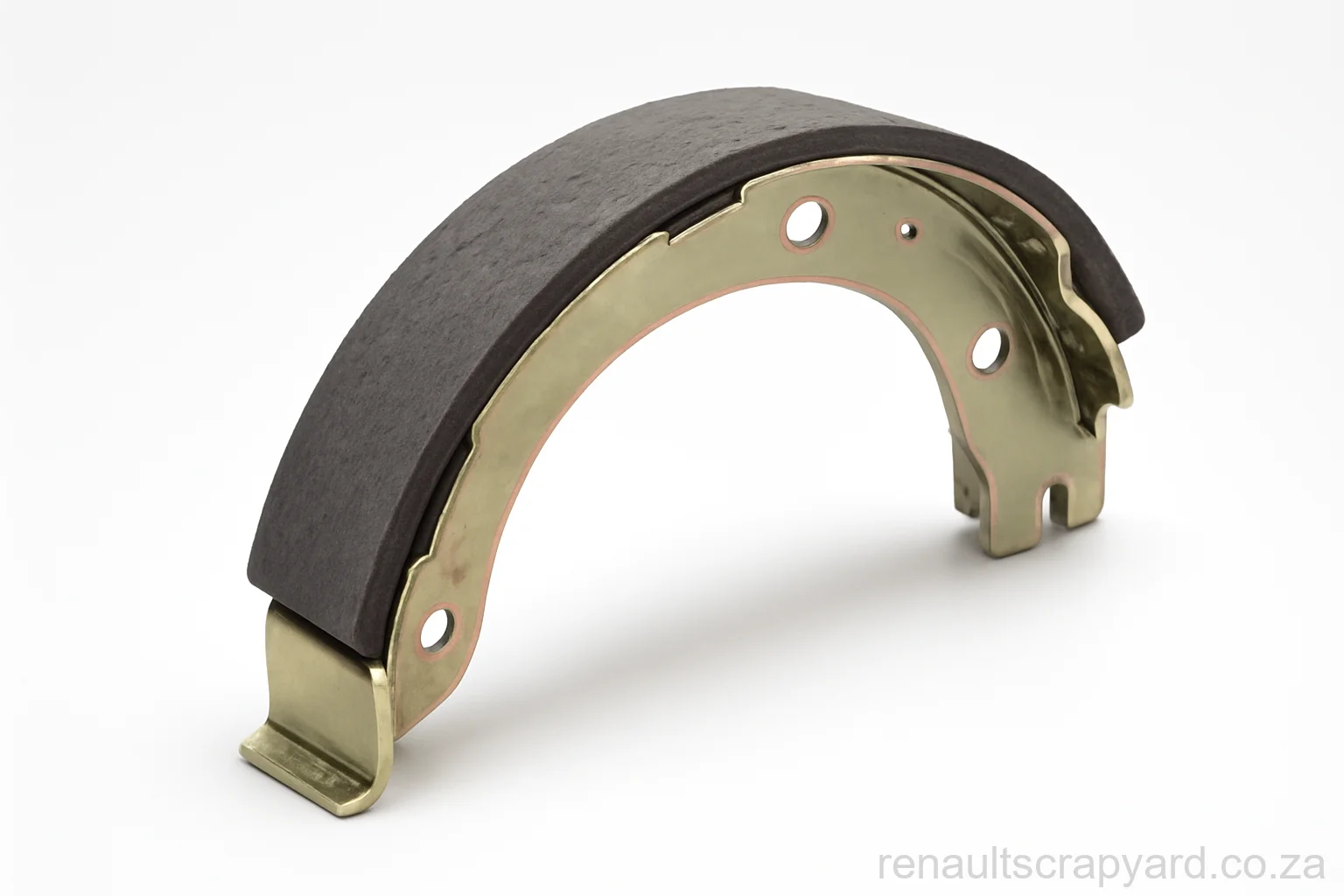
What Are Hyundai Santa Fe Brake Shoes?
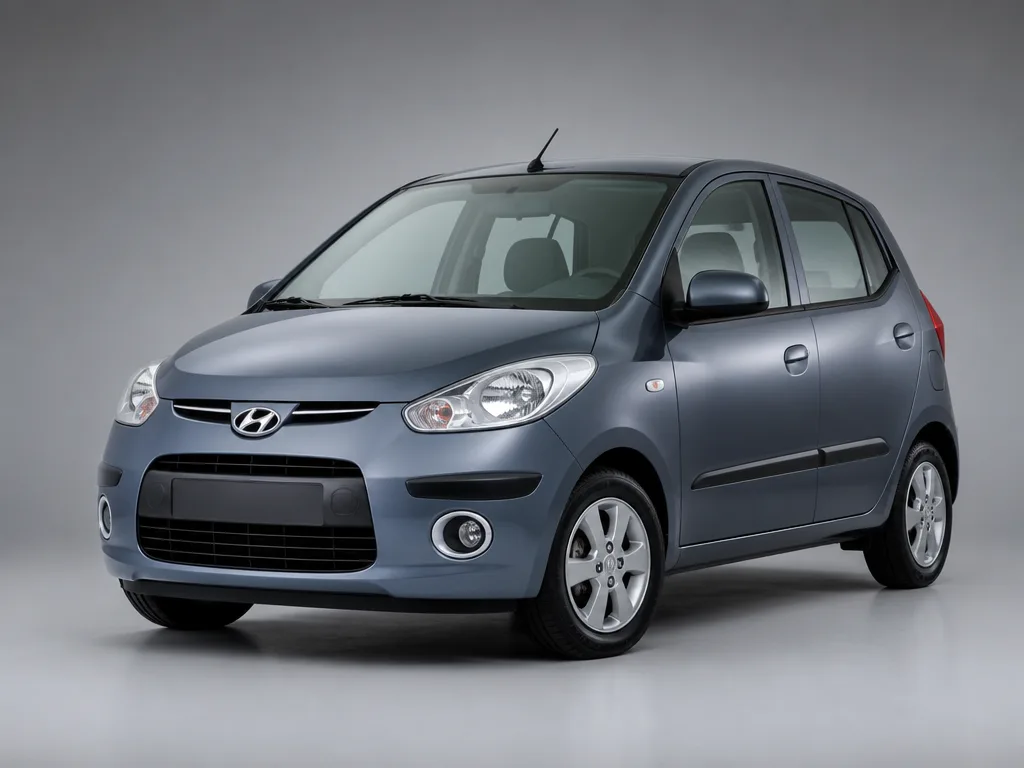
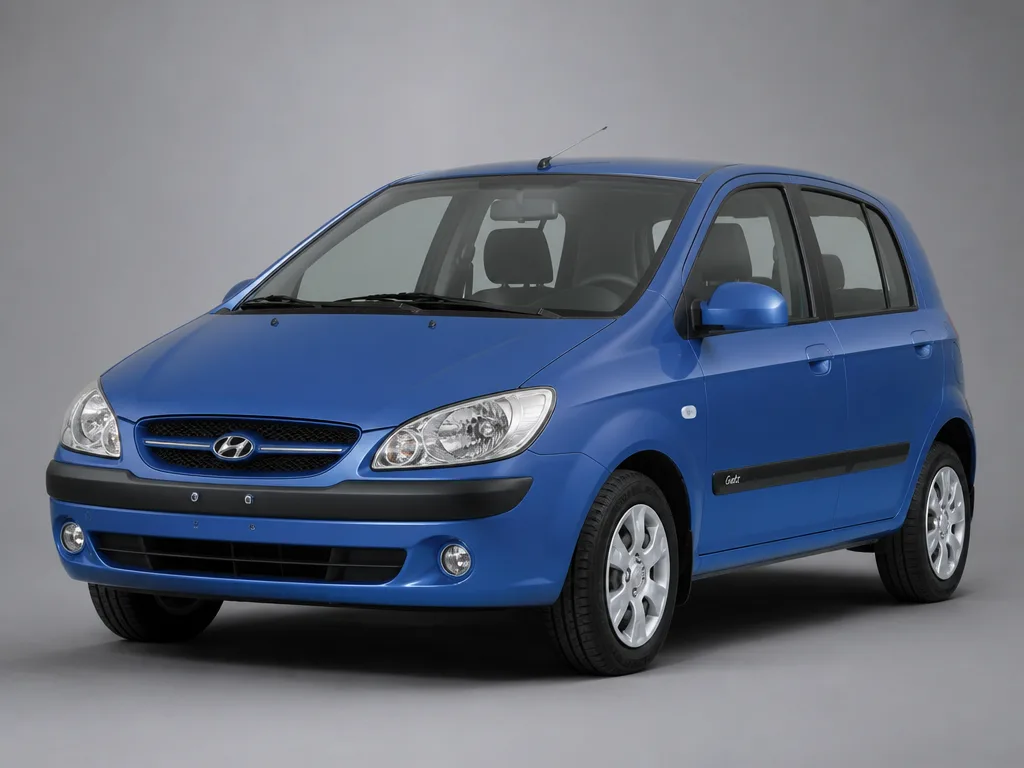
Brake shoes are the friction pads that press outwards against the inside of rear drums on smaller Hyundais — i10, Getz, i20 entry grades. They handle parking-brake hold and light rear braking duty; the self-adjuster mechanism that sits with them is a known weak point on Hyundais.
Signs You Need New Brake Shoes
Santa Fe Brake Shoes: what actually decides fitment
What changes across the range
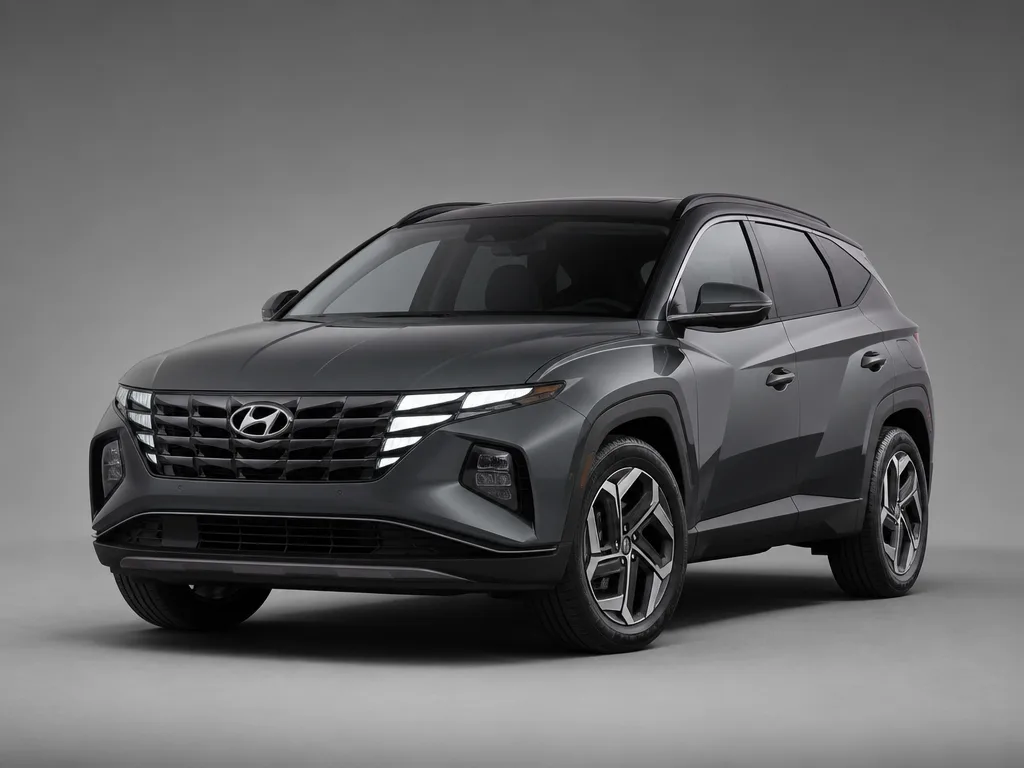
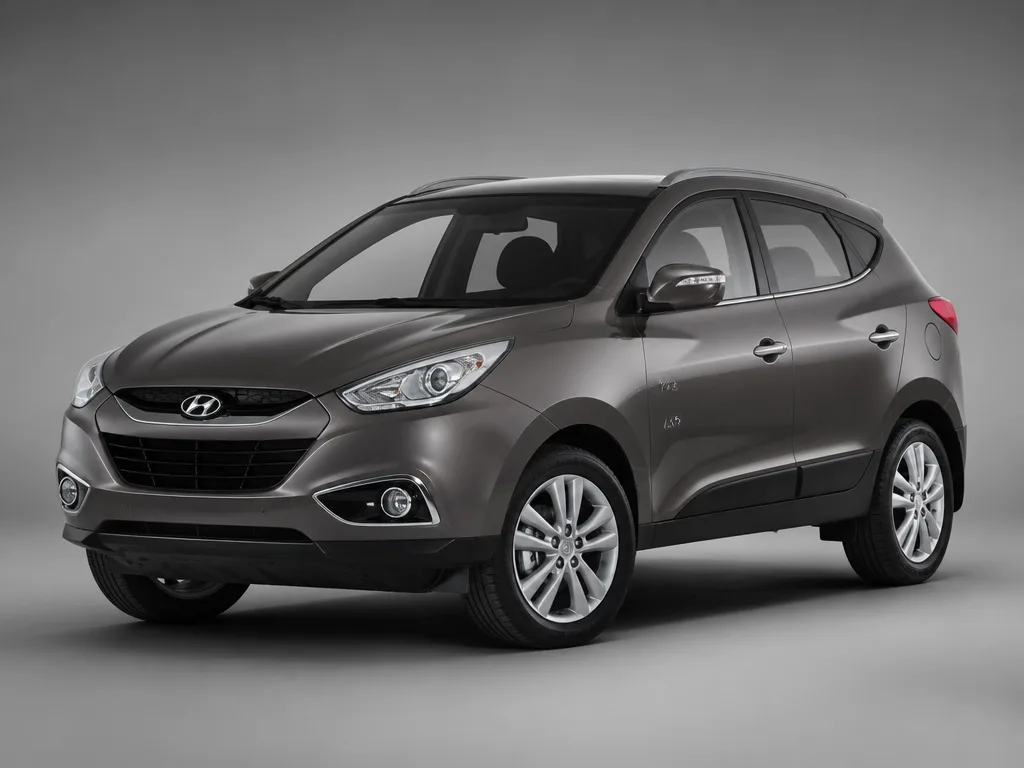
Ordering brake shoes for a Santa Fe starts with the generation: SM, CM, DM and TM.
Five- and seven-seat derivatives differ well beyond the third-row seat itself — floor pan, trim, glass and rear HVAC parts all follow the seating configuration.
Worth knowing: the Santa Fea platform relative of the Kia Sorento across several generations.
What we check on brake shoes
- •The generation code, because Santa Fe parts lists split on it
- •The engine family — this Santa Fe was sold with Delta 2.7 V6 (SM), 2.2 CRDi (CM) and R-line 2.2 CRDi (DM, TM)
- •The derivative and whether the car has been fitted with non-standard wheels, which can rule out some caliper and disc combinations
- •Whether the car is pre- or post-facelift within its generation
In South Africa the Santa Fe is mostly the tow car of the range, so cooling, driveline and rear-suspension components carry loads the same parts never see on a lighter Hyundai. That is the wear pattern we stock and source against.
Hyundai Santa Fe Brake Shoes FAQs
Will brake shoes from another Santa Fe fit mine?
Not automatically. The Santa Fe sold in South Africa as SM, CM, DM and TM, and five- and seven-seat derivatives differ well beyond the third-row seat itself — floor pan, trim, glass and rear HVAC parts all follow the seating configuration. Send us the generation code off your VIN plate and we will confirm it either way before anything is dispatched.
What should I send you when asking about Santa Fe brake shoes?
The VIN is the single most useful thing — a photo of the plate is fine. Failing that, the generation code and the engine code off the block. The Santa Fe ran as SM, CM, DM and TM, so the generation is what narrows the search.
Does my Hyundai even have rear shoes?
Only if it has rear drums, and within the Hyundai range that follows the derivative rather than the model — plenty of cars in the range run rear discs on higher specifications and drums lower down. Worth confirming before you order, because shoes and pads are not interchangeable in any sense.
What do worn brake shoes feel like?
A squeal from the rear under light braking, a handbrake that needs progressively more clicks, and longer stopping distances in the wet. Once the friction material reaches the rivets you get a metallic scrape — and by then the drum is usually scored and joining the bill.
How long do brake shoes last on a Hyundai?
Typically 60,000 to 100,000 km, roughly double front pad life because the rears simply do less work. Potholes, a permanently loaded boot and a seized auto-adjuster all cut into that. If the handbrake has started slipping, inspect well before the 80,000 km mark rather than waiting for the noise.
Do the springs and hardware come with the shoes?
Most aftermarket sets include the return springs, hold-down pins and the adjuster. Fit all of it. Reusing tired springs or a rusted auto-adjuster is exactly what makes a drum adjuster failure come straight back, and you will have paid the labour twice for one job.
Where do I get Hyundai brake shoes in South Africa?
We source Ferodo, ATE, Motopart and Optima sets nationally through our SA supplier network. Sets for the current high-volume models are usually on the shelf; older Getz and i10 sets generally need ordering in. Send your VIN for a same-day quote.
Get your Santa Fe brake shoes matched properly
A part number from the old unit, or simply your VIN, is enough for us to identify the right brake shoes for your Santa Fe.