







Buy Fuel System for Your Hyundai Tiburon
New, used and aftermarket fuel system for the Hyundai Tiburon, checked against your VIN before anything ships
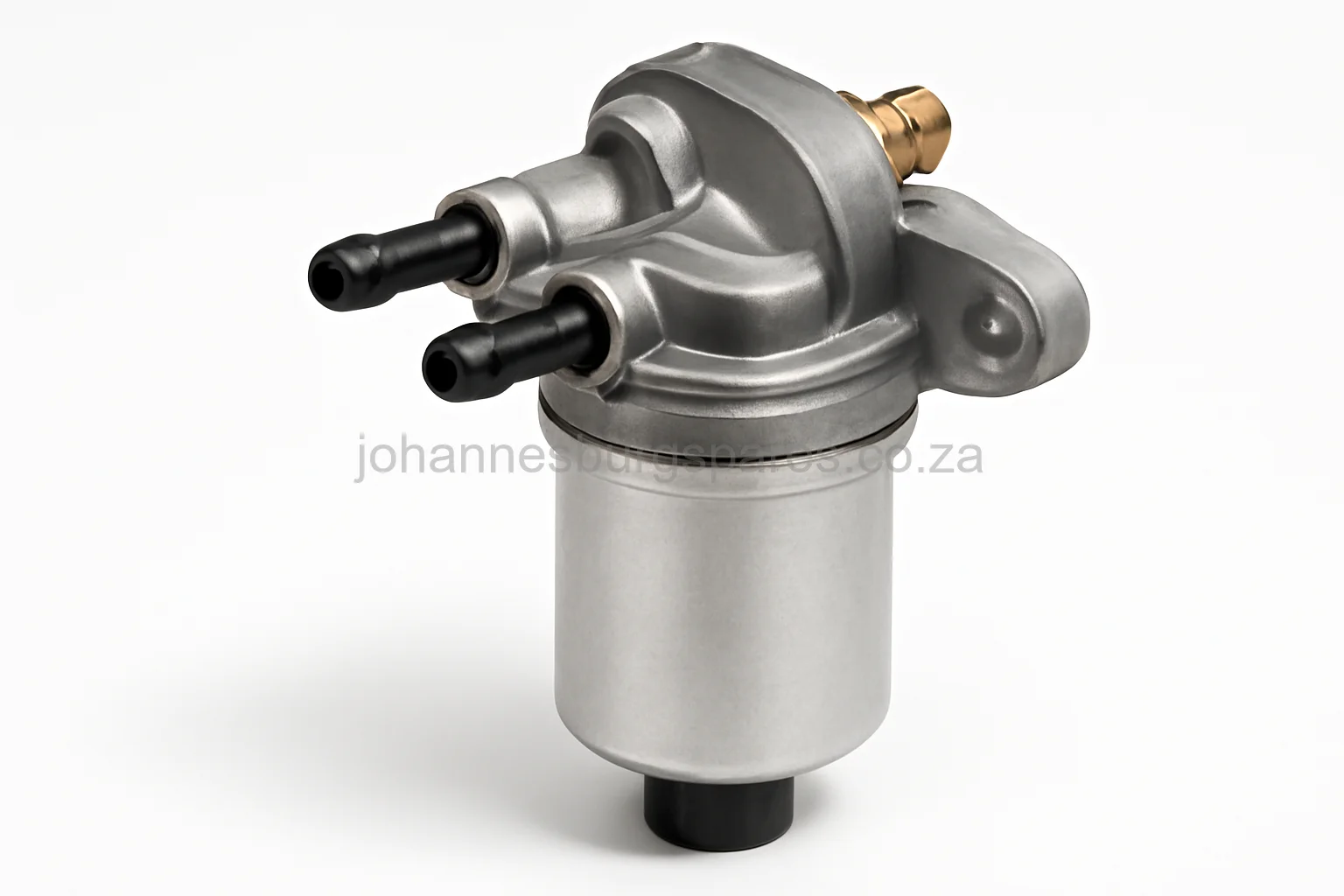
Pick the fuel system your Tiburon is missing
The engine code, and whether the car is CRDi diesel, GDi or conventional petrol will settle most of these — pick the component below and we will confirm the rest.
Hyundai Tiburon Fuel Pumps
Fast MovingElectric and mechanical fuel pumps that feed Hyundai engines
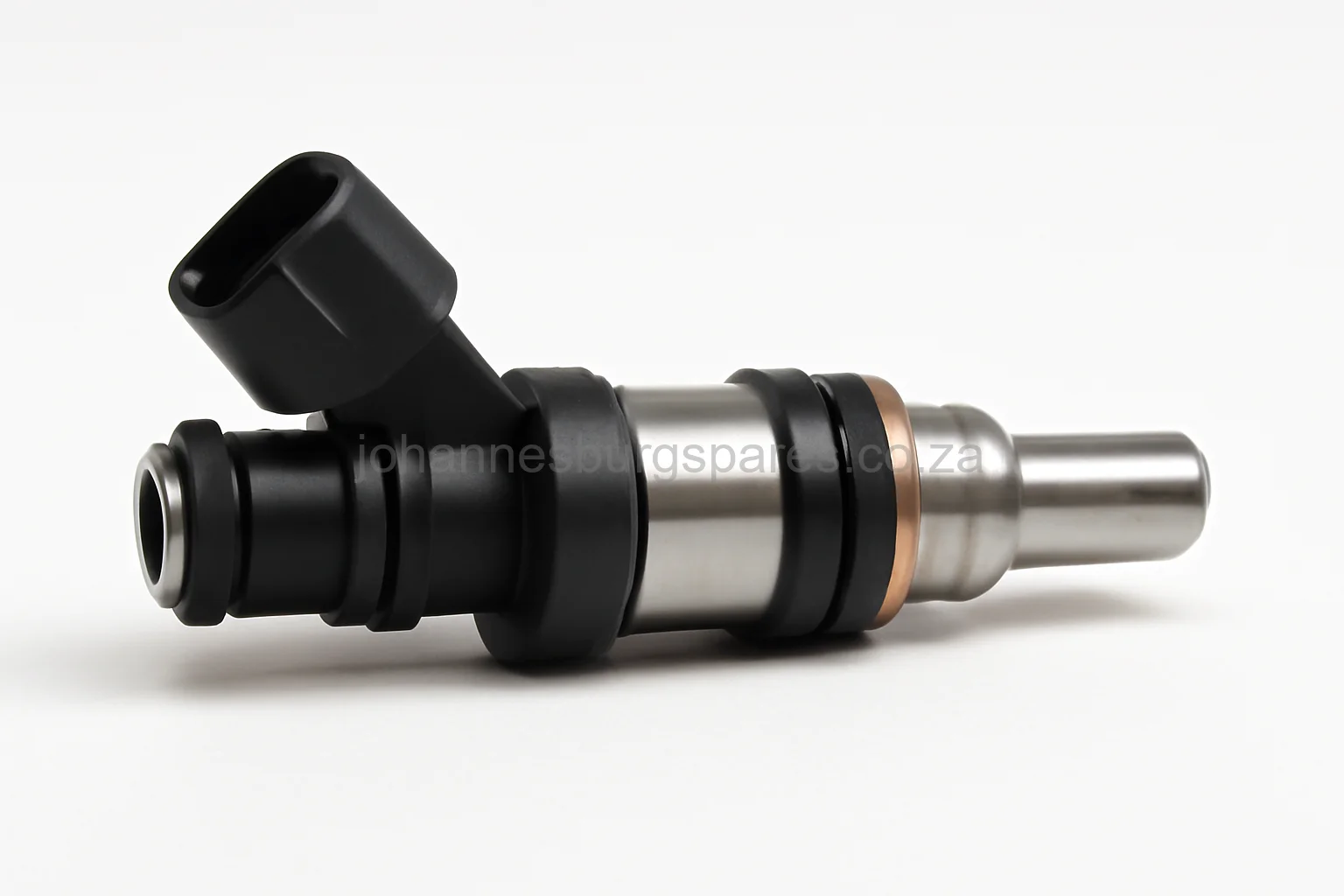
Hyundai Tiburon Fuel Injectors
Fast MovingPetrol and diesel fuel injectors for Hyundai injection systems
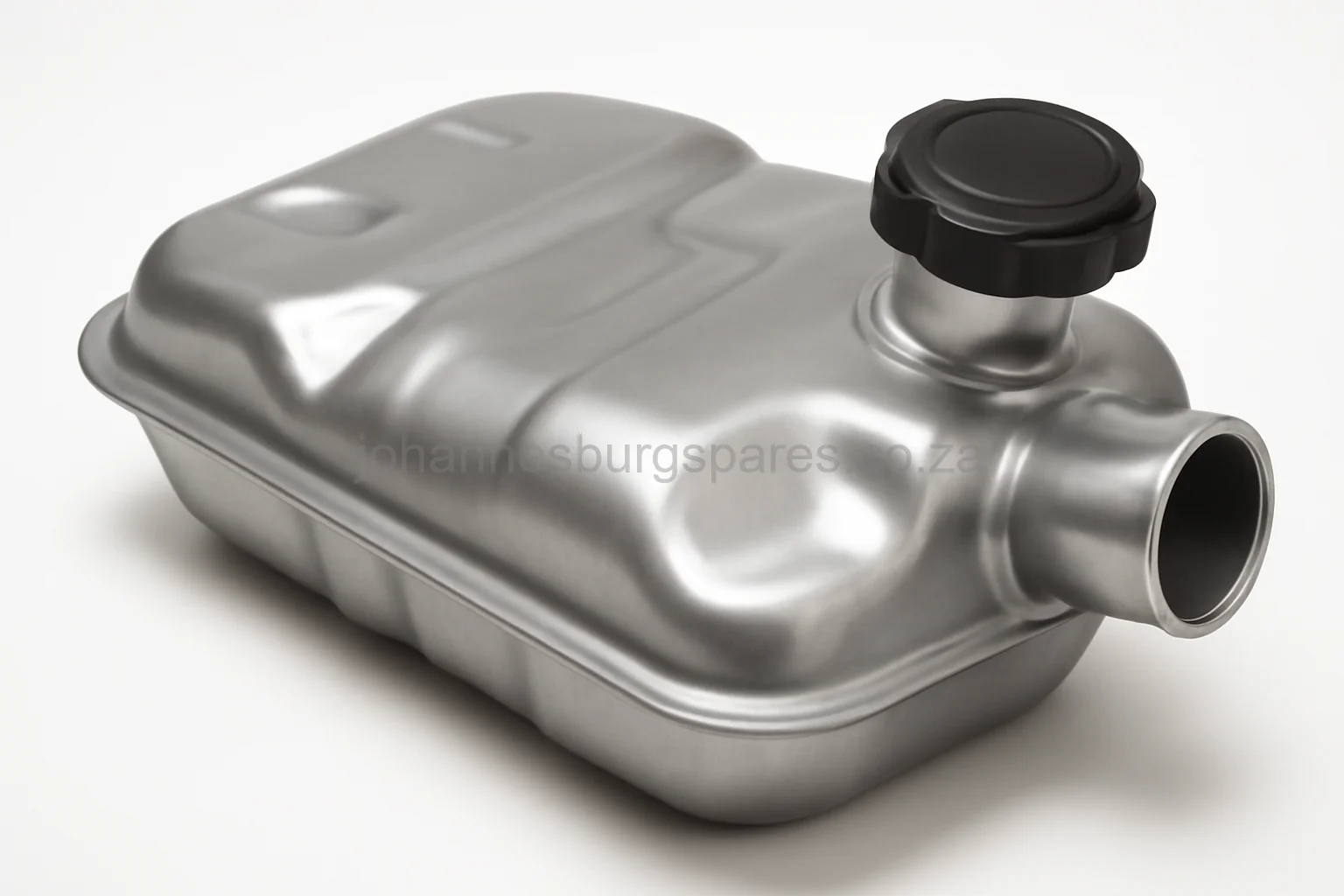
Hyundai Tiburon Fuel Tanks
StockedFuel tanks, caps and storage components for Hyundai vehicles
What Are Hyundai Tiburon Fuel System?
The fuel system runs from the tank through the pump, filter and lines to the injectors, and on a Hyundai the technology behind that changes completely depending on the engine. The older port-injected petrol units, the direct-injected GDi and T-GDi engines, and the CRDi diesels running common rail at pressures up to 2,000 bar are three different worlds, and almost nothing crosses between them. That is why an injector for a 1.4 petrol tells you nothing about an injector for a 1.6 CRDi even where the two cars sit side by side on a dealer floor.
Fuel quality is the South African variable that matters. Water and sediment picked up at a rural pump go straight for the highest-pressure, tightest-tolerance parts in the system, and on a CRDi diesel that means the injectors and the high-pressure pump — the two most expensive components in the category. The filter is what stands between them and the tank, which is why we treat it as a serviceable item rather than an afterthought. Before we quote, we need the engine code and whether the car is CRDi diesel, GDi or conventional petrol.
Signs You Need New Fuel System
SA-Market Tiburon Derivatives We Supply Fuel System For
The Tiburon reached South Africa as the SA-market coupe in 2.0 and 2.7 V6 form, running Beta II 2.0 and Delta 2.7 V6. Fuel System fitment splits on the generation code long before it splits on trim, and again between petrol and CRDi diesel derivatives. The coupe body panels, glass and lighting are Tiburon-only, even where the engine and gearbox parts interchange with the Elantra of the same period. Find your derivative below, then send the code from your VIN plate with your enquiry.
- Hyundai Tiburon 2.0 GLS
- Hyundai Tiburon 2.7 V6 Elite
Sourcing note: the Tiburon shares core running gear with the Elantra XD, which is the practical route to many mechanical parts, which gives us a second place to look when local stock runs dry.
What a parts desk needs to know about your Tiburon
On the Tiburon, the SA-market coupe in 2.0 and 2.7 V6 form are all in circulation locally, and they do not share one parts list.The coupe body panels, glass and lighting are Tiburon-only, even where the engine and gearbox parts interchange with the Elantra of the same period.
- 1
Find the generation code on your Tiburon — it appears on the VIN plate and on the original registration paperwork.
- 2
Confirm the engine family. The Tiburon ran Beta II 2.0 and Delta 2.7 V6 in this market.
- 3
Send both to us with the fuel system you are after , along with the engine code, and whether the car is CRDi diesel, GDi or conventional petrol. We match it before we quote, not after.
Sourcing note: the Tiburonshares core running gear with the Elantra XD, which is the practical route to many mechanical parts — which widens where we can look when local stock is thin.
In South Africa the Tiburon is mostly an enthusiast car with an active owner community, where the split between shared mechanical parts and unique body parts defines what is easy to find. That is the wear pattern we stock and source against.
Hyundai Tiburon Fuel System FAQs
Does fuel system fitment change across Tiburon generations?
Yes, and it is the first thing we check. The Tiburon sold here as the SA-market coupe in 2.0 and 2.7 V6 form, and the coupe body panels, glass and lighting are Tiburon-only, even where the engine and gearbox parts interchange with the Elantra of the same period. Give us the generation code and the rest follows quickly.
Which Tiburon engines were sold in South Africa?
Beta II 2.0 and Delta 2.7 V6. Fuel System fitment often follows the engine family rather than the model name, so the code on the block is worth reading before you order.
What are the 5 main parts of a Hyundai fuel system?
The five primary components are the fuel tank (stores fuel), fuel pump (pressurizes and delivers fuel), fuel filter (removes contaminants), fuel injectors (spray atomized fuel into cylinders) and fuel pressure regulator (maintains correct system pressure). Hyundai T-GDi and CRDi engines also include high-pressure fuel pumps and rail systems for direct injection technology.
How much does it cost to replace a fuel pump on a Hyundai in South Africa?
Fuel pump replacement for Hyundai models typically costs between R3,350-R8,500 in South Africa, depending on the model and engine type. Parts alone range from R2,050-R5,300, with labour adding R1,450-R2,900. CRDi high-pressure fuel pumps are more expensive, often exceeding R12,000 for parts due to their complex engineering.
What are symptoms of a fuel system issue in my Hyundai?
Common symptoms include difficulty starting, engine sputtering or stalling, loss of power especially when climbing hills on SA roads, unusually high or low fuel consumption and the check engine light appearing. You may also notice the engine running roughly at idle or hesitating when accelerating from traffic lights, particularly in Hyundai i20 or Tucson models with T-GDi engines.
How often should I replace my Hyundai fuel filter?
Hyundai recommends fuel filter replacement every 30,000-40,000 km for diesel models (U-line CRDi, CRDi) and 60,000 km for petrol engines. In South African conditions with variable fuel quality, changing diesel filters every 20,000-30,000 km is advisable to prevent injector damage. Fuel filters cost between R250-R800 depending on the model.
Can bad fuel damage my Hyundai engine?
Yes, contaminated or low-quality fuel can cause serious damage to Hyundai engines, especially modern turbocharged units. Water or sediment in fuel can corrode injectors (R1,450-R3,550 each), damage the high-pressure fuel pump (R12,000+) and cause carbon buildup on valves. Always use reputable fuel stations and consider using fuel system cleaners every 10,000 km to maintain optimal performance.
Related Categories for Hyundai Tiburon
Tiburon Fuel System — quoted against your derivative
Send us the engine code, and whether the car is CRDi diesel, GDi or conventional petrol and our Hyundai desk will confirm the correct fuel system for your Tiburon before quoting.