

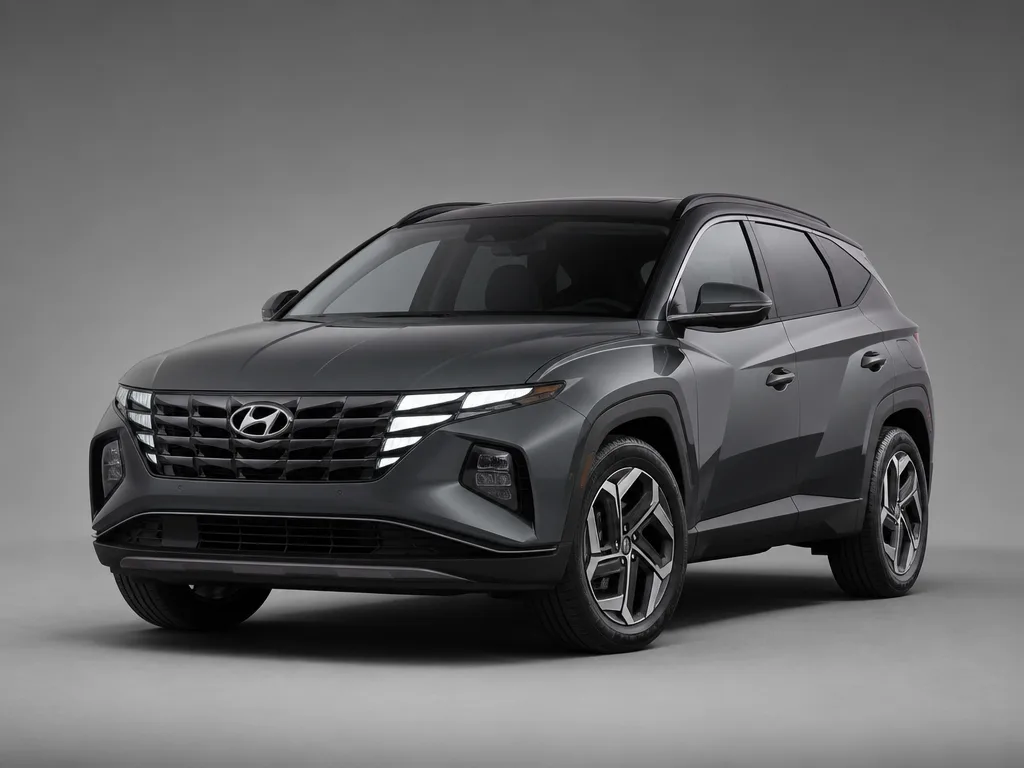
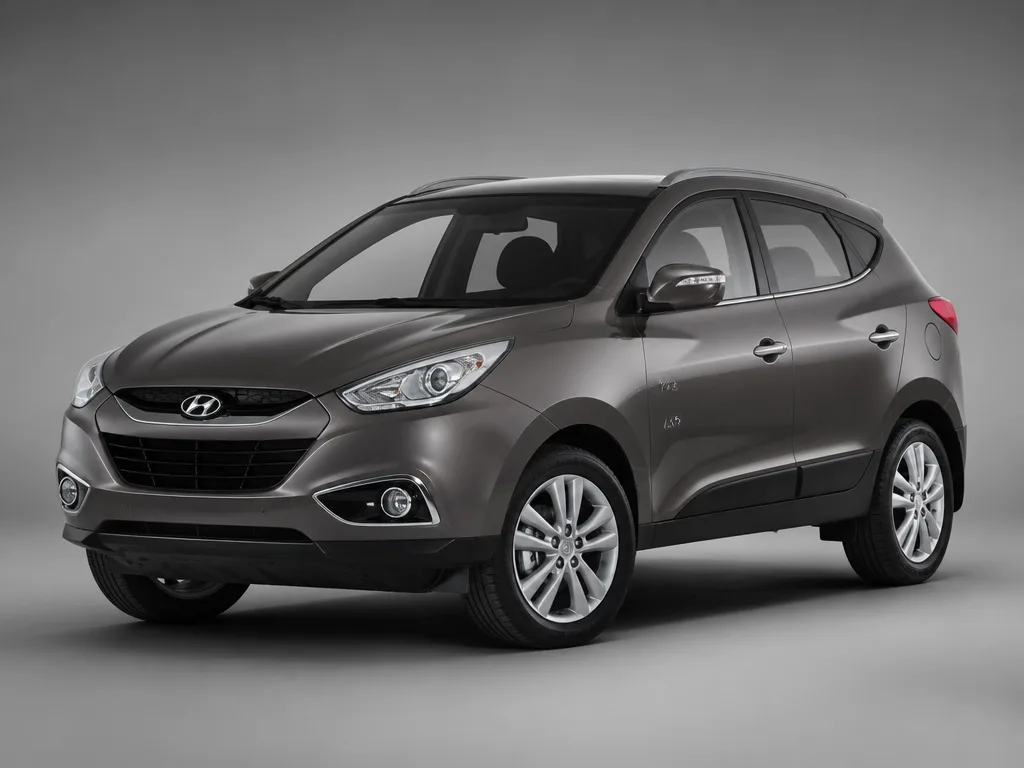

Hyundai Tucson Brake Pads
Whether your Tucson is an early or late build, we match the brake pads to your derivative rather than to the badge
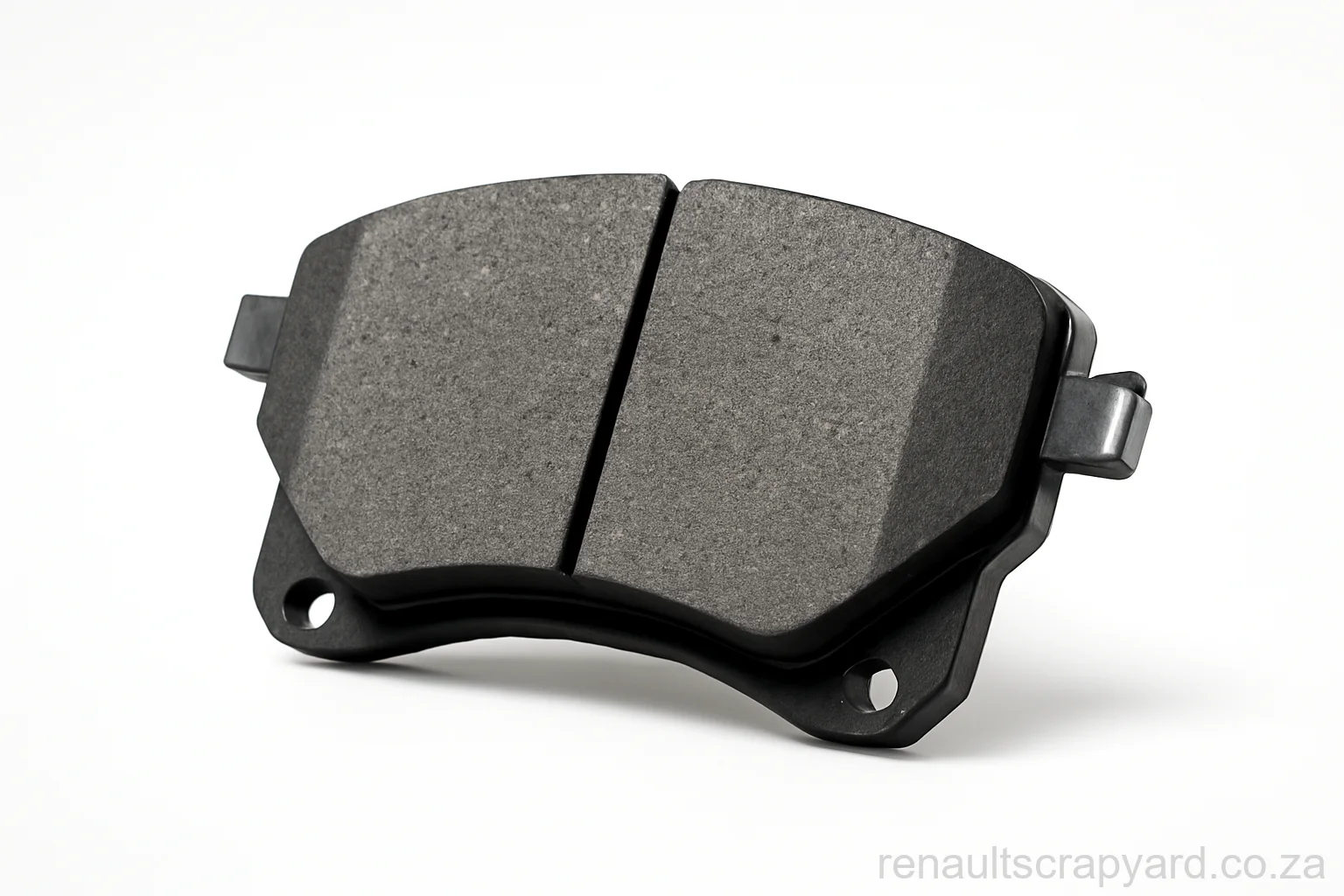
What Are Hyundai Tucson Brake Pads?
Brake pads are friction material components that press against the brake discs to slow down or stop your Hyundai. When you press the brake pedal, hydraulic pressure forces the brake pads against the rotating discs, creating the friction needed to reduce wheel speed. Hyundai models equipped with Gamma, T-GDi and CRDi engines typically use front and rear disc brakes with ceramic or semi-metallic brake pads designed to handle the demands of South African roads, from highway cruising to stop-start city traffic in Johannesburg and Cape Town.
Across South Africa, brake pads endure significant stress from our varied terrain, from coastal humidity to Highveld altitude and temperature extremes that can accelerate wear. Hyundai i20, Tucson, Creta and Santa Fe models require regular brake pad inspection as part of the manufacturer's service schedule. The U-line CRDi and CRDi diesel engines add extra vehicle weight, which can increase brake pad wear rates, especially when towing or carrying heavy loads on our long-distance routes. Quality brake pads are essential for maintaining optimal stopping power and protecting your brake discs from premature wear.
Signs You Need New Brake Pads
Tucson generations and brake pads — the short version
Does one brake pads listing cover every Tucson?
No. Tucson owners are usually surprised by how much turns on the generation code — JM, LM, TL and NX4 all sold here.The LM Tucson and the ix35 are the same vehicle sold under two names in different markets, so ix35 stock is a legitimate source for LM-generation parts and vice versa.
Which engine is in my Tucson?
SA-market cars were sold with Beta II 2.0 (JM), Theta II 2.0 (LM), Gamma 1.6 T-GDi (TL), Nu 2.0 and R-line 2.0 CRDi (TL). The code stamped on the block settles it — the badge on the boot does not.
What do you need from me to quote brake pads?
The derivative and whether the car has been fitted with non-standard wheels, which can rule out some caliper and disc combinations. Disc diameter on a Hyundai tracks the derivative rather than the model — a 1.6 and a turbo version of the same car frequently run different front brakes, and N Line derivatives differ again.
In South Africa the Tucson is mostly the family SUV that does school runs during the week and gravel-road holiday mileage over December, a duty cycle that is hard on suspension and cooling components. That is the wear pattern we stock and source against.
Before You Order Tucson Brake Pads
Will brake pads from another Tucson fit mine?
Not automatically. The Tucson sold in South Africa as JM, LM, TL and NX4, and the LM Tucson and the ix35 are the same vehicle sold under two names in different markets, so ix35 stock is a legitimate source for LM-generation parts and vice versa. Send us the generation code off your VIN plate and we will confirm it either way before anything is dispatched.
How do you check brake pads actually fits a Tucson?
We work backwards from the VIN: generation first, then engine family, then whether the car is pre- or post-facelift within that generation. On the Tucson specifically, the LM Tucson and the ix35 are the same vehicle sold under two names in different markets, so ix35 stock is a legitimate source for LM-generation parts and vice versa.
How much do Hyundai brake pads cost in South Africa?
Hyundai brake pad sets range from R800-R1,900 per axle depending on your model and pad quality. Front brake pads for a Hyundai i20 or Tucson typically cost R950-R1,450, while larger models like the Creta and Santa Fe range from R1,250-R1,900. Premium ceramic pads cost more but offer longer life and reduced brake dust, making them worthwhile for high-mileage South African drivers.
How often should I replace brake pads on my Hyundai?
Hyundai recommends inspecting brake pads every 15,000 km and typically replacing them between 30,000-60,000 km depending on driving conditions. South African drivers in mountainous areas like Mpumalanga or who frequently drive in heavy urban traffic may need replacement sooner. CRDi and U-line CRDi diesel models may experience faster wear due to increased vehicle weight, so regular inspection during services is essential.
Can I replace just the front or rear brake pads on my Hyundai?
Yes, you can replace brake pads per axle as front pads typically wear faster than rear pads due to forward weight transfer during braking. However, always replace both left and right pads simultaneously to ensure even braking performance. For Hyundai models with T-GDi and Gamma engines, front pads usually need replacement 1.5-2 times more frequently than rear pads under normal the demands of South African roads.
What is the difference between ceramic and semi-metallic brake pads for Hyundai?
Ceramic brake pads produce less dust, operate quietly and last longer, making them ideal for Hyundai models used primarily for highway and suburban driving. Semi-metallic pads offer better heat dissipation and stopping power under heavy braking, suited to mountainous terrain or spirited driving, though they wear discs faster and create more brake dust. Both types are suitable for South African conditions and cost between R800-R1,900 per axle set.
Do I need to replace brake discs when changing Hyundai brake pads?
Not necessarily—brake discs should be measured for thickness and inspected for scoring or warping during pad replacement. If discs are within manufacturer specifications (typically minimum 22-28mm depending on model) and the surface is smooth, you can install new pads on existing discs. However, if discs show deep grooves or have reached minimum thickness, replacement is crucial for safety and typically costs R1,450-R3,500 per axle for Hyundai models in South Africa.
Learn More About Hyundai Tucson Brake Pads
Official Hyundai service intervals and maintenance guidelines for South African models
Comprehensive brake maintenance and safety information from the Automobile Association
Technical overview of disc brake systems and brake pad materials
Let us confirm the brake pads before you buy
Photos of the old part and your VIN are usually all we need. We confirm the brake pads against your Tucson before quoting, not after.