

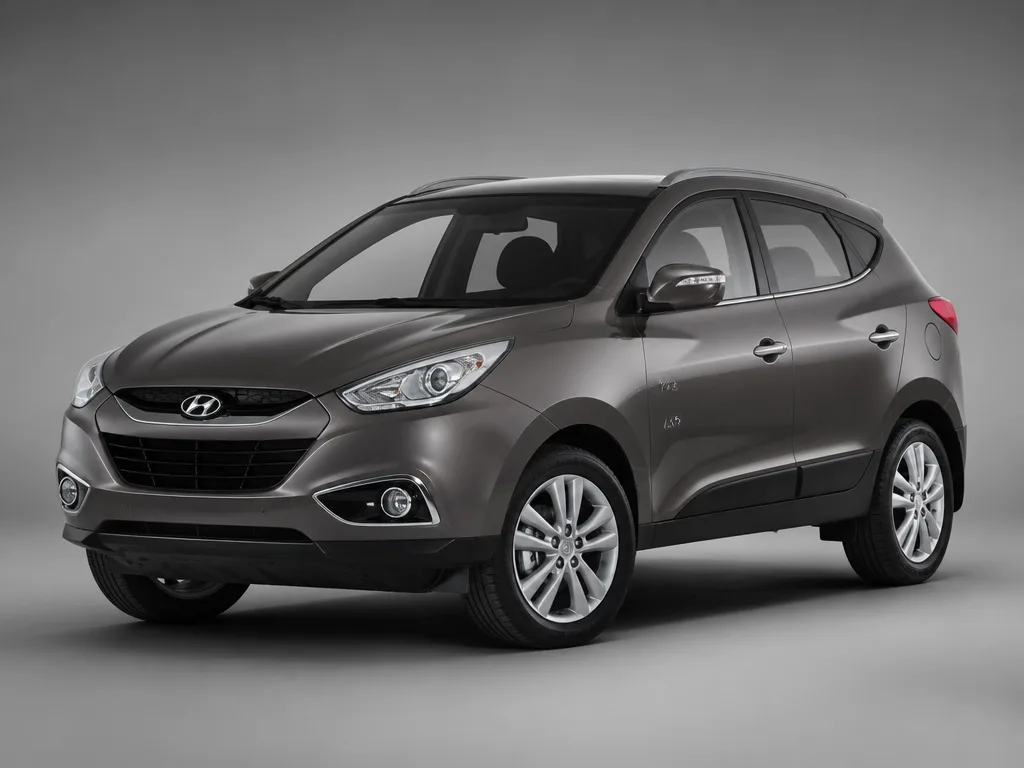

Hyundai Tucson Brake Rotors
We source brake rotors for every Tucson generation sold in South Africa, then check the fit against your VIN before it leaves the warehouse
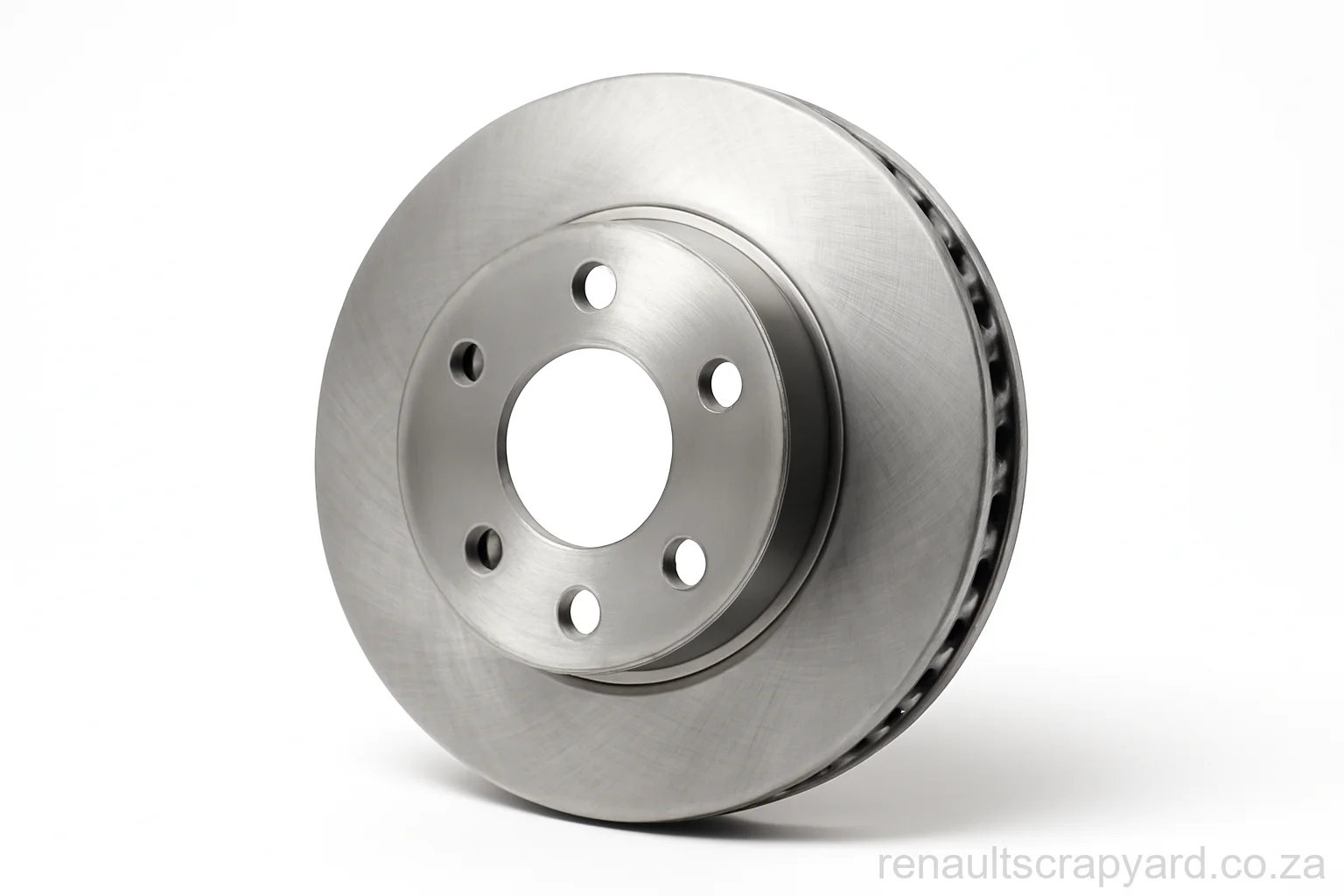
What Are Hyundai Tucson Brake Rotors?
Brake rotors (also called brake discs) are the circular metal discs that your Hyundai's brake pads clamp down on to slow or stop your vehicle. When you press the brake pedal, hydraulic pressure forces the brake pads against the spinning rotors, creating friction that converts kinetic energy into heat. In South African Hyundais, rotors are engineered to handle the demands of both highway driving and stop-start urban traffic, with ventilated designs common on models like the Creta and Santa Fe to improve heat dissipation during Johannesburg's steep inclines or Cape Town's mountain passes.
Different Hyundai engines require specific rotor sizes and types - for instance, the turbocharged T-GDi and Gamma petrol engines in the i20 N and Accent typically use larger, performance-oriented rotors, while the torquey CRDi and U-line CRDi diesel models in the Tucson and Creta need rotors designed to handle different braking characteristics. Local driving conditions in South Africa, including dusty roads, coastal salt air and frequent heavy braking in traffic, can accelerate rotor wear and corrosion, making regular inspection essential for safe stopping performance.
Signs You Need New Brake Rotors
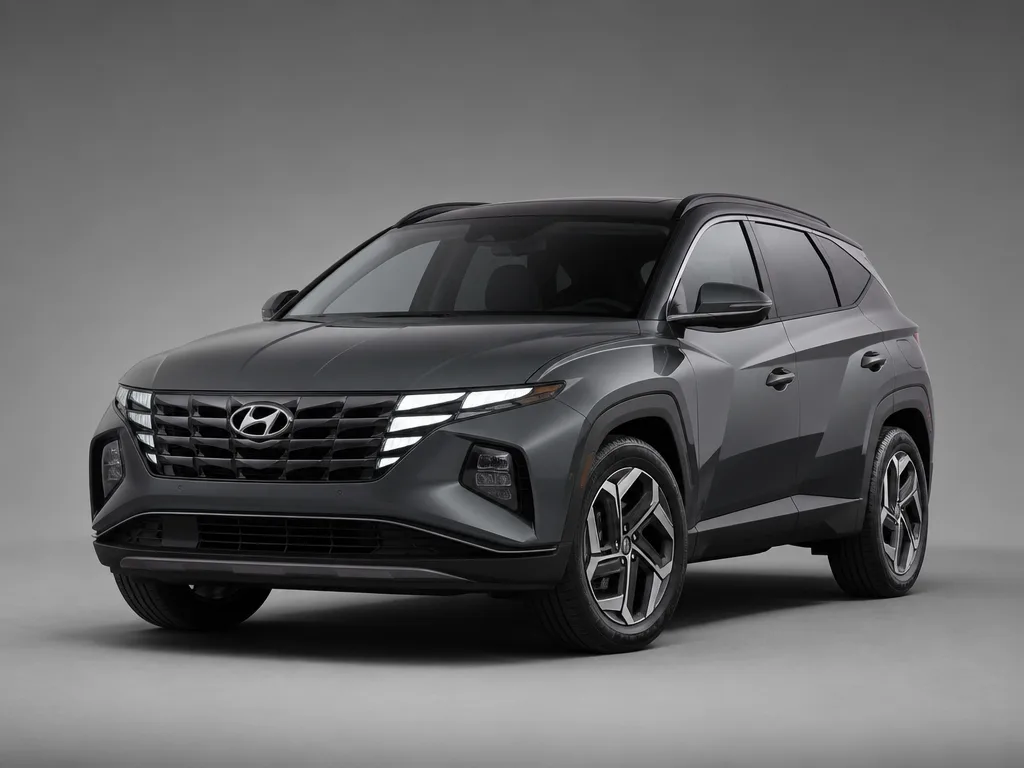
Tucson Brake Rotors: what actually decides fitment
On the Tucson, JM, LM, TL and NX4 are all in circulation locally, and they do not share one parts list.The LM Tucson and the ix35 are the same vehicle sold under two names in different markets, so ix35 stock is a legitimate source for LM-generation parts and vice versa.
- 1
Find the generation code on your Tucson — it appears on the VIN plate and on the original registration paperwork.
- 2
Confirm the engine family. The Tucson ran Beta II 2.0 (JM), Theta II 2.0 (LM), Gamma 1.6 T-GDi (TL), Nu 2.0 and R-line 2.0 CRDi (TL) in this market.
- 3
Send both to us with the brake rotors you are after , along with the derivative and whether the car has been fitted with non-standard wheels, which can rule out some caliper and disc combinations. We match it before we quote, not after.
Sourcing note: the Tucsonruns in lockstep with the Kia Sportage — JM with KM, LM with SL, TL with QL, NX4 with NQ5 — which widens where we can look when local stock is thin.
In South Africa the Tucson is mostly the family SUV that does school runs during the week and gravel-road holiday mileage over December, a duty cycle that is hard on suspension and cooling components. That is the wear pattern we stock and source against.
Tucson Brake Rotors: Common Questions
Will brake rotors from another Tucson fit mine?
Not automatically. The Tucson sold in South Africa as JM, LM, TL and NX4, and the LM Tucson and the ix35 are the same vehicle sold under two names in different markets, so ix35 stock is a legitimate source for LM-generation parts and vice versa. Send us the generation code off your VIN plate and we will confirm it either way before anything is dispatched.
Can you source brake rotors for the Tucson if local stock is dry?
Usually, yes. The Tucson runs in lockstep with the Kia Sportage — JM with KM, LM with SL, TL with QL, NX4 with NQ5, which gives us a second catalogue to search when Hyundai-listed stock runs out. We will tell you what we are quoting rather than leaving you to guess.
How much do brake rotors cost for a Hyundai in South Africa?
Brake rotors for Hyundai models typically range from R800 to R1,800 per rotor depending on the model and quality. A complete front axle set (two rotors) for an i20 or Tucson costs between R1,600 and R3,000, while larger models like the Creta or Santa Fe may cost R2,400 to R4,500 for a pair. OEM Hyundai rotors are more expensive but offer guaranteed fitment, while quality aftermarket brands can provide good value for South African conditions.
How long do Hyundai brake rotors last in South Africa?
Hyundai brake rotors typically last between 50,000 to 80,000 km under normal the demands of South African roads, though this varies significantly based on driving style and environment. City drivers in Johannesburg or Durban who brake frequently may need replacement sooner, while highway drivers may exceed 100,000 km. Coastal areas like Cape Town can experience faster corrosion due to salt air, potentially reducing rotor life by 20-30%.
Should I replace brake rotors and pads together on my Hyundai?
Yes, it's highly recommended to replace brake pads whenever installing new rotors to ensure proper bedding-in and optimal braking performance. New pads on worn rotors or vice versa can lead to uneven contact, reduced stopping power and premature wear. Most South African mechanics and Hyundai dealerships will quote brake service as a combined job, with labour costs of R600 to R1,200 depending on the model.
What causes warped brake rotors on Hyundai vehicles?
Warped rotors are commonly caused by excessive heat buildup from aggressive braking, such as descending mountain passes or frequent hard stops in traffic. Other causes include over-torqued wheel bolts during tyre changes, driving through deep water when rotors are hot and using low-quality brake pads that generate uneven heat. South African drivers should allow brakes to cool before washing their vehicle and ensure wheel bolts are torqued to Hyundai specifications (typically 90-110 Nm depending on model).
Can I machine or skim my Hyundai brake rotors instead of replacing them?
Brake rotors can be machined (skimmed) if they have sufficient thickness remaining above the minimum specification stamped on the rotor, typically saving R500 to R800 per axle. However, many modern Hyundais use thinner rotors that may only allow one machining before replacement is necessary. Most South African workshops charge R250 to R400 for machining per rotor, but replacement is often more cost-effective for rotors with heavy scoring, cracks, or those near minimum thickness.
Tell us which Tucson you have
The Tucson sold here as JM, LM, TL and NX4, and they do not share one parts list. Give us the generation code and we will do the rest.