





Hyundai Tucson Radiator Caps
Radiator Caps to suit the Hyundai Tucson, cross-referenced against OEM specification and dispatched countrywide
What Are Hyundai Tucson Radiator Caps?
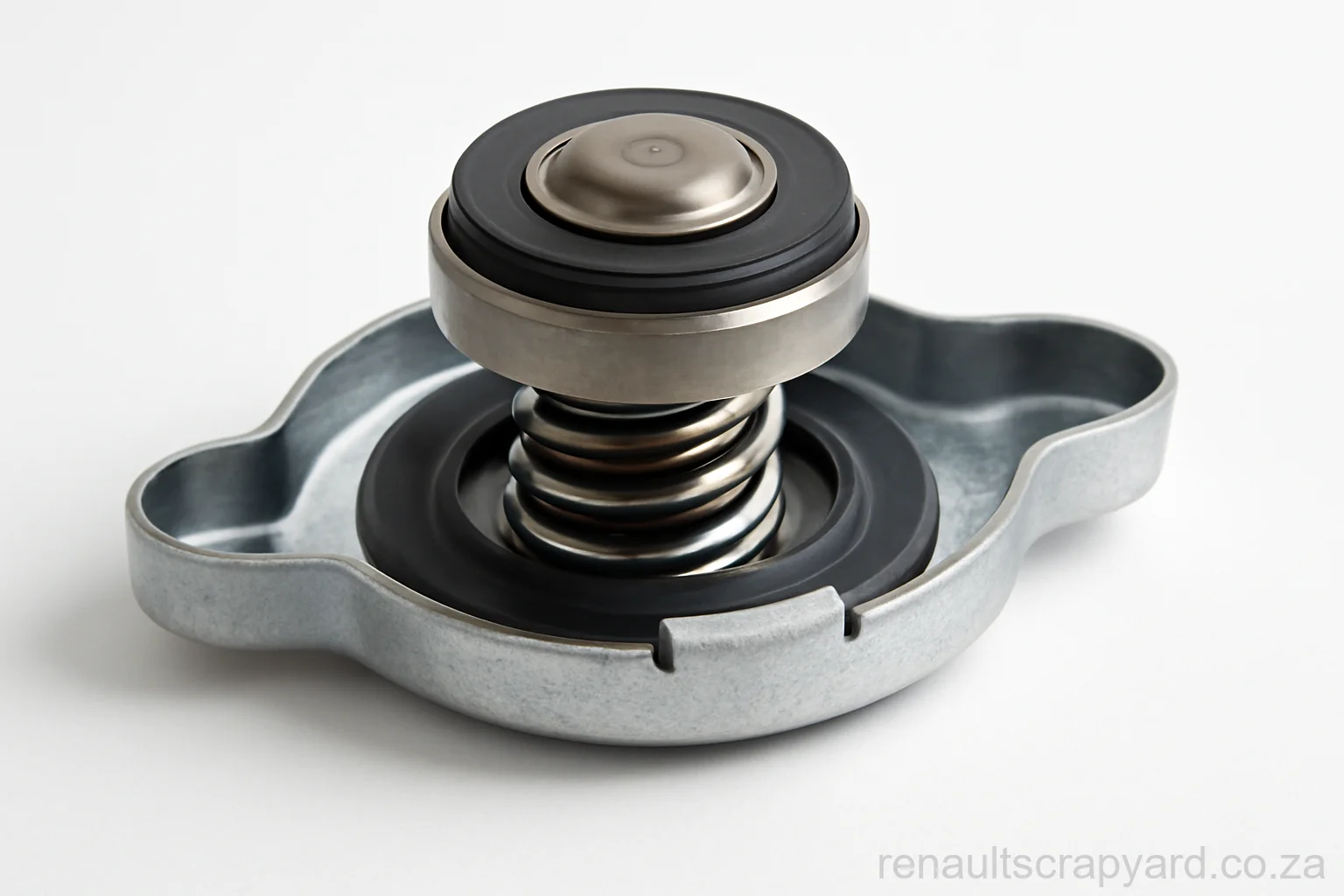
The radiator cap is the pressurised seal on top of the expansion tank that holds coolant in the system and sets the boiling point. Caps are rated to a specific system pressure, and one that physically fits is not automatically the right rating — that is the thing to check when replacing one. We see caps lose their spring tension and cause overheating and weep.
Signs You Need New Radiator Caps
How we match radiator caps to your Tucson
What changes across the range
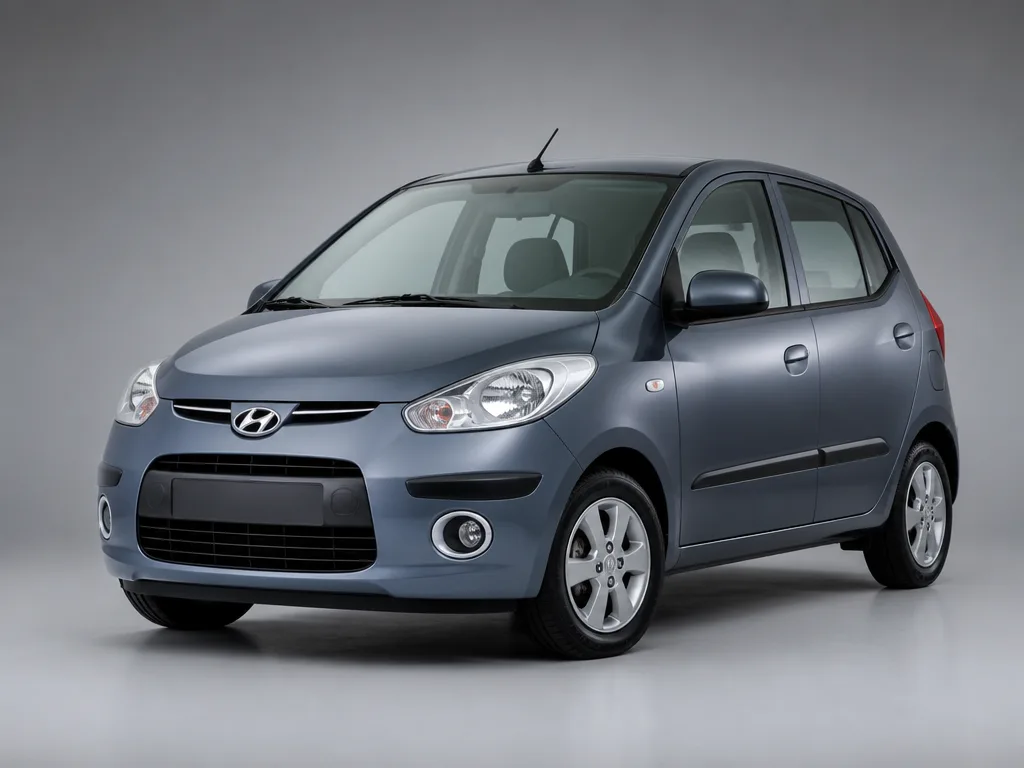
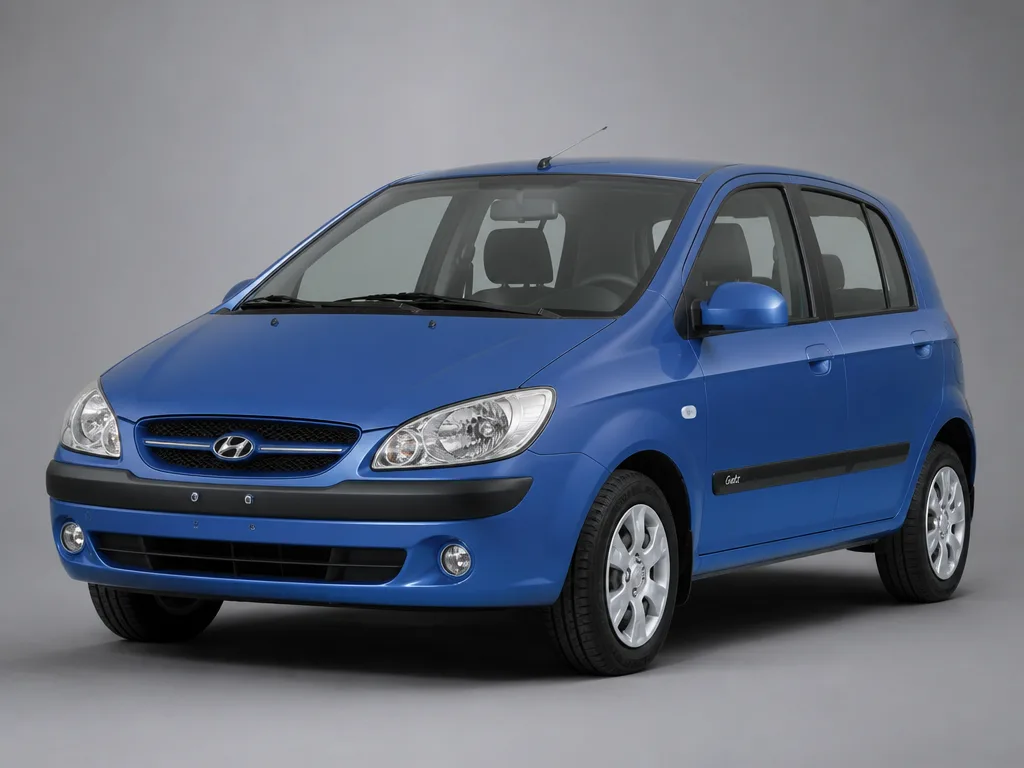
Sold here across JM, LM, TL and NX4, the Tucson is not one car for parts purposes — it is several.
The LM Tucson and the ix35 are the same vehicle sold under two names in different markets, so ix35 stock is a legitimate source for LM-generation parts and vice versa.
Worth knowing: the Tucsonruns in lockstep with the Kia Sportage — JM with KM, LM with SL, TL with QL, NX4 with NQ5.
What we check on radiator caps
- •The generation code, because Tucson parts lists split on it
- •The engine family — this Tucson was sold with Beta II 2.0 (JM), Theta II 2.0 (LM), Gamma 1.6 T-GDi (TL), Nu 2.0 and R-line 2.0 CRDi (TL)
- •Petrol or diesel, and whether the car has air conditioning
- •Whether the car is pre- or post-facelift within its generation
In South Africa the Tucson is mostly the family SUV that does school runs during the week and gravel-road holiday mileage over December, a duty cycle that is hard on suspension and cooling components. That is the wear pattern we stock and source against.
Hyundai Tucson Radiator Caps — Questions We Get Asked
Will radiator caps from another Tucson fit mine?
Not automatically. The Tucson sold in South Africa as JM, LM, TL and NX4, and the LM Tucson and the ix35 are the same vehicle sold under two names in different markets, so ix35 stock is a legitimate source for LM-generation parts and vice versa. Send us the generation code off your VIN plate and we will confirm it either way before anything is dispatched.
Which engines did the South African Tucson come with?
SA-market cars ran Beta II 2.0 (JM), Theta II 2.0 (LM), Gamma 1.6 T-GDi (TL), Nu 2.0, R-line 2.0 CRDi (TL). The code stamped on the block is what we work from — the badge on the boot is not reliable on its own.
How much does a Hyundai radiator cap cost in South Africa?
A Hyundai-spec radiator cap runs around R149.99 through our supplier network, which also carries alternatives. Fitted is a two-minute job, so budget well under R250 all in.
What are the symptoms of a bad Hyundai radiator cap?
Rising temperature gauge, hissing from the coolant tank, steam from the bonnet and coolant drops with no visible hose leak are the usual signs. Always replace the cap before stripping hoses or the radiator itself.
Can a faulty radiator cap cause a Hyundai to overheat?
Yes. A cap that cannot hold full system pressure drops the coolant boiling point, so fluid steams away at the expansion tank in traffic. The needle climbs fast and the engine risks head-gasket damage within minutes.
How often should I replace my Hyundai radiator cap?
Fit a new cap with every major coolant change, or every four years. At around R150, it is cheap insurance against an overheating bill that can reach R30,000 on a Hyundai 1.6 CRDi or T-GDi engine with head damage.
Why is coolant leaking from my Hyundai radiator cap?
The rubber seal inside the cap has hardened and lost grip, or the spring has weakened. A cracked expansion tank neck does the same. Always replace the cap first, because it is the cheapest part to rule out.
Learn More About Hyundai Tucson Radiator Caps
Not sure which radiator caps fits your Tucson?
Send us your VIN or the engine code off the block and our Hyundai desk will cross-check the correct radiator caps for your exact Tucson derivative.