

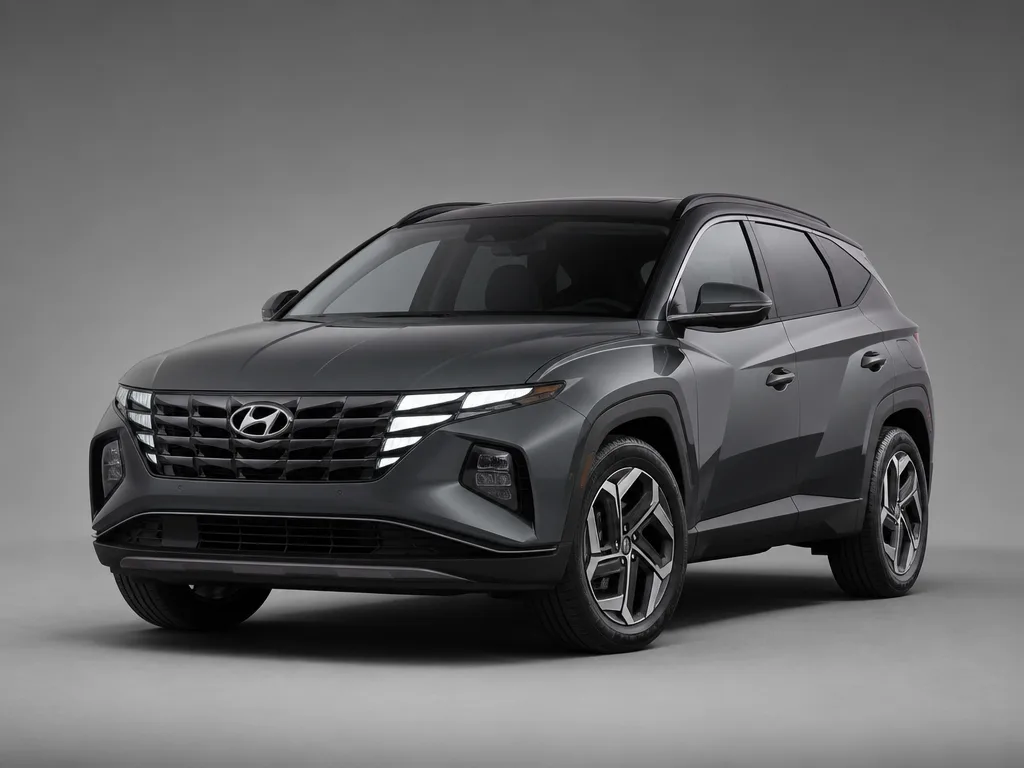
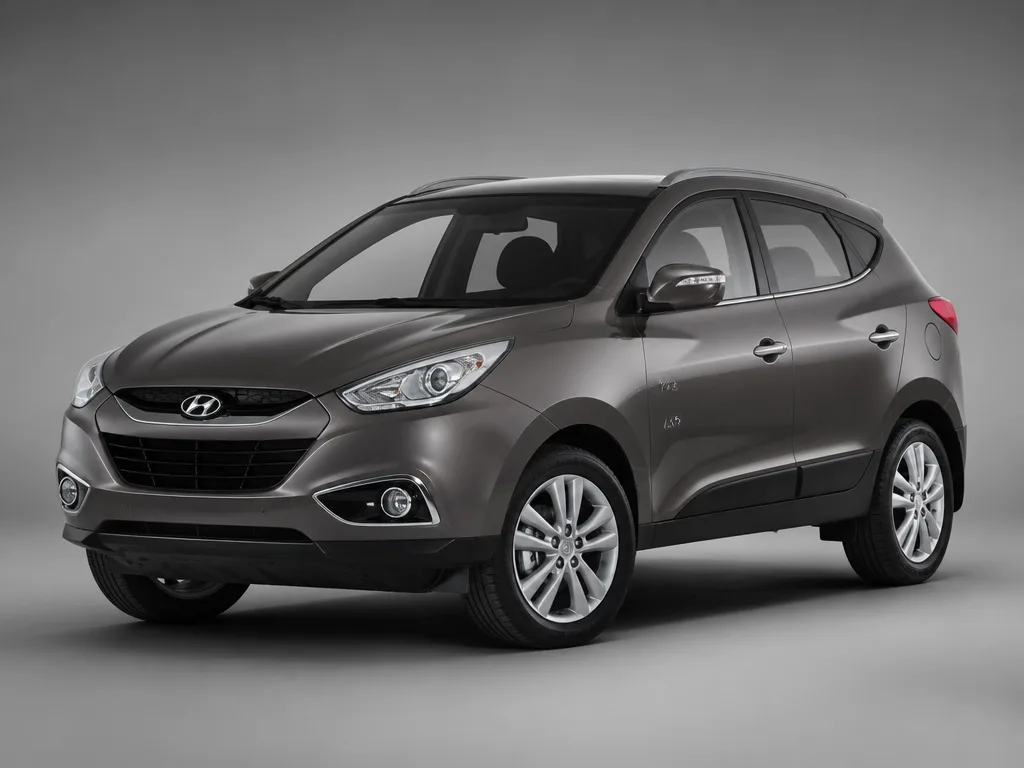

Hyundai Tucson Alternator
Whether your Tucson is an early or late build, we match the alternator to your derivative rather than to the badge
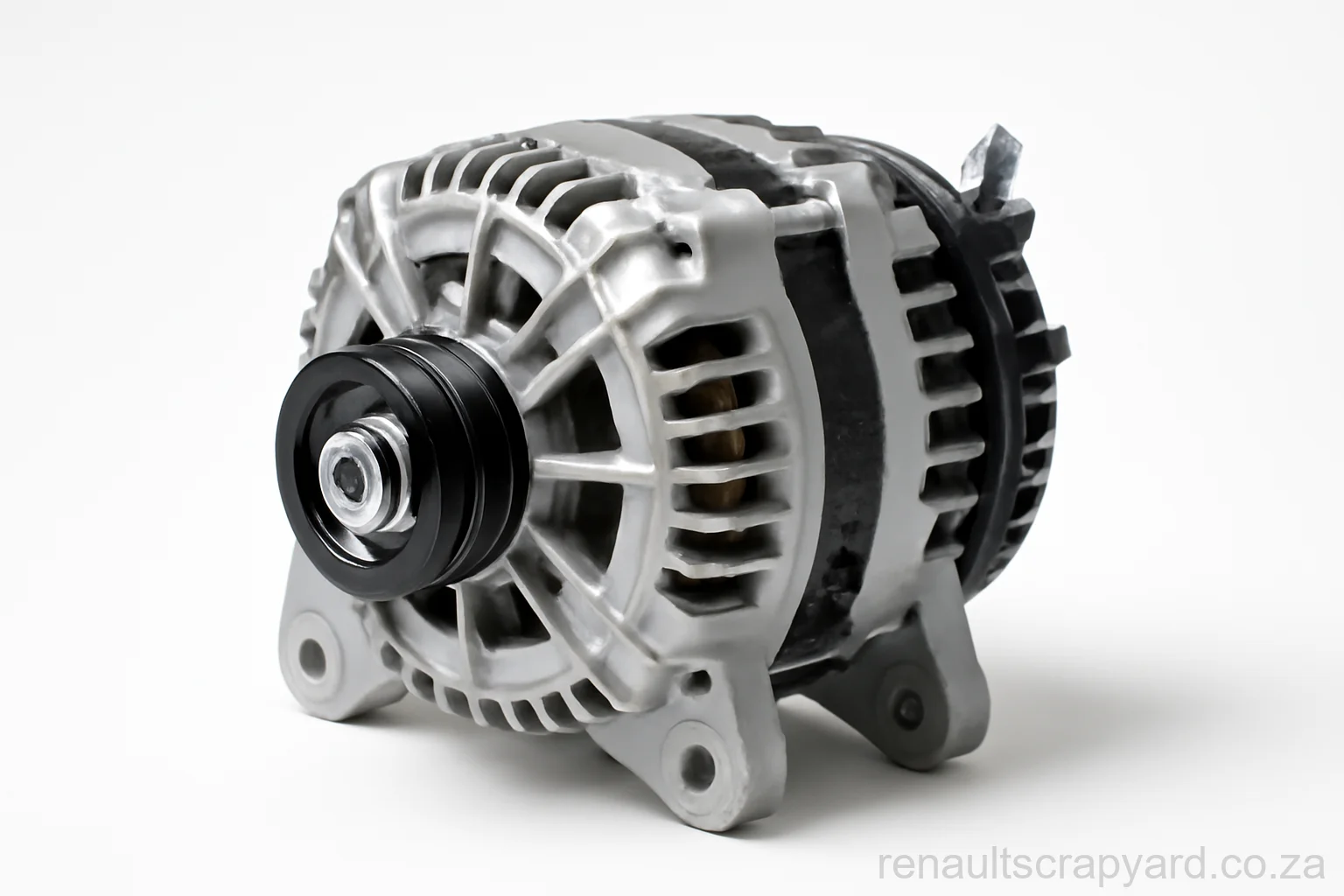
What Are Hyundai Tucson Alternator?
The alternator in your Hyundai is a critical component of the electrical system that charges the battery and powers all electrical accessories while the engine is running. In Hyundai models equipped with Gamma, T-GDi, CRDi and U-line CRDi engines, the alternator typically produces between 90 and 150 amps depending on the model's electrical demands. It converts mechanical energy from the engine's serpentine belt into electrical energy, ensuring your i20, Tucson, Creta, or Accent maintains a stable 12-14 volt supply to the entire vehicle system.
In conditions on South African roads, where stop-start traffic in Johannesburg and Cape Town, combined with frequent use of air conditioning and entertainment systems, places high demands on the alternator. Hyundai's modern CRDi diesel engines and turbocharged T-GDi petrol engines rely on sophisticated electronics for fuel injection, turbo management and emissions control, making a properly functioning alternator essential. A failing alternator won't just leave you stranded—it can damage expensive electronic control units and cause cascading electrical failures across your vehicle's systems.
Signs You Need New Alternator
Before you order alternator for a Tucson
Does one alternator listing cover every Tucson?
No. Tucson owners are usually surprised by how much turns on the generation code — JM, LM, TL and NX4 all sold here.The LM Tucson and the ix35 are the same vehicle sold under two names in different markets, so ix35 stock is a legitimate source for LM-generation parts and vice versa.
Which engine is in my Tucson?
SA-market cars were sold with Beta II 2.0 (JM), Theta II 2.0 (LM), Gamma 1.6 T-GDi (TL), Nu 2.0 and R-line 2.0 CRDi (TL). The code stamped on the block settles it — the badge on the boot does not.
What do you need from me to quote alternator?
The VIN, and the fault code if the car has been scanned. Coded and paired components — immobiliser-linked and body-control items in particular — will not simply plug in on a Hyundai. Some need matching to the car before they will function.
In South Africa the Tucson is mostly the family SUV that does school runs during the week and gravel-road holiday mileage over December, a duty cycle that is hard on suspension and cooling components. That is the wear pattern we stock and source against.
Before You Order Tucson Alternator
Will alternator from another Tucson fit mine?
Not automatically. The Tucson sold in South Africa as JM, LM, TL and NX4, and the LM Tucson and the ix35 are the same vehicle sold under two names in different markets, so ix35 stock is a legitimate source for LM-generation parts and vice versa. Send us the generation code off your VIN plate and we will confirm it either way before anything is dispatched.
How do you check alternator actually fits a Tucson?
We work backwards from the VIN: generation first, then engine family, then whether the car is pre- or post-facelift within that generation. On the Tucson specifically, the LM Tucson and the ix35 are the same vehicle sold under two names in different markets, so ix35 stock is a legitimate source for LM-generation parts and vice versa.
How much does an alternator replacement cost for a Hyundai in South Africa?
A replacement alternator for popular Hyundai models like the i20, Tucson, or Accent typically costs between R2,400-R6,550 for the part, with labour adding another R800-R1,600 depending on the workshop. Original Hyundai alternators are more expensive but come with warranty, while quality aftermarket units from brands like Bosch or Valeo offer good value. Models with CRDi engines may require higher-output alternators that cost toward the upper end of this range.
How long should a Hyundai alternator last in South African conditions?
Under normal South African driving conditions, a Hyundai alternator should last between 100,000-150,000 km or 5-7 years. However, frequent short trips, extreme heat in provinces like Limpopo and Mpumalanga and dusty conditions can reduce this lifespan. Regular servicing and ensuring the serpentine belt is properly tensioned can help maximize alternator life in Gamma, T-GDi and U-line CRDi engine applications.
Can I drive my Hyundai with a faulty alternator?
You should not drive with a completely failed alternator, as your vehicle will run solely on battery power which typically lasts only 30-60 minutes before the engine dies. If the alternator is partially failing, you may make it to a workshop, but turn off all non-essential electrical items like air conditioning and radio. Continuing to drive risks stranding yourself and potentially damaging the battery and other electrical components in your Hyundai.
What causes alternators to fail in Hyundai vehicles?
Common causes include worn bearings from high mileage, damaged voltage regulators from electrical spikes, a slipping or broken serpentine belt, water ingress from driving through deep puddles and excessive heat exposure. In South African conditions, dust and debris entering the alternator housing is particularly problematic. On turbocharged T-GDi and CRDi engines, the increased electrical demands from multiple sensors and systems can also accelerate wear on older alternators.
How can I test if my Hyundai alternator is working properly?
Start the engine and use a multimeter to measure battery voltage—it should read between 13.8-14.4 volts with the engine running if the alternator is charging correctly. Turn on headlights, air conditioning and other accessories; voltage should remain stable above 13.5 volts. Any AA or workshop in South Africa can perform this test quickly and most Hyundai dealerships include alternator testing as part of routine services on models like the Creta and Santa Fe.
Learn More About Hyundai Tucson Alternator
Official Hyundai dealer locator and service information for South African owners
Automotive Association tips on electrical system maintenance and breakdown assistance
Technical overview of how automotive alternators work and their components
Browse the rest of our Tucson electrical
Let us confirm the alternator before you buy
Photos of the old part and your VIN are usually all we need. We confirm the alternator against your Tucson before quoting, not after.