


Buy Suspension for Your Hyundai Veloster
New, used and aftermarket suspension for the Hyundai Veloster, checked against your VIN before anything ships
Pick the suspension your Veloster is missing
The generation code and whether the car is front- or all-wheel drive will settle most of these — pick the component below and we will confirm the rest.
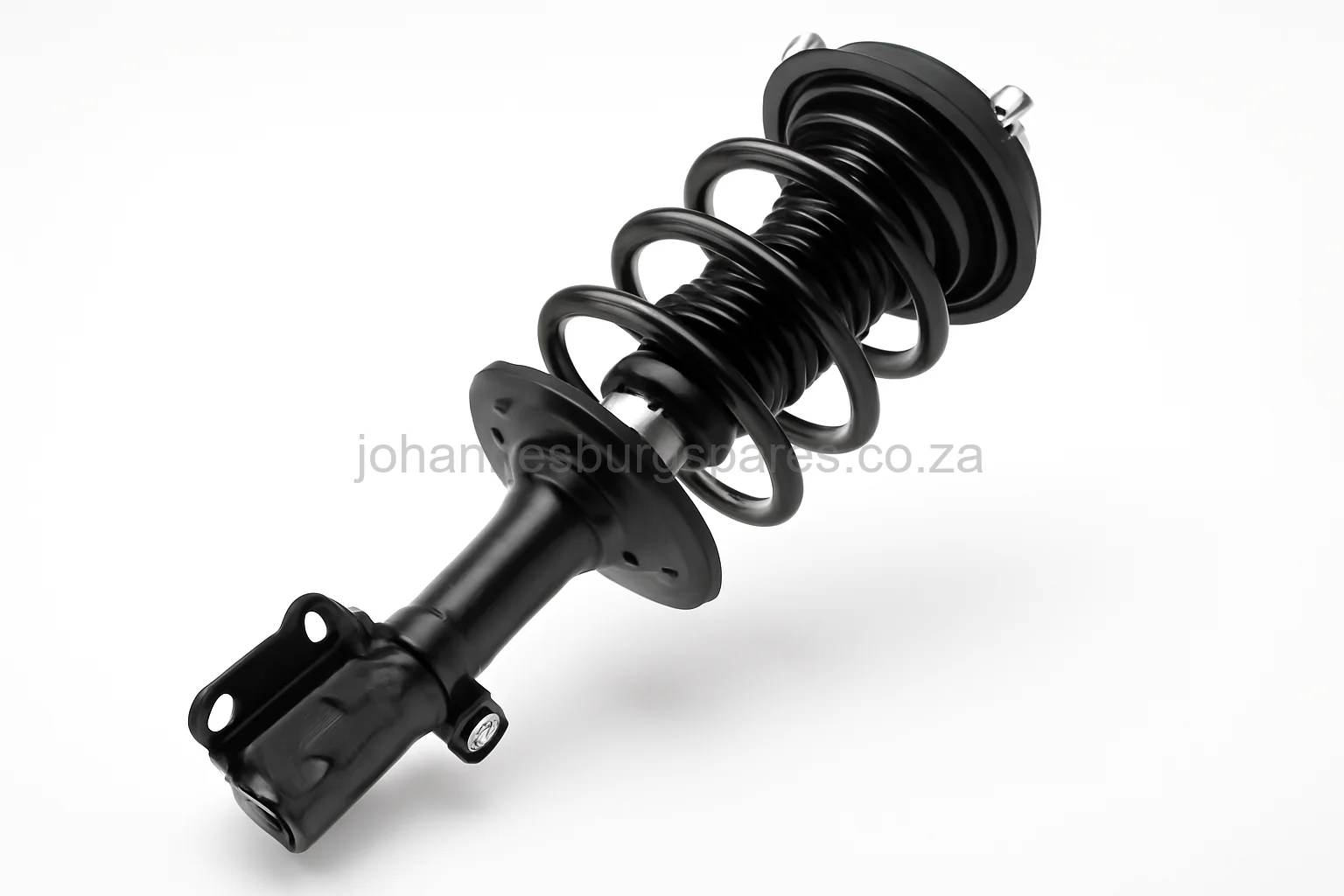
Hyundai Veloster Shock Absorbers
Fast MovingGas and hydraulic shock absorbers that soak up bumps on Hyundai vehicles
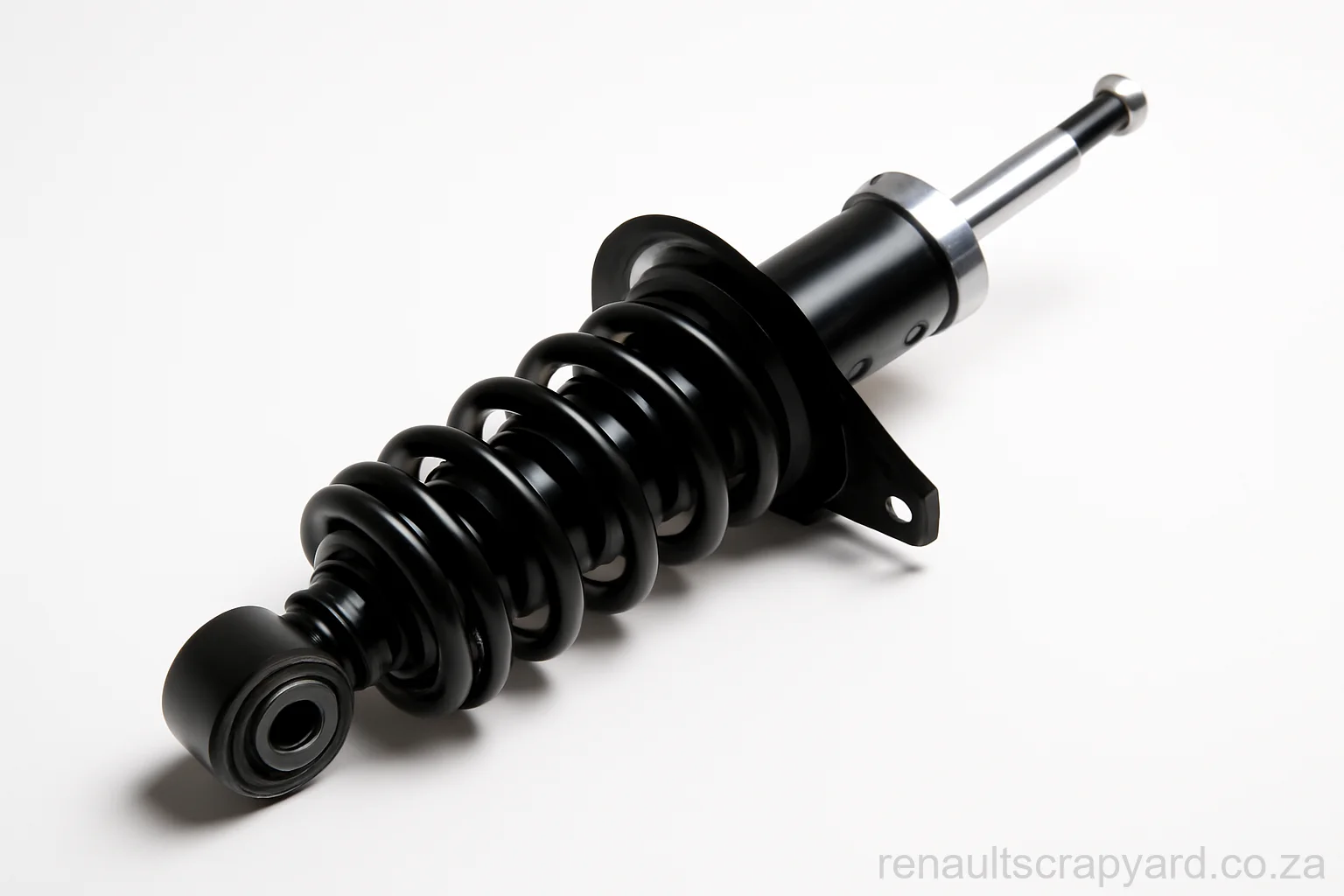
Hyundai Veloster Struts
Fast MovingFront and rear strut assemblies that support and locate Hyundai suspension
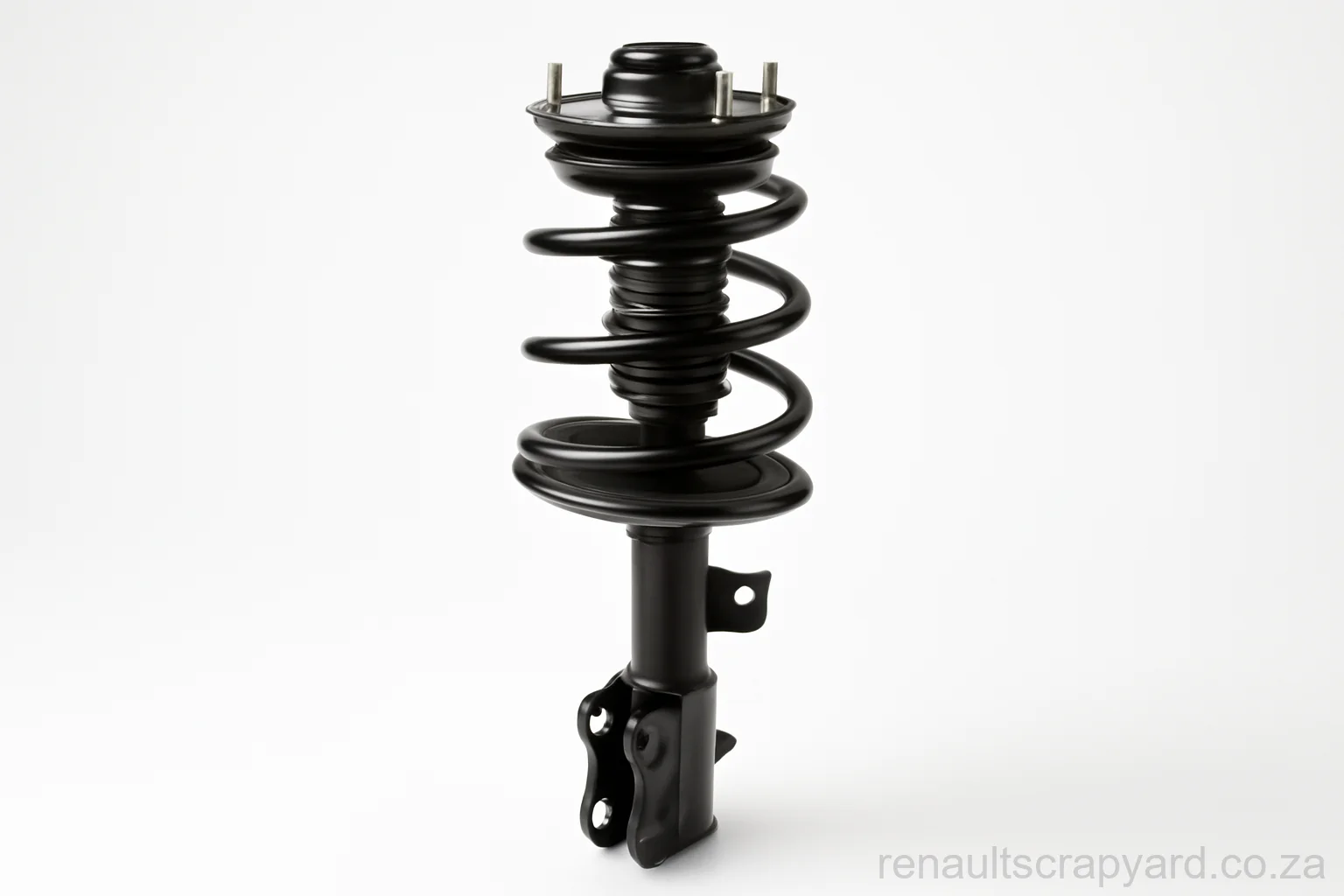
Hyundai Veloster Springs
Fast MovingCoil, leaf and lowering springs that set ride height and handling on Hyundai models
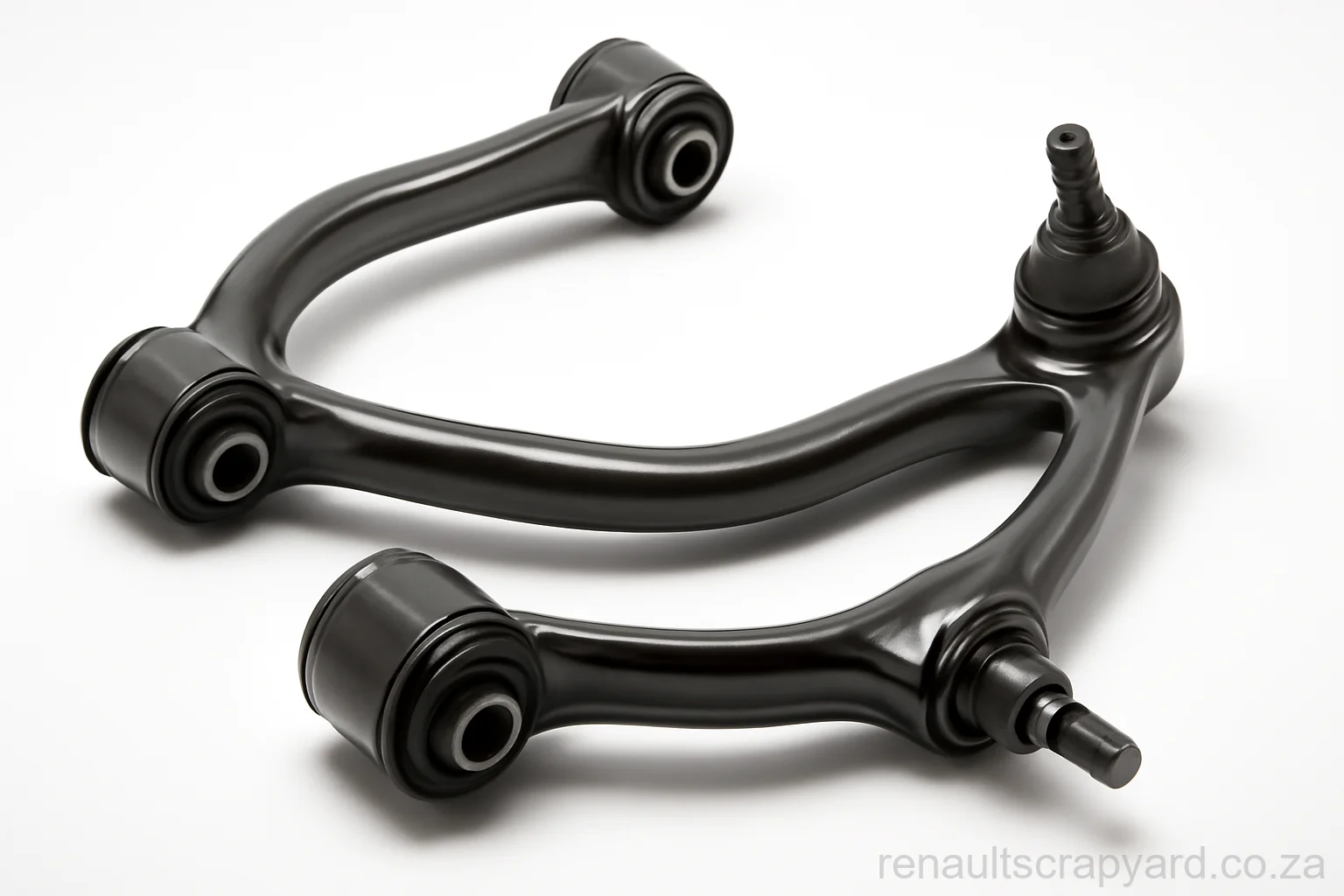
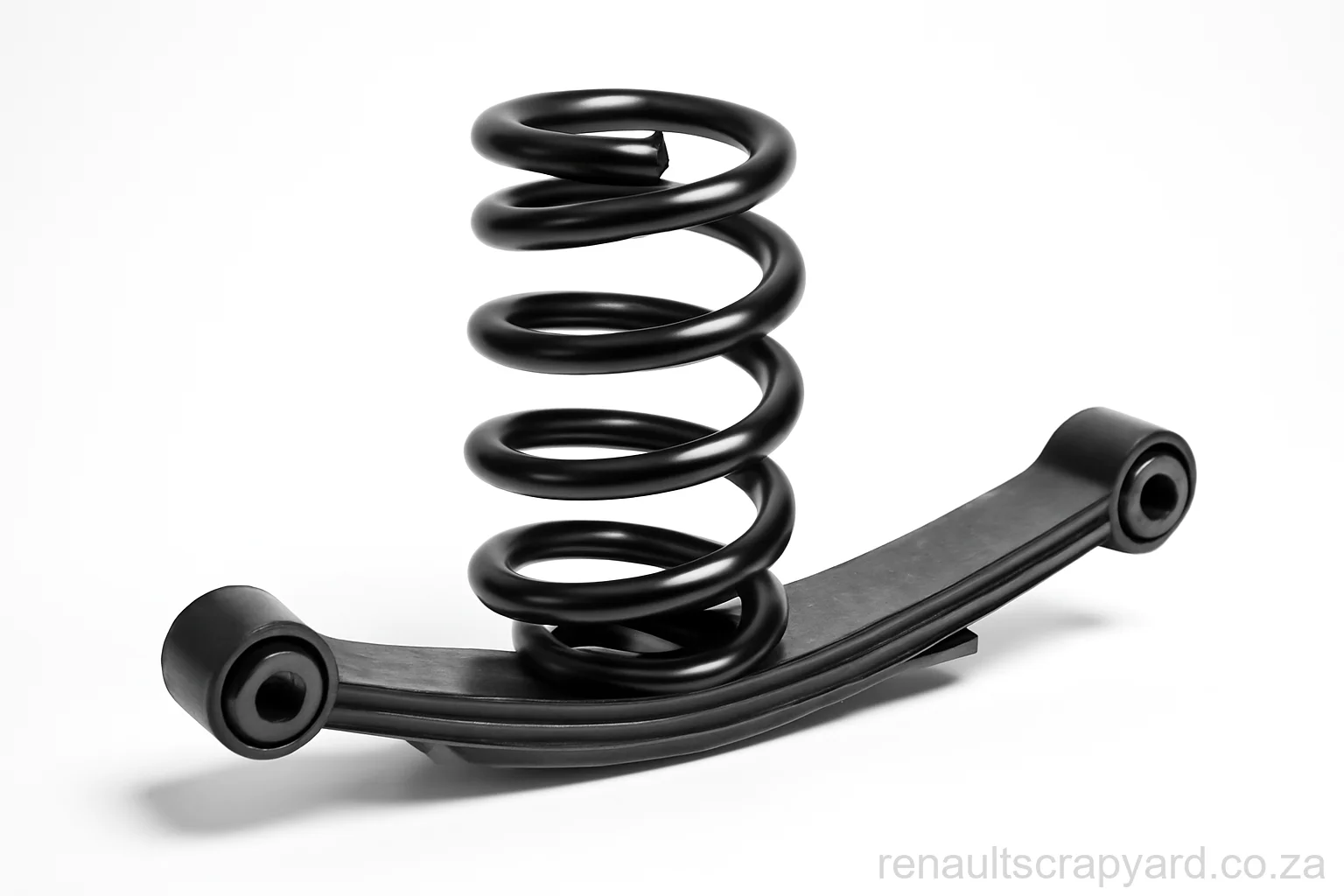
Hyundai Veloster Control Arms
Fast MovingUpper and lower control arms that anchor the suspension geometry of a Hyundai
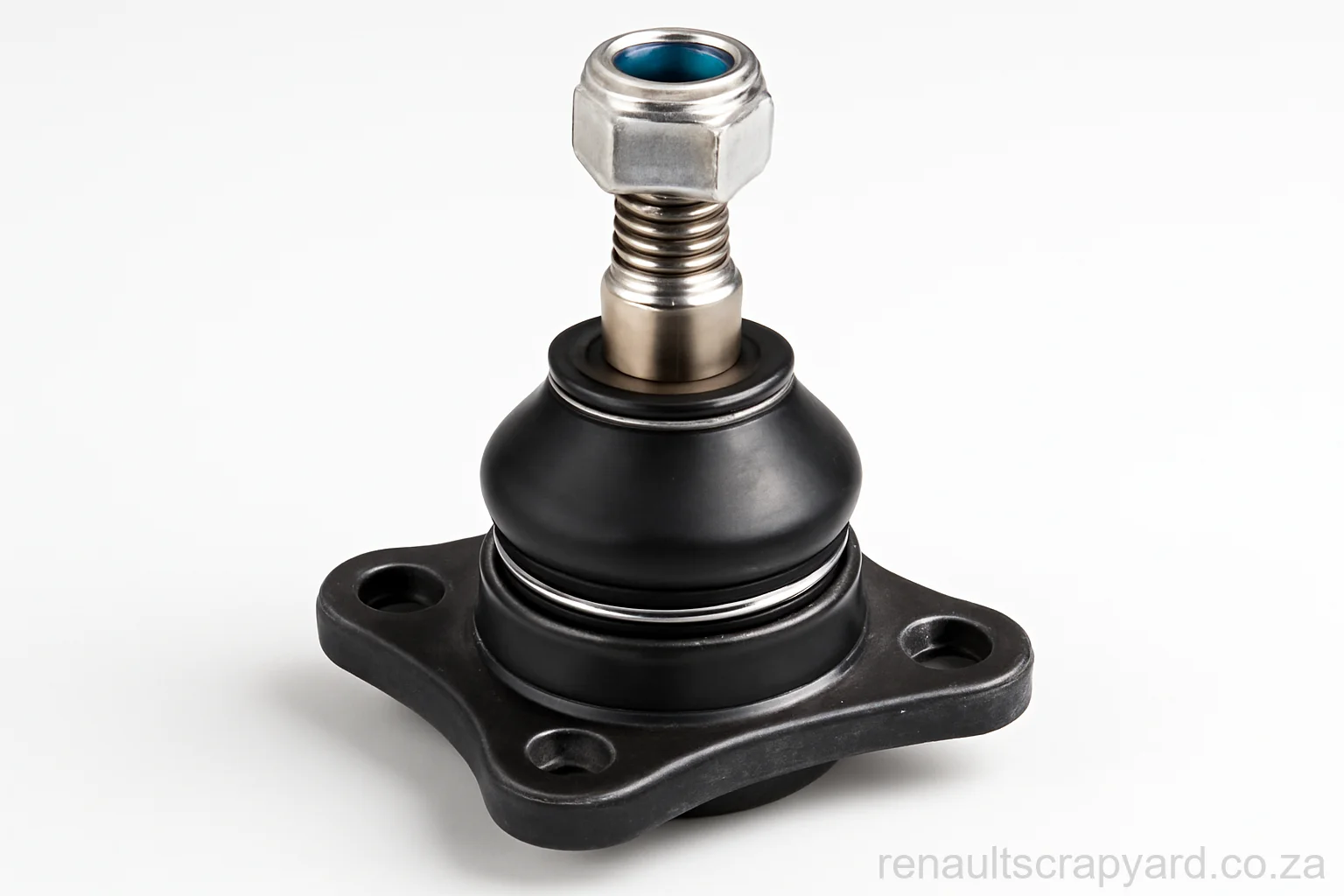
Hyundai Veloster Ball Joints
Fast MovingSuspension and steering ball joints that keep a Hyundai tracking straight
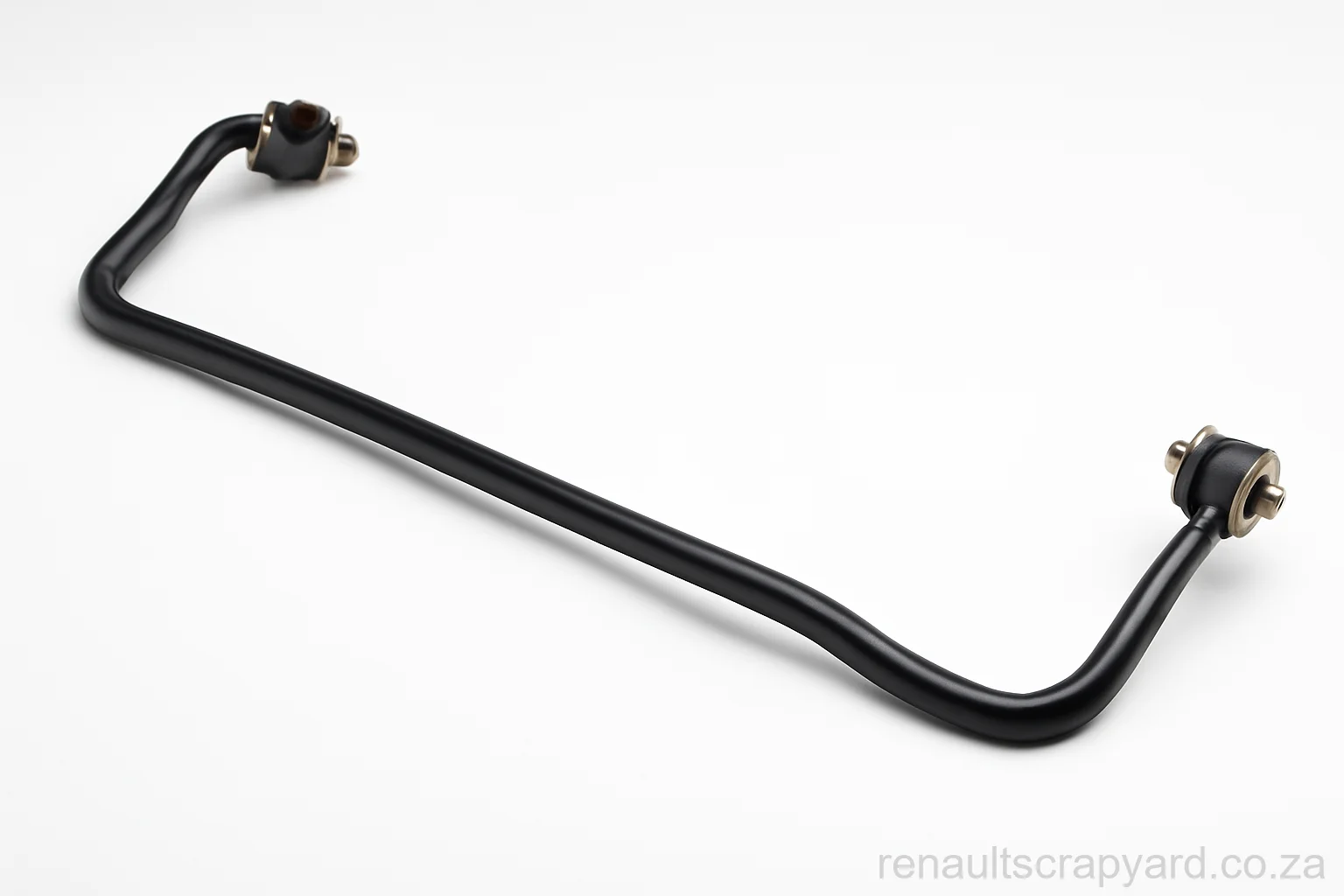
Hyundai Veloster Sway Bar
In DemandAnti-roll and stabilizer bars that curb body roll on Hyundai vehicles

Hyundai Veloster Tie Rods
In DemandInner and outer tie rod ends that keep Hyundai steering precise
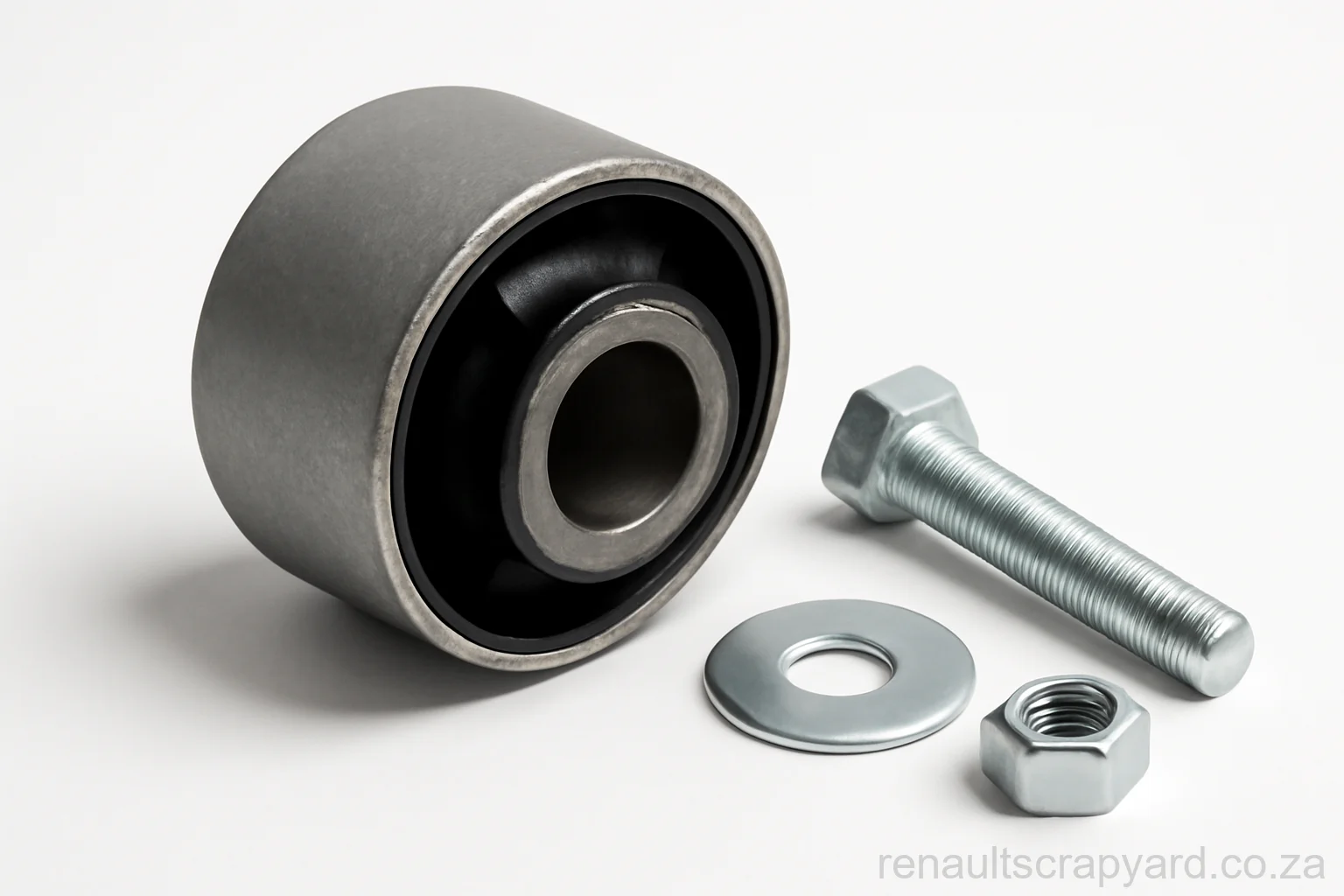
Hyundai Veloster Bushings
In DemandRubber and poly bushings plus mounts that quiet the Hyundai suspension
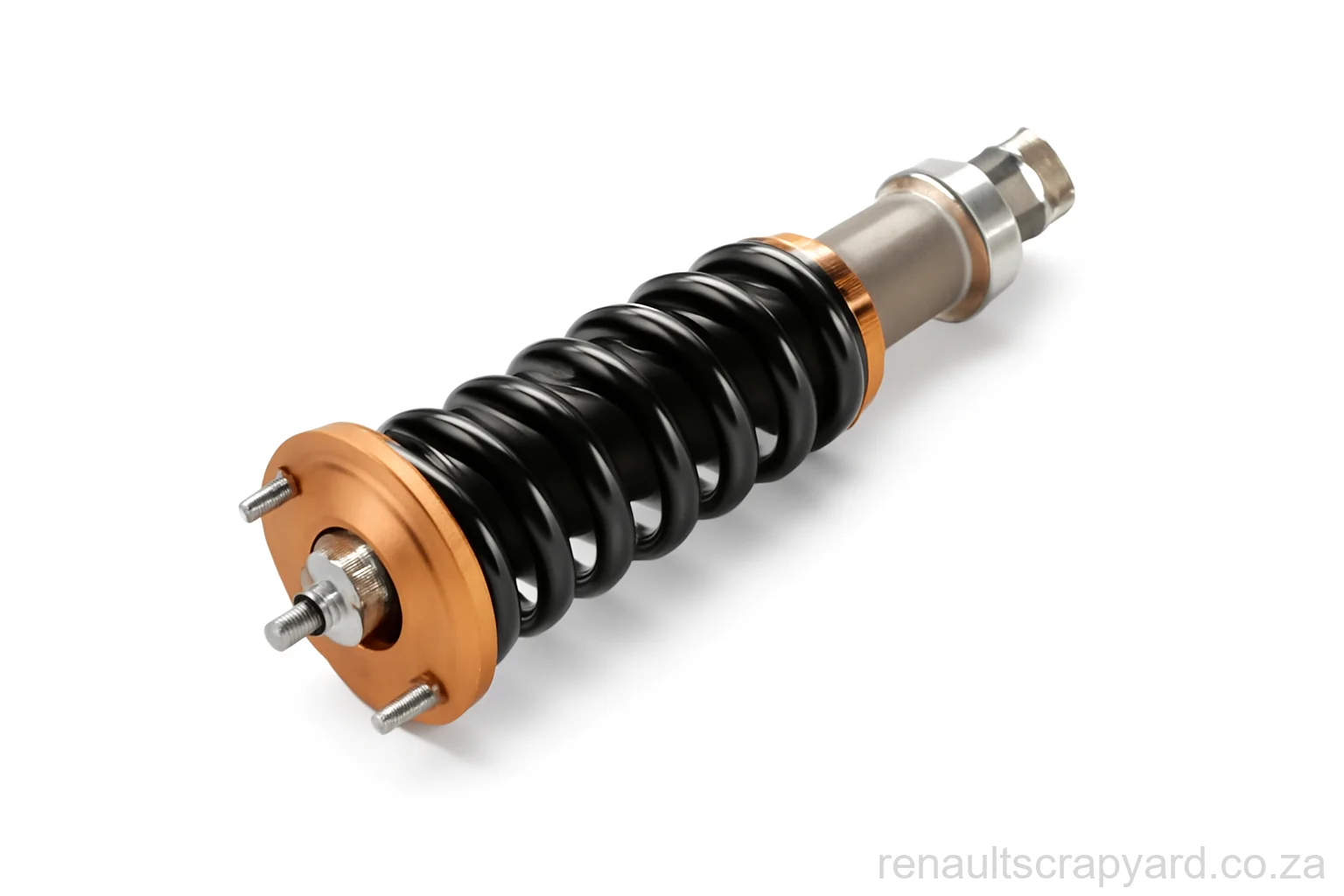
Hyundai Veloster Coilovers
StockedHeight and damping adjustable coilover kits for Hyundai enthusiasts
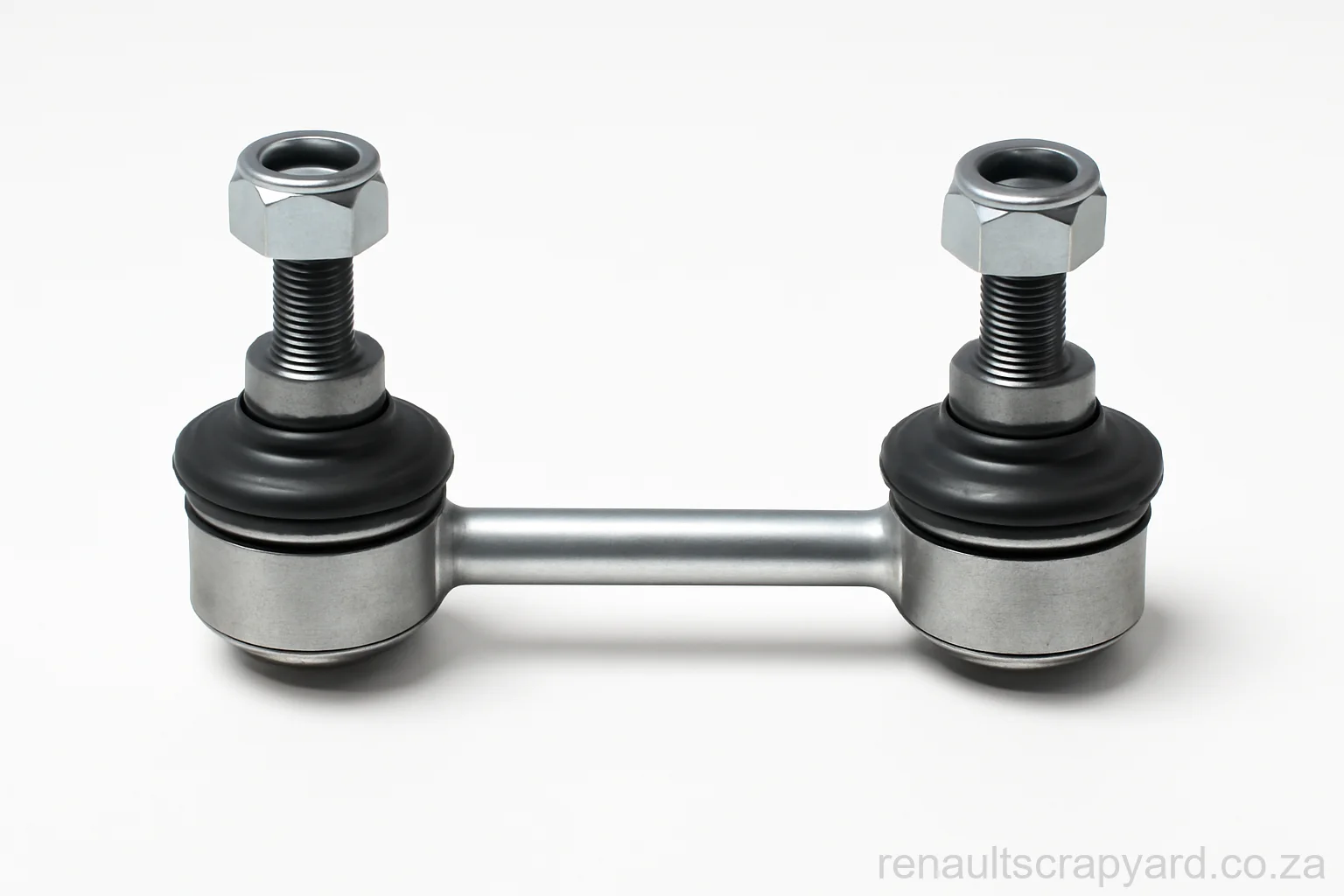
Hyundai Veloster Stabilizer Links
In DemandDrop links that connect the sway bar to the suspension on a Hyundai
What Are Hyundai Veloster Suspension?
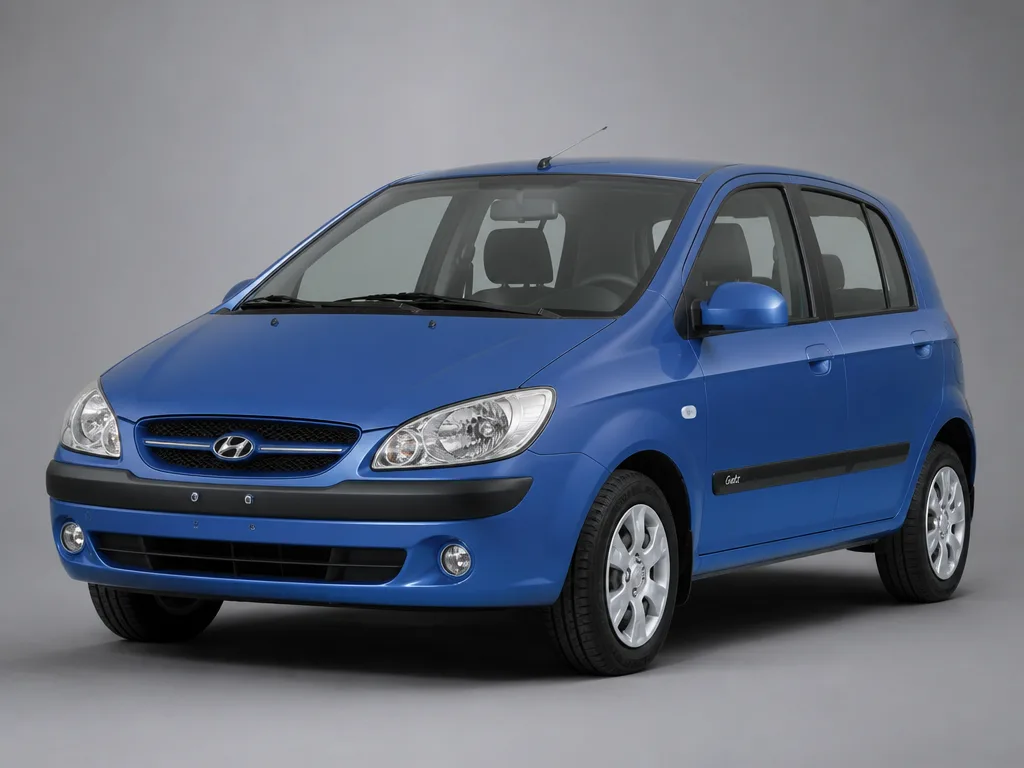
Suspension covers the dampers, springs, control arms, ball joints, anti-roll bars, bushes and top mounts that keep the tyres on the road and the body off the bump stops. The Hyundai-specific difficulty is that front geometry changed within model names rather than between them — the LM and TL Tucson do not share arms, the Getz TB and the Accent RB are different front ends, and the AWD derivatives of the SUVs carry different rear geometry to the front-drive ones. A part listed simply for "a Tucson" is not enough information to buy on.
South African road surfaces then do the rest. Potholes, unsealed shoulders and speed humps taken at the wrong speed destroy bushes and top mounts faster than any mileage figure would predict, and the damage usually shows up as a symptom somewhere else: a knock over bumps, steering that wanders and follows tramlines, or tyres wearing unevenly a fortnight after an alignment. When one corner has failed it is worth pricing the whole corner, because the bushes and mounts around a tired damper are rarely in better condition than the damper was.
Signs You Need New Suspension
SA-Market Veloster Derivatives We Supply Suspension For
The Veloster reached South Africa as FS, then JS, running Gamma 1.6 GDi and Gamma 1.6 T-GDi. Suspension fitment splits on the generation code long before it splits on trim, and again between petrol and CRDi diesel derivatives. The asymmetric three-door layout means the left and right sides are genuinely not mirror images — door, glass and trim parts must be ordered by side. Find your derivative below, then send the code from your VIN plate with your enquiry.
- Hyundai Veloster FS 1.6 GDi
- Hyundai Veloster FS 1.6 Turbo
- Hyundai Veloster JS 1.6 Turbo N Line
Sourcing note: the Veloster shares its Gamma GDi and T-GDi engines with the i30 and Elantra of the same era, which gives us a second place to look when local stock runs dry.
Getting the right suspension for your Veloster first time
Ordering suspension for a Veloster starts with the generation: FS, then JS.The asymmetric three-door layout means the left and right sides are genuinely not mirror images — door, glass and trim parts must be ordered by side.
Engine families fitted to the SA-market Veloster:
South African road surfaces punish suspension harder than the markets these cars were tuned for, and the SUVs in the range carry noticeably different rear geometry between two-wheel- and all-wheel-drive derivatives.
Send us the generation code and whether the car is front- or all-wheel drive with your enquiry and we will confirm the correct suspension against your car before anything is dispatched.
In South Africa the Veloster is mostly a low-volume enthusiast car locally, so mechanical parts come easily through the shared Gamma engine family while body and trim need specialist sourcing. That is the wear pattern we stock and source against.
Hyundai Veloster Suspension FAQs
Does suspension fitment change across Veloster generations?
Yes, and it is the first thing we check. The Veloster sold here as FS, then JS, and the asymmetric three-door layout means the left and right sides are genuinely not mirror images — door, glass and trim parts must be ordered by side. Give us the generation code and the rest follows quickly.
Which Veloster engines were sold in South Africa?
Gamma 1.6 GDi and Gamma 1.6 T-GDi. Suspension fitment often follows the engine family rather than the model name, so the code on the block is worth reading before you order.
What are the common suspension problems with Hyundai vehicles?
Common Hyundai suspension issues include worn shock absorbers (especially on high-mileage Creta and Santa Fe models), deteriorated control arm bushings and failed anti-roll bar links that cause knocking noises. South African road conditions accelerate wear on ball joints and suspension mounts, particularly on models like the i20 and Tucson. Replacement shock absorbers typically cost R1,150-R2,350 each, while complete suspension refresh including bushings and links ranges from R8,400-R14,100 depending on the model.
What parts of suspension need to be replaced most frequently?
Shock absorbers and struts are the most frequently replaced suspension components, typically every 80,000-100,000 km under SA conditions. Rubber bushings in control arms and anti-roll bar links deteriorate from heat and road stress, usually requiring replacement every 60,000-80,000 km. Ball joints and tie rod ends also wear over time, particularly on vehicles frequently driven on gravel roads. Coil springs rarely fail but should be inspected for cracks or sagging during major suspension work.
Is it easy to get Hyundai suspension parts in South Africa?
Yes, Hyundai suspension parts are well supplied in South Africa through the official Hyundai dealership network, which supports all Hyundai models with genuine parts and service. You can visit any authorized Hyundai dealership across major cities and many smaller towns for original equipment suspension components. Aftermarket alternatives are also widely available through independent suppliers, though genuine Hyundai parts ensure proper fit and performance for models equipped with Gamma, T-GDi, CRDi, or U-line CRDi engines.
What are the 4 main components of the suspension system?
The four primary suspension components are: (1) springs (coil, leaf, or air) that support the vehicle weight, (2) shock absorbers or struts that dampen spring oscillations and control body movement, (3) linkages including control arms, ball joints and tie rods that connect wheels to the chassis while allowing movement and (4) anti-roll bars (sway bars) that reduce body roll during cornering. Your Hyundai integrates these components in a precisely engineered system, with tires and tire pressure also playing crucial roles in overall suspension performance and ride quality.
How much does a complete Hyundai suspension service cost in South Africa?
A comprehensive suspension inspection and service at a Hyundai dealer typically costs R800-R1,500, while replacing front shock absorbers ranges from R3,400-R5,800 including labour. A full suspension overhaul with shocks, control arm bushings, drop links and ball joints costs R11,650-R24,500 depending on your model (i20, Tucson, Creta, or Santa Fe). Many SA owners opt for phased repairs, addressing the most worn components first, with shock absorber replacement being the most common and impactful upgrade for ride quality and handling.
Learn More About Hyundai Veloster Suspension
Related Categories for Hyundai Veloster
Veloster Suspension — quoted against your derivative
Send us the generation code and whether the car is front- or all-wheel drive and our Hyundai desk will confirm the correct suspension for your Veloster before quoting.