

Hyundai Alternator for Sale in South Africa
Aftermarket components -- not produced by the original vehicle manufacturer
Hyundai Alternator by Model
Pick your Hyundai model below to see alternator matched to your vehicle.
Part of our full range of Hyundai Electrical.

Hyundai i20
Fast MovingAlternator for i20 hatchback
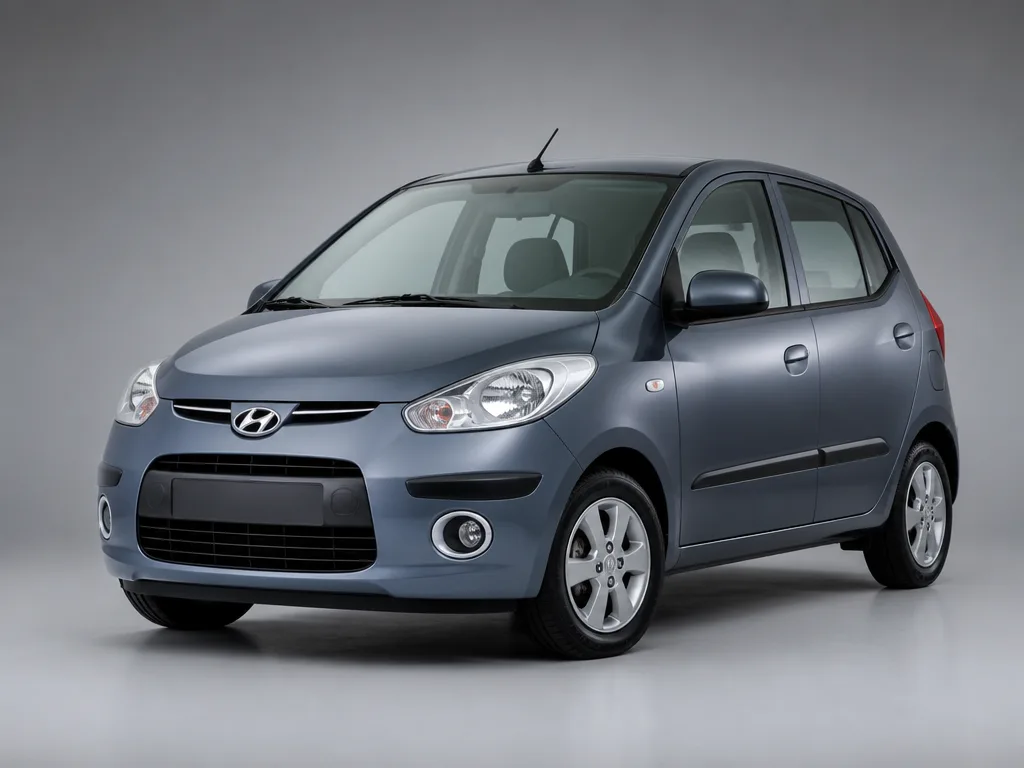
Hyundai i10
Fast MovingAlternator for i10 hatchback

Hyundai Accent
Fast MovingAlternator for Accent sedan
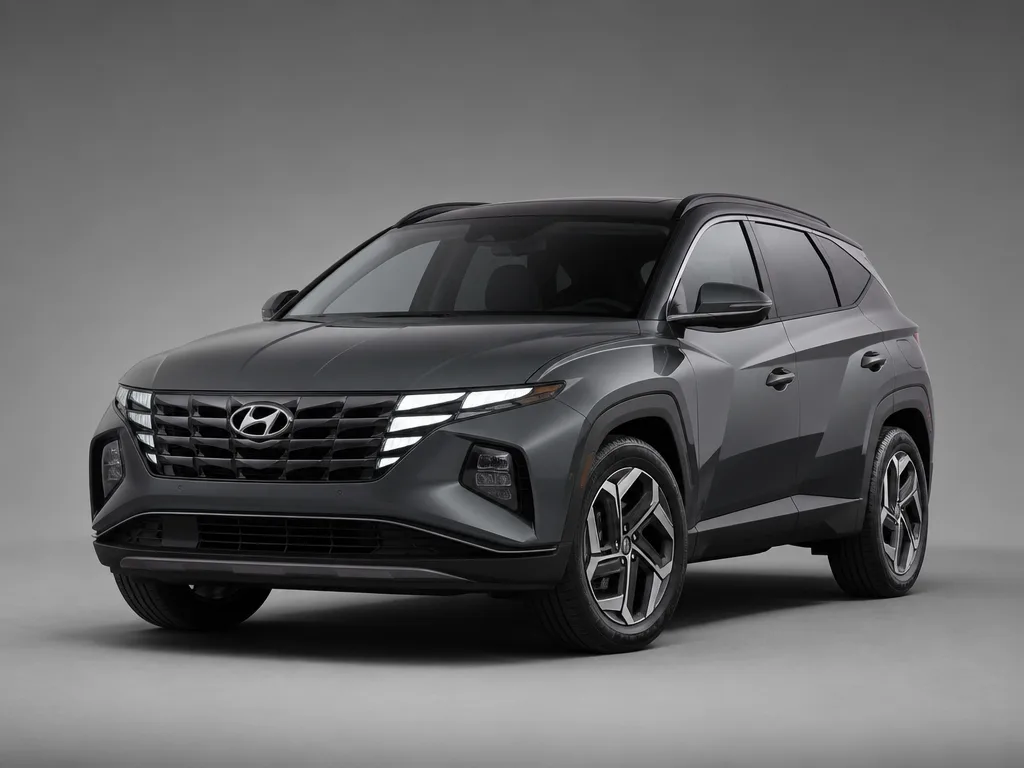
Hyundai Tucson
Fast MovingAlternator for Tucson suv
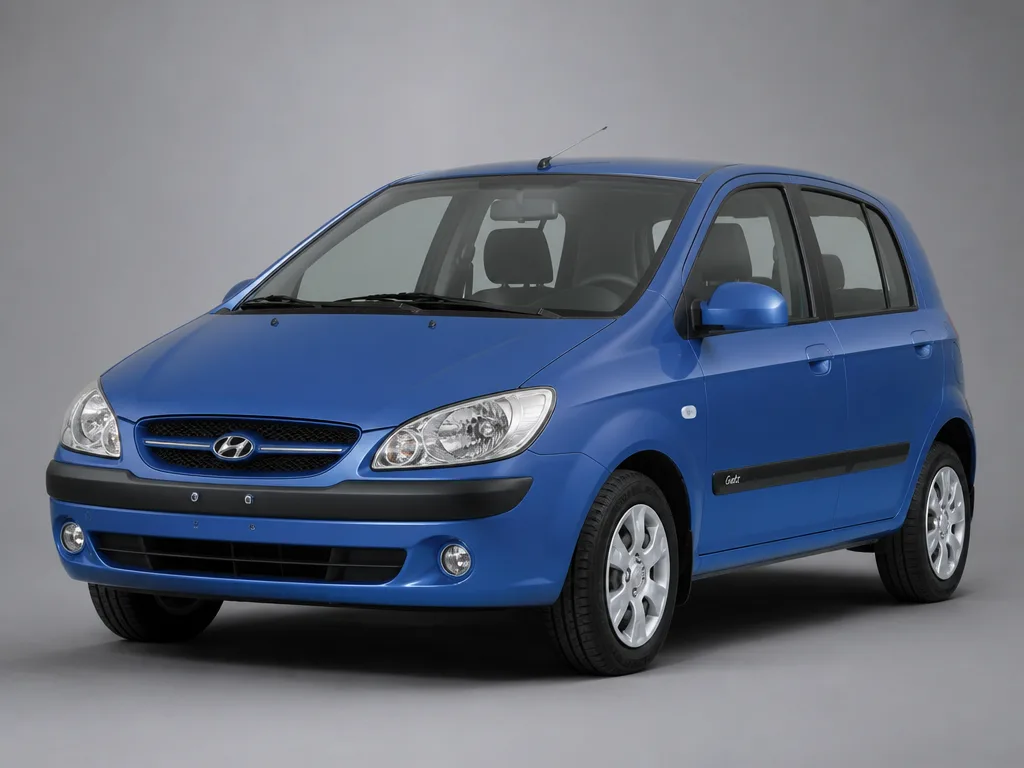
Hyundai Getz
Fast MovingAlternator for Getz hatchback

Hyundai ix35
Fast MovingAlternator for ix35 suv

Hyundai Creta
Fast MovingAlternator for Creta suv

Hyundai Elantra
Fast MovingAlternator for Elantra sedan
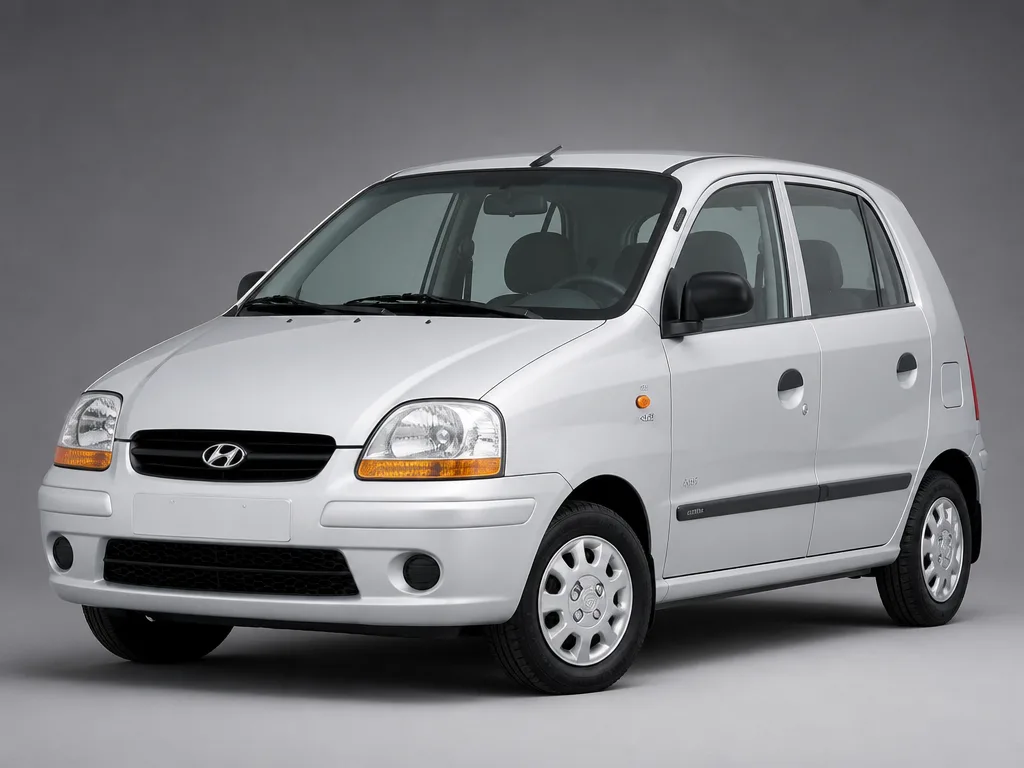
Hyundai Atos
In DemandAlternator for Atos hatchback

Hyundai H1
In DemandAlternator for H1 van
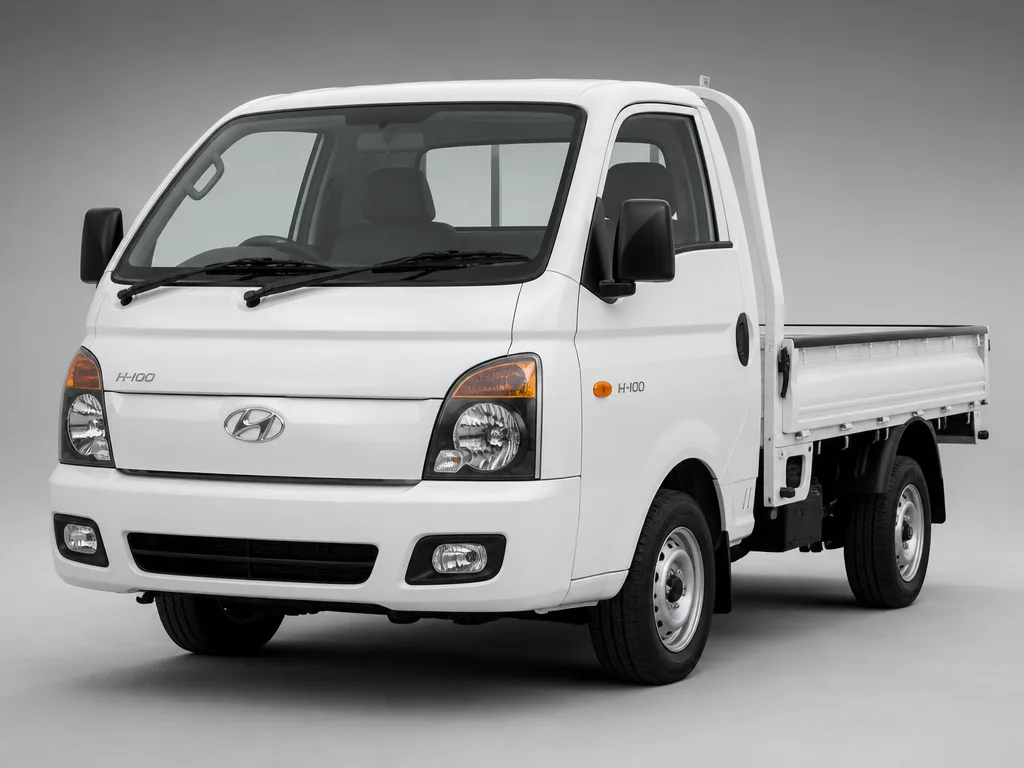
Hyundai H100
In DemandAlternator for H100 commercial

Hyundai Santa Fe
In DemandAlternator for Santa Fe suv
Displaying 12 of 20 Hyundai models
Buying alternator for a Hyundai: what to settle first
Coded and paired components — immobiliser-linked and body-control items in particular — will not simply plug in on a Hyundai. Some need matching to the car before they will function.
Practically, that means the choice in front of you is whether the fault is the component or the circuit feeding it, which is worth settling before anything is bought — and it cannot be answered from the model name alone.
Give us the VIN, and the fault code if the car has been scanned when you request a quote on alternator. We would rather ask two questions up front than ship a part that has to come back.
What Are Alternator?
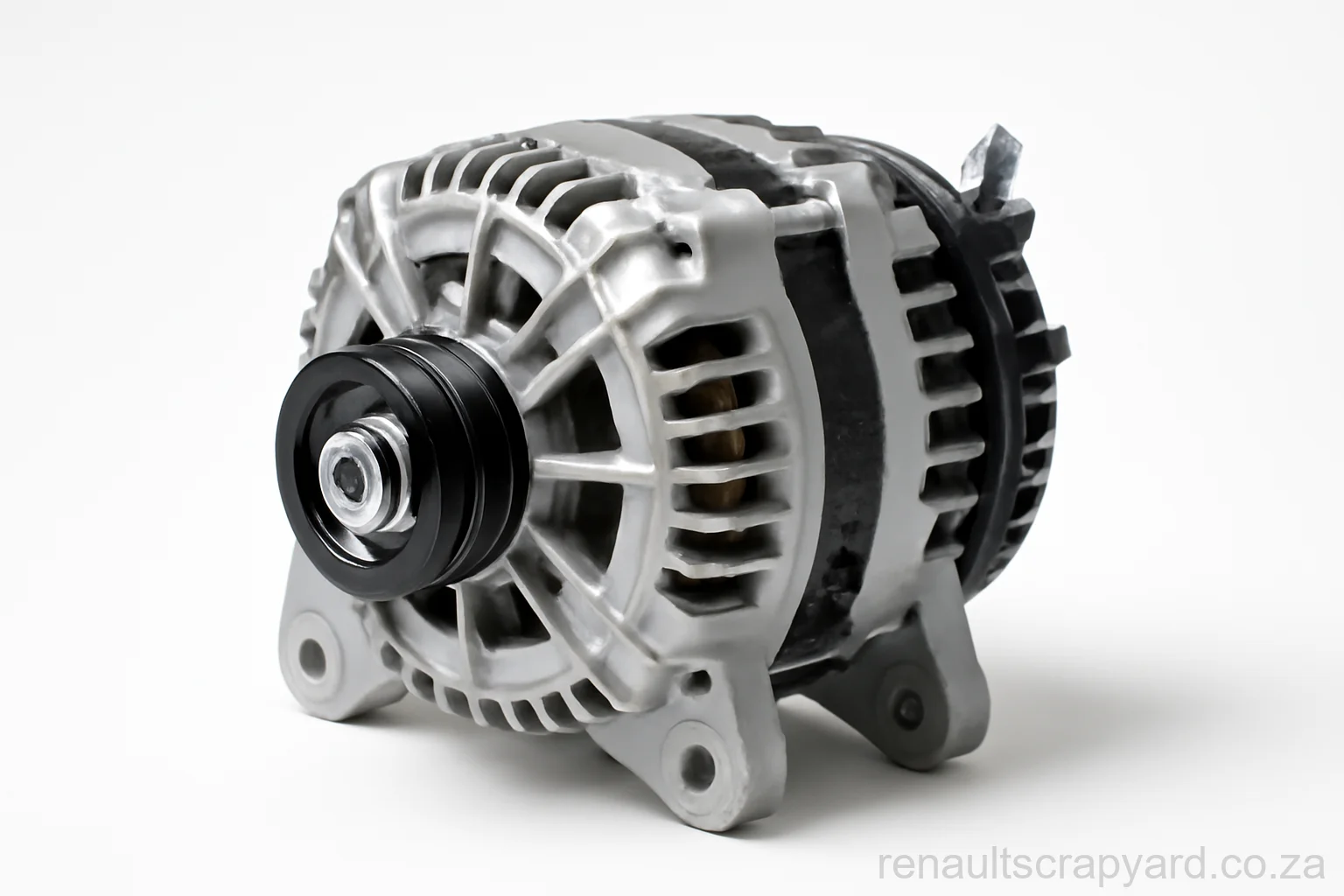
The alternator in your Hyundai is a critical component of the electrical system that charges the battery and powers all electrical accessories while the engine is running. In Hyundai models equipped with Gamma, T-GDi, CRDi and U-line CRDi engines, the alternator typically produces between 90 and 150 amps depending on the model's electrical demands. It converts mechanical energy from the engine's serpentine belt into electrical energy, ensuring your i20, Tucson, Creta, or Accent maintains a stable 12-14 volt supply to the entire vehicle system.
In conditions on South African roads, where stop-start traffic in Johannesburg and Cape Town, combined with frequent use of air conditioning and entertainment systems, places high demands on the alternator. Hyundai's modern CRDi diesel engines and turbocharged T-GDi petrol engines rely on sophisticated electronics for fuel injection, turbo management and emissions control, making a properly functioning alternator essential. A failing alternator won't just leave you stranded—it can damage expensive electronic control units and cause cascading electrical failures across your vehicle's systems.
Signs You Need New Alternator
Related Parts Categories
Looking for something else? Browse related Hyundai parts categories.
Car batteries and accessories that deliver reliable starts for Hyundai vehicles
StarterStarter motors and assemblies that crank Hyundai engines over reliably
Spark PlugsIgnition spark plugs that keep Hyundai petrol engines firing cleanly
Ignition CoilsIgnition coils and coil packs that generate the spark on Hyundai petrol engines
FusesBlade fuses and fuse boxes that protect the Hyundai electrical circuits
RelaysAutomotive relays and switches that route power around a Hyundai
Wiring HarnessEngine and body wiring harnesses and looms for Hyundai vehicles
ECU/PCMEngine control units and powertrain modules that run a Hyundai
Available Across South Africa
We deliver alternator to cities and towns across all 9 provinces.
Before You Order Hyundai Alternator
What decides which alternator fits my Hyundai?
Coded and paired components — immobiliser-linked and body-control items in particular — will not simply plug in on a Hyundai. Some need matching to the car before they will function. In practice the decision in front of you is whether the fault is the component or the circuit feeding it, which is worth settling before anything is bought.
What do you need from me to quote alternator?
The VIN, and the fault code if the car has been scanned. With that we can usually confirm the right part the same day, and we will tell you whether we are quoting new, aftermarket or good used stock rather than leaving you to guess.
How much does an alternator replacement cost for a Hyundai in South Africa?
A replacement alternator for popular Hyundai models like the i20, Tucson, or Accent typically costs between R2,400-R6,550 for the part, with labour adding another R800-R1,600 depending on the workshop. Original Hyundai alternators are more expensive but come with warranty, while quality aftermarket units from brands like Bosch or Valeo offer good value. Models with CRDi engines may require higher-output alternators that cost toward the upper end of this range.
How long should a Hyundai alternator last in South African conditions?
Under normal South African driving conditions, a Hyundai alternator should last between 100,000-150,000 km or 5-7 years. However, frequent short trips, extreme heat in provinces like Limpopo and Mpumalanga and dusty conditions can reduce this lifespan. Regular servicing and ensuring the serpentine belt is properly tensioned can help maximize alternator life in Gamma, T-GDi and U-line CRDi engine applications.
Can I drive my Hyundai with a faulty alternator?
You should not drive with a completely failed alternator, as your vehicle will run solely on battery power which typically lasts only 30-60 minutes before the engine dies. If the alternator is partially failing, you may make it to a workshop, but turn off all non-essential electrical items like air conditioning and radio. Continuing to drive risks stranding yourself and potentially damaging the battery and other electrical components in your Hyundai.
What causes alternators to fail in Hyundai vehicles?
Common causes include worn bearings from high mileage, damaged voltage regulators from electrical spikes, a slipping or broken serpentine belt, water ingress from driving through deep puddles and excessive heat exposure. In South African conditions, dust and debris entering the alternator housing is particularly problematic. On turbocharged T-GDi and CRDi engines, the increased electrical demands from multiple sensors and systems can also accelerate wear on older alternators.
How can I test if my Hyundai alternator is working properly?
Start the engine and use a multimeter to measure battery voltage—it should read between 13.8-14.4 volts with the engine running if the alternator is charging correctly. Turn on headlights, air conditioning and other accessories; voltage should remain stable above 13.5 volts. Any AA or workshop in South Africa can perform this test quickly and most Hyundai dealerships include alternator testing as part of routine services on models like the Creta and Santa Fe.
Learn More About Alternator
Official Hyundai dealer locator and service information for South African owners
Automotive Association tips on electrical system maintenance and breakdown assistance
Technical overview of how automotive alternators work and their components
Send us the VIN — we will find the alternator
The VIN, and the fault code if the car has been scanned is all we need. Our Hyundai desk cross-references it against stock and comes back with what fits.