

Hyundai Brake Fluid for Sale in South Africa
Aftermarket components -- not produced by the original vehicle manufacturer
Hyundai Brake Fluid by Model
Pick your Hyundai model below to see brake fluid matched to your vehicle.
Part of our full range of Hyundai Brakes.

Hyundai i20
Fast MovingBrake Fluid for i20 hatchback
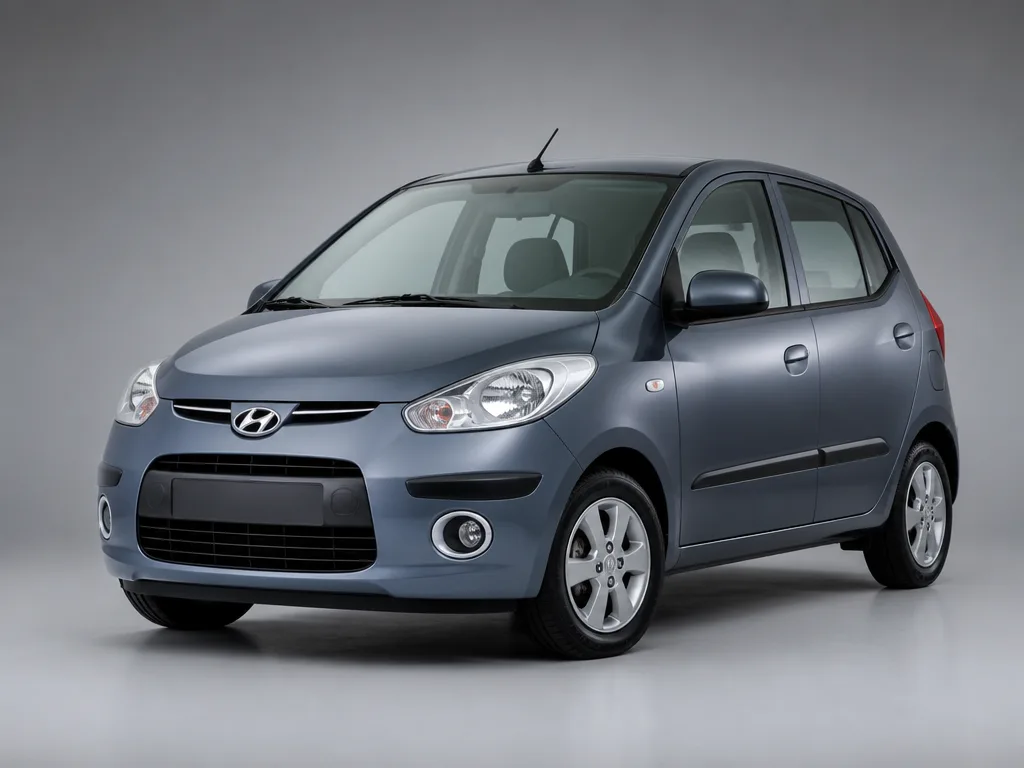
Hyundai i10
Fast MovingBrake Fluid for i10 hatchback
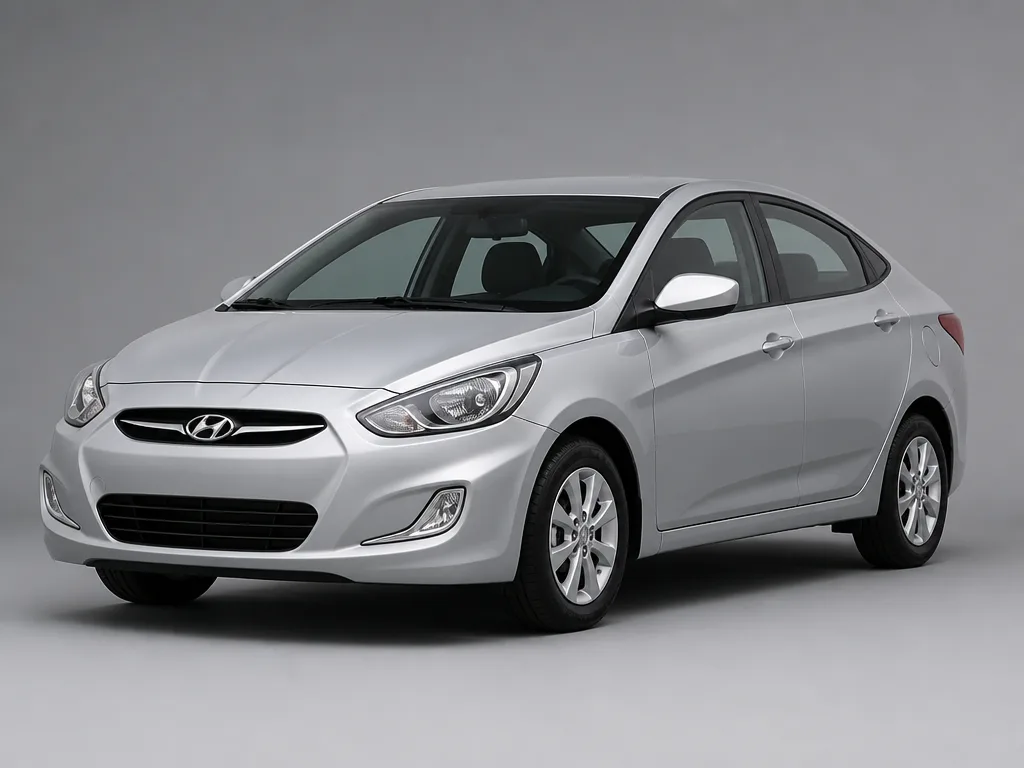
Hyundai Accent
Fast MovingBrake Fluid for Accent sedan
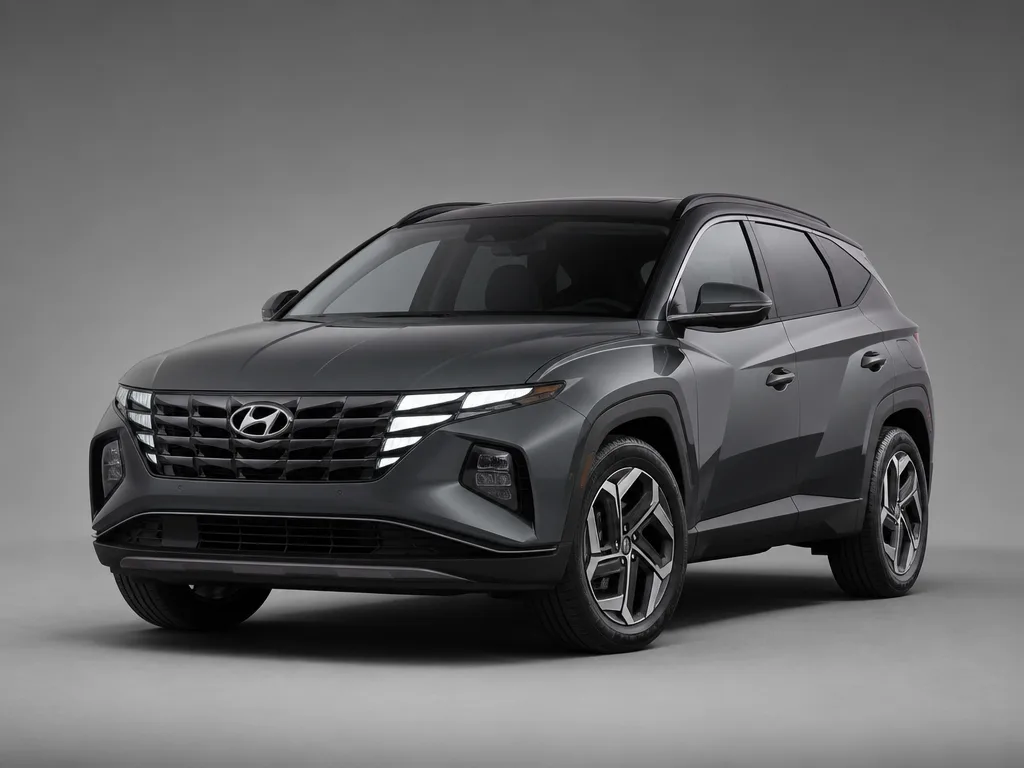
Hyundai Tucson
Fast MovingBrake Fluid for Tucson suv
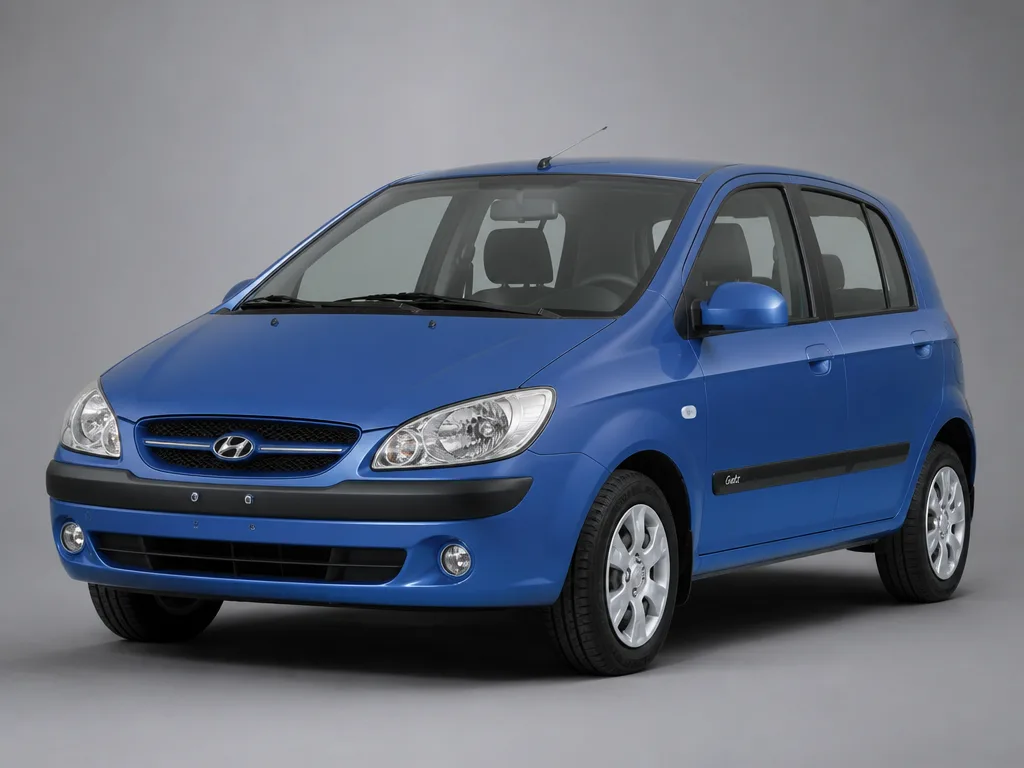
Hyundai Getz
Fast MovingBrake Fluid for Getz hatchback
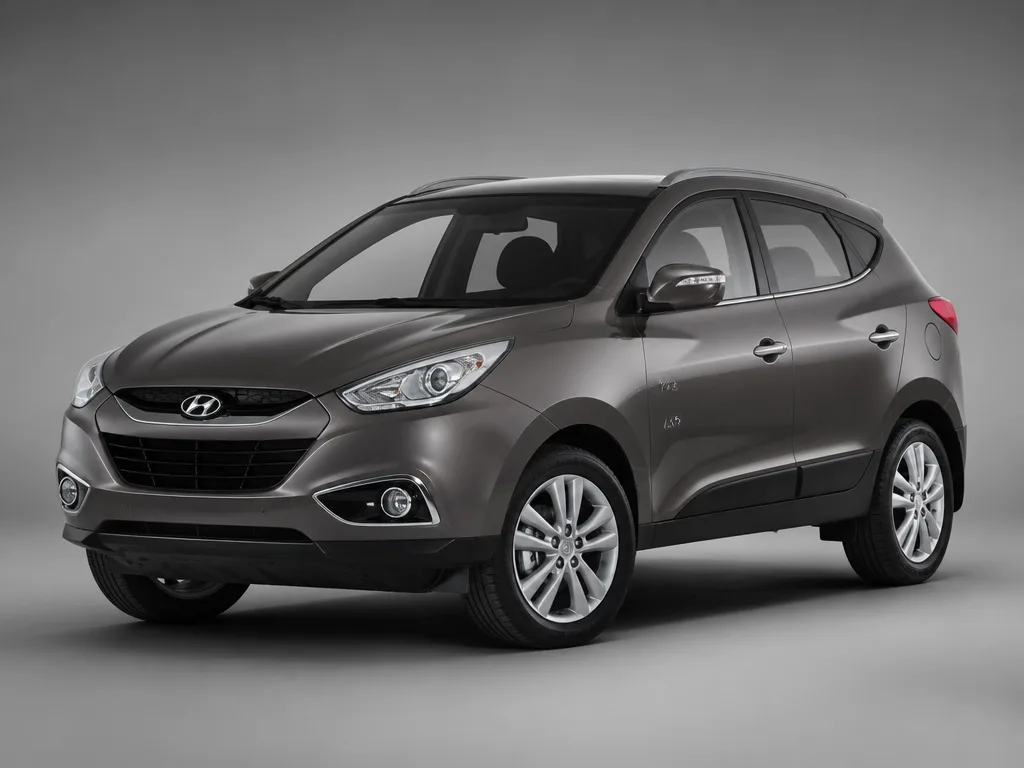
Hyundai ix35
Fast MovingBrake Fluid for ix35 suv

Hyundai Creta
Fast MovingBrake Fluid for Creta suv

Hyundai Elantra
Fast MovingBrake Fluid for Elantra sedan
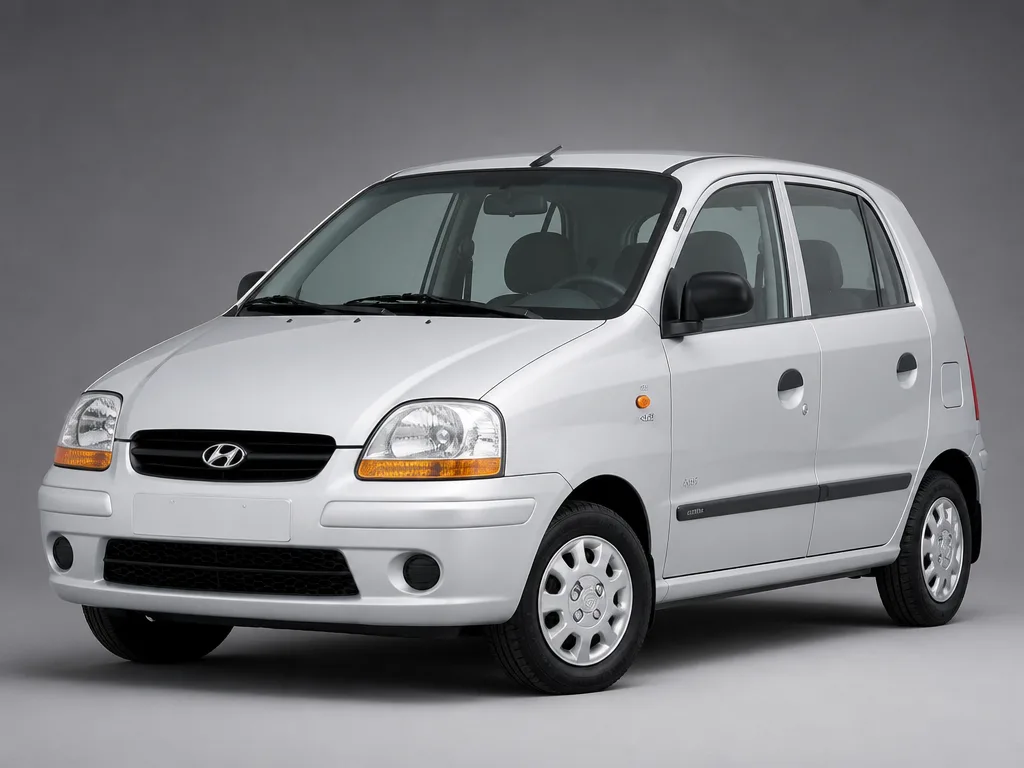
Hyundai Atos
In DemandBrake Fluid for Atos hatchback
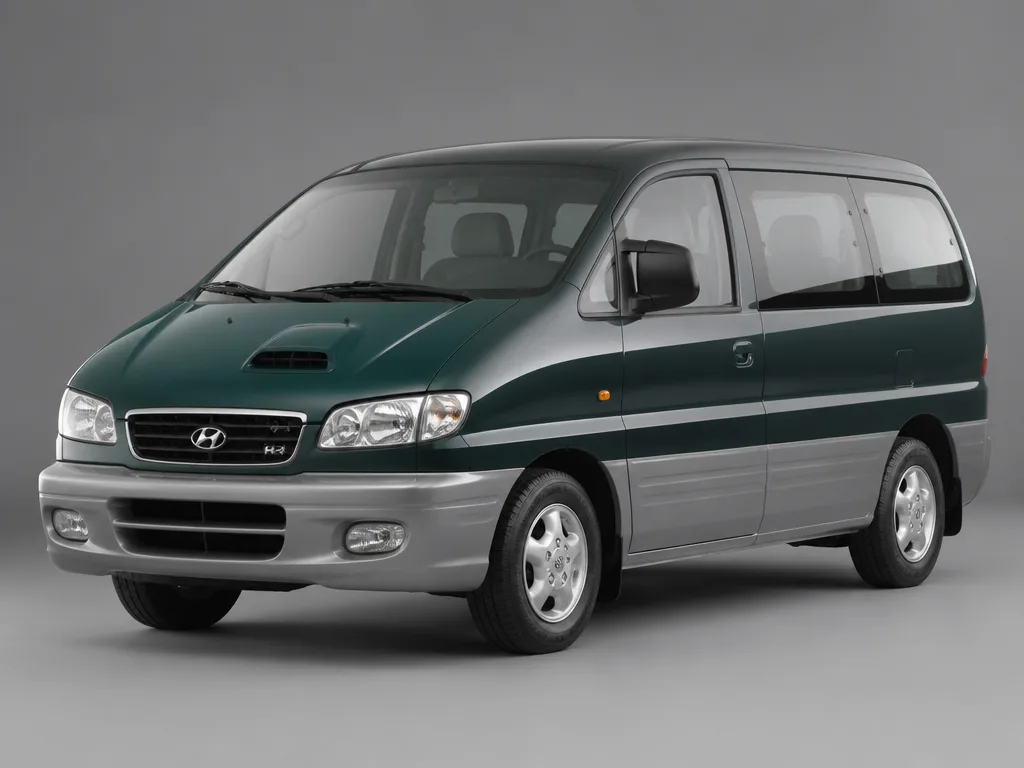
Hyundai H1
In DemandBrake Fluid for H1 van
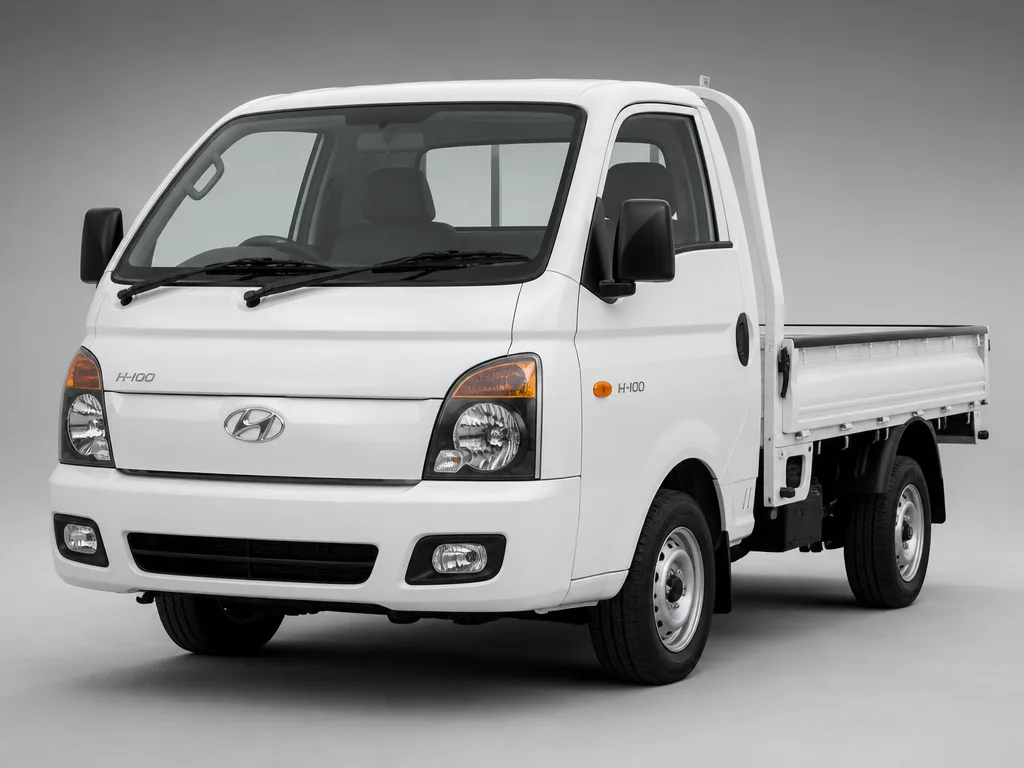
Hyundai H100
In DemandBrake Fluid for H100 commercial

Hyundai Santa Fe
In DemandBrake Fluid for Santa Fe suv
Displaying 12 of 20 Hyundai models
Brake Fluid for Hyundai — a straight answer
Disc diameter on a Hyundai tracks the derivative rather than the model — a 1.6 and a turbo version of the same car frequently run different front brakes, and N Line derivatives differ again.
Practically, that means the choice in front of you is whether you need friction material only or the discs as well, which usually comes down to how much the current set has already been skimmed — and it cannot be answered from the model name alone.
Give us the derivative and whether the car has been fitted with non-standard wheels, which can rule out some caliper and disc combinations when you request a quote on brake fluid. We would rather ask two questions up front than ship a part that has to come back.
What Are Brake Fluid?
Brake fluid transmits foot pressure from the pedal to the calipers via the hydraulic lines on your Hyundai. Modern i20, Tucson and Creta models run DOT 4 spec, which absorbs moisture over time — two years of Durban humidity or Highveld rain and the boiling point drops enough to feel it on long mountain descents.
Signs You Need New Brake Fluid
Related Parts Categories
Looking for something else? Browse related Hyundai parts categories.
Front and rear brake pads that deliver dependable stopping power on Hyundai vehicles
Brake RotorsVented and solid brake discs that shrug off heat for steady Hyundai braking
Brake CalipersFront and rear caliper assemblies that clamp the pads on Hyundai brake systems
Brake LinesSteel lines and rubber hoses that carry hydraulic pressure through Hyundai brakes
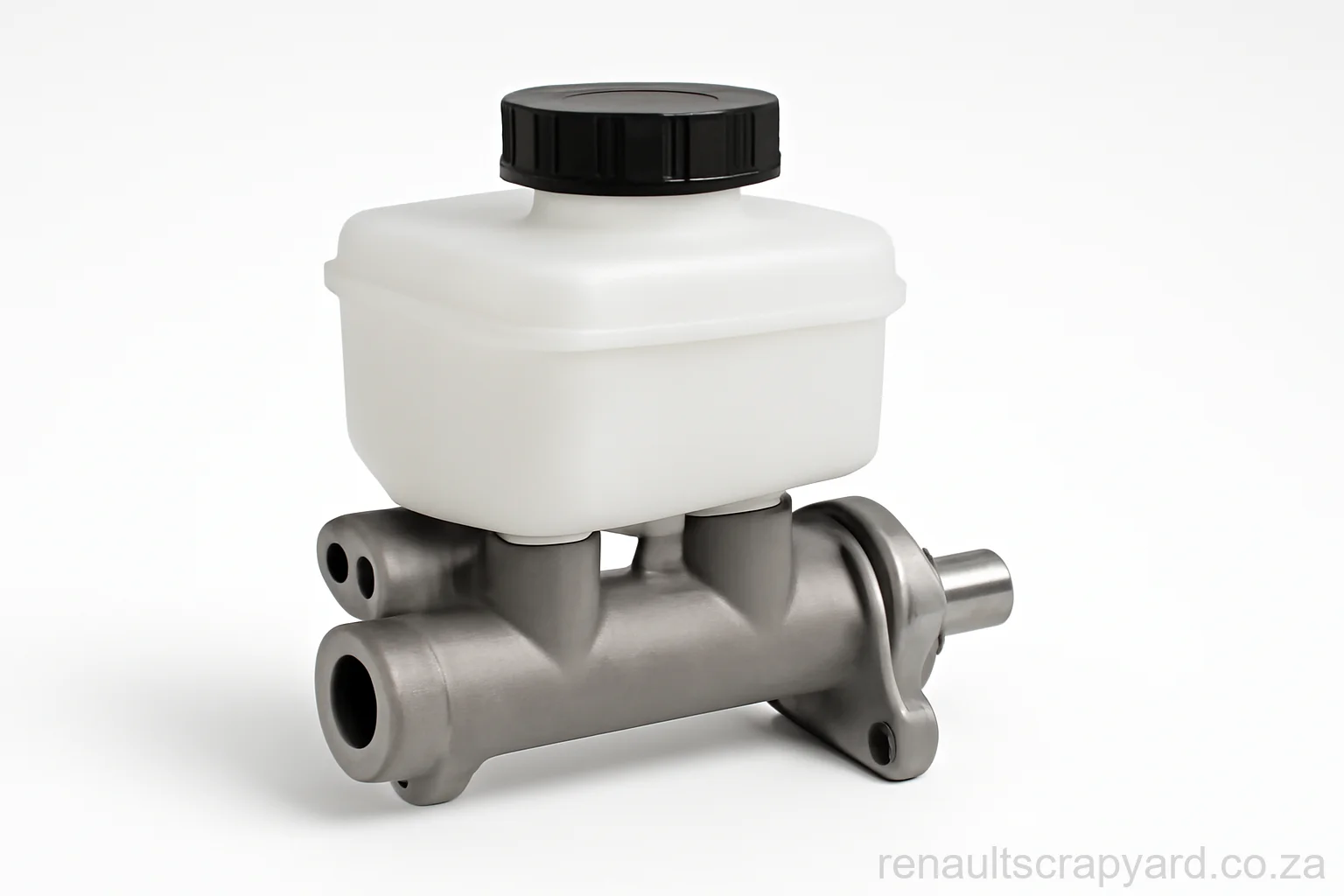
Master CylinderMaster cylinder assemblies that generate hydraulic pressure for Hyundai brakes
Brake BoosterVacuum boosters that add pedal assistance to Hyundai power-brake systems
Brake DrumsRear brake drums for Hyundai models fitted with drum brake setups
Brake ShoesRear brake shoes for Hyundai drum brake systems
Available Across South Africa
We deliver brake fluid to cities and towns across all 9 provinces.
Hyundai Brake Fluid — Questions We Get Asked
What decides which brake fluid fits my Hyundai?
Disc diameter on a Hyundai tracks the derivative rather than the model — a 1.6 and a turbo version of the same car frequently run different front brakes, and N Line derivatives differ again. In practice the decision in front of you is whether you need friction material only or the discs as well, which usually comes down to how much the current set has already been skimmed.
What do you need from me to quote brake fluid?
The derivative and whether the car has been fitted with non-standard wheels, which can rule out some caliper and disc combinations. With that we can usually confirm the right part the same day, and we will tell you whether we are quoting new, aftermarket or good used stock rather than leaving you to guess.
Which brake fluid does a Hyundai take?
Hyundai specifies DOT 4 brake fluid across the modern range — i20, Tucson, Accent, Creta, Sonata and Santa Fe all use it, and the official hyundai.co.za site confirms it. Never put DOT 5 silicone fluid in: it is not compatible with the ABS seals, and that is a mistake you find out about at the worst moment.
Can DOT 3 and DOT 4 be mixed?
Technically they mix — both are glycol-based. But DOT 3 has a lower boiling point, so topping up with it drags the whole system down to the weaker spec. If someone has already done it, a full flush with fresh DOT 4 is the fix rather than another top-up.
How often does Hyundai brake fluid need changing?
Every two years or 40,000 to 60,000 km, whichever comes first, per Hyundai's own service schedule. The South African wrinkle is humidity: coastal cars absorb moisture faster, so on the KwaZulu-Natal or Cape coast stick to the two-year interval even if the mileage says otherwise.
What does a brake fluid change cost?
SA retail DOT 4 is affordable — brands like Liqui Moly and Castrol come in 500 ml bottles, with budget options around R65.86 and Castrol around R99. A full bleed adds roughly an hour of workshop labour, which is why it is worth bundling with a pad change rather than doing on its own.
How do I know the fluid is past it?
A spongy pedal on a long descent is the one that matters — that is moisture in the fluid boiling and putting vapour in the line. Dark or black fluid and ABS cutting in more readily in the wet point the same way. A cheap test strip at any workshop reads the water content in seconds.
Struggling to find the correct brake fluid?
The derivative and whether the car has been fitted with non-standard wheels, which can rule out some caliper and disc combinations is all we need. Our Hyundai desk cross-references it against stock and comes back with what fits.