

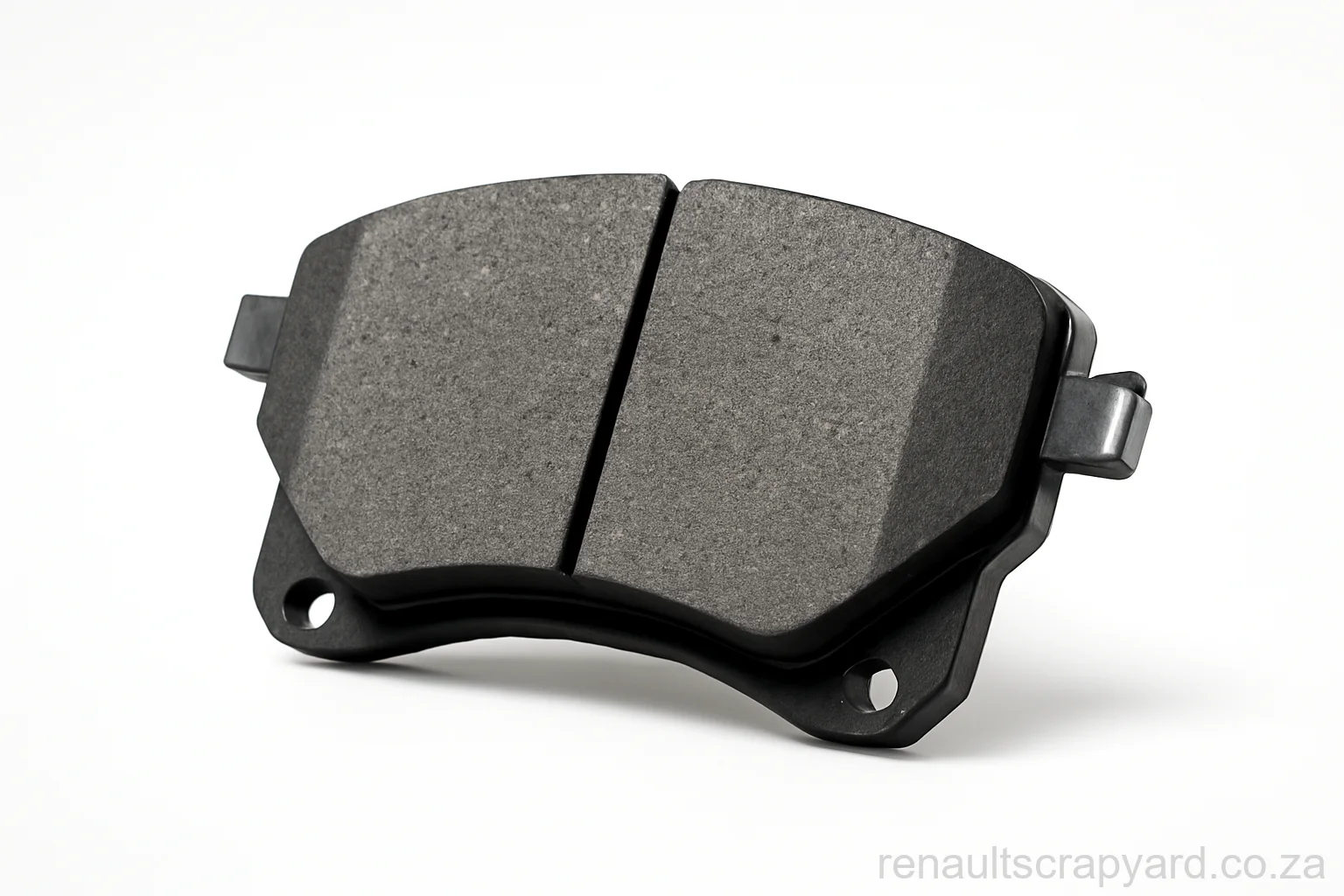
Hyundai Brake Pads for Sale in South Africa
Aftermarket components -- not produced by the original vehicle manufacturer
Hyundai Brake Pads by Model
Pick your Hyundai model below to see brake pads matched to your vehicle.
Part of our full range of Hyundai Brakes.

Hyundai i20
Fast MovingBrake Pads for i20 hatchback
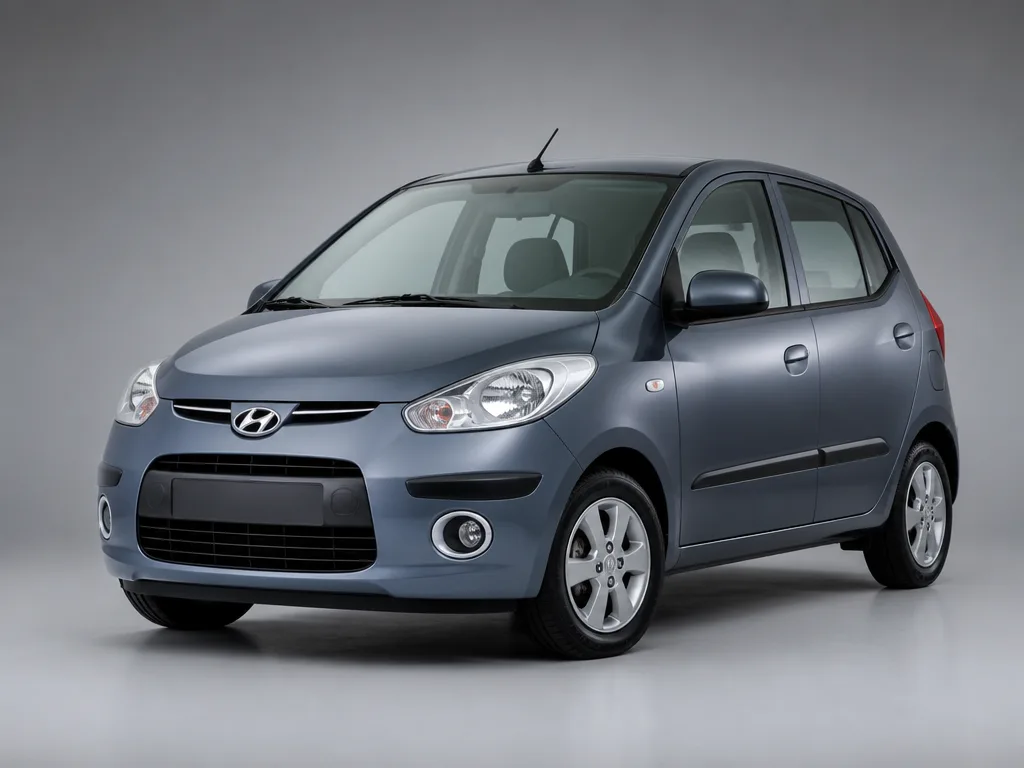
Hyundai i10
Fast MovingBrake Pads for i10 hatchback
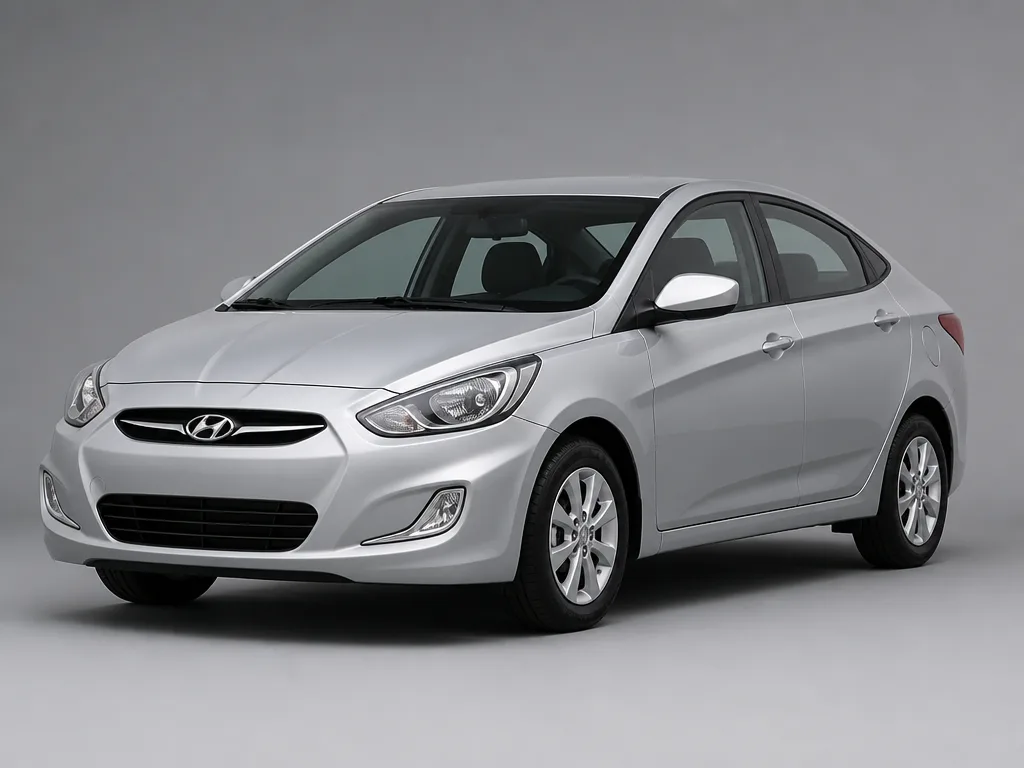
Hyundai Accent
Fast MovingBrake Pads for Accent sedan
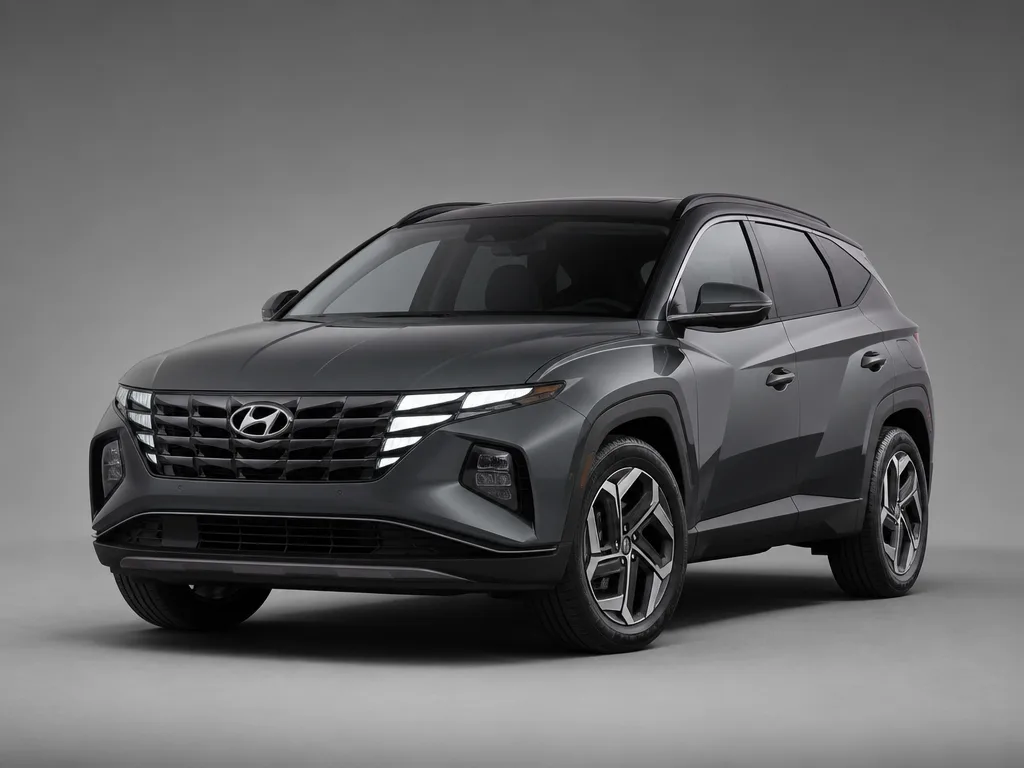
Hyundai Tucson
Fast MovingBrake Pads for Tucson suv
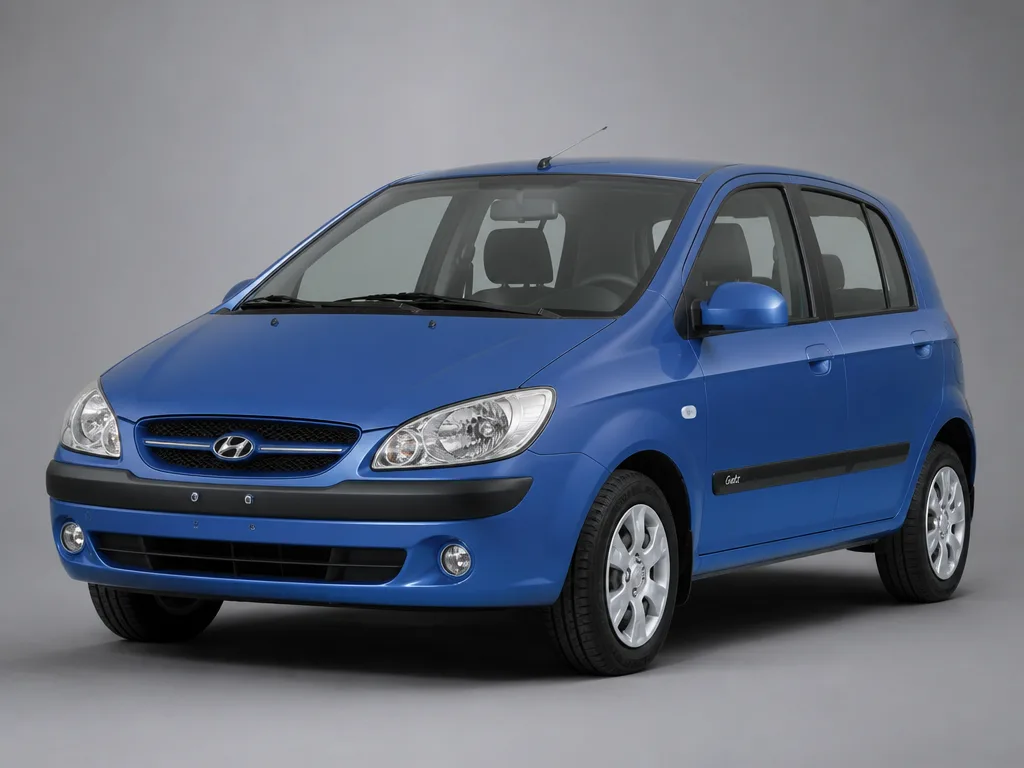
Hyundai Getz
Fast MovingBrake Pads for Getz hatchback
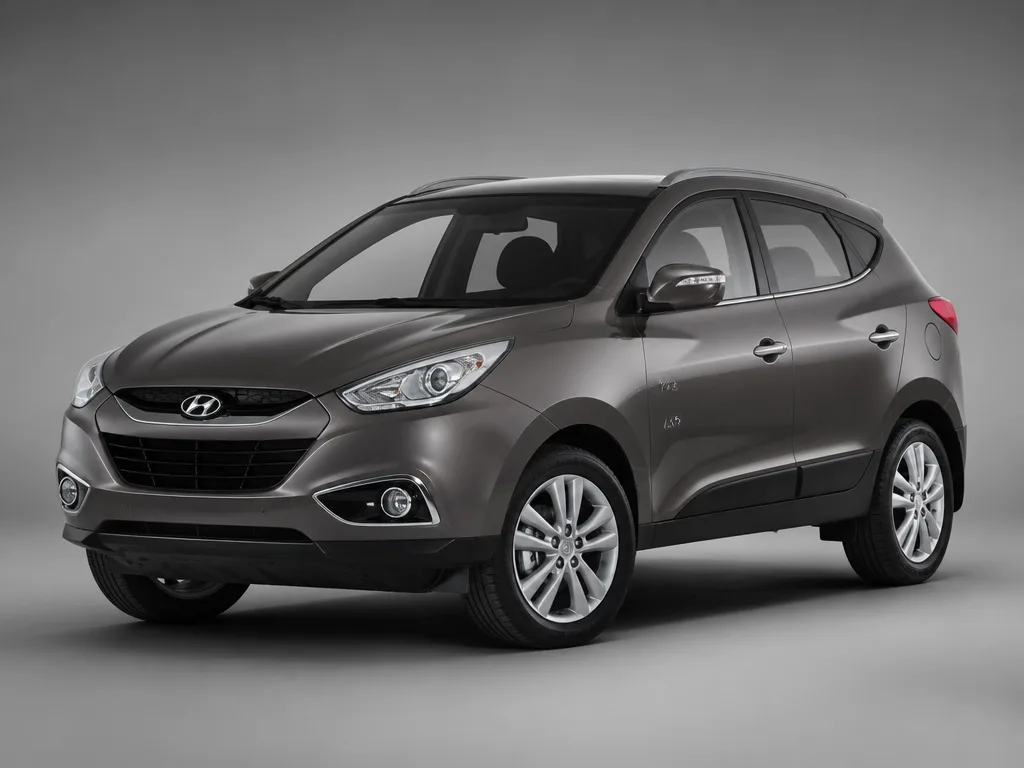
Hyundai ix35
Fast MovingBrake Pads for ix35 suv
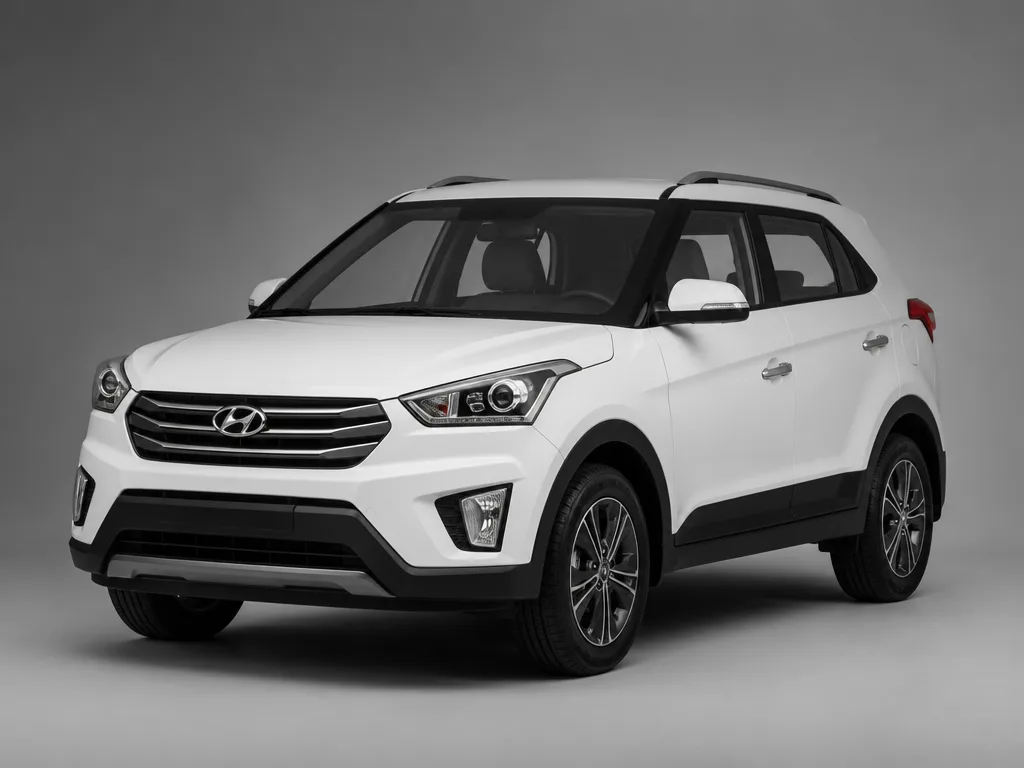
Hyundai Creta
Fast MovingBrake Pads for Creta suv

Hyundai Elantra
Fast MovingBrake Pads for Elantra sedan
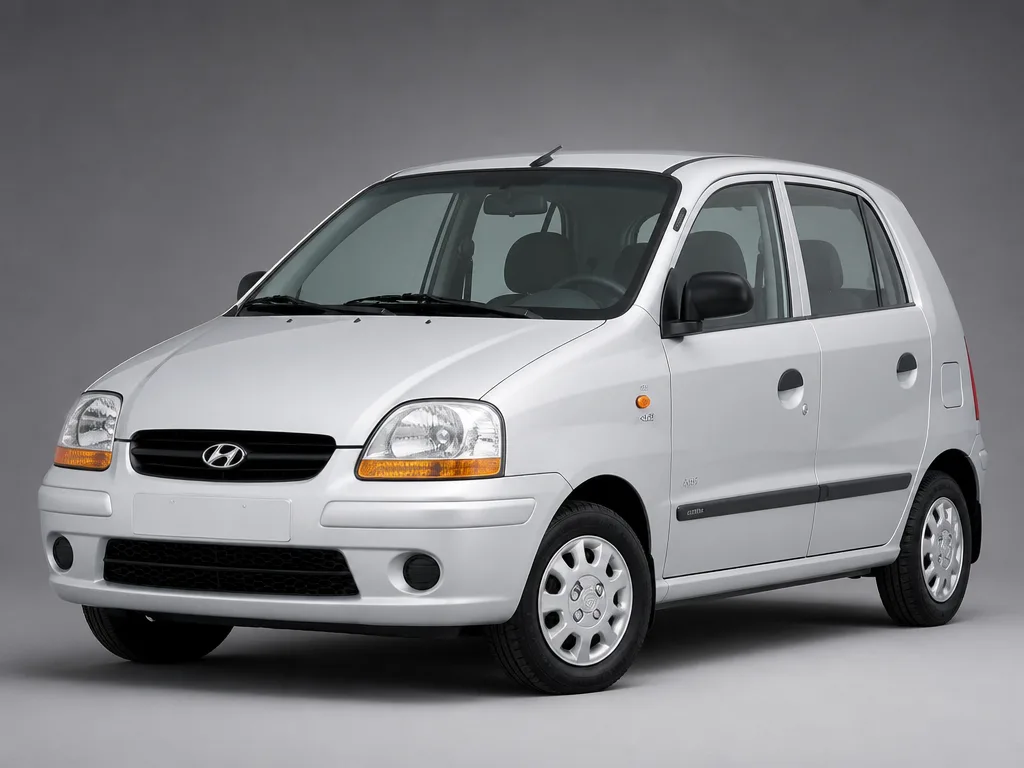
Hyundai Atos
In DemandBrake Pads for Atos hatchback
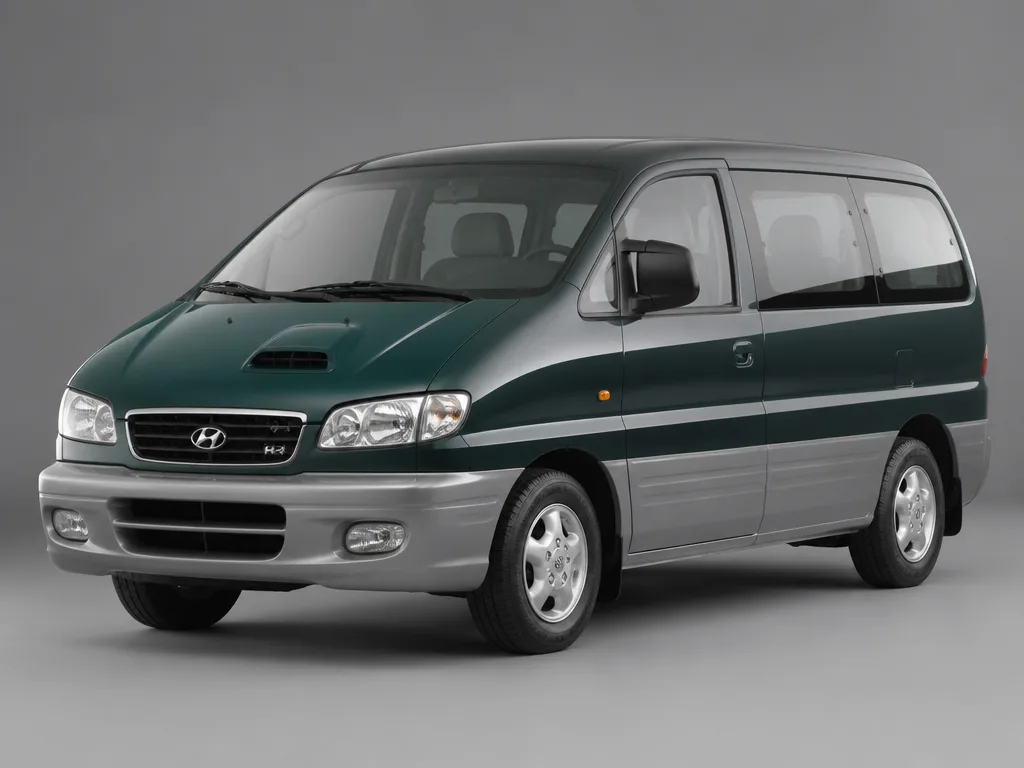
Hyundai H1
In DemandBrake Pads for H1 van
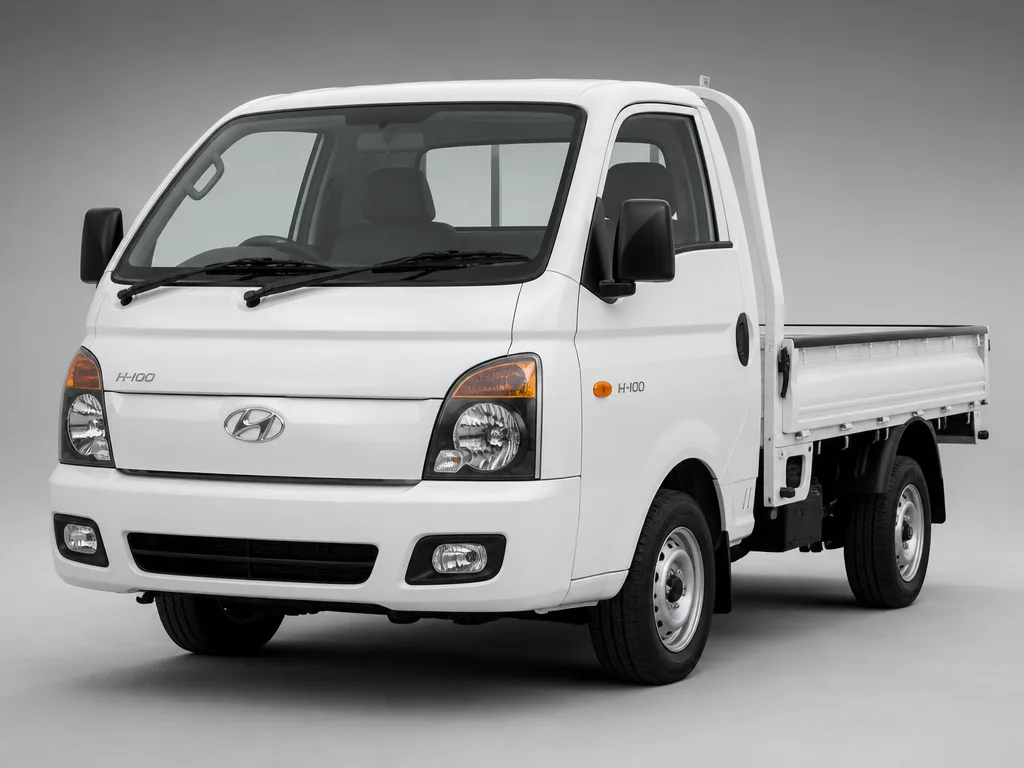
Hyundai H100
In DemandBrake Pads for H100 commercial
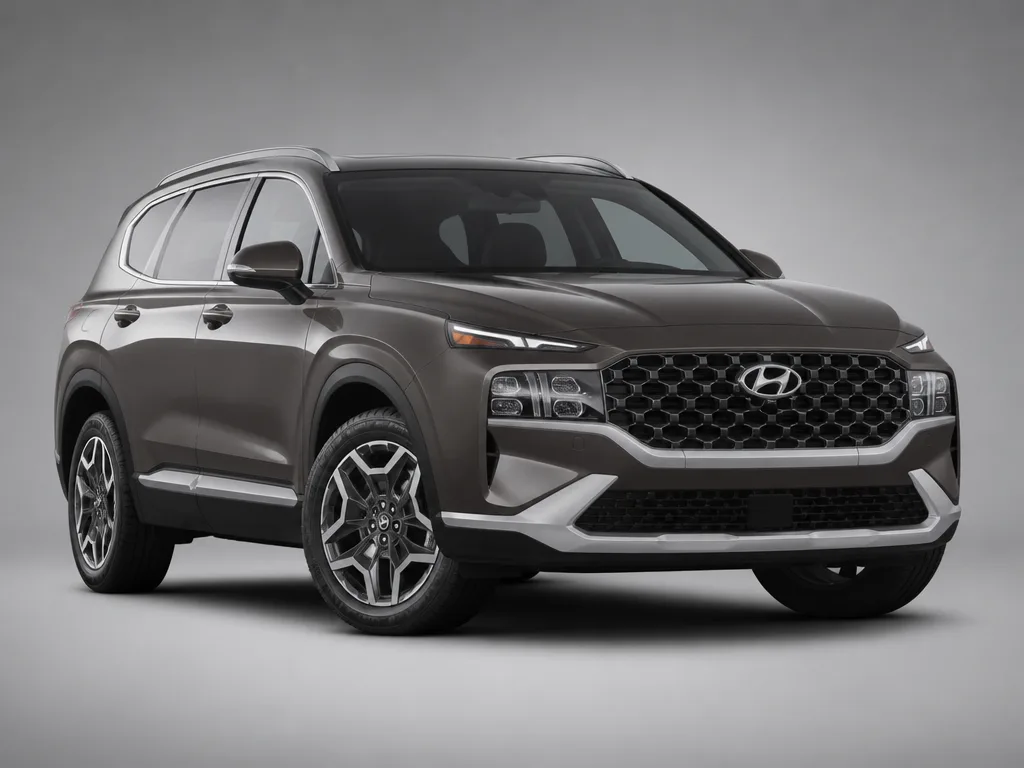
Hyundai Santa Fe
In DemandBrake Pads for Santa Fe suv
Displaying 12 of 20 Hyundai models
Buying brake pads for a Hyundai: what to settle first
Disc diameter on a Hyundai tracks the derivative rather than the model — a 1.6 and a turbo version of the same car frequently run different front brakes, and N Line derivatives differ again.
Practically, that means the choice in front of you is whether you need friction material only or the discs as well, which usually comes down to how much the current set has already been skimmed — and it cannot be answered from the model name alone.
Give us the derivative and whether the car has been fitted with non-standard wheels, which can rule out some caliper and disc combinations when you request a quote on brake pads. We would rather ask two questions up front than ship a part that has to come back.
What Are Brake Pads?
Brake pads are friction material components that press against the brake discs to slow down or stop your Hyundai. When you press the brake pedal, hydraulic pressure forces the brake pads against the rotating discs, creating the friction needed to reduce wheel speed. Hyundai models equipped with Gamma, T-GDi and CRDi engines typically use front and rear disc brakes with ceramic or semi-metallic brake pads designed to handle the demands of South African roads, from highway cruising to stop-start city traffic in Johannesburg and Cape Town.
Across South Africa, brake pads endure significant stress from our varied terrain, from coastal humidity to Highveld altitude and temperature extremes that can accelerate wear. Hyundai i20, Tucson, Creta and Santa Fe models require regular brake pad inspection as part of the manufacturer's service schedule. The U-line CRDi and CRDi diesel engines add extra vehicle weight, which can increase brake pad wear rates, especially when towing or carrying heavy loads on our long-distance routes. Quality brake pads are essential for maintaining optimal stopping power and protecting your brake discs from premature wear.
Signs You Need New Brake Pads
Related Parts Categories
Looking for something else? Browse related Hyundai parts categories.
Vented and solid brake discs that shrug off heat for steady Hyundai braking
Brake CalipersFront and rear caliper assemblies that clamp the pads on Hyundai brake systems
Brake LinesSteel lines and rubber hoses that carry hydraulic pressure through Hyundai brakes
Brake FluidDOT 3, DOT 4 and DOT 5 brake fluid grades for Hyundai hydraulic systems
Master CylinderMaster cylinder assemblies that generate hydraulic pressure for Hyundai brakes
Brake BoosterVacuum boosters that add pedal assistance to Hyundai power-brake systems
Brake DrumsRear brake drums for Hyundai models fitted with drum brake setups
Brake ShoesRear brake shoes for Hyundai drum brake systems
Available Across South Africa
We deliver brake pads to cities and towns across all 9 provinces.
Before You Order Hyundai Brake Pads
What decides which brake pads fits my Hyundai?
Disc diameter on a Hyundai tracks the derivative rather than the model — a 1.6 and a turbo version of the same car frequently run different front brakes, and N Line derivatives differ again. In practice the decision in front of you is whether you need friction material only or the discs as well, which usually comes down to how much the current set has already been skimmed.
What do you need from me to quote brake pads?
The derivative and whether the car has been fitted with non-standard wheels, which can rule out some caliper and disc combinations. With that we can usually confirm the right part the same day, and we will tell you whether we are quoting new, aftermarket or good used stock rather than leaving you to guess.
How much do Hyundai brake pads cost in South Africa?
Hyundai brake pad sets range from R800-R1,900 per axle depending on your model and pad quality. Front brake pads for a Hyundai i20 or Tucson typically cost R950-R1,450, while larger models like the Creta and Santa Fe range from R1,250-R1,900. Premium ceramic pads cost more but offer longer life and reduced brake dust, making them worthwhile for high-mileage South African drivers.
How often should I replace brake pads on my Hyundai?
Hyundai recommends inspecting brake pads every 15,000 km and typically replacing them between 30,000-60,000 km depending on driving conditions. South African drivers in mountainous areas like Mpumalanga or who frequently drive in heavy urban traffic may need replacement sooner. CRDi and U-line CRDi diesel models may experience faster wear due to increased vehicle weight, so regular inspection during services is essential.
Can I replace just the front or rear brake pads on my Hyundai?
Yes, you can replace brake pads per axle as front pads typically wear faster than rear pads due to forward weight transfer during braking. However, always replace both left and right pads simultaneously to ensure even braking performance. For Hyundai models with T-GDi and Gamma engines, front pads usually need replacement 1.5-2 times more frequently than rear pads under normal the demands of South African roads.
What is the difference between ceramic and semi-metallic brake pads for Hyundai?
Ceramic brake pads produce less dust, operate quietly and last longer, making them ideal for Hyundai models used primarily for highway and suburban driving. Semi-metallic pads offer better heat dissipation and stopping power under heavy braking, suited to mountainous terrain or spirited driving, though they wear discs faster and create more brake dust. Both types are suitable for South African conditions and cost between R800-R1,900 per axle set.
Do I need to replace brake discs when changing Hyundai brake pads?
Not necessarily—brake discs should be measured for thickness and inspected for scoring or warping during pad replacement. If discs are within manufacturer specifications (typically minimum 22-28mm depending on model) and the surface is smooth, you can install new pads on existing discs. However, if discs show deep grooves or have reached minimum thickness, replacement is crucial for safety and typically costs R1,450-R3,500 per axle for Hyundai models in South Africa.
Learn More About Brake Pads
Official Hyundai service intervals and maintenance guidelines for South African models
Comprehensive brake maintenance and safety information from the Automobile Association
Technical overview of disc brake systems and brake pad materials
Send us the VIN — we will find the brake pads
The derivative and whether the car has been fitted with non-standard wheels, which can rule out some caliper and disc combinations is all we need. Our Hyundai desk cross-references it against stock and comes back with what fits.