

Hyundai Brakes — Trusted Spares Delivered Nationwide
Aftermarket components -- not produced by the original vehicle manufacturer
Narrow Down Your Brakes
Select the specific type of brakes your Hyundai requires.
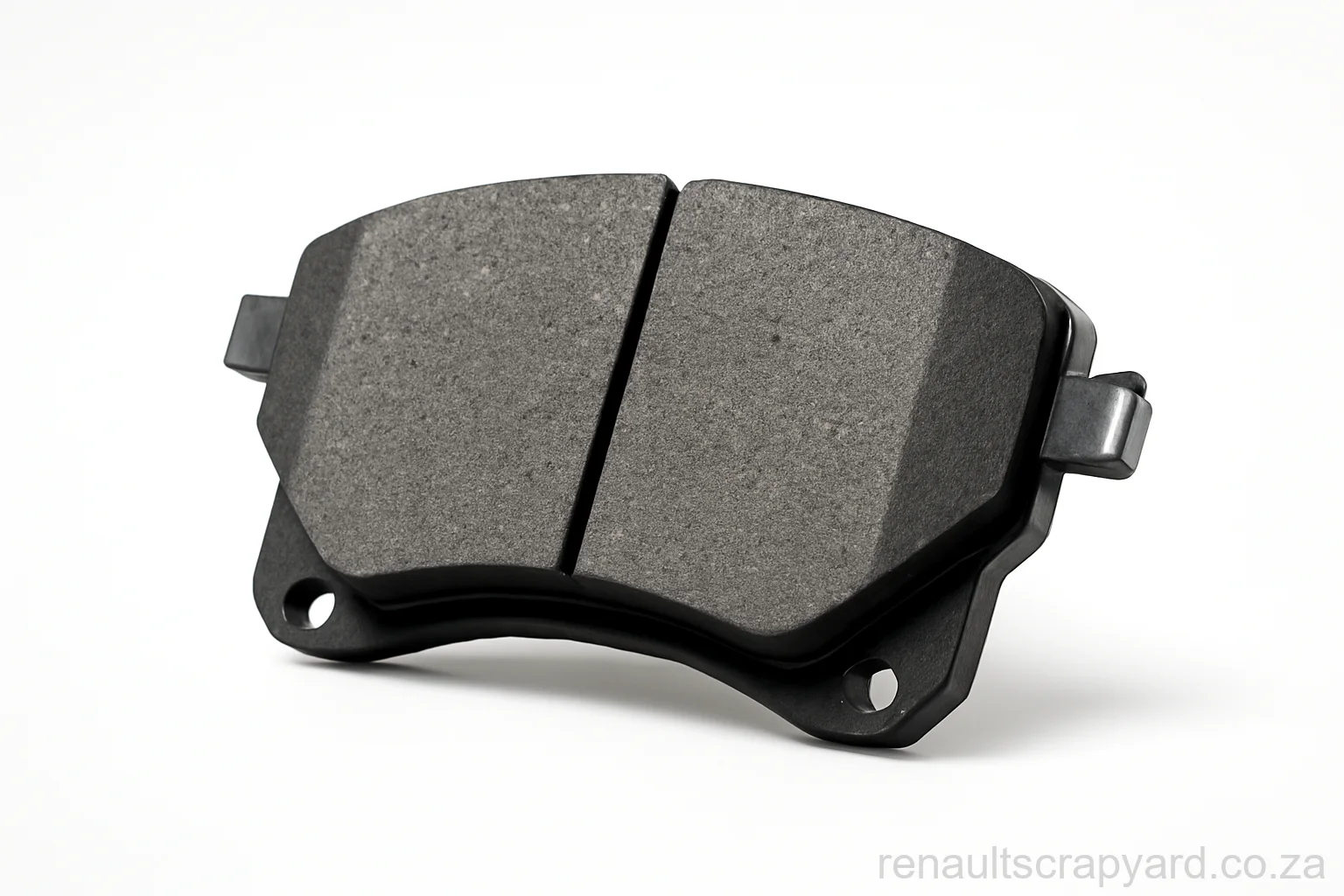
Brake Pads
Fast MovingFront and rear brake pads that deliver dependable stopping power on Hyundai vehicles
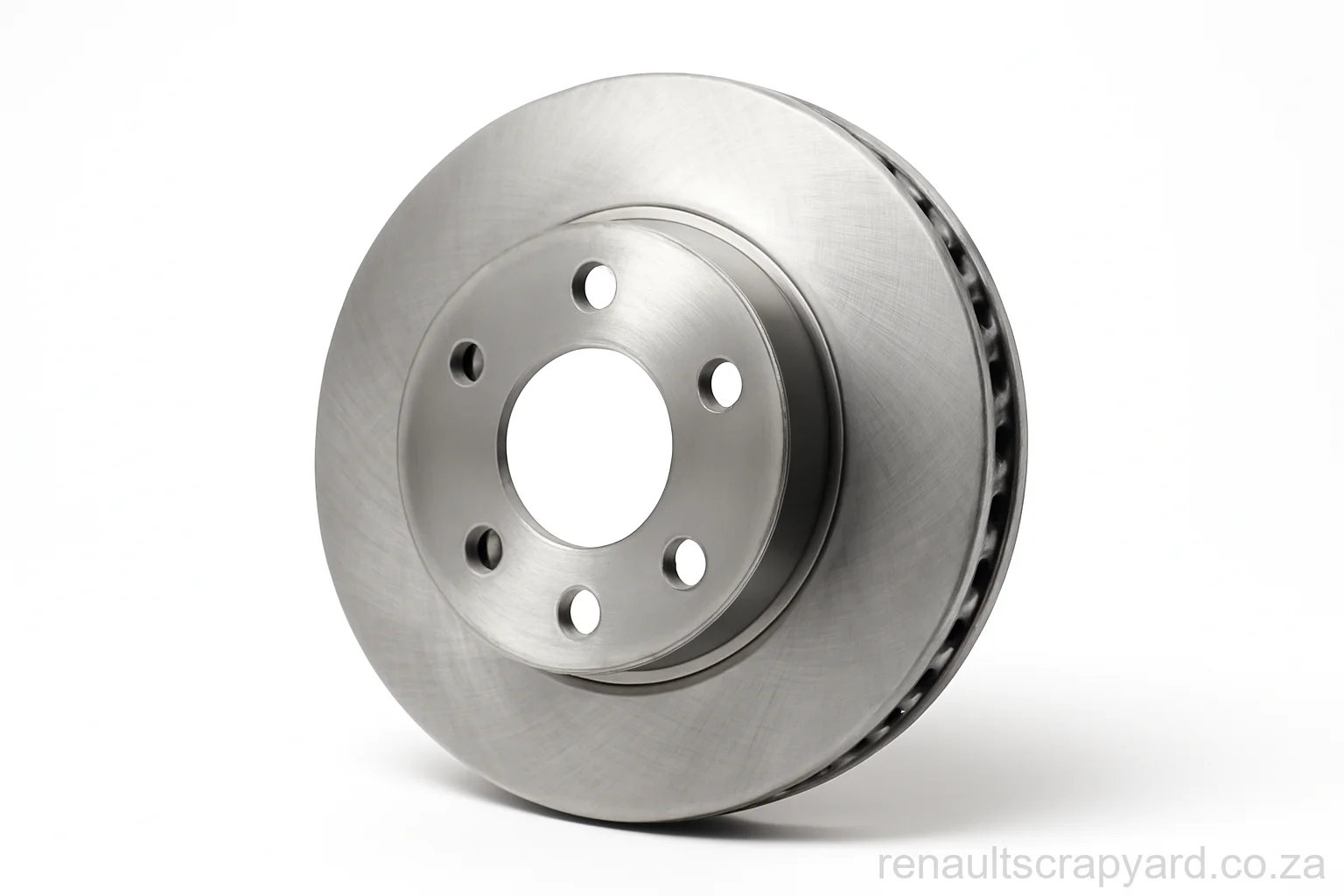
Brake Rotors
Fast MovingVented and solid brake discs that shrug off heat for steady Hyundai braking

Brake Calipers
Fast MovingFront and rear caliper assemblies that clamp the pads on Hyundai brake systems
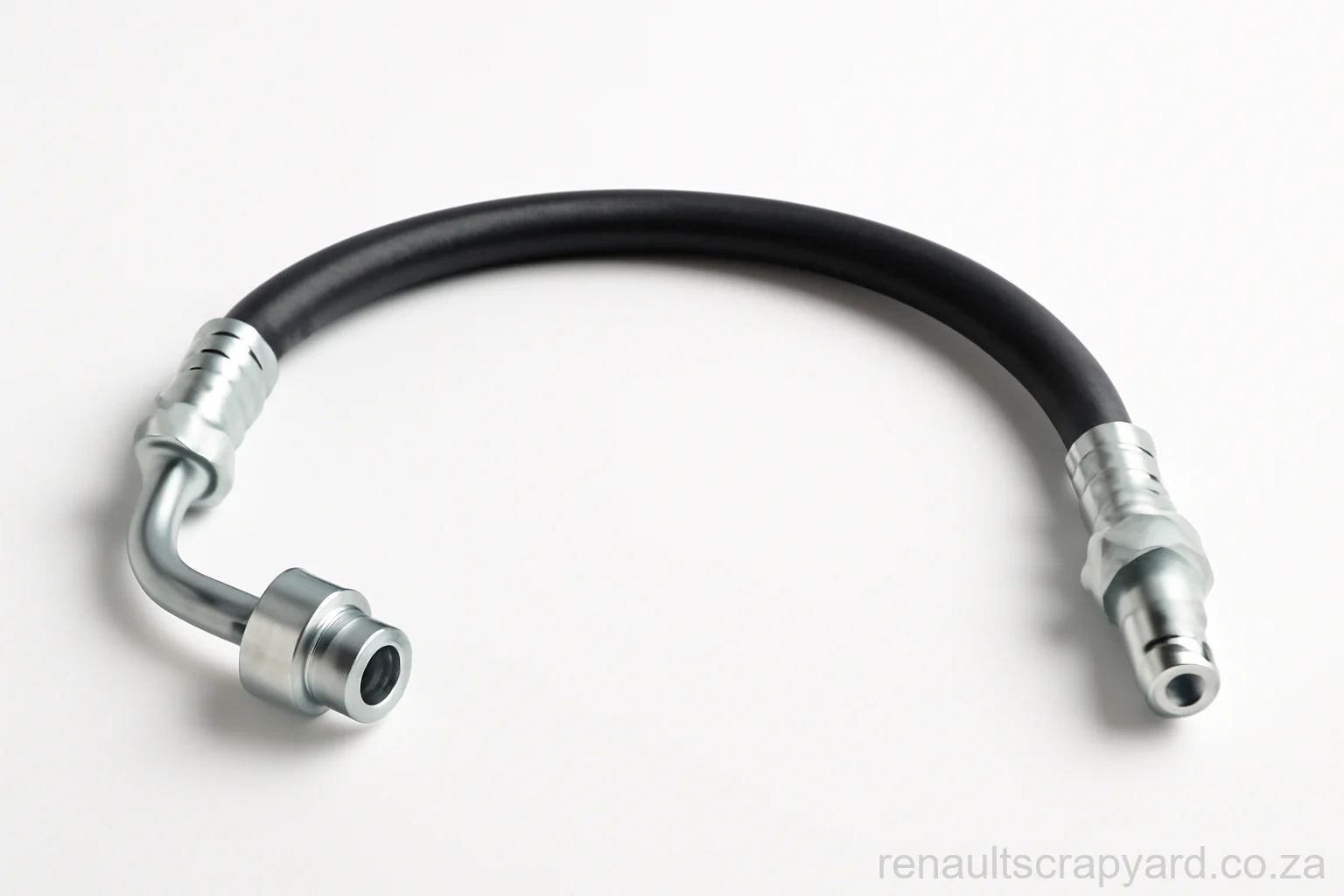
Brake Lines
In DemandSteel lines and rubber hoses that carry hydraulic pressure through Hyundai brakes
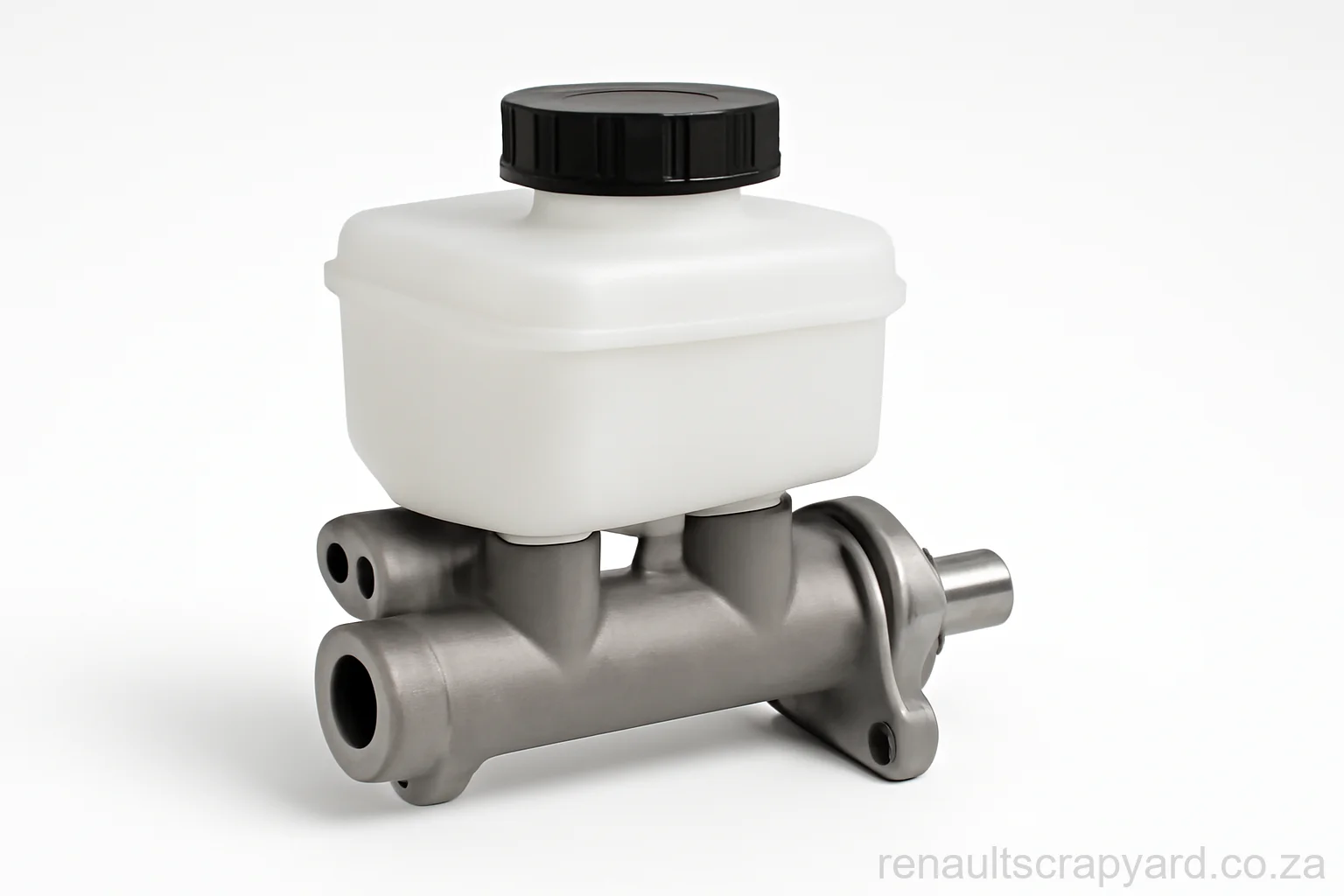
Brake Fluid
In DemandDOT 3, DOT 4 and DOT 5 brake fluid grades for Hyundai hydraulic systems
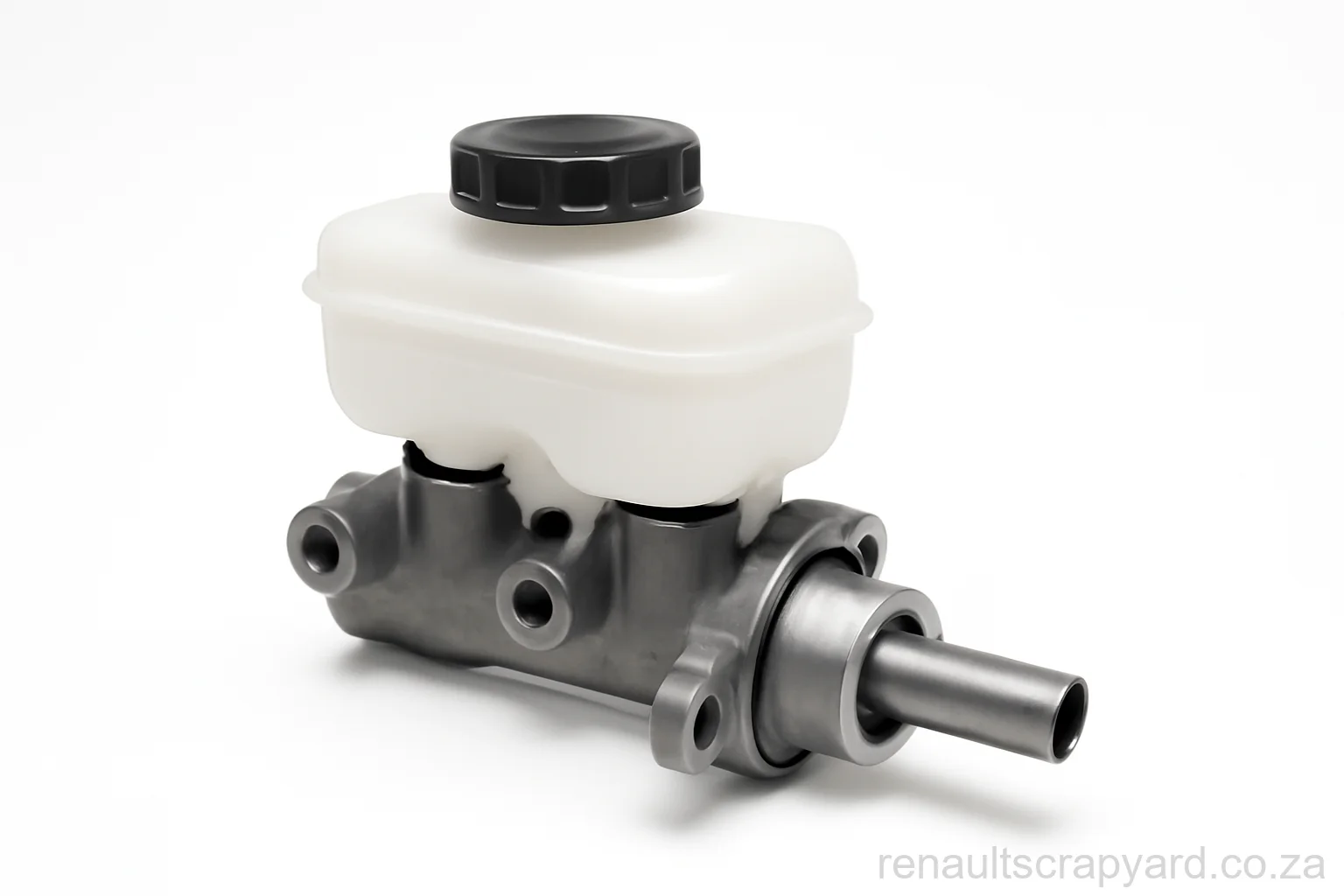
Master Cylinder
In DemandMaster cylinder assemblies that generate hydraulic pressure for Hyundai brakes
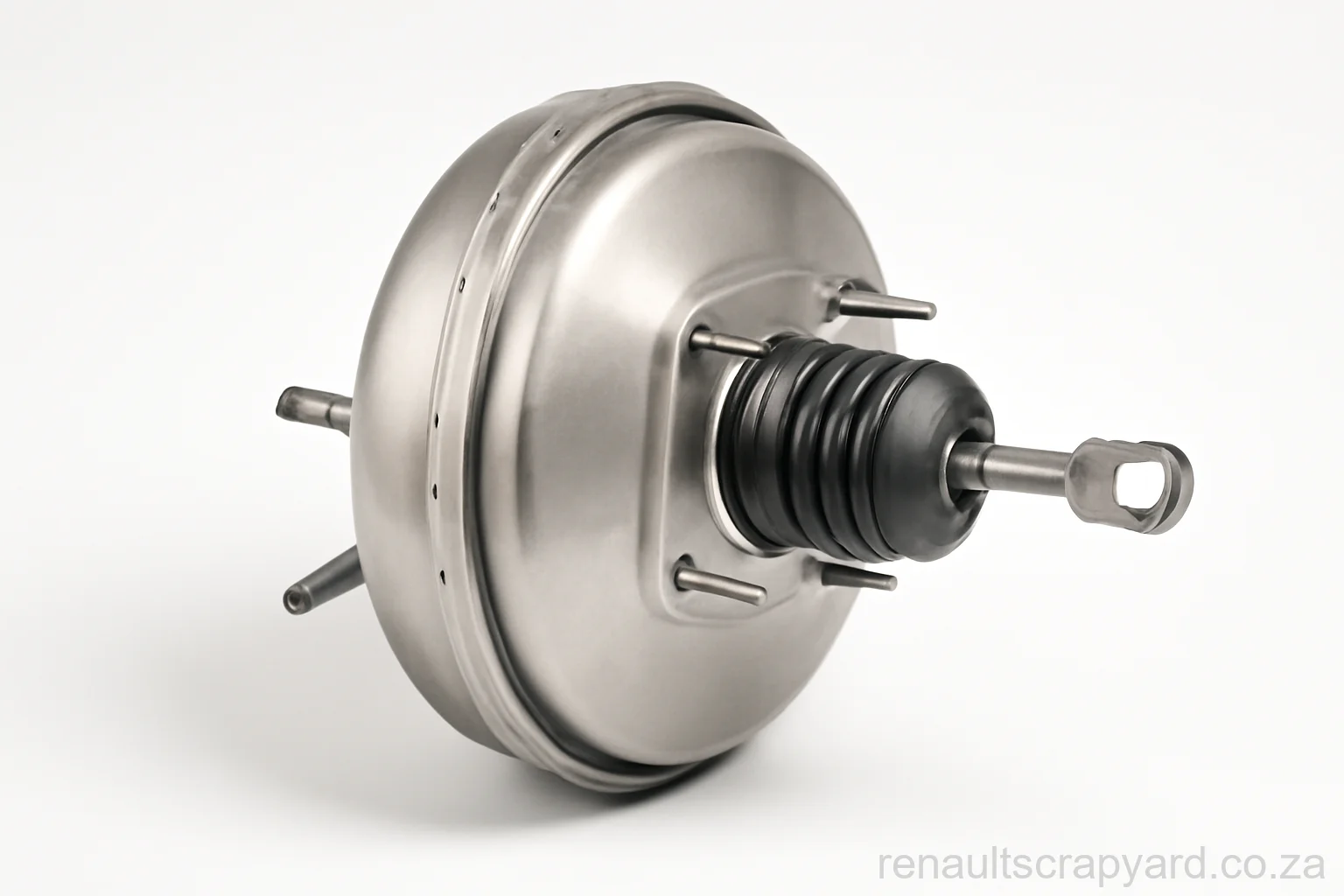
Brake Booster
In DemandVacuum boosters that add pedal assistance to Hyundai power-brake systems
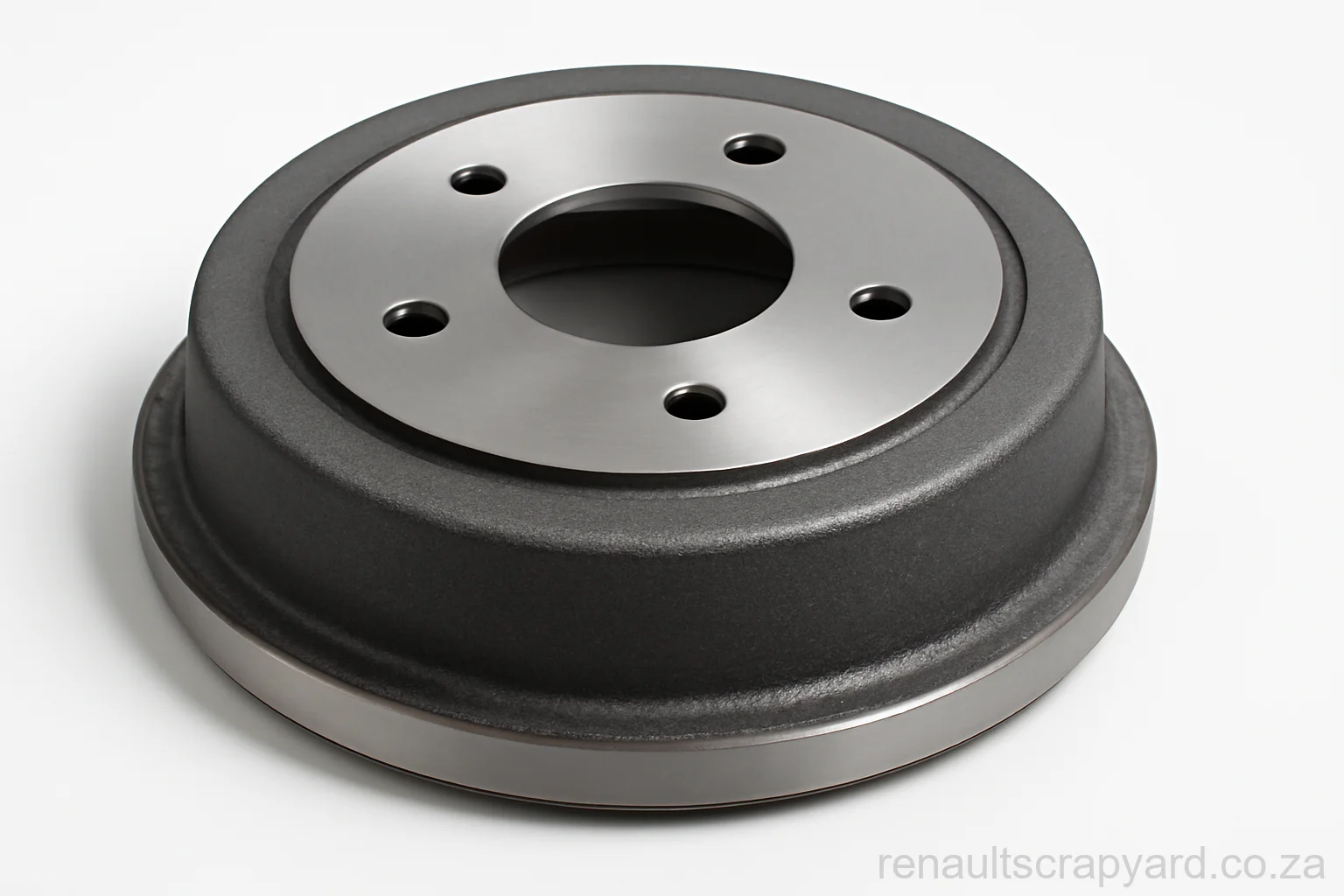
Brake Drums
In DemandRear brake drums for Hyundai models fitted with drum brake setups
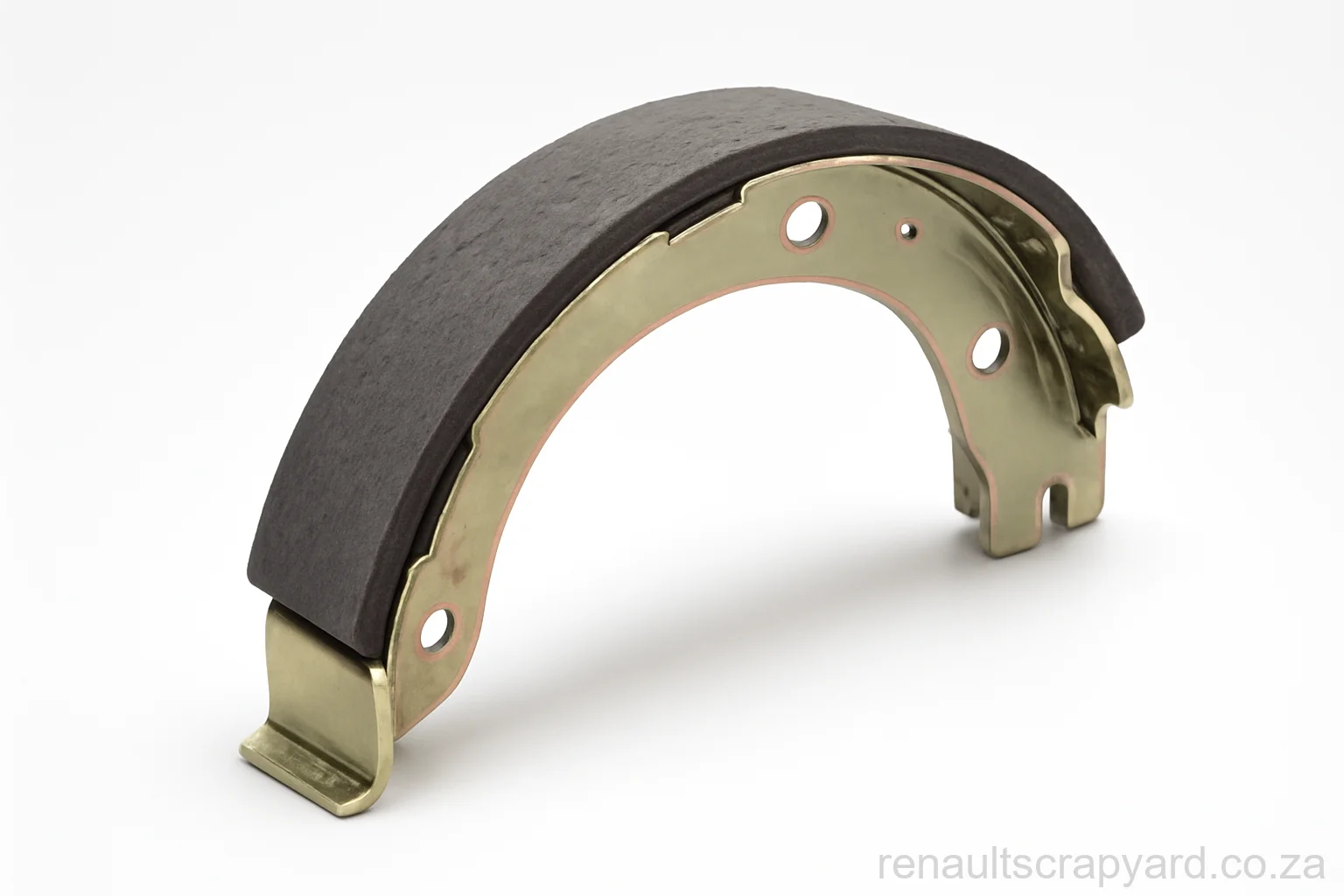
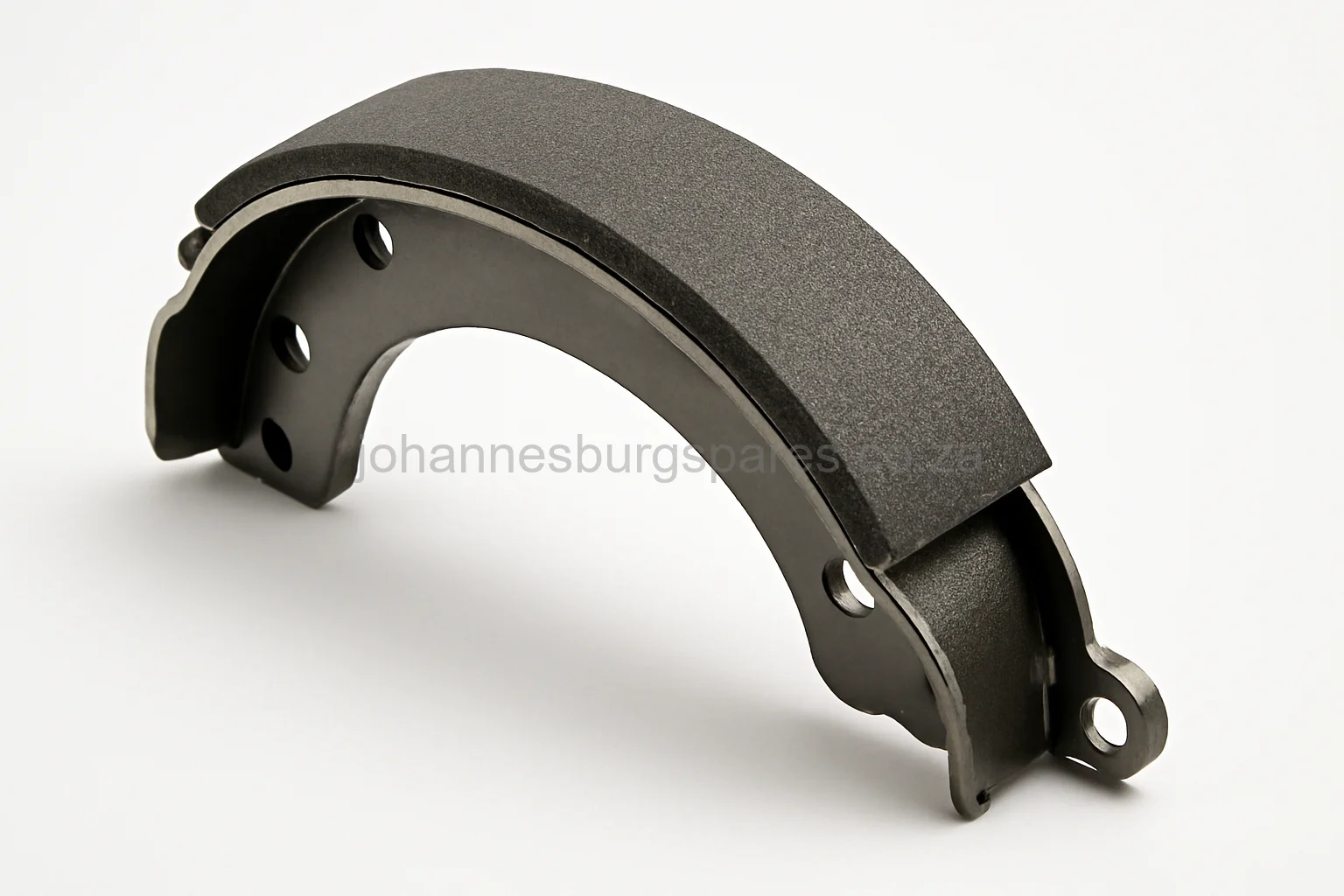
Brake Shoes
In DemandRear brake shoes for Hyundai drum brake systems
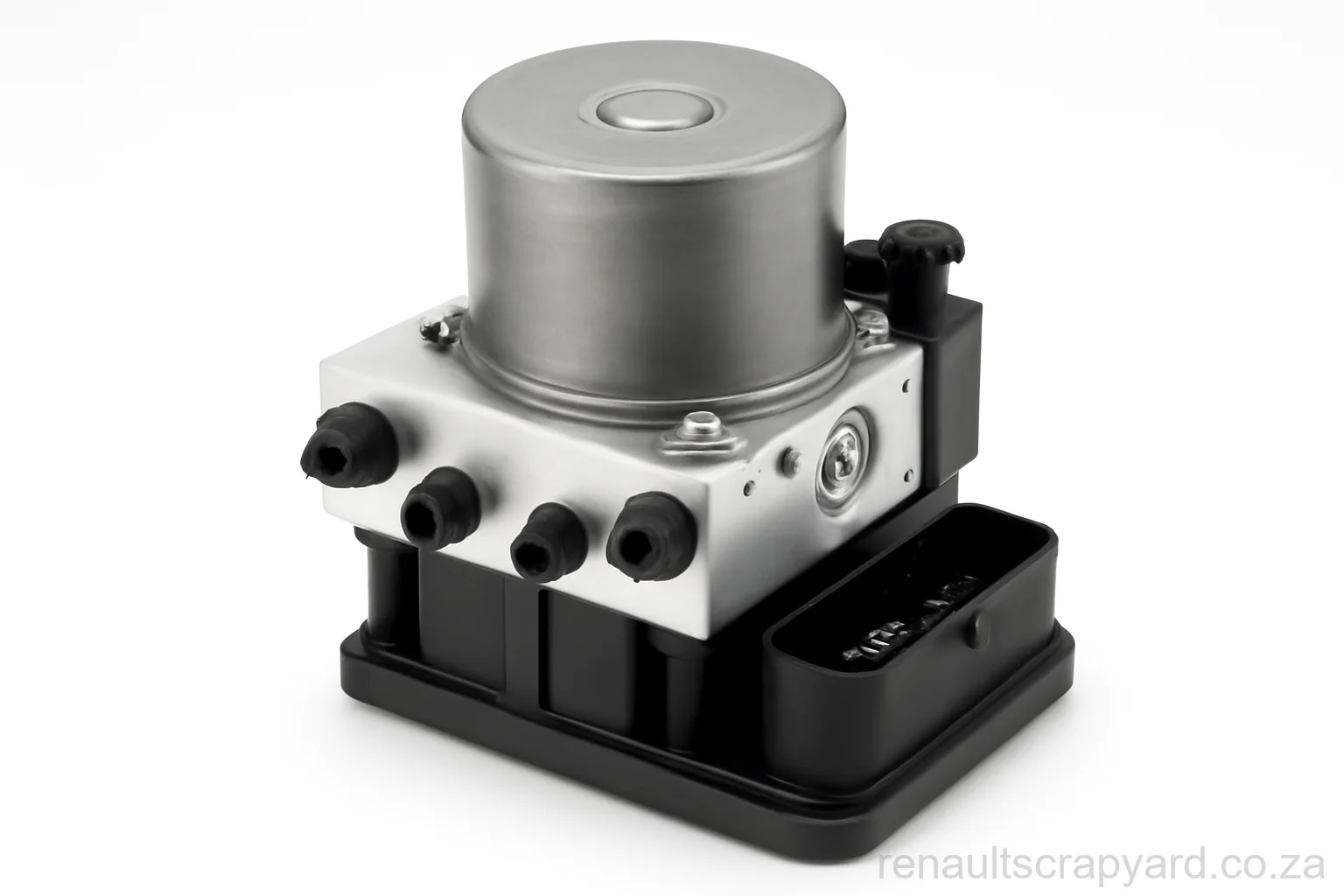
ABS Module
StockedAnti-lock braking modules and wheel-speed sensors for Hyundai safety systems
Choose Your Hyundai Model
Jump straight to brakes for your specific Hyundai

Hyundai i20
Brakes
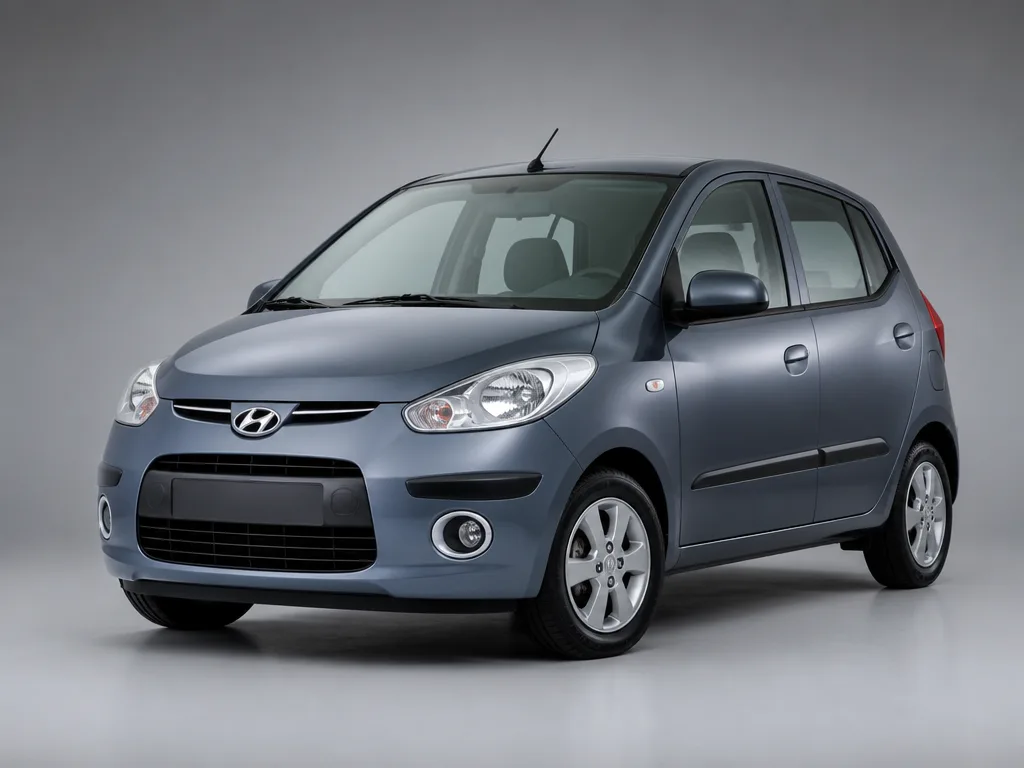
Hyundai i10
Brakes
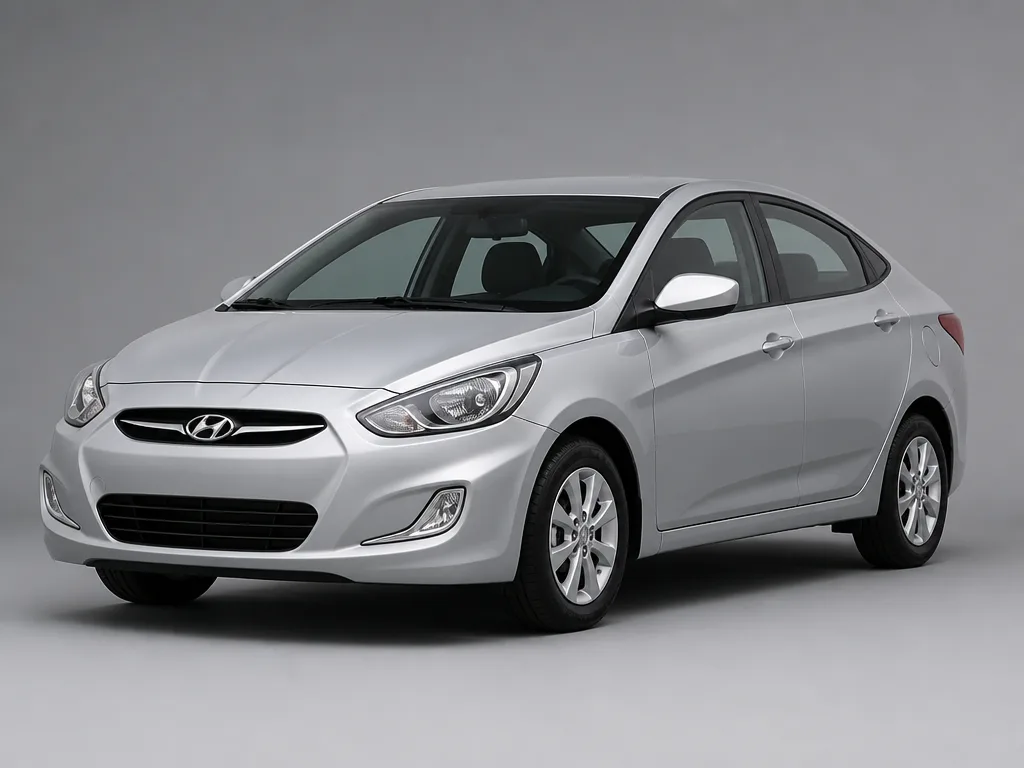
Hyundai Accent
Brakes
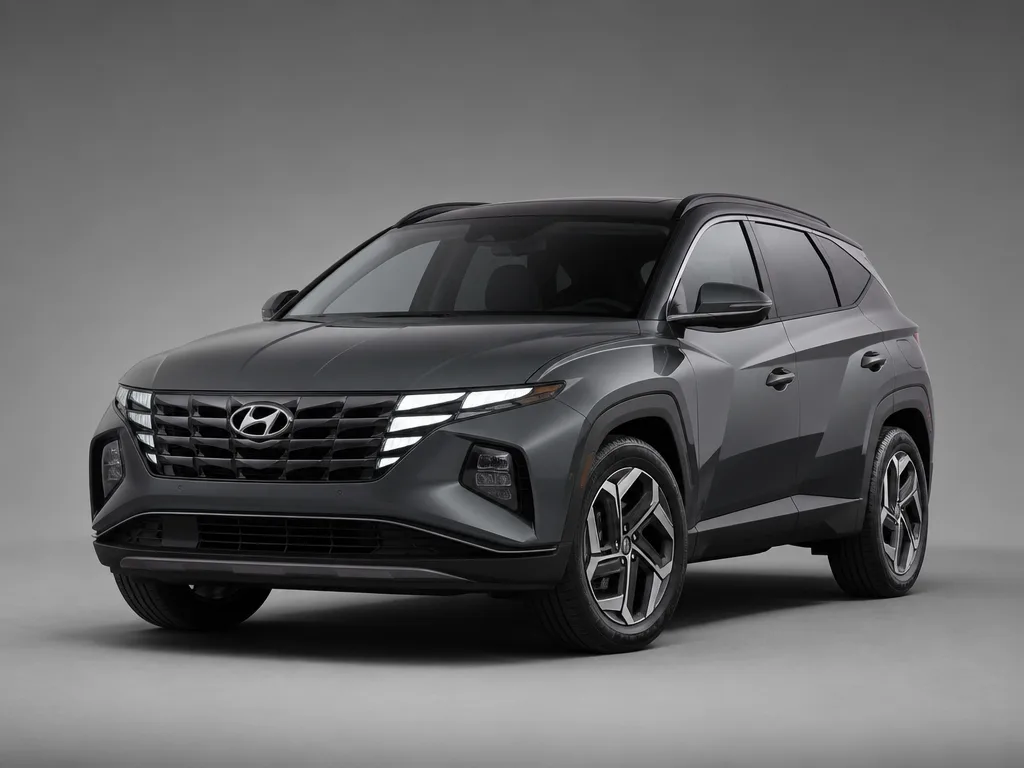
Hyundai Tucson
Brakes
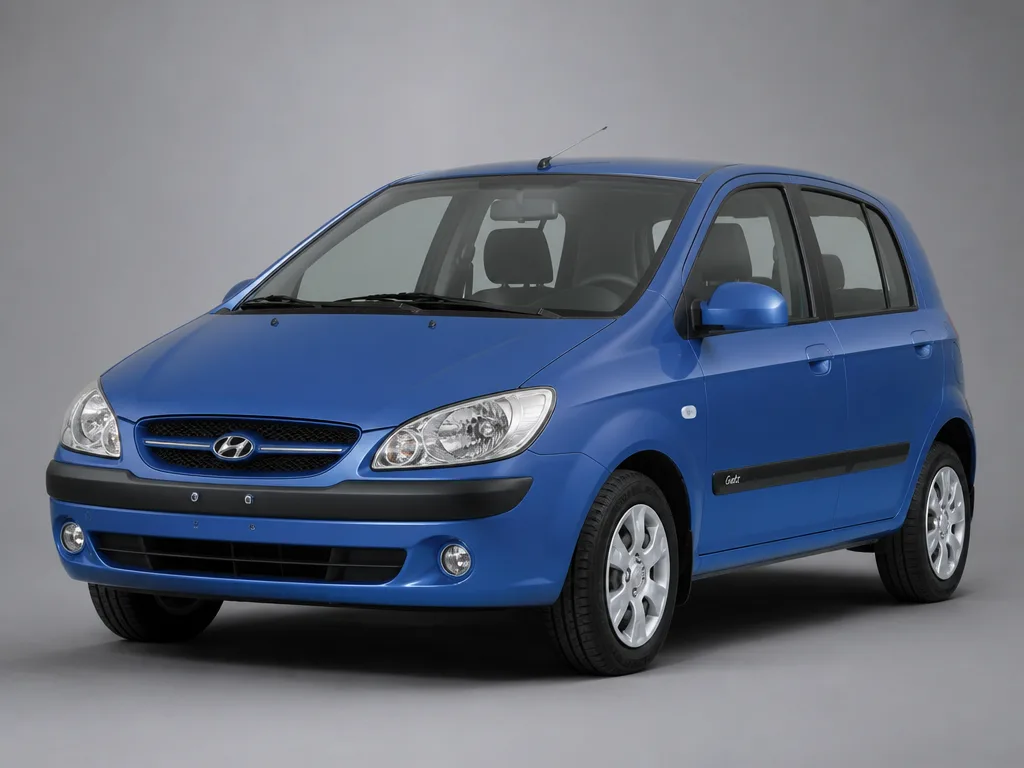
Hyundai Getz
Brakes
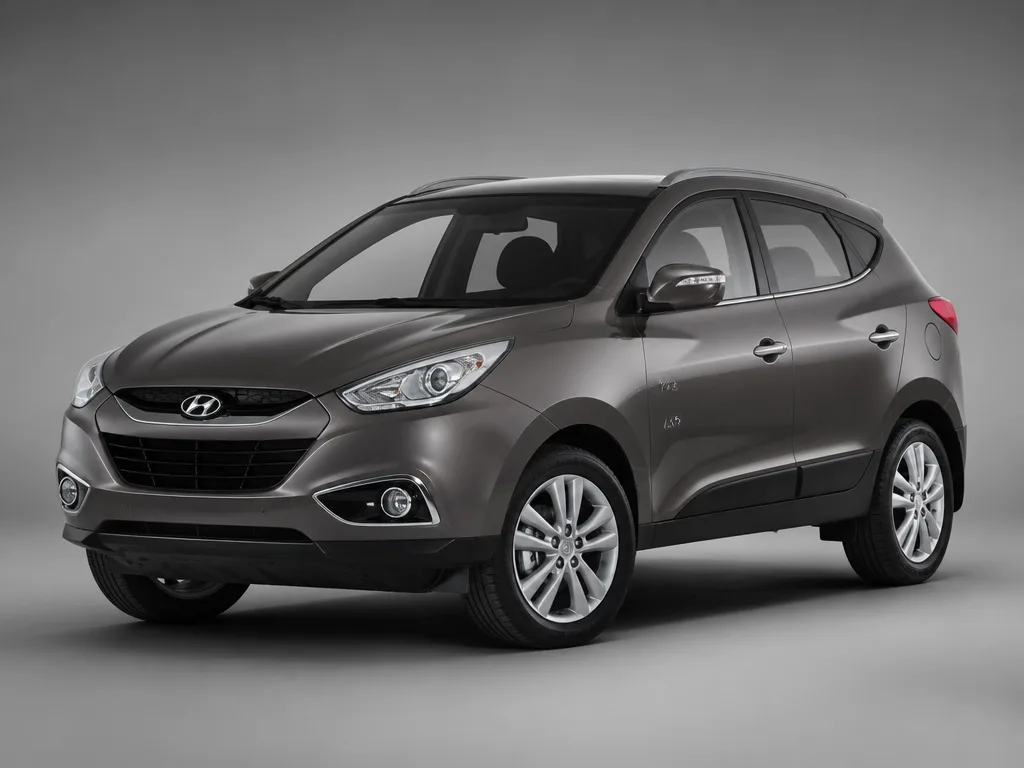
Hyundai ix35
Brakes

Hyundai Creta
Brakes

Hyundai Elantra
Brakes
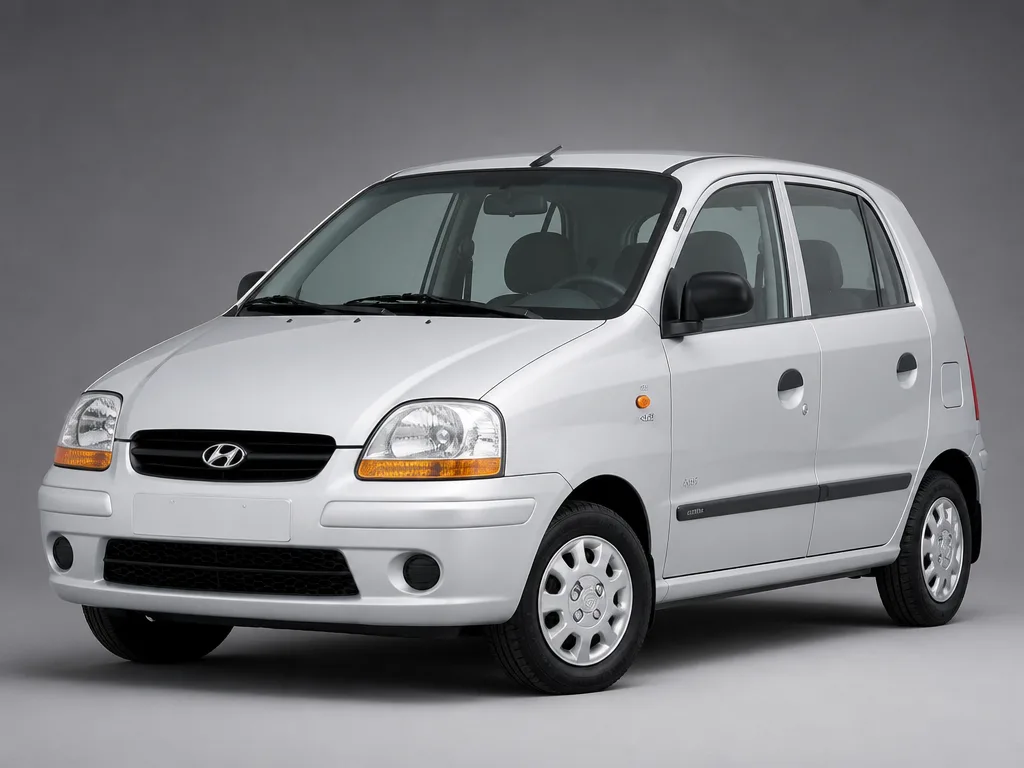
Hyundai Atos
Brakes
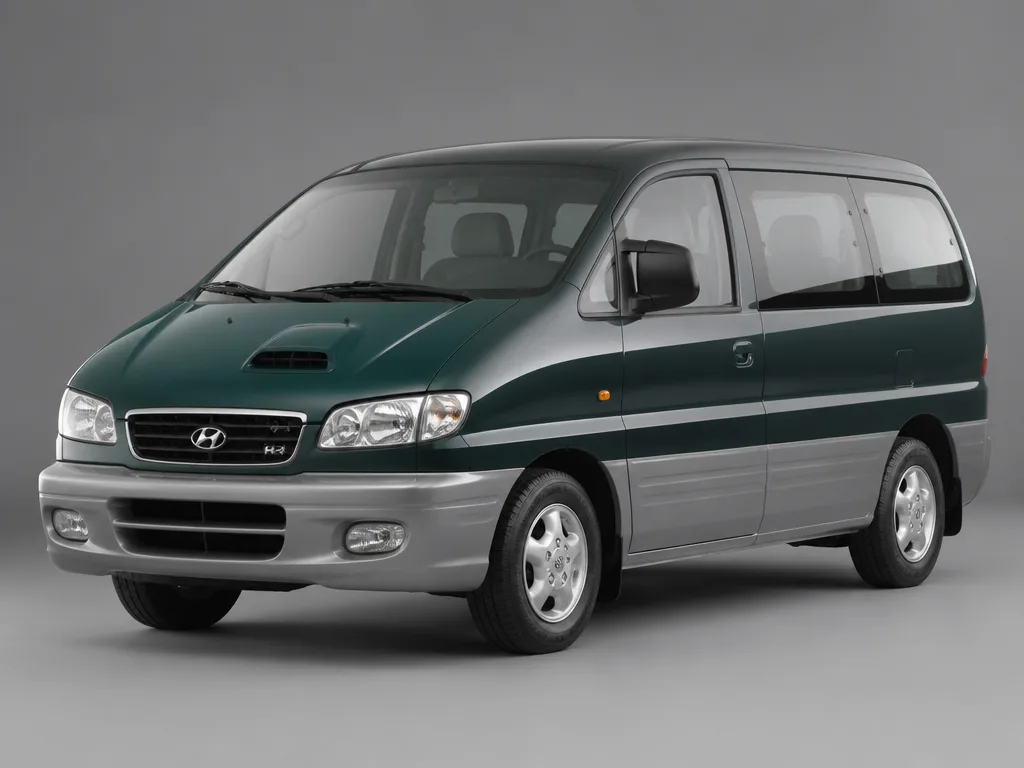
Hyundai H1
Brakes
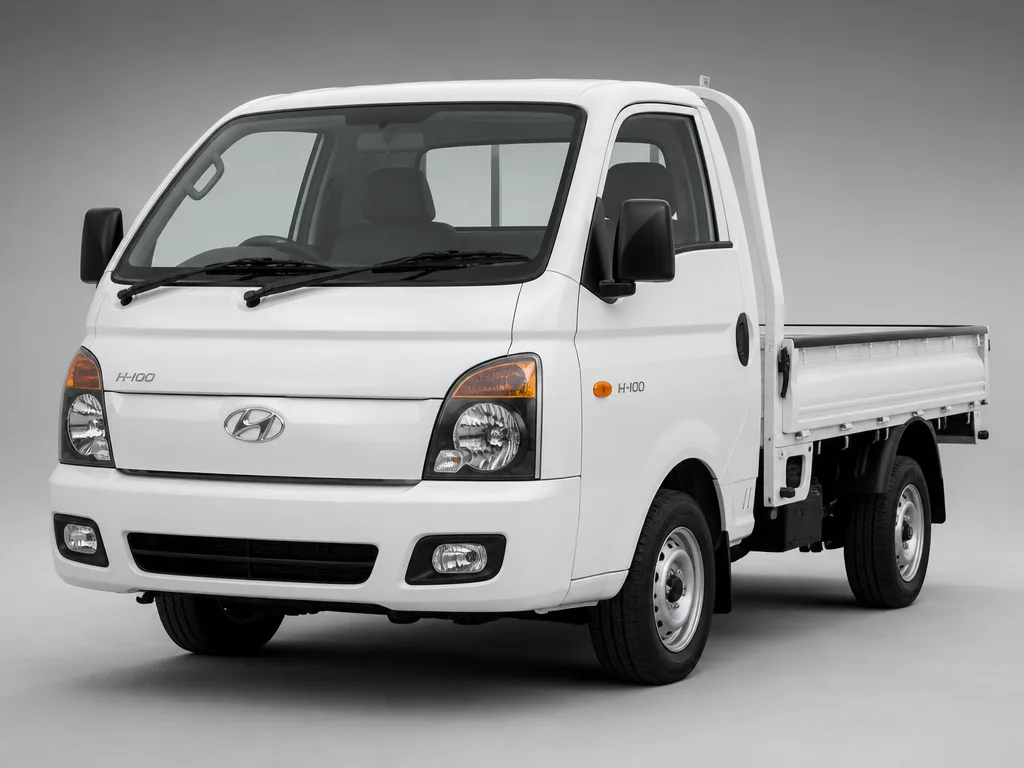
Hyundai H100
Brakes
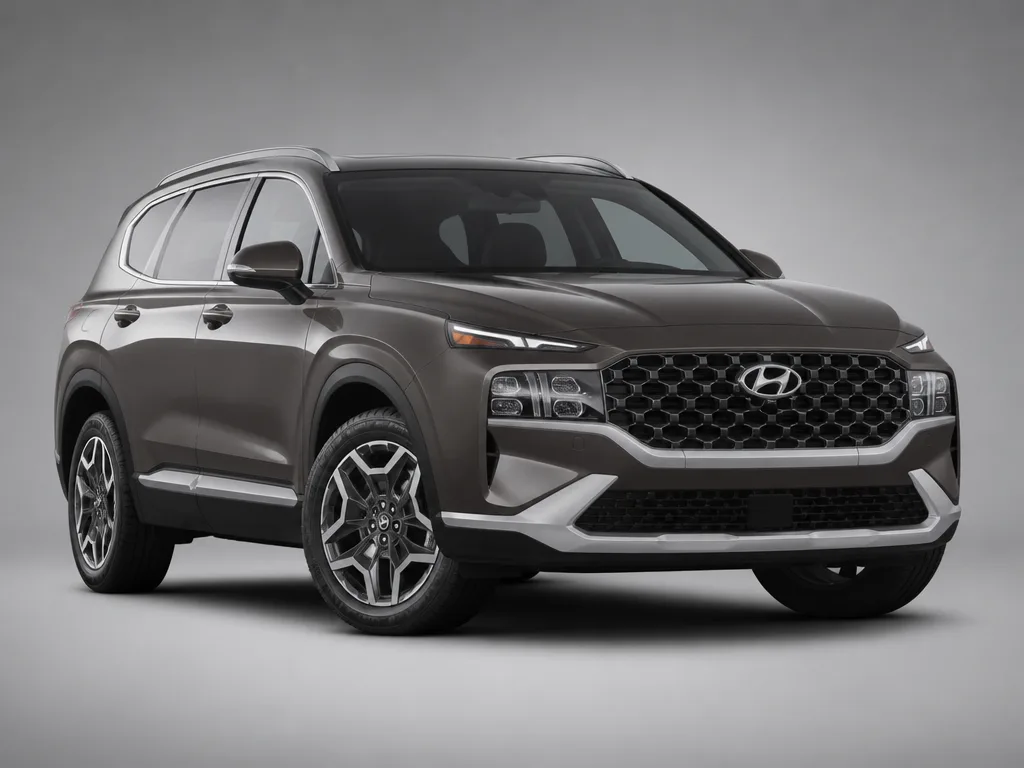
Hyundai Santa Fe
Brakes
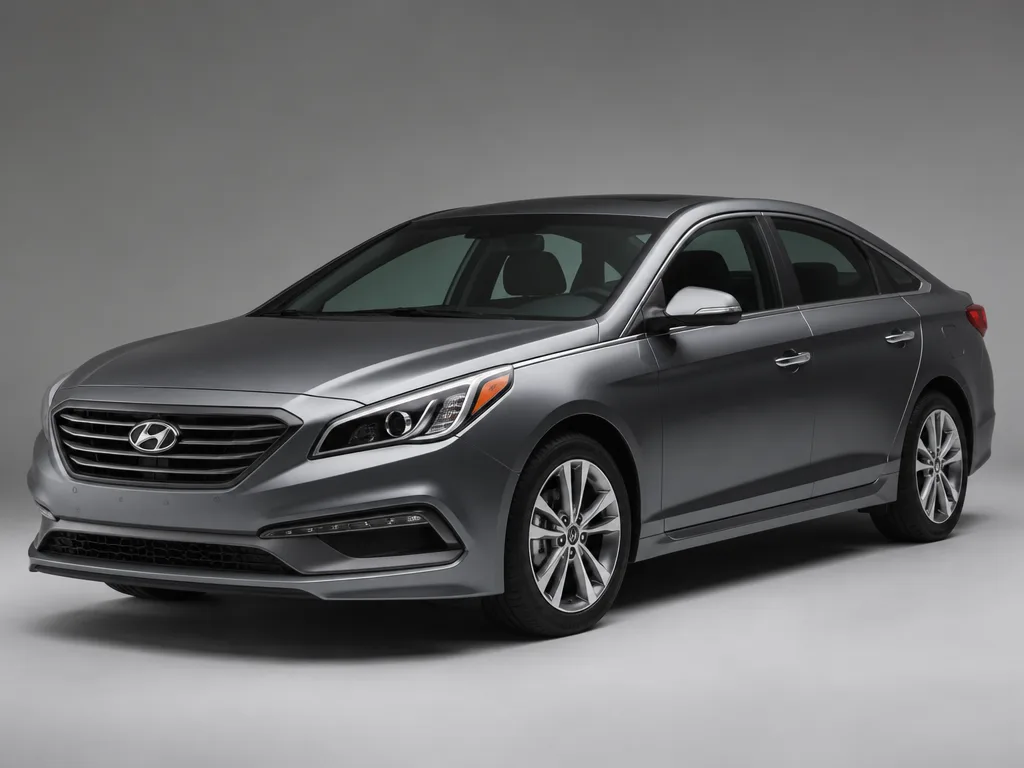
Hyundai Sonata
Brakes
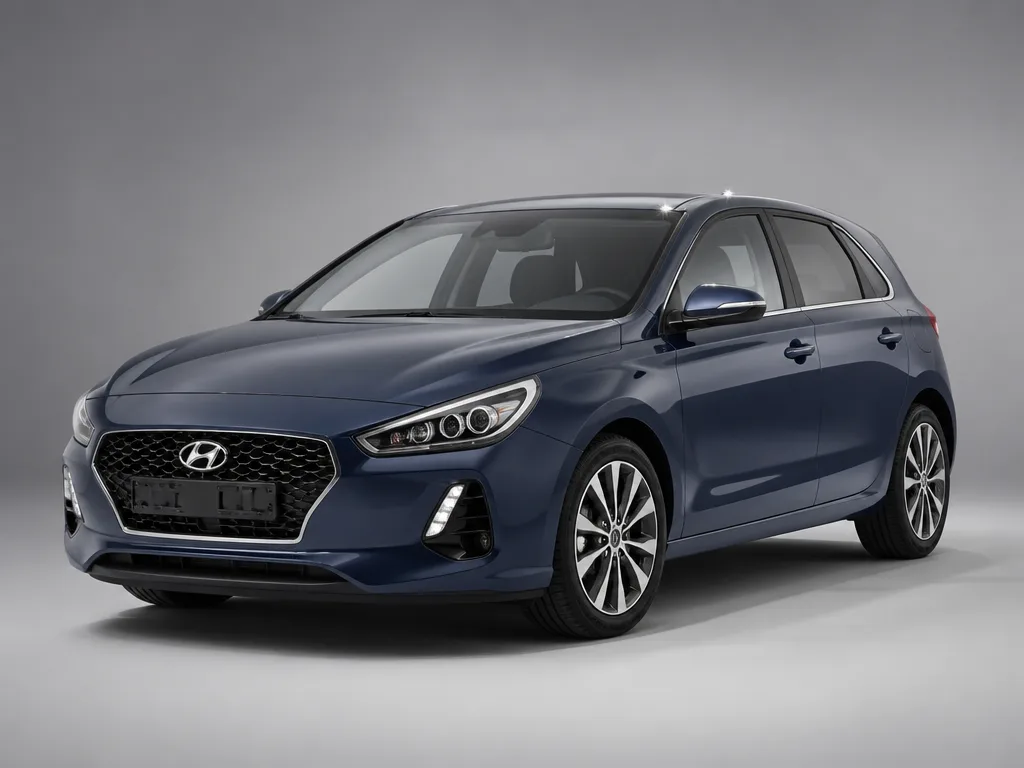
Hyundai i30
Brakes
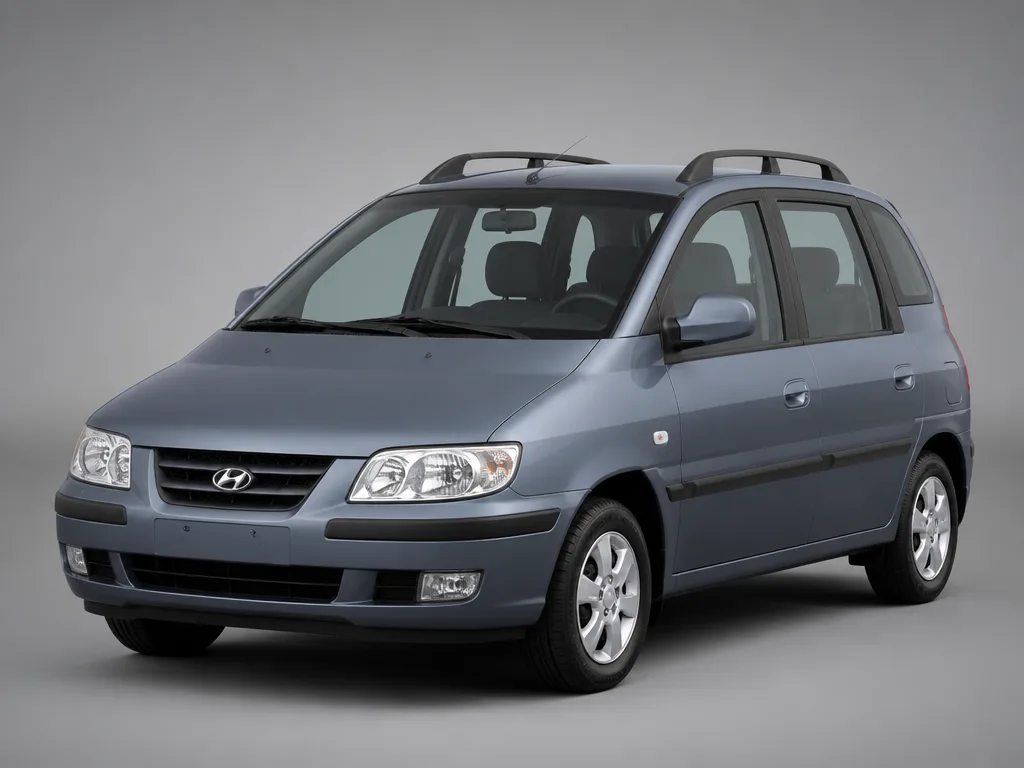
Hyundai Matrix
Brakes
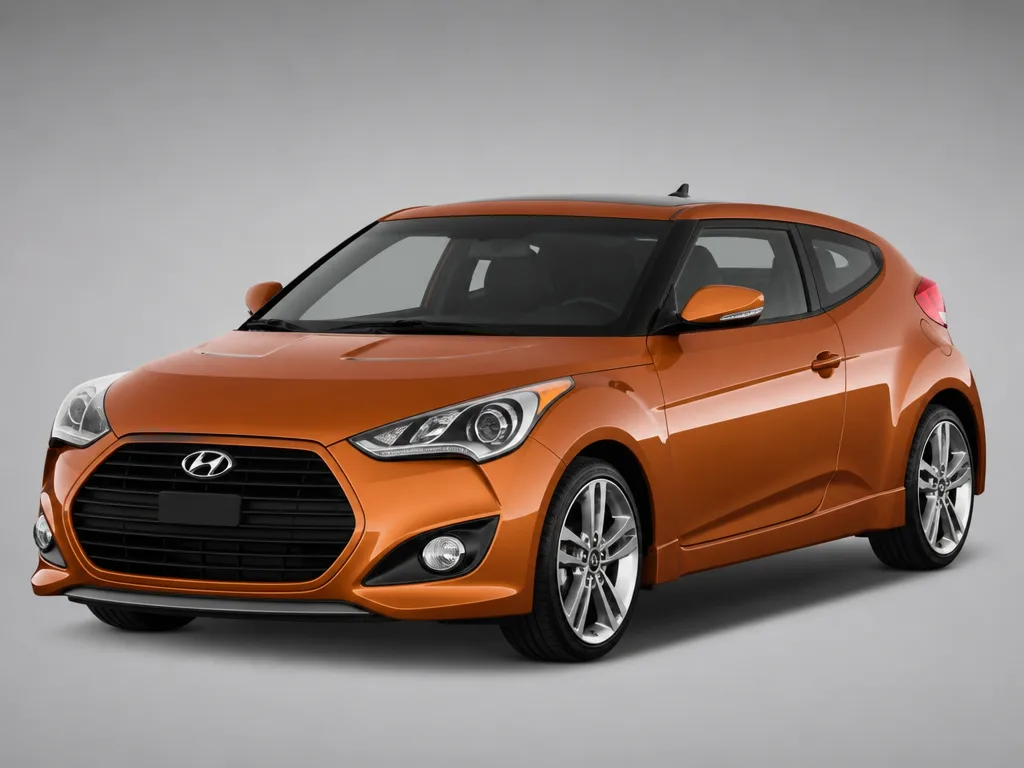
Hyundai Veloster
Brakes
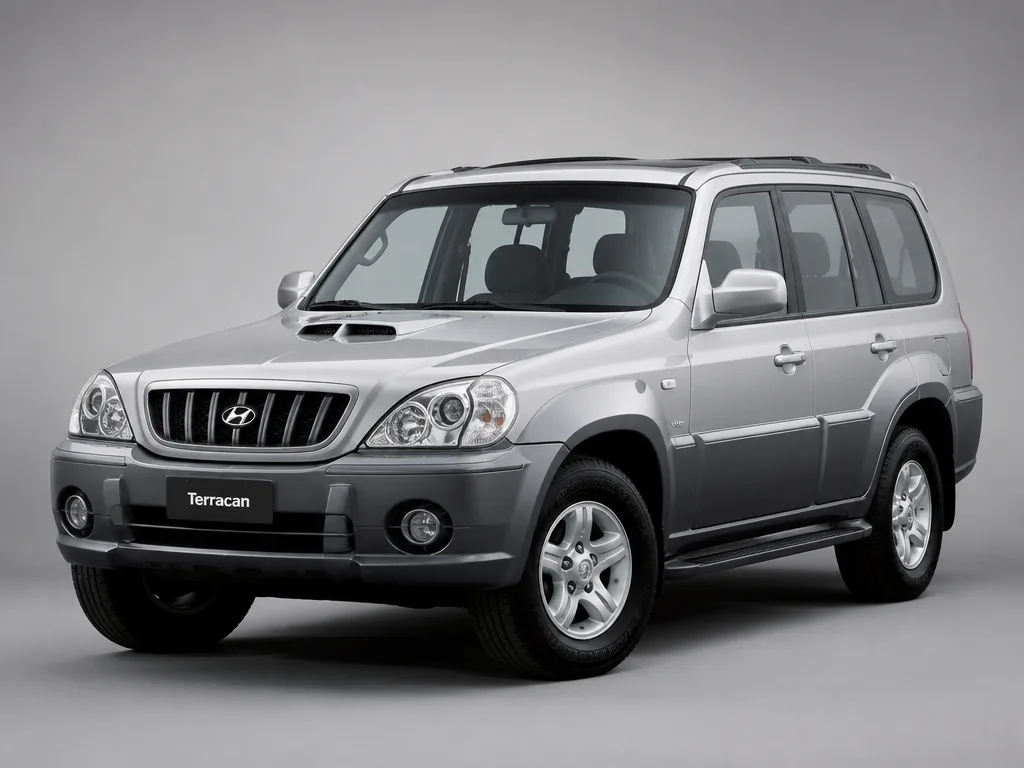
Hyundai Terracan
Brakes
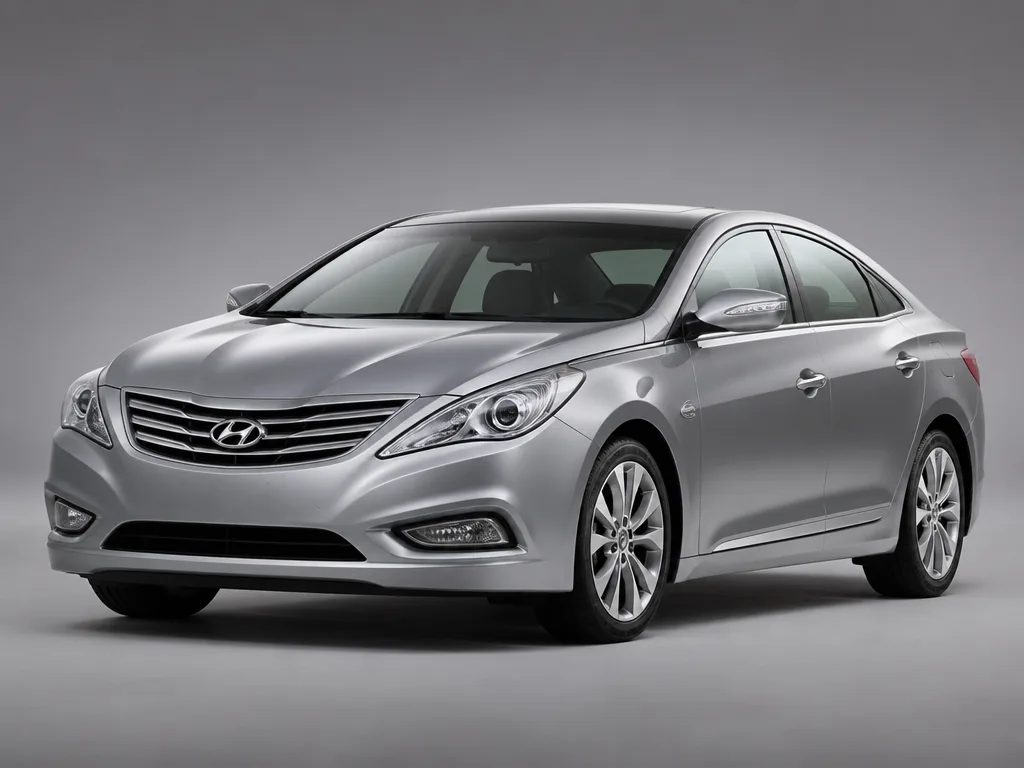
Hyundai Azera
Brakes
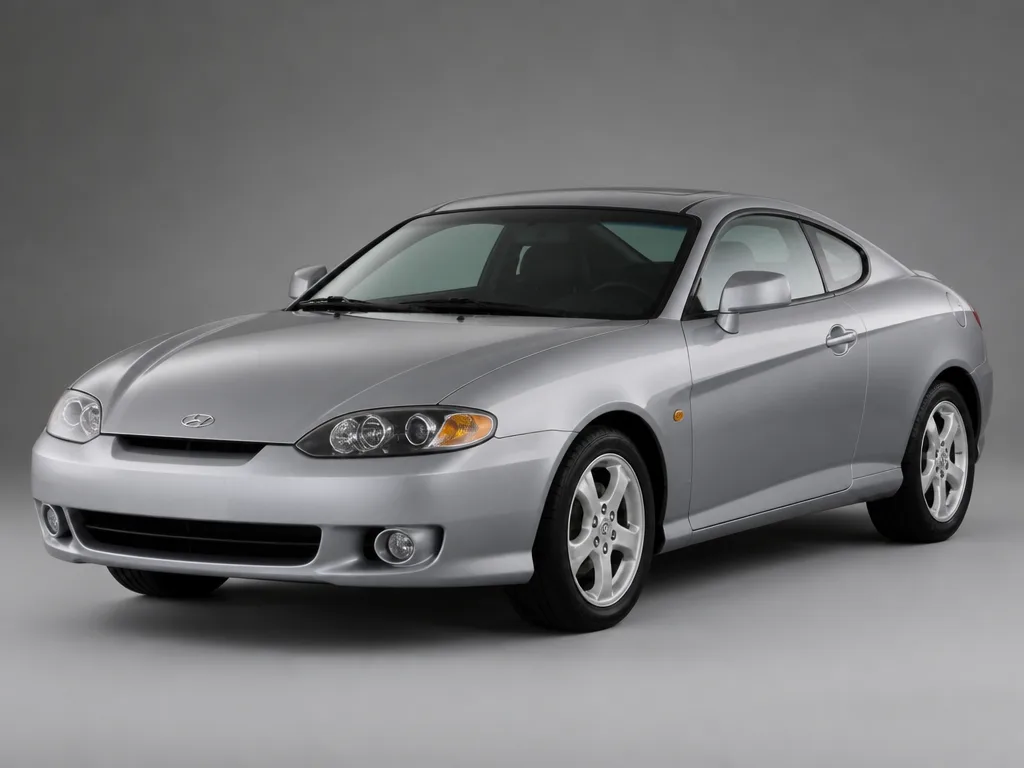
Hyundai Tiburon
Brakes
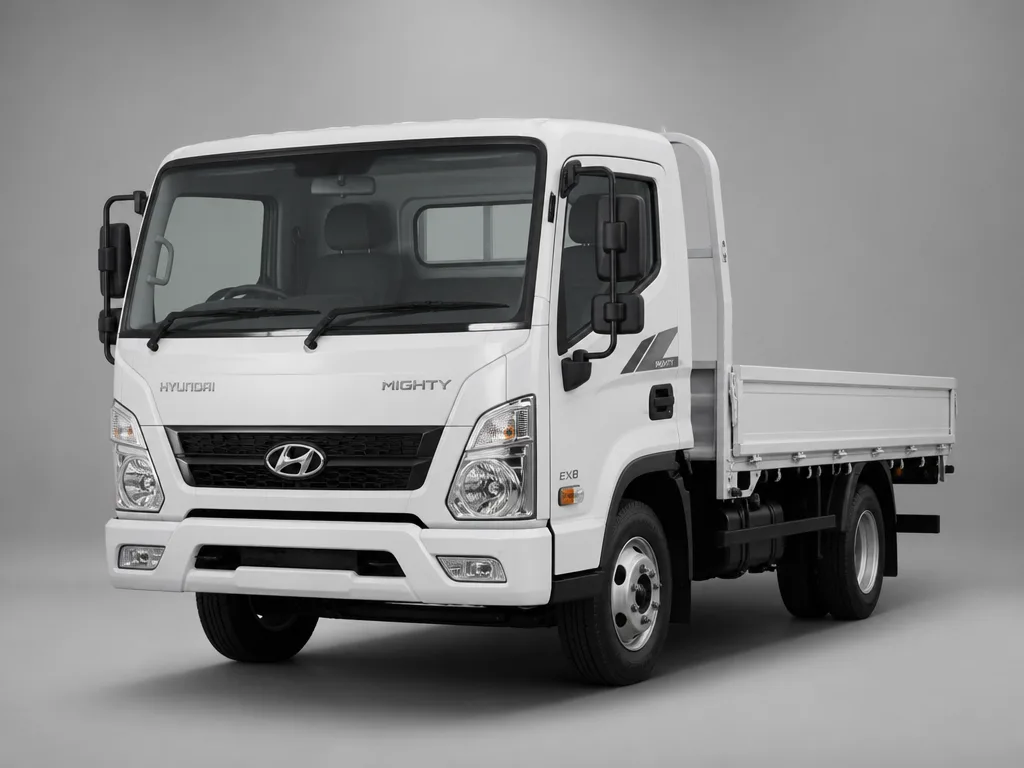
Hyundai Mighty
Brakes
Brakes for Hyundai — a straight answer
Disc diameter on a Hyundai tracks the derivative rather than the model — a 1.6 and a turbo version of the same car frequently run different front brakes, and N Line derivatives differ again.
Practically, that means the choice in front of you is whether you need friction material only or the discs as well, which usually comes down to how much the current set has already been skimmed — and it cannot be answered from the model name alone.
Give us the derivative and whether the car has been fitted with non-standard wheels, which can rule out some caliper and disc combinations when you request a quote on brakes. We would rather ask two questions up front than ship a part that has to come back.
What Are Brakes?
Braking components are where Hyundai fitment catches people out most often, because disc and caliper sizing tracks the derivative rather than the model. A 1.2 and a turbocharged version of the same car frequently run different front brakes; N Line derivatives differ again; and the SUVs in the range change specification between two-wheel-drive and all-wheel-drive versions of what is nominally the same vehicle. Ordering off a model name alone is how the wrong discs end up in the boot.
The South African duty cycle is hard on friction material in a specific way. Long descents — Van Reenen's, Sir Lowry's, the Drakensberg passes — heat a system that then sits in stop-start metro traffic for the rest of the month, and the heavier CRDi diesel derivatives carry more mass into every stop than their petrol equivalents. Before you order, it is worth knowing whether your discs have already been skimmed, because fresh pads onto a disc at its limit is a short-lived repair. Tell us the derivative and whether the car is on standard wheels — non-standard rims occasionally rule out a caliper and disc combination outright.
Signs You Need New Brakes
Hyundai Models That Use These Brakes
Our brakes fit these popular Hyundai models. Not sure which part fits? Our team can confirm for you.
Related Parts Categories
Looking for something else? Browse related Hyundai parts categories.
A full catalogue of engine components covering the entire Hyundai range, from Kappa and Gamma petrol units to CRDi diesels
SuspensionSuspension parts that keep a Hyundai composed, comfortable and sure-footed
ElectricalElectrical components and accessories that keep a Hyundai charged and running
LightingHeadlights, taillights and cabin lighting solutions for Hyundai vehicles
ExhaustComplete exhaust components and performance parts for the Hyundai range
TransmissionTransmission and drivetrain parts for manual and automatic Hyundai models
CoolingRadiators, water pumps and cooling parts that hold Hyundai temperatures in check
Fuel SystemFuel pumps, injectors and fuel delivery parts for the Hyundai range
Available Across South Africa
We deliver brakes to cities and towns across all 9 provinces.
Hyundai Brakes — Questions We Get Asked
What decides which brakes fits my Hyundai?
Disc diameter on a Hyundai tracks the derivative rather than the model — a 1.6 and a turbo version of the same car frequently run different front brakes, and N Line derivatives differ again. In practice the decision in front of you is whether you need friction material only or the discs as well, which usually comes down to how much the current set has already been skimmed.
What do you need from me to quote brakes?
The derivative and whether the car has been fitted with non-standard wheels, which can rule out some caliper and disc combinations. With that we can usually confirm the right part the same day, and we will tell you whether we are quoting new, aftermarket or good used stock rather than leaving you to guess.
Are Hyundai brake parts widely stocked in South Africa?
Yes, genuine Hyundai brake parts and Hyundai Genuine Service approved alternatives are widely available through the official Hyundai dealership network across South Africa, with over 50 locations nationwide. Aftermarket options from reputable brands are also widely stocked through our SA supplier network, with brake pad sets typically ranging from R650 to R1,800 depending on your model (i20, Tucson, Creta, etc.).
What are all the main parts of a Hyundai brake system?
Your Hyundai's brake system comprises five main components: the master cylinder (which generates hydraulic pressure), brake fluid (DOT 4 specification for most models), brake calipers (which house the pistons), brake pads (friction material) and brake discs or rotors (the metal surfaces). Modern Hyundai models may also include ABS sensors, brake boosters and electronic brake distribution systems for enhanced safety on SA roads.
What is the most expensive part of the brakes to replace on a Hyundai?
Brake discs (rotors) are typically the most expensive component, with genuine Hyundai front discs ranging from R1,200 to R2,800 each depending on model (Accent, Creta, Santa Fe), plus labour costs of R850-R1,600. A complete front brake service including pads and discs can cost R4,500 to R8,000 at authorized Hyundai service centres in South Africa.
How often should I replace brake pads on my Hyundai in South Africa?
Brake pad lifespan varies by driving style and conditions, but typically lasts 40,000-70,000 km on South African roads. City driving in Johannesburg or Cape Town wears pads faster than highway driving, while models with heavier CRDi engines (2.0 CRDi in the Creta) may require more frequent replacement than lighter 1.2 Kappa variants.
Can I use aftermarket brake parts instead of genuine Hyundai parts?
Quality aftermarket brake parts from reputable brands like Bosch, Ferodo, or ATE are acceptable alternatives and can save 20-40% compared to genuine parts, but ensure they meet ECE R90 certification standards. However, for optimal performance and to maintain warranty coverage on newer Hyundais, genuine or Hyundai Genuine approved parts are recommended, especially for models with advanced driver assistance systems that rely on precise brake calibration.
Learn More About Brakes
Official Hyundai service intervals, maintenance plans and authorized service centre locator for South Africa
Comprehensive brake maintenance tips and safety advice from the Automobile Association of South Africa
Struggling to find the correct brakes?
The derivative and whether the car has been fitted with non-standard wheels, which can rule out some caliper and disc combinations is all we need. Our Hyundai desk cross-references it against stock and comes back with what fits.