

Hyundai Filters for Sale in South Africa
Aftermarket components -- not produced by the original vehicle manufacturer
Hyundai Filters by Model
Pick your Hyundai model below to see filters matched to your vehicle.
Part of our full range of Hyundai Engine Parts.

Hyundai i20
Fast MovingFilters for i20 hatchback
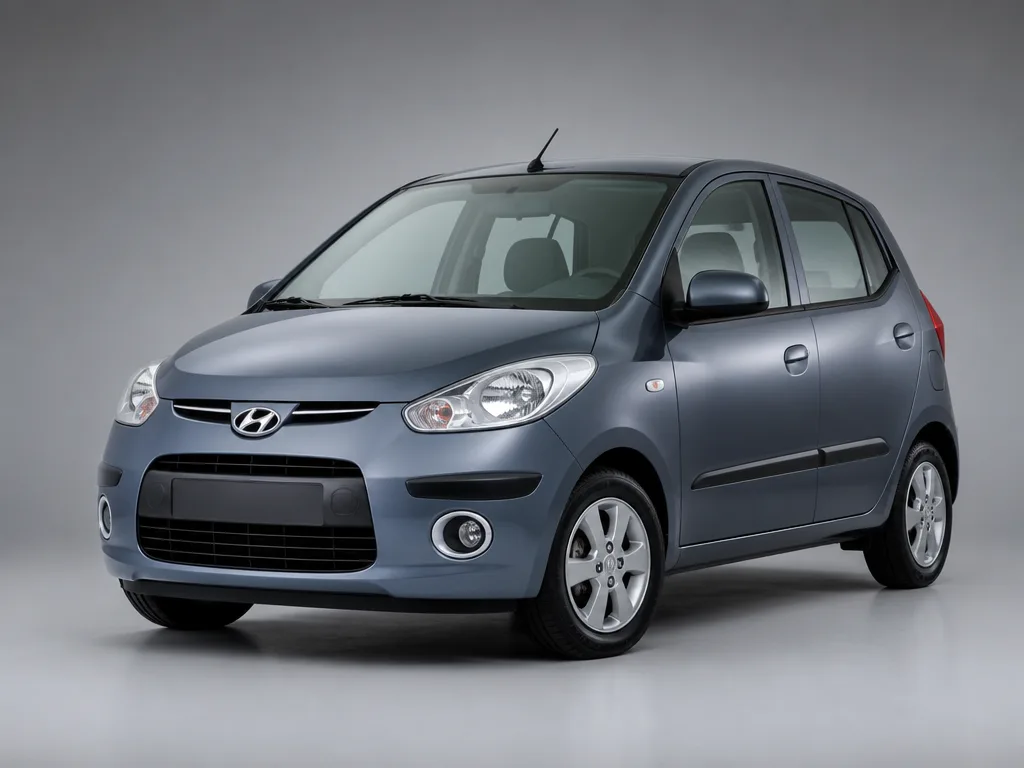
Hyundai i10
Fast MovingFilters for i10 hatchback
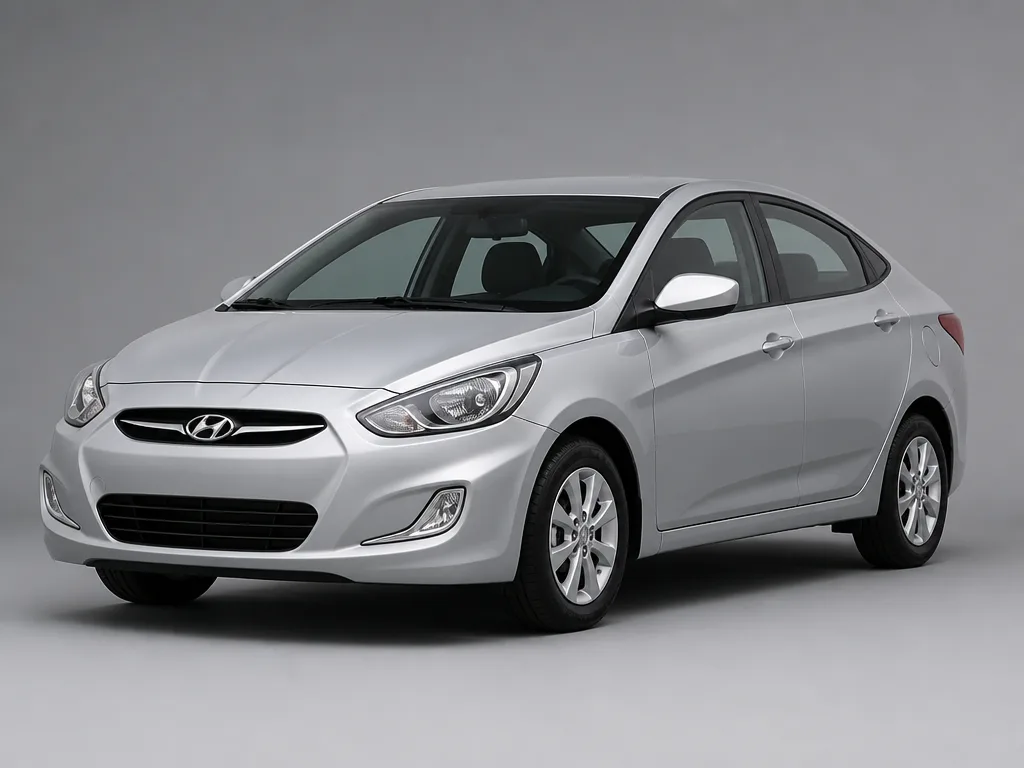
Hyundai Accent
Fast MovingFilters for Accent sedan
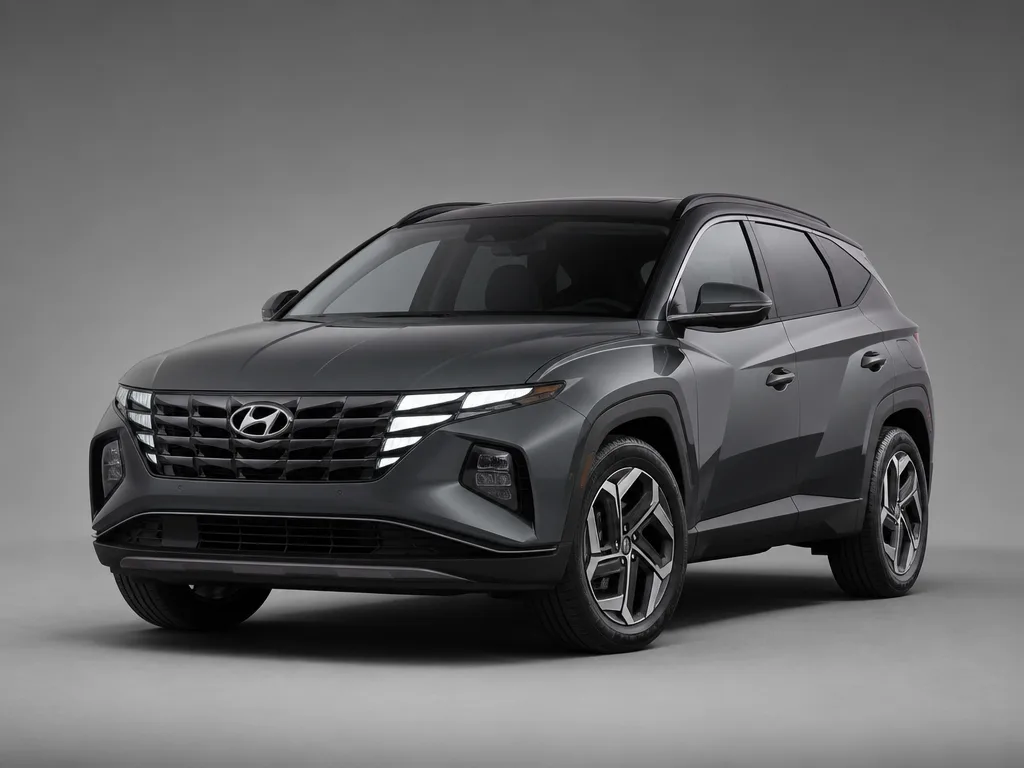
Hyundai Tucson
Fast MovingFilters for Tucson suv
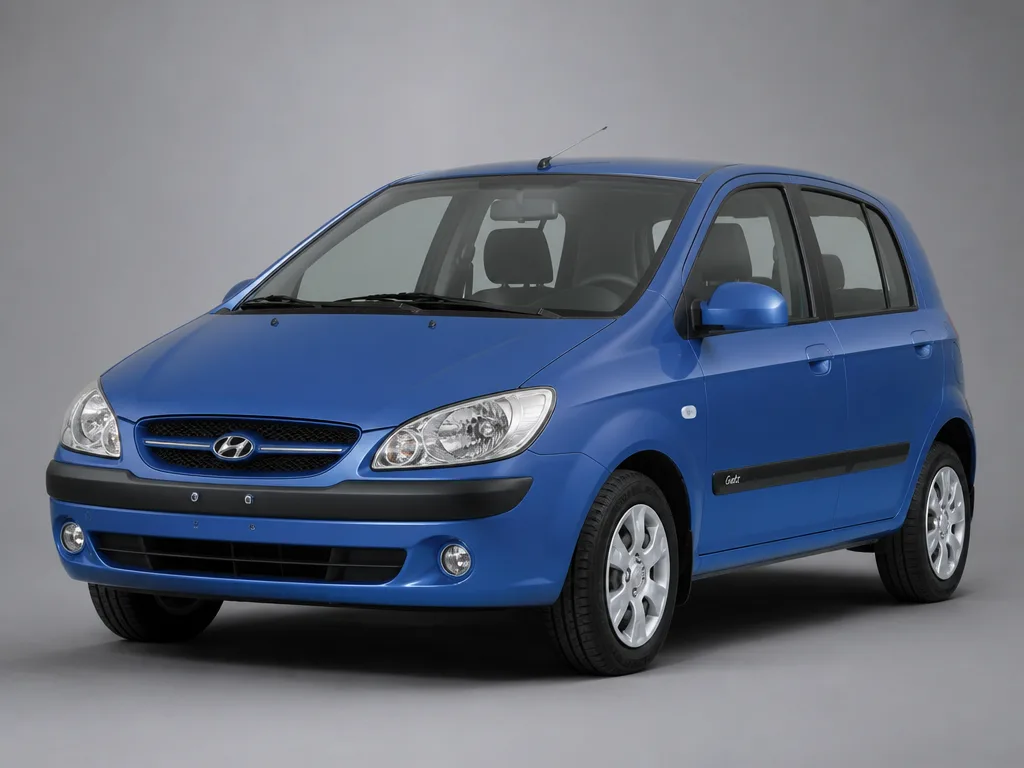
Hyundai Getz
Fast MovingFilters for Getz hatchback
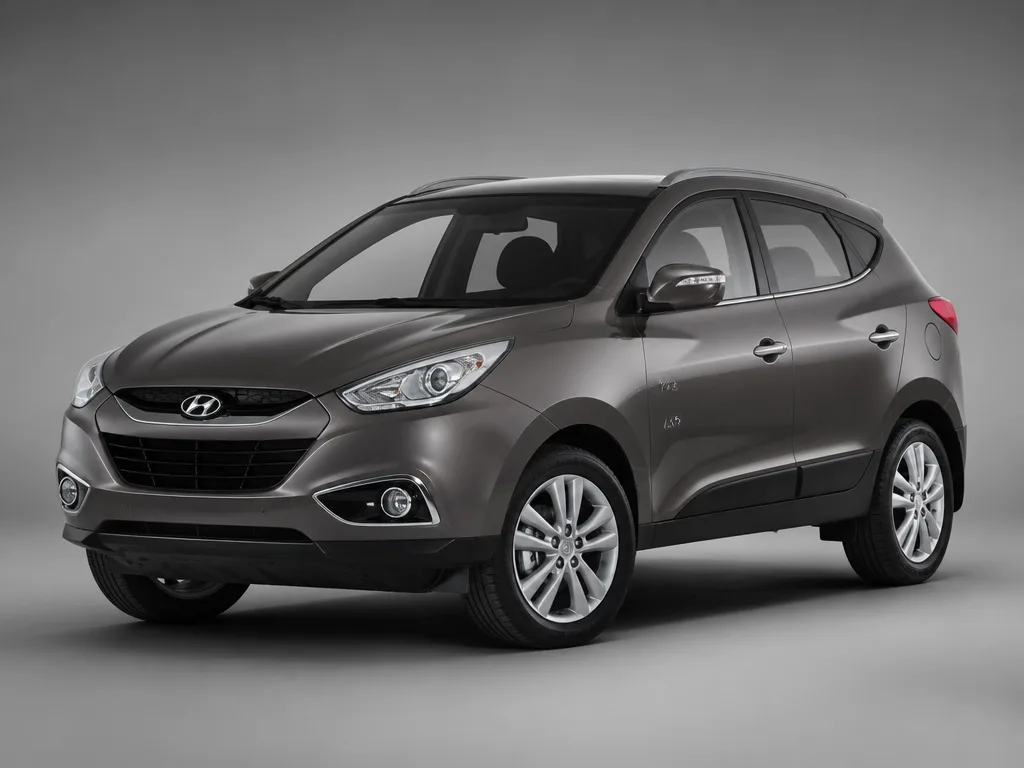
Hyundai ix35
Fast MovingFilters for ix35 suv

Hyundai Creta
Fast MovingFilters for Creta suv

Hyundai Elantra
Fast MovingFilters for Elantra sedan
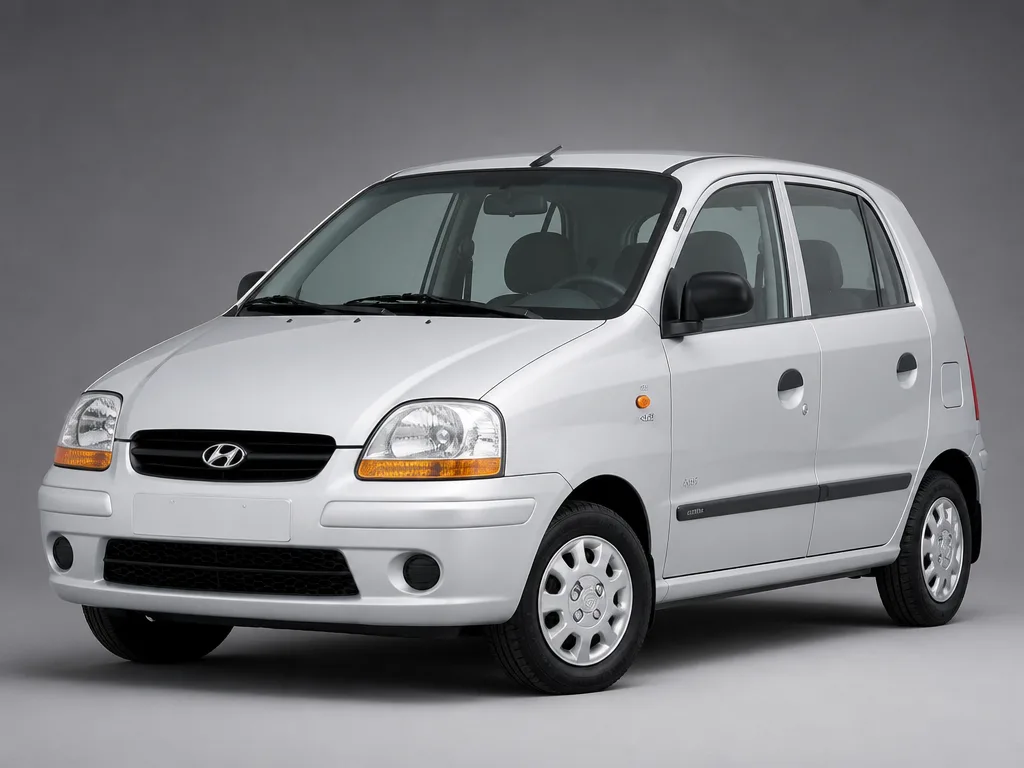
Hyundai Atos
In DemandFilters for Atos hatchback
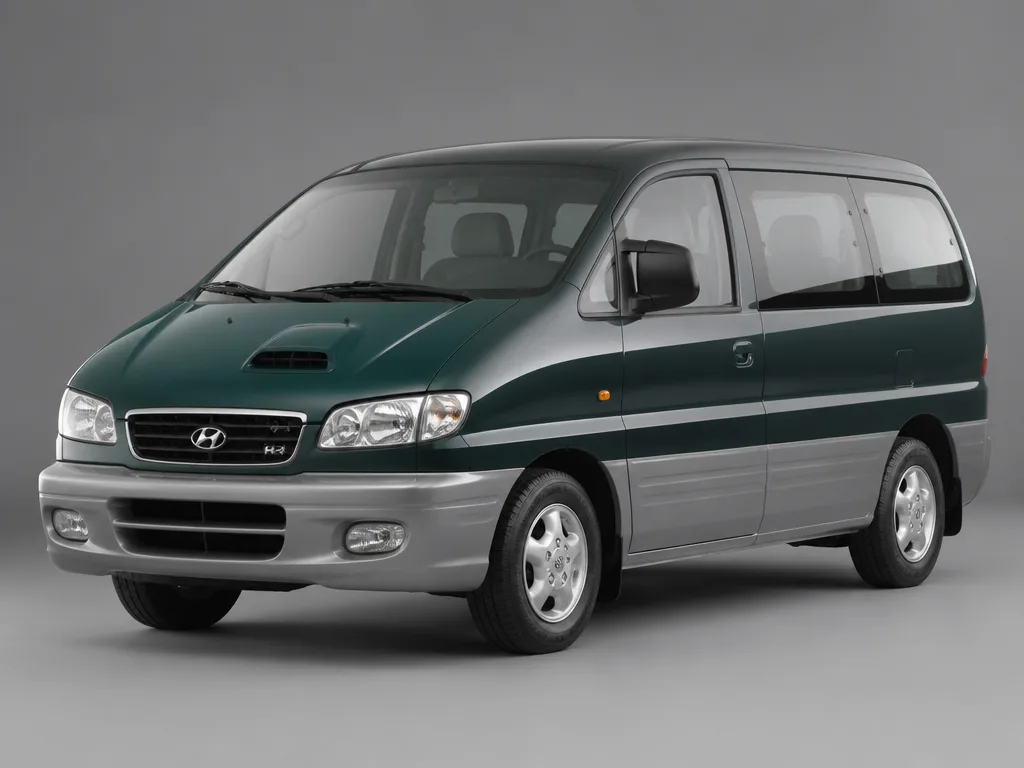
Hyundai H1
In DemandFilters for H1 van
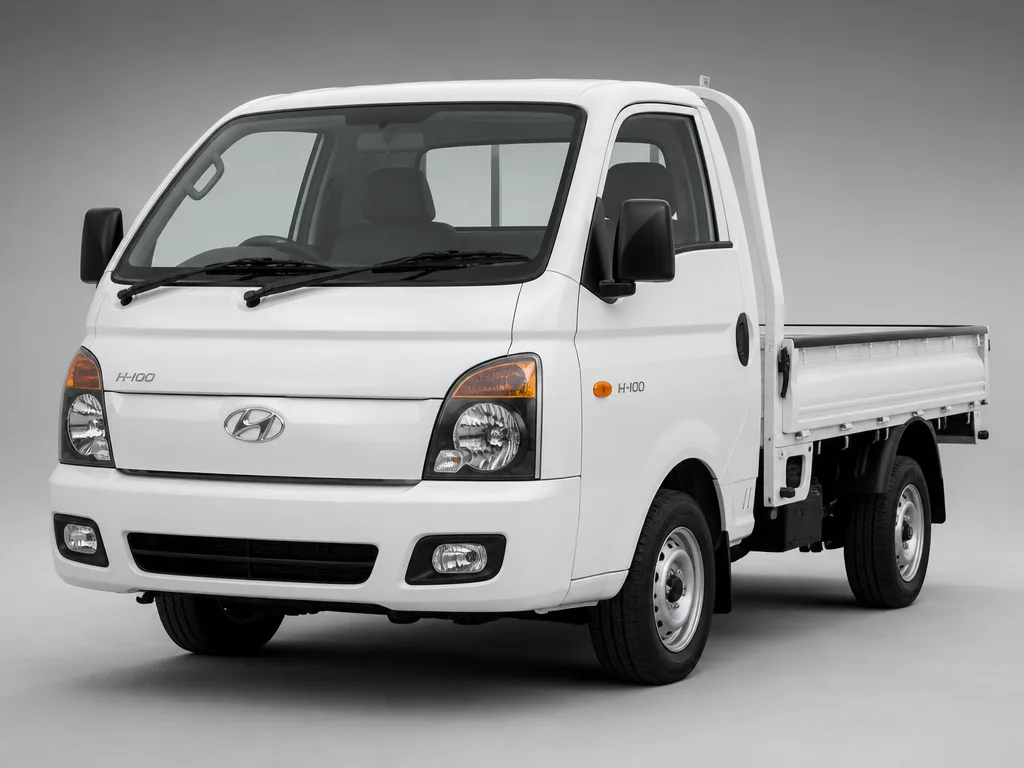
Hyundai H100
In DemandFilters for H100 commercial
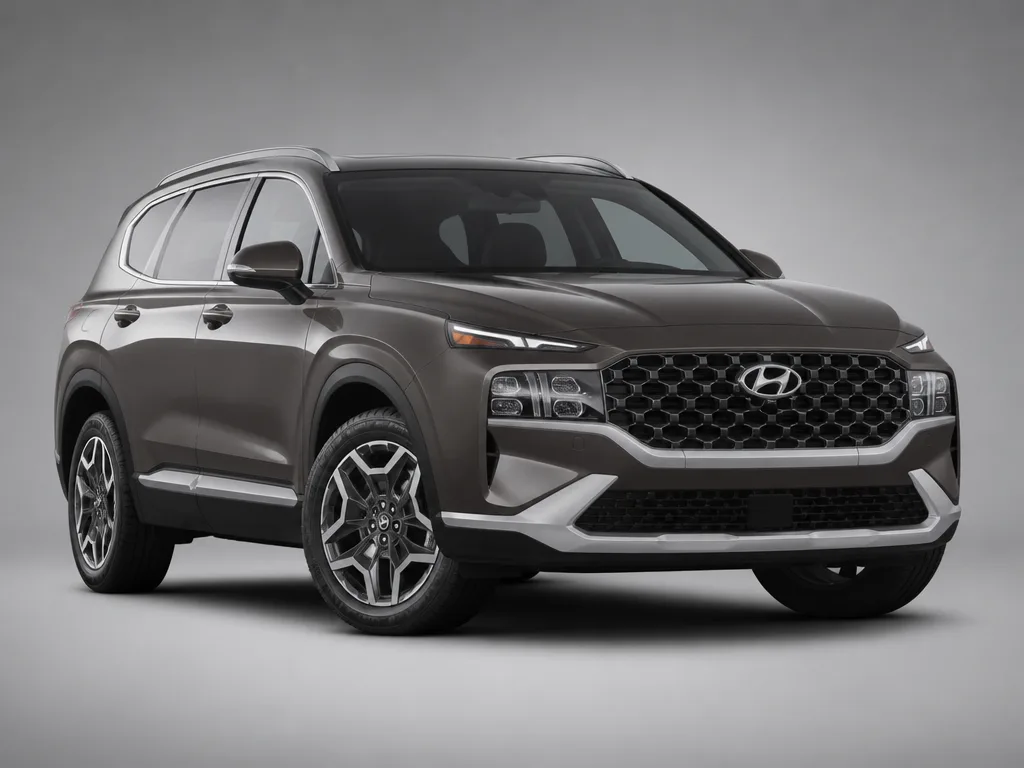
Hyundai Santa Fe
In DemandFilters for Santa Fe suv
Displaying 12 of 20 Hyundai models
Filters for Hyundai — a straight answer
Hyundai used several engine families in parallel rather than in sequence, so two cars of the same model year can carry completely different internals. The engine code stamped on the block is what a parts desk works from, not the badge on the boot.
Practically, that means the choice in front of you is whether to repair the engine you have or drop in a replacement unit, because on an older Hyundai the two routes often converge in cost — and it cannot be answered from the model name alone.
Give us the engine code off the block or VIN plate, and whether the car is petrol or CRDi diesel when you request a quote on filters. We would rather ask two questions up front than ship a part that has to come back.
What Are Filters?
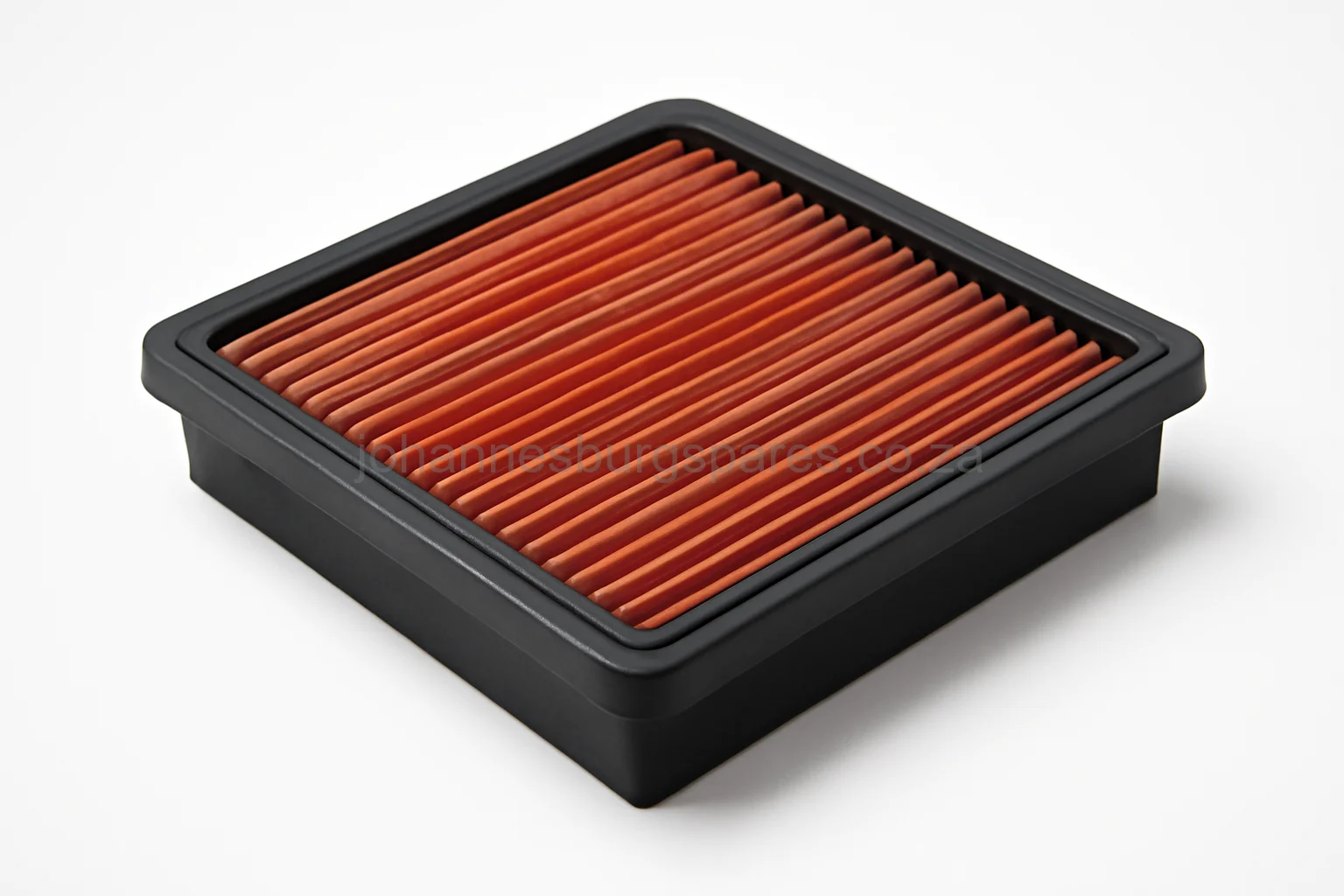
Your Hyundai runs four filters and they are the cheapest insurance in the category: the oil filter, which traps particles as small as 25 microns before they reach the bearings; the air filter; the fuel filter, which stands between contaminated fuel and the injection system; and the cabin filter. The useful thing to know about Hyundai filter fitment is that it follows the engine family rather than the model, so one filter often covers several cars in the range — and occasionally two derivatives of the same model take different ones. Give us the engine code and it is settled in seconds.
Where South Africa changes the picture is dust and fuel. Gravel and dry-season dust load an air filter far faster than any service interval assumes, and fuel picked up at a rural pump can carry water and sediment that goes straight for the highest-pressure parts of a CRDi or T-GDi injection system. On those engines the fuel filter is not a service-book box to tick; it is what stands between the tank and the most expensive components on the car. If you are in there anyway, doing the set rather than the one is usually the cheaper decision.
Signs You Need New Filters
Related Parts Categories
Looking for something else? Browse related Hyundai parts categories.
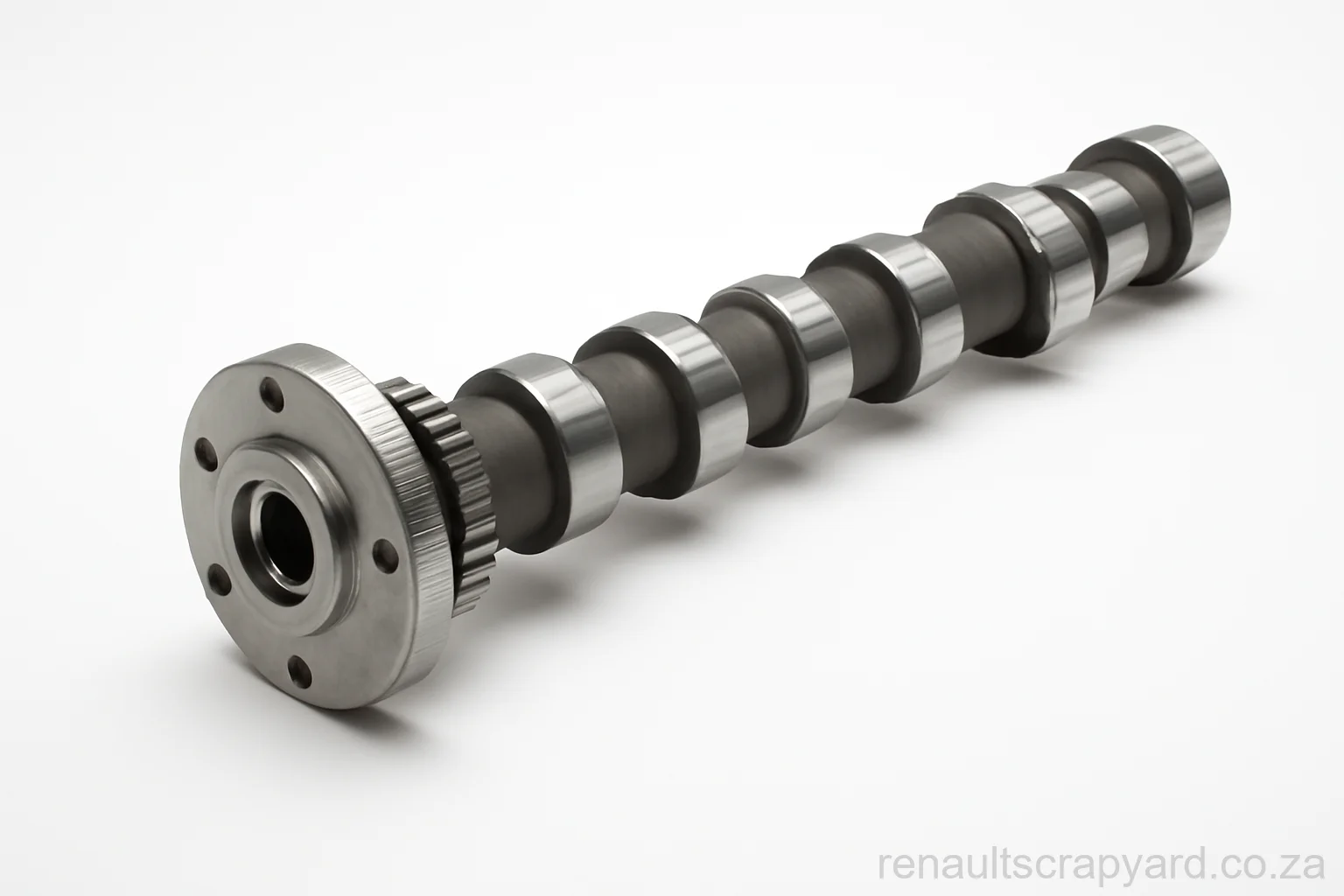
Camshafts that keep valve timing accurate across Hyundai Gamma, Nu and Theta II engines
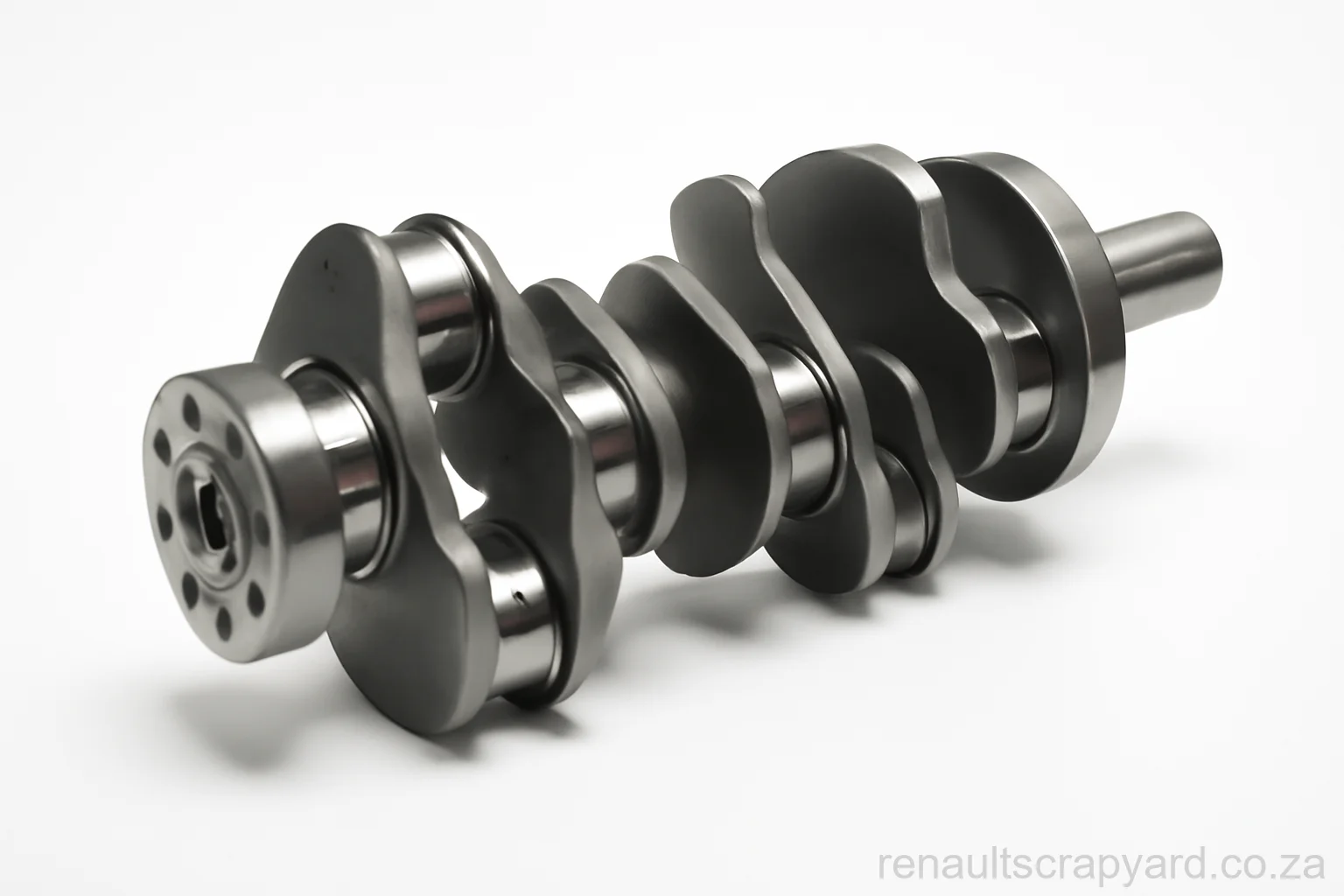
CrankshaftsCrankshafts that turn combustion into drive across the Hyundai petrol and diesel lineup
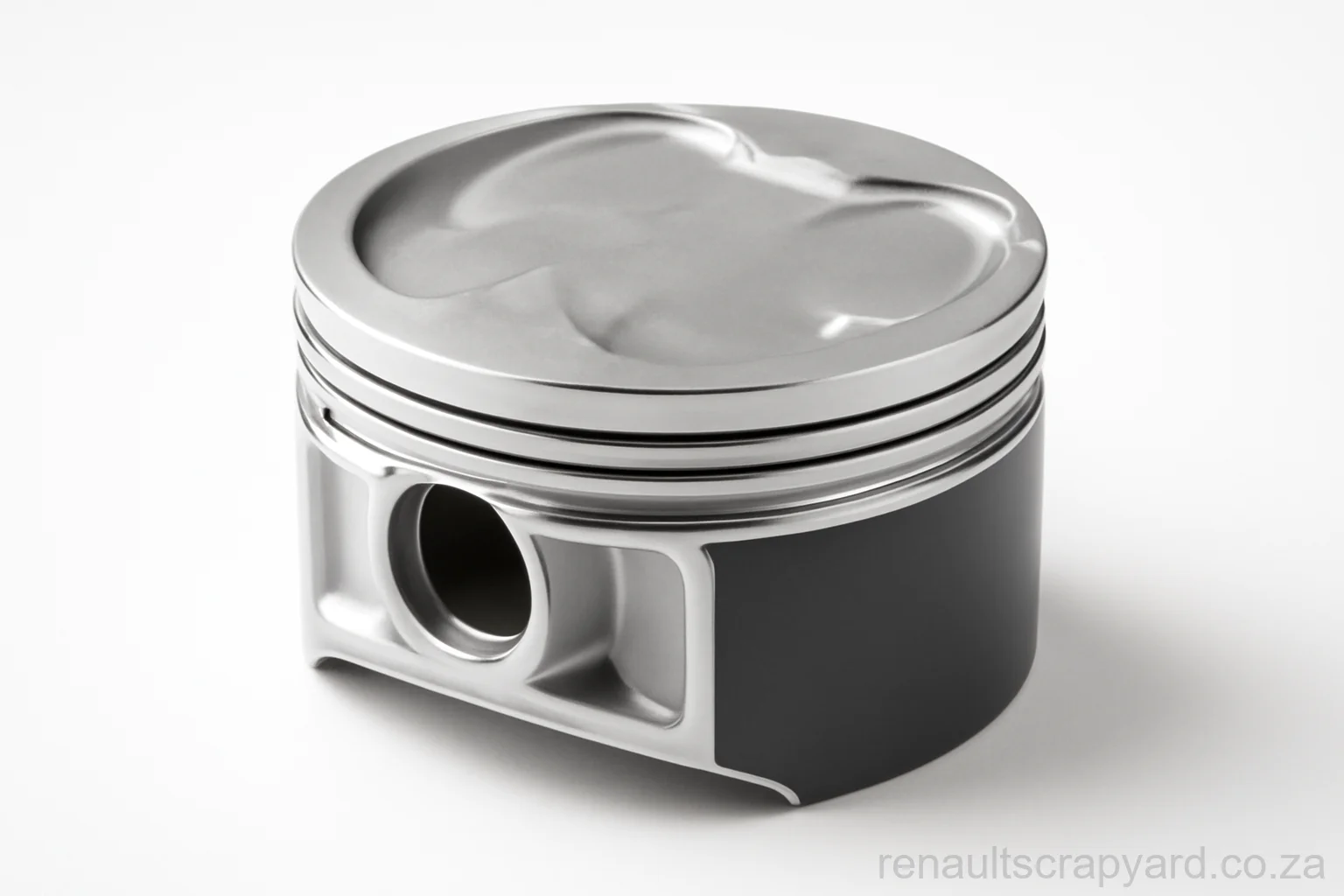
PistonsPistons and matched components engineered for clean combustion in Hyundai engines
Connecting RodsConnecting rods that tie the pistons to the crankshaft in every Hyundai engine
ValvesIntake and exhaust valves that manage airflow through Hyundai cylinder heads
Cylinder HeadsComplete cylinder head assemblies for the Hyundai petrol and diesel engine families
Engine BlocksBare and dressed engine block castings for the full Hyundai model range
Timing ChainsTiming chains, tensioners and guides that hold valve timing on chain-driven Hyundai engines
Available Across South Africa
We deliver filters to cities and towns across all 9 provinces.
Filters for Hyundai: Common Questions
What decides which filters fits my Hyundai?
Hyundai used several engine families in parallel rather than in sequence, so two cars of the same model year can carry completely different internals. The engine code stamped on the block is what a parts desk works from, not the badge on the boot. In practice the decision in front of you is whether to repair the engine you have or drop in a replacement unit, because on an older Hyundai the two routes often converge in cost.
What do you need from me to quote filters?
The engine code off the block or VIN plate, and whether the car is petrol or CRDi diesel. With that we can usually confirm the right part the same day, and we will tell you whether we are quoting new, aftermarket or good used stock rather than leaving you to guess.
What are the filters in a car and what do they do?
Every Hyundai has four main filters: the cabin filter (removes dust, pollen and pollutants from air entering the interior), oil filter (traps contaminants in engine oil protecting components), fuel filter (prevents debris from reaching the injection system) and air filter (ensures clean air for combustion in Gamma, T-GDi and CRDi engines). Each filter protects specific systems and requires replacement at different service intervals to maintain optimal performance and longevity.
How much do car filters cost in South Africa?
Hyundai filter costs vary by type and model: air filters range from R250 to R600, oil filters cost R150 to R450, fuel filters run R400 to R1,200 (especially for CRDi diesel models) and cabin filters range from R300 to R800. If you have filters replaced at a Hyundai dealer during a service, expect labour costs of R500 to R1,500 depending on complexity, though air and cabin filters are often DIY-friendly.
How do you know if your car filter is bad?
Signs of a bad filter depend on type: a clogged air filter causes poor acceleration and increased fuel consumption; a blocked oil filter triggers the oil pressure warning light or causes engine knocking; a dirty fuel filter leads to rough idling, hesitation, or starting problems; and a saturated cabin filter results in weak airflow, window fogging, or unpleasant odours. In SA's dusty conditions, filters may need replacement more frequently than standard service intervals suggest.
How often should I replace filters on my Hyundai in South Africa?
Standard intervals are: air filter every 20,000-30,000 km, oil filter at every oil change (10,000-15,000 km), fuel filter every 40,000-60,000 km for diesel or 80,000 km for petrol and cabin filter every 15,000-20,000 km. However, South African conditions—particularly dusty Highveld roads, gravel travel, or coastal salt air—often require more frequent replacement, sometimes reducing intervals by 30-40% for optimal protection of T-GDi and CRDi engines.
Can I replace Hyundai filters myself or do I need a dealer?
Air and cabin filters are typically DIY-friendly requiring only basic tools and 15-20 minutes, saving you labour costs of R300-R600. Oil filters should be replaced during oil changes, which many owners prefer having done professionally to ensure proper disposal and correct oil specification for Gamma or U-line CRDi engines. Fuel filters, especially on CRDi models with high-pressure systems, are best replaced by trained technicians as they require bleeding procedures and proper handling to avoid contamination.
Not sure which filters your Hyundai takes?
The engine code off the block or VIN plate, and whether the car is petrol or CRDi diesel is all we need. Our Hyundai desk cross-references it against stock and comes back with what fits.