

Hyundai Sensors for Sale in South Africa
Aftermarket components -- not produced by the original vehicle manufacturer
Hyundai Sensors by Model
Pick your Hyundai model below to see sensors matched to your vehicle.
Part of our full range of Hyundai Electrical.

Hyundai i20
Fast MovingSensors for i20 hatchback
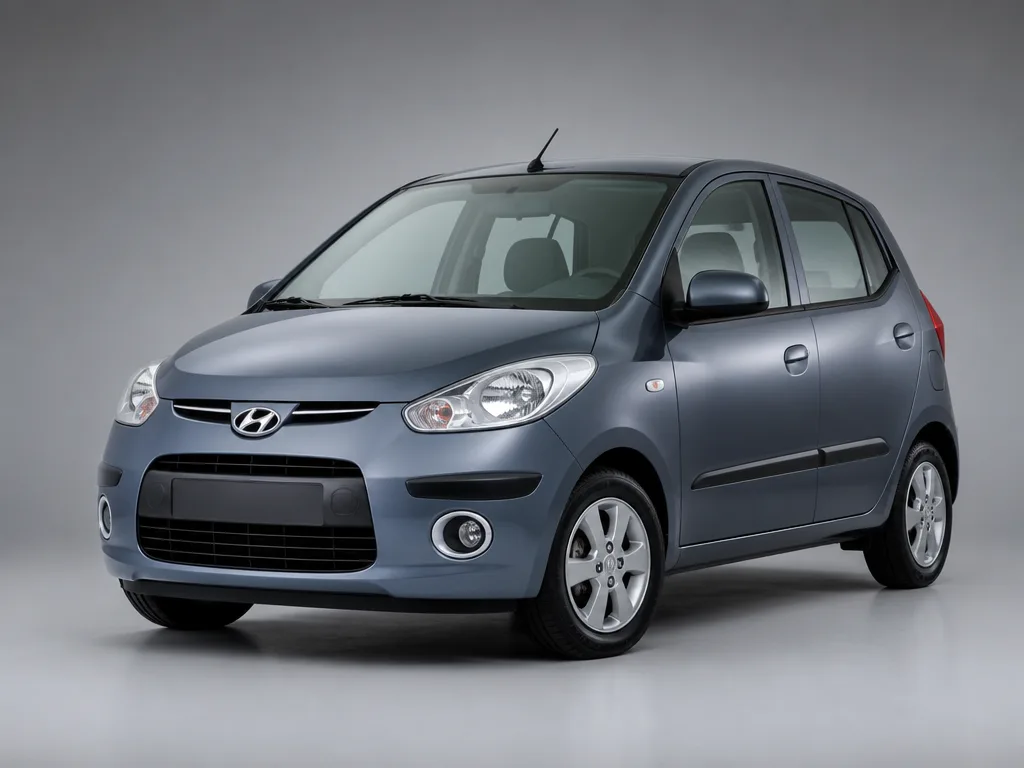
Hyundai i10
Fast MovingSensors for i10 hatchback

Hyundai Accent
Fast MovingSensors for Accent sedan

Hyundai Tucson
Fast MovingSensors for Tucson suv

Hyundai Getz
Fast MovingSensors for Getz hatchback

Hyundai ix35
Fast MovingSensors for ix35 suv

Hyundai Creta
Fast MovingSensors for Creta suv

Hyundai Elantra
Fast MovingSensors for Elantra sedan
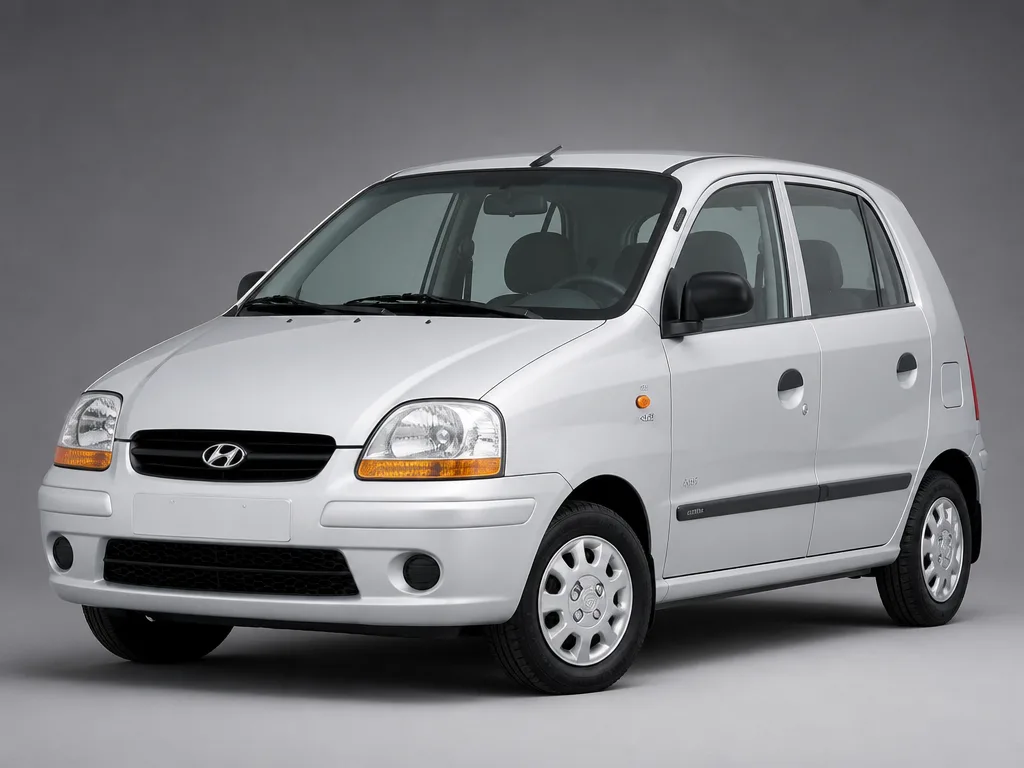
Hyundai Atos
In DemandSensors for Atos hatchback

Hyundai H1
In DemandSensors for H1 van
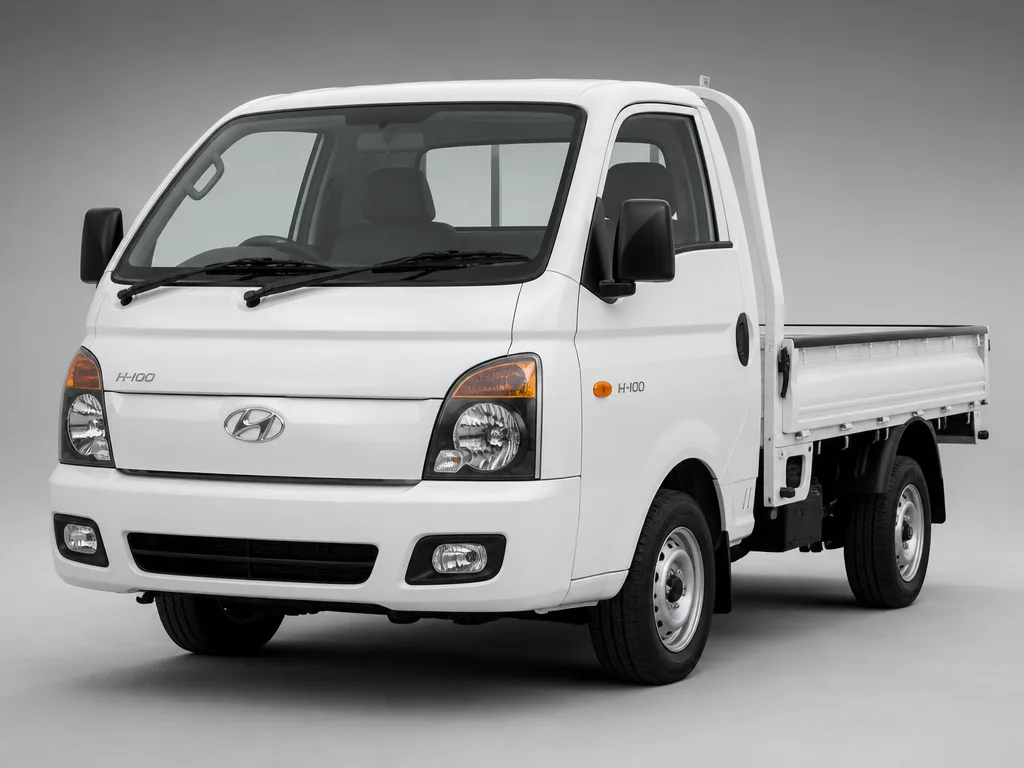
Hyundai H100
In DemandSensors for H100 commercial

Hyundai Santa Fe
In DemandSensors for Santa Fe suv
Displaying 12 of 20 Hyundai models
What we ask before quoting Hyundai sensors
Coded and paired components — immobiliser-linked and body-control items in particular — will not simply plug in on a Hyundai. Some need matching to the car before they will function.
Practically, that means the choice in front of you is whether the fault is the component or the circuit feeding it, which is worth settling before anything is bought — and it cannot be answered from the model name alone.
Give us the VIN, and the fault code if the car has been scanned when you request a quote on sensors. We would rather ask two questions up front than ship a part that has to come back.
What Are Sensors?
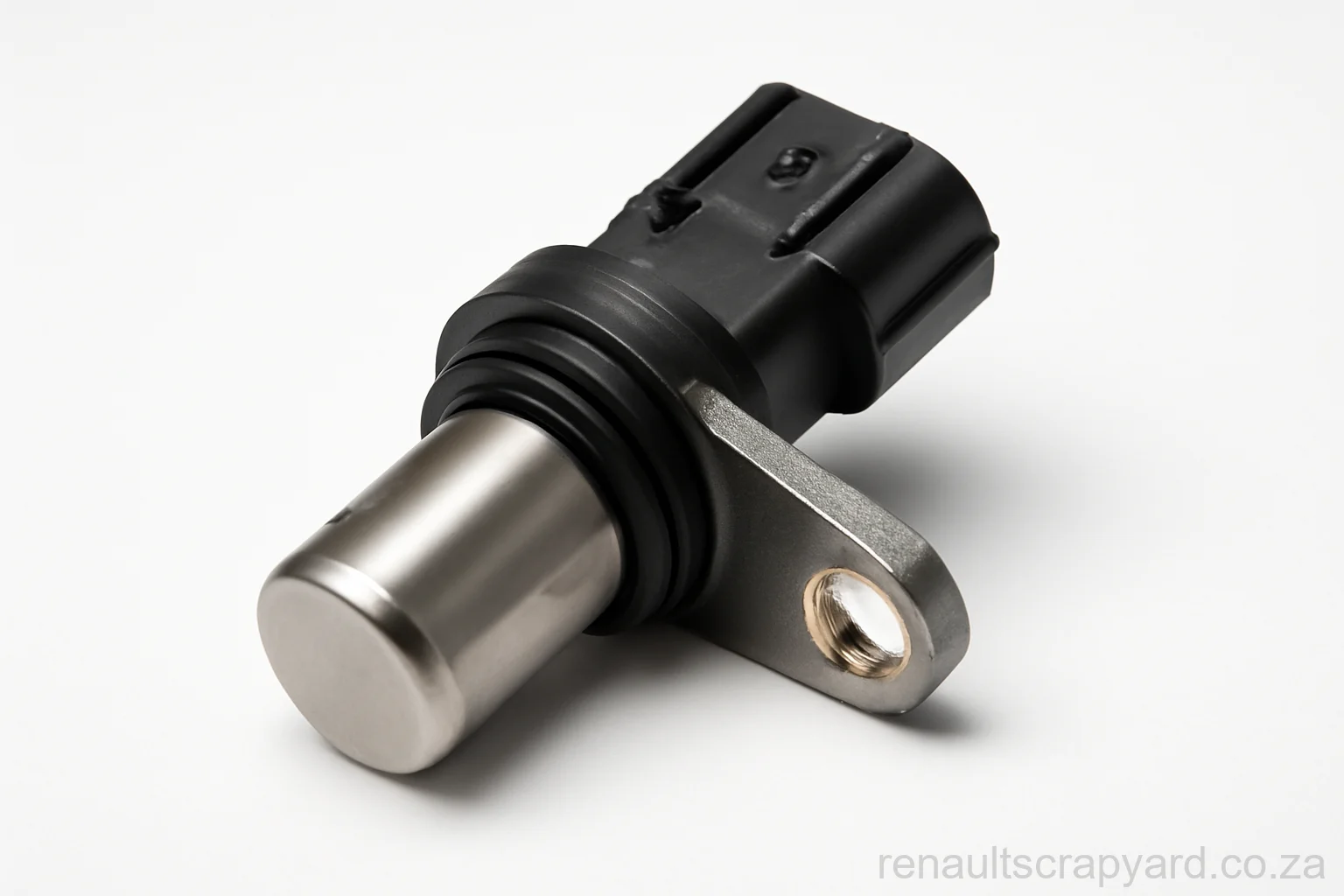
Sensors are the feedback devices that tell your Hyundai's ECU what's happening — oxygen, crankshaft, camshaft, coolant temperature, MAF, MAP, ABS and knock. On Hyundai Sonata, Accent and Creta we see oxygen and camshaft sensors top the check-engine-light causes, with EGR-adjacent faults close behind.
Signs You Need New Sensors
Related Parts Categories
Looking for something else? Browse related Hyundai parts categories.
Car batteries and accessories that deliver reliable starts for Hyundai vehicles
AlternatorAlternators that keep the Hyundai charging system topped up on the move
StarterStarter motors and assemblies that crank Hyundai engines over reliably
Spark PlugsIgnition spark plugs that keep Hyundai petrol engines firing cleanly
Ignition CoilsIgnition coils and coil packs that generate the spark on Hyundai petrol engines
FusesBlade fuses and fuse boxes that protect the Hyundai electrical circuits
RelaysAutomotive relays and switches that route power around a Hyundai
Wiring HarnessEngine and body wiring harnesses and looms for Hyundai vehicles
Available Across South Africa
We deliver sensors to cities and towns across all 9 provinces.
Sensors for Hyundai: Common Questions
What decides which sensors fits my Hyundai?
Coded and paired components — immobiliser-linked and body-control items in particular — will not simply plug in on a Hyundai. Some need matching to the car before they will function. In practice the decision in front of you is whether the fault is the component or the circuit feeding it, which is worth settling before anything is bought.
What do you need from me to quote sensors?
The VIN, and the fault code if the car has been scanned. With that we can usually confirm the right part the same day, and we will tell you whether we are quoting new, aftermarket or good used stock rather than leaving you to guess.
Which sensors does a Hyundai actually run, and which fail?
Oxygen sensors lead the list we see, followed by camshaft and crankshaft position sensors. The CRDi diesels add sensors the petrol cars simply do not have, so a sensor list for a Gamma 1.6 tells you nothing about a 1.6 CRDi. Sensor faults account for the majority of check-engine lights that come through the door.
Why is the check engine light on in my Hyundai?
Most often a sensor, but never assume which one. A diagnostic scan reads the specific fault code in minutes, and the code is what should drive the purchase. Replacing a sensor on a hunch is how people end up with three new sensors and the original fault still there.
What does a Hyundai oxygen sensor cost to replace?
Oxygen sensors vary by model, and pre-cat and post-cat parts are different components — worth knowing before you order the cheaper one. Our supplier network stocks Hyundai sensors across a wide range. Request a free quote with your model and we will include fitting time and code clearing in the estimate.
What do crankshaft and camshaft sensors cost in South Africa?
Hyundai crankshaft sensors run from around R65 to R106 depending on fitment through our supplier network. Camshaft sensors run roughly R73 to R650. Send your VIN and we will confirm the exact part before ordering — the wrong sensor fitment is one of the most common reasons a part comes back to us.
My Hyundai starts, then stalls when hot. Is that a sensor?
That pattern points hard at the crankshaft position sensor. The ECU loses its timing reference, so injectors and coils stop firing; the car often restarts once it has cooled and then does the same thing again. It is one of the few faults that more or less names itself.
Can I keep driving with a faulty camshaft sensor?
Short-term the ECU falls back on the crankshaft sensor, so you get reduced power and possibly limp mode. Longer term the misfires start damaging the catalytic converter, which turns a cheap part into an expensive one. Get it scanned and replaced within a week rather than living with it.
Learn More About Sensors
Not sure which sensors your Hyundai takes?
The VIN, and the fault code if the car has been scanned is all we need. Our Hyundai desk cross-references it against stock and comes back with what fits.