

Hyundai Timing Belts for Sale in South Africa
Aftermarket components -- not produced by the original vehicle manufacturer
Hyundai Timing Belts by Model
Pick your Hyundai model below to see timing belts matched to your vehicle.
Part of our full range of Hyundai Engine Parts.

Hyundai i20
Fast MovingTiming Belts for i20 hatchback
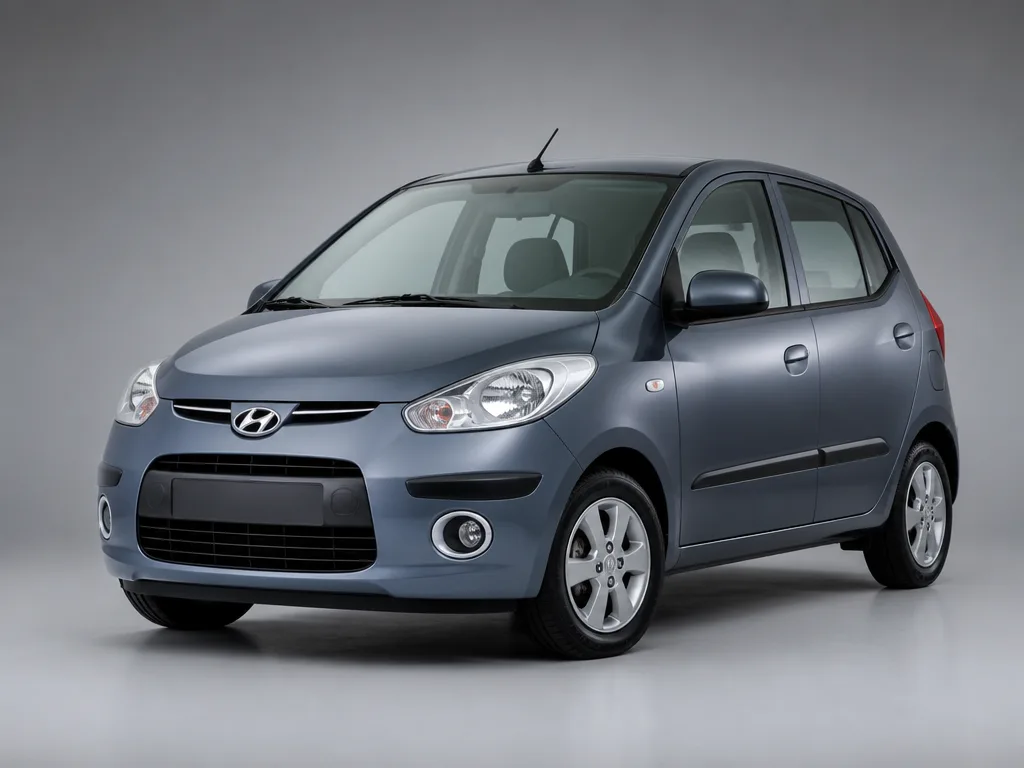
Hyundai i10
Fast MovingTiming Belts for i10 hatchback

Hyundai Accent
Fast MovingTiming Belts for Accent sedan
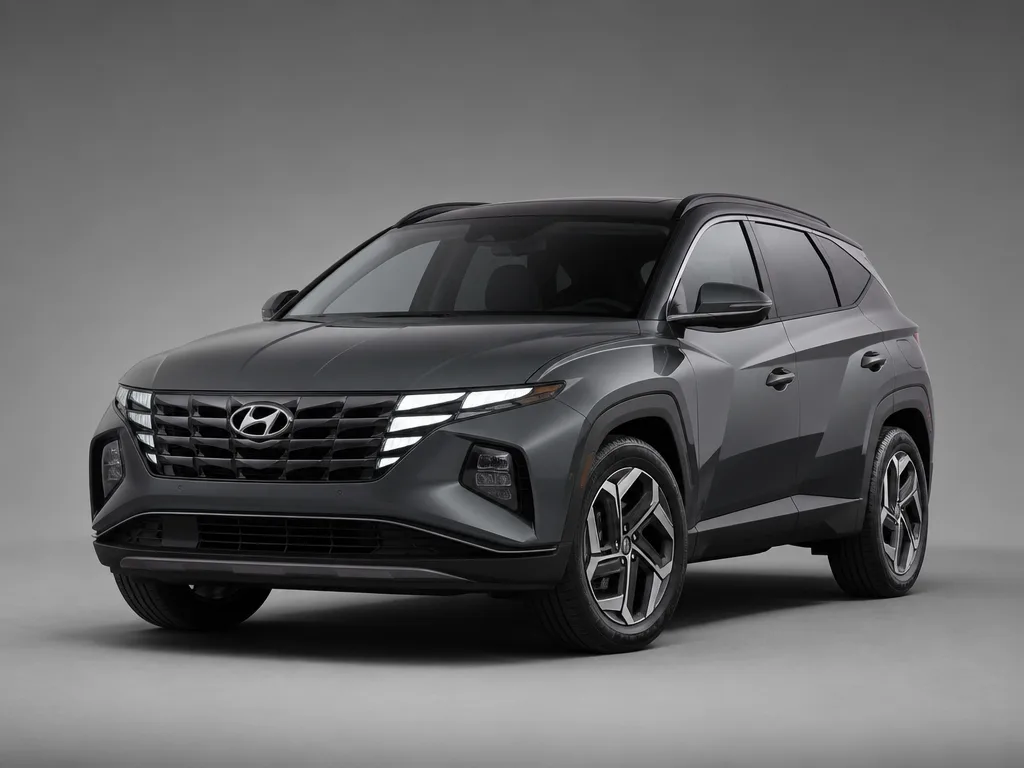
Hyundai Tucson
Fast MovingTiming Belts for Tucson suv
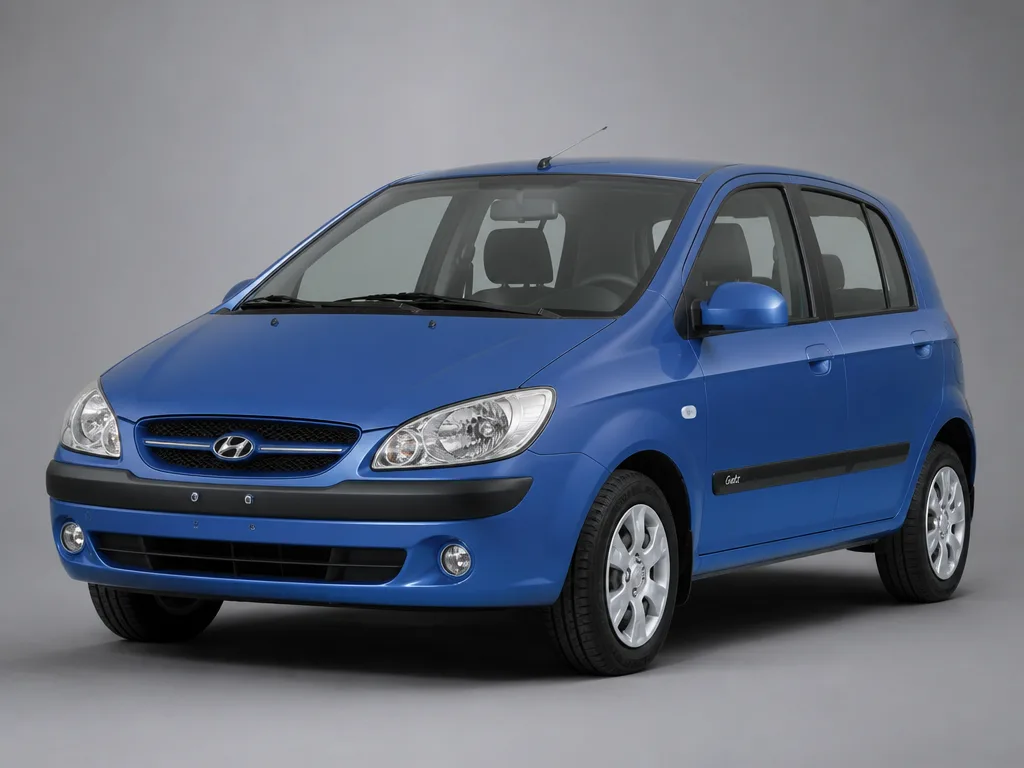
Hyundai Getz
Fast MovingTiming Belts for Getz hatchback
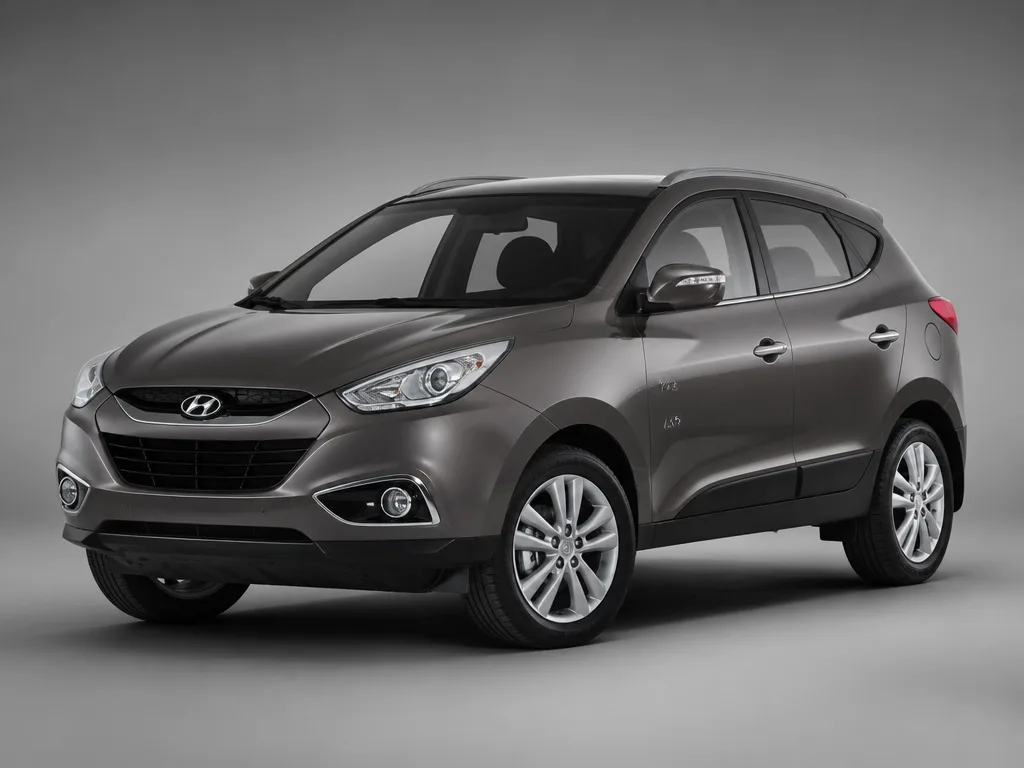
Hyundai ix35
Fast MovingTiming Belts for ix35 suv

Hyundai Creta
Fast MovingTiming Belts for Creta suv

Hyundai Elantra
Fast MovingTiming Belts for Elantra sedan
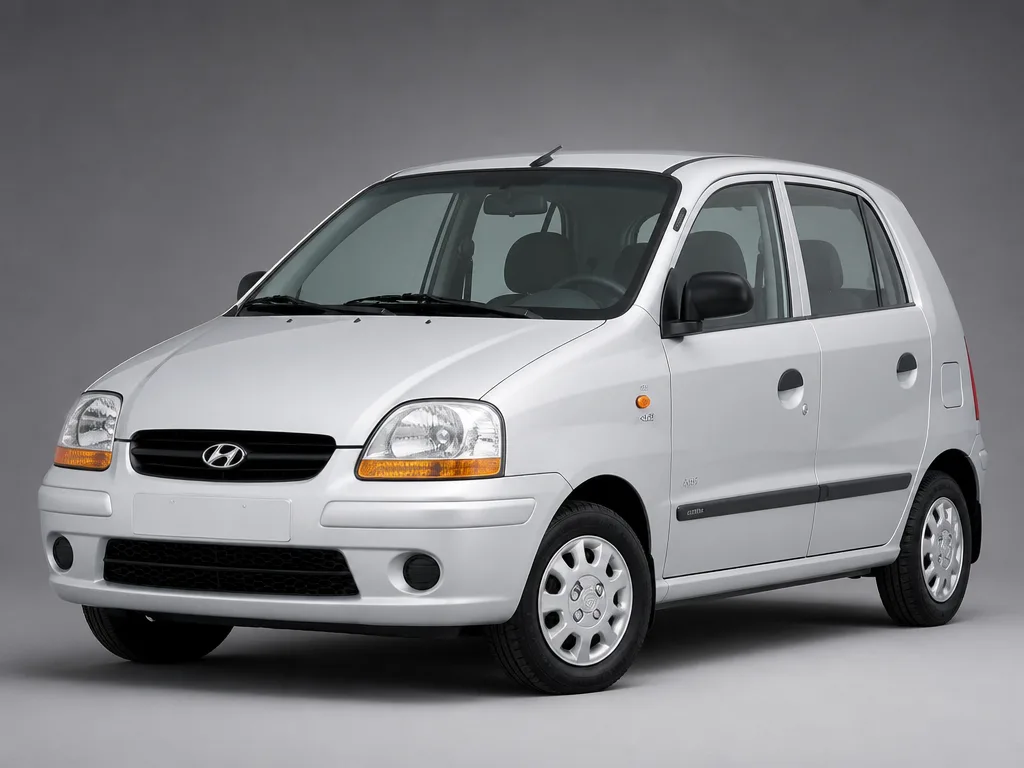
Hyundai Atos
In DemandTiming Belts for Atos hatchback
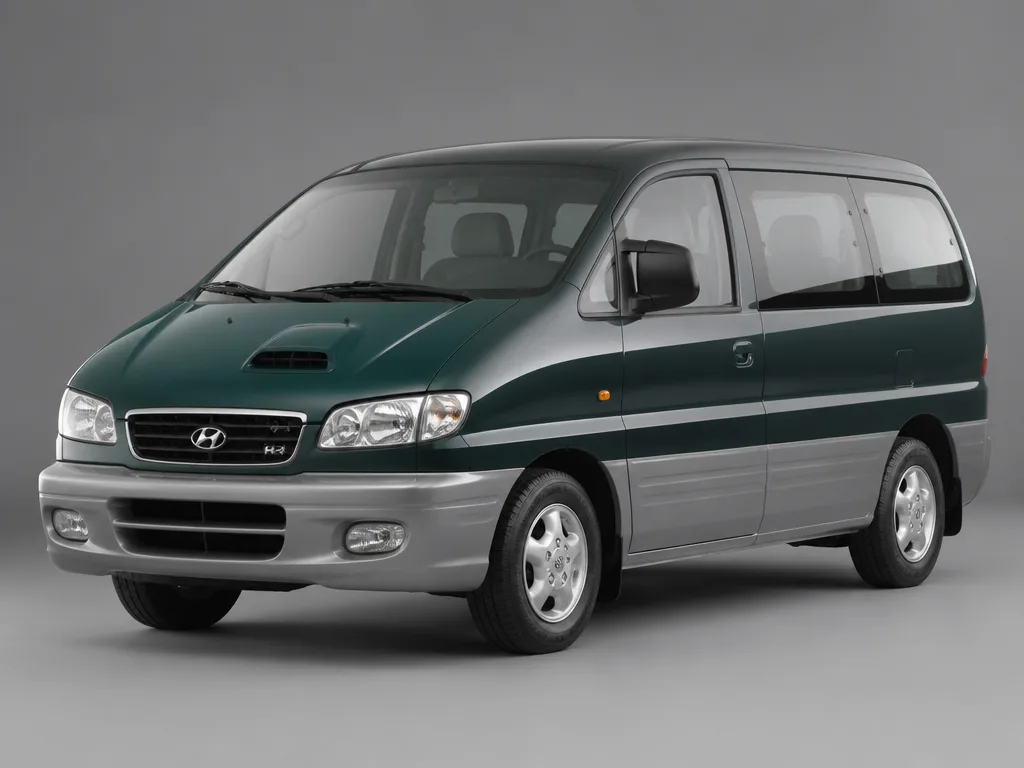
Hyundai H1
In DemandTiming Belts for H1 van
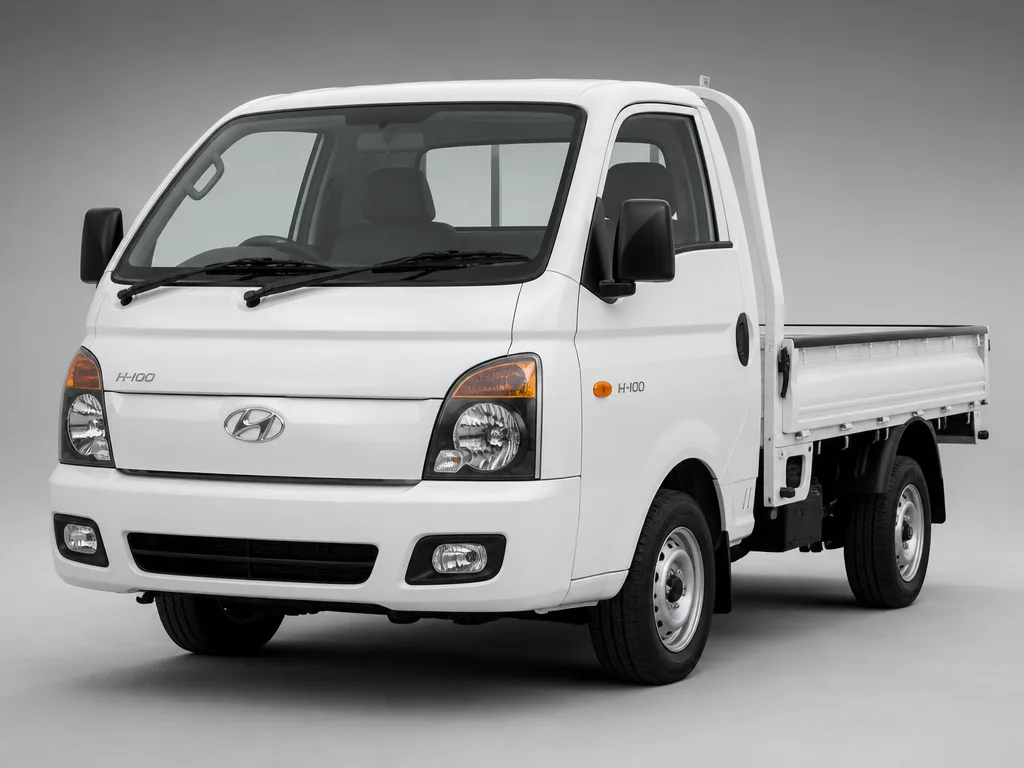
Hyundai H100
In DemandTiming Belts for H100 commercial

Hyundai Santa Fe
In DemandTiming Belts for Santa Fe suv
Displaying 12 of 20 Hyundai models
What Are Timing Belts?
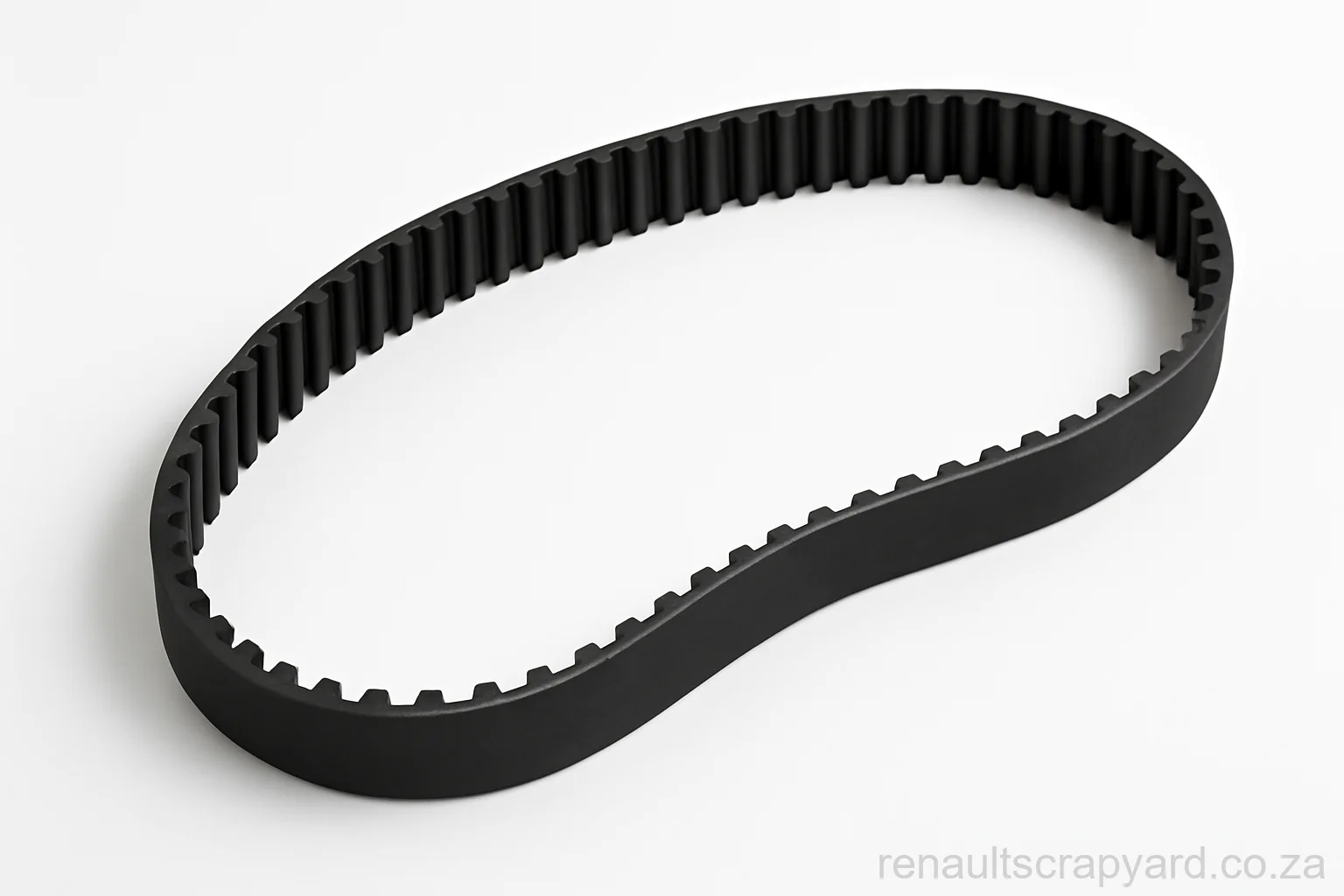
A timing belt in your Hyundai is a critical rubber belt reinforced with fibre cords that synchronises the rotation of the crankshaft and camshaft, ensuring your engine's valves open and close at precisely the right times during combustion. In South African Hyundai models, timing belts are key components in popular engines like the 1.6 T-GDi (Gamma turbocharged petrol), 1.2 Kappa and CRDi diesel engines (including U-line CRDi variants). Unlike timing chains, belts require regular replacement and their failure can cause catastrophic engine damage, particularly in interference engines common in Hyundais.
Given conditions on South African roads—including extreme heat in provinces like Limpopo and Gauteng, dusty roads and stop-start urban traffic in cities like Johannesburg and Cape Town—timing belts face additional stress and may require replacement within manufacturer intervals. Most Hyundai timing belts need replacement every 80,000 to 120,000 km or 5-7 years, whichever comes first. The belt typically drives the water pump as well, so it's recommended to replace both simultaneously along with tensioners and idler pulleys to avoid premature failure and costly repeat labour charges.
Signs You Need New Timing Belts
Related Parts Categories
Looking for something else? Browse related Hyundai parts categories.
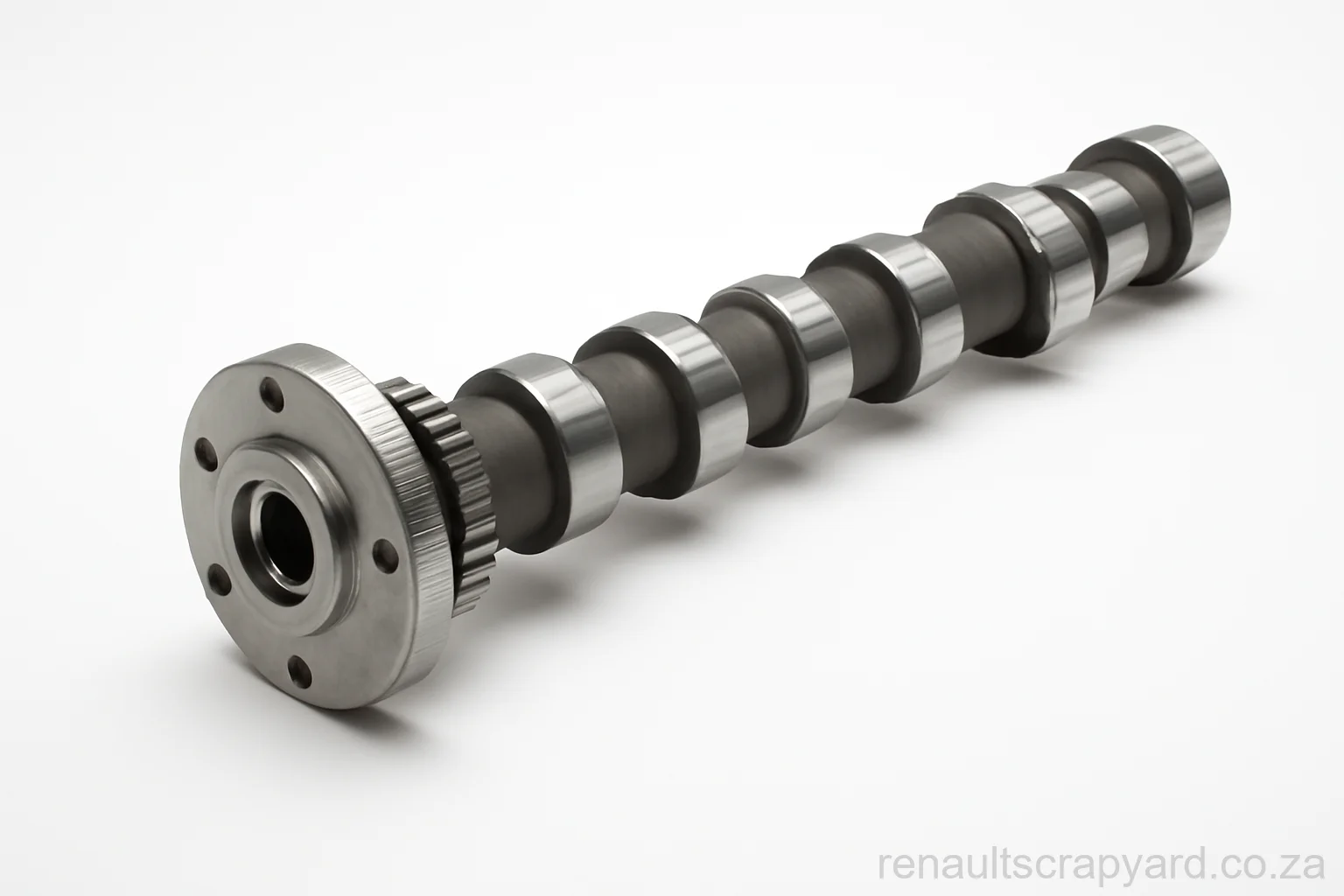
Camshafts that keep valve timing accurate across Hyundai Gamma, Nu and Theta II engines
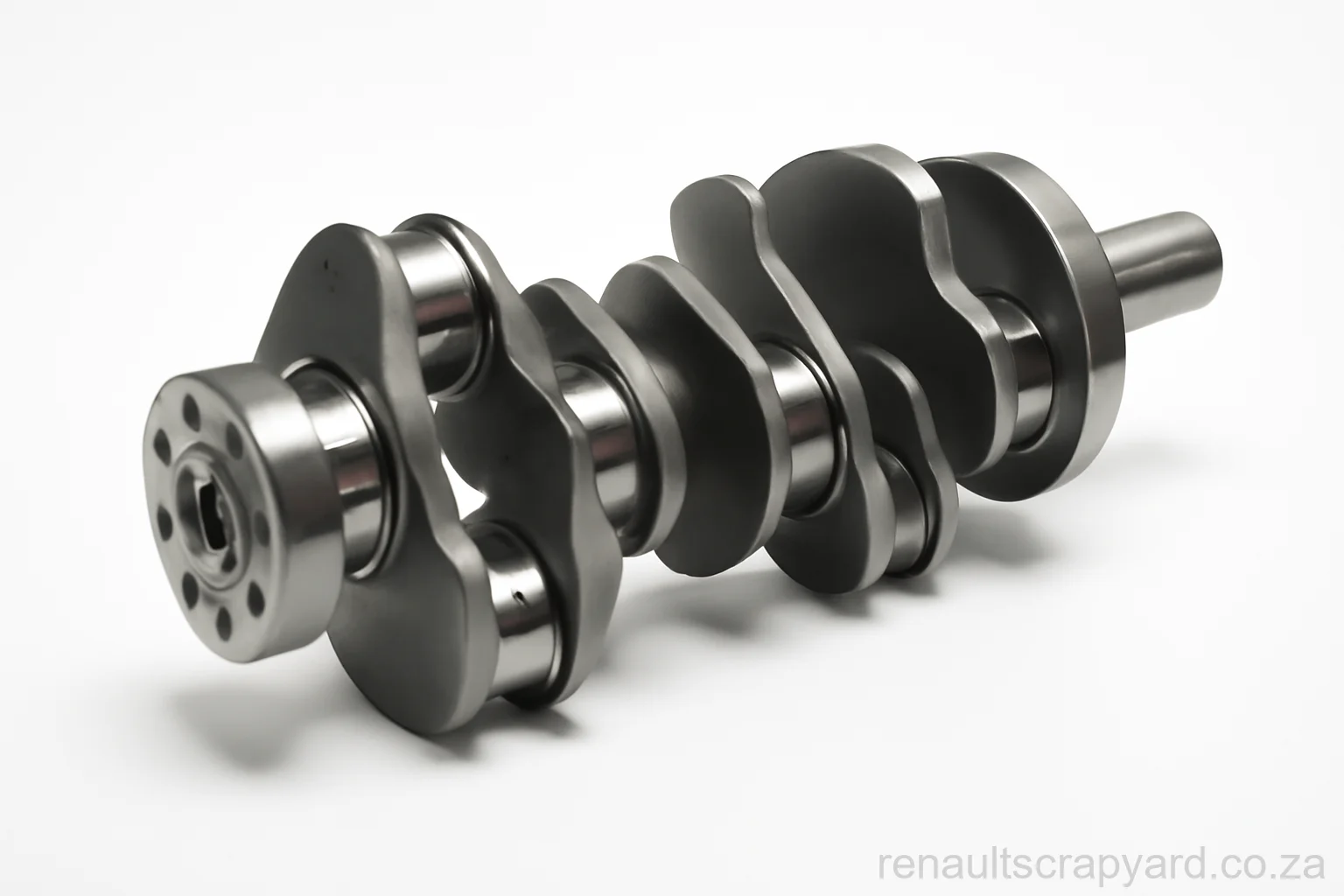
CrankshaftsCrankshafts that turn combustion into drive across the Hyundai petrol and diesel lineup
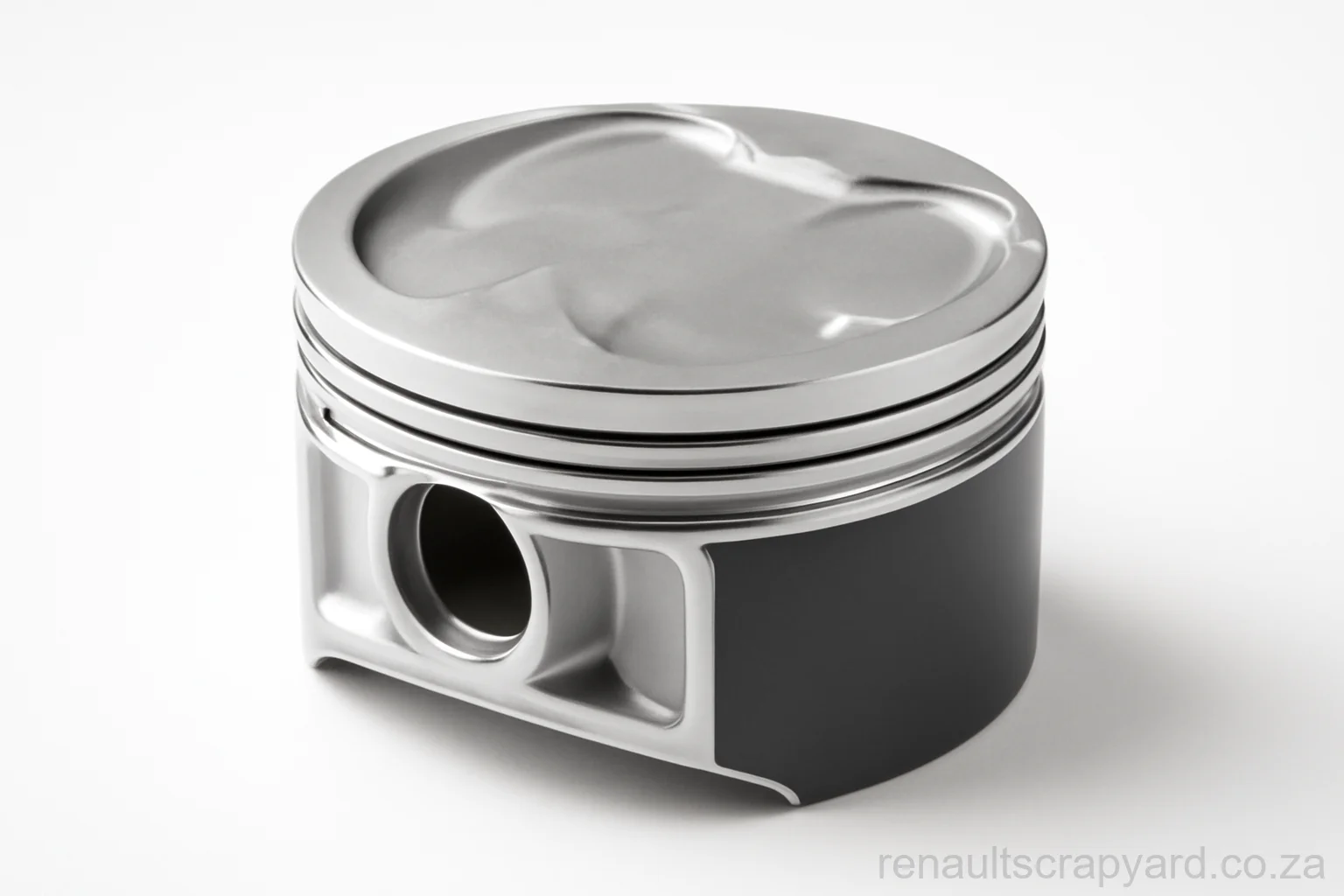
PistonsPistons and matched components engineered for clean combustion in Hyundai engines
Connecting RodsConnecting rods that tie the pistons to the crankshaft in every Hyundai engine
ValvesIntake and exhaust valves that manage airflow through Hyundai cylinder heads
Cylinder HeadsComplete cylinder head assemblies for the Hyundai petrol and diesel engine families
Engine BlocksBare and dressed engine block castings for the full Hyundai model range
Timing ChainsTiming chains, tensioners and guides that hold valve timing on chain-driven Hyundai engines
Available Across South Africa
We deliver timing belts to cities and towns across all 9 provinces.
Common Questions About Timing Belts
How much does a Hyundai timing belt replacement cost in South Africa?
A timing belt replacement for popular Hyundai models like the i20, Tucson, or Accent typically costs between R3,500 and R8,500 in South Africa, depending on the model and engine type. This usually includes the belt, tensioners, idler pulleys and labour, with diesel CRDi engines and turbocharged T-GDi models generally at the higher end. Always replace the water pump at the same time, which adds R1,400-R2,800 but saves on future labour costs.
When should I replace the timing belt on my Hyundai?
Most Hyundai models require timing belt replacement every 100,000 to 120,000 km or every 5-7 years, whichever comes first. However, check your specific model's service book as intervals vary—for example, some 1.6 T-GDi engines recommend 160,000 km while certain CRDi engines specify 100,000 km. South African conditions with extreme heat and dust may warrant earlier replacement, so have it inspected at every major service.
What happens if my Hyundai timing belt breaks while driving?
If a timing belt breaks on most Hyundai engines (which are interference designs), the pistons will collide with open valves, causing severe internal engine damage including bent valves, damaged pistons and potentially cracked cylinder heads. Repair costs can easily exceed R25,000 to R60,000 depending on the extent of damage, often approaching the value of older vehicles. This is why preventative replacement at recommended intervals is critical.
Does my Hyundai have a timing belt or timing chain?
Most modern Hyundai petrol engines (1.2 Kappa, 1.6 T-GDi/Gamma) and diesel engines (CRDi, U-line CRDi) sold in South Africa use timing belts rather than chains. Notable exceptions include some older 2.0-litre petrol engines and certain high-performance models. Check your owner's manual or consult a Hyundai dealer to confirm, as timing chains don't require regular replacement but belts absolutely do.
Can I replace just the timing belt without the water pump and tensioners?
While technically possible, it's strongly not recommended to replace only the timing belt on a Hyundai. Since the water pump is typically driven by the timing belt and shares the same labour-intensive removal process, replacing it simultaneously adds minimal labour cost (R850-R1,400 for the pump itself). Tensioners and idler pulleys also wear at similar rates and their failure shortly after belt replacement means paying for the same expensive labour twice.
Struggling to Find the Correct Timing Belts?
Our Hyundai parts advisors can cross-reference your VIN or engine code to pinpoint exactly what you need.